ENG
 English
 Español
 Português
 عربى
 中文简体
Railway systems are built for regular and repeated use. Trains operate through different environments, stations, routes, and service conditions. Over time, some components may need to be repaired, replaced, adjusted, or renewed.
Railway maintenance is not limited to checking the train as a whole. Small and large components can affect daily operation. Interior fittings, exterior parts, doors, seats, panels, covers, brackets, and other components all have a place in the maintenance process.
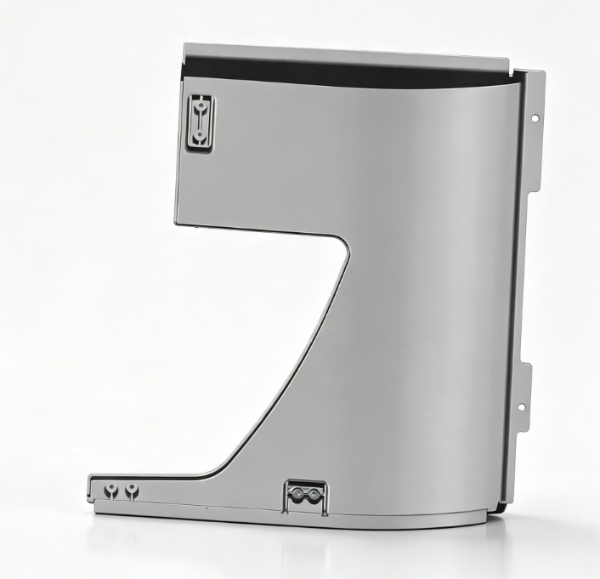
This creates an ongoing need for suitable replacement components. Train components manufacturers can support this need by producing parts for different train models, maintenance situations, and replacement requirements. Their role is not simply to make a component. It also involves understanding how that component fits into a wider maintenance process.
For railway operators, maintenance companies, and procurement teams, cooperation with a capable manufacturer can make component sourcing more organized. It can also help maintenance teams deal with replacement work more efficiently.
What Role Do Train Components Manufacturers Play in Railway Maintenance?
Railway maintenance often involves components with different functions and different installation locations. Some parts are visible to passengers. Others are installed in areas that passengers rarely see. Each part still needs to fit the intended application.
Train components manufacturers provide the physical parts needed for repair and replacement work. They may produce components for train interiors, exterior areas, passenger spaces, access areas, or supporting structures.
The role can also extend beyond producing replacement parts. A manufacturer may work from drawings, samples, existing components, or project requirements. This allows the production process to respond to the needs of a particular maintenance project.
For maintenance teams, this relationship can be useful when an existing component is no longer available through the original supply route. A replacement may need to follow the existing design so that it can be integrated into the train without unnecessary changes.
Manufacturers can also help organize component production around different maintenance requirements. A railway project may involve routine replacement, refurbishment, partial renewal, or a larger renovation program. Each situation can create different sourcing needs.
| Maintenance Need | Possible Manufacturer Support |
|---|---|
| Component replacement | Production of replacement parts |
| Train refurbishment | New components for renewed areas |
| Existing part renewal | Reproduction based on drawings or samples |
| Interior maintenance | Supply of interior-related components |
| Exterior maintenance | Production of exterior parts |
| Customized maintenance | Component development based on project requirements |
This makes the manufacturer part of the maintenance supply chain rather than simply an independent component producer.
How Can Manufacturers Help With Replacement Component Supply?
Replacement work is a common part of railway maintenance. A component may become worn through regular use. It may also be damaged during operation, maintenance, or transportation.
When replacement is needed, maintenance teams need to identify a suitable part. The replacement should match the intended application and work with the surrounding structure.
Train components manufacturers can support this process by producing replacement components based on existing requirements. This can be especially useful for trains that have been operating for a long time and may require parts that are not readily available through normal purchasing channels.
A manufacturer can review the shape, material requirements, connection method, surface treatment, and other relevant information provided by the buyer. The production process can then be organized around the actual maintenance need.
This approach can reduce the need to redesign an entire area simply because one component needs to be replaced. It also allows maintenance teams to focus on the specific part that requires attention.
Communication is important here. Drawings, samples, photographs, product descriptions, and application information can all help manufacturers understand what is required. Clear information can reduce misunderstandings before production begins.
The relationship becomes even more useful when replacement work involves several related components. Instead of treating every part as an isolated purchase, manufacturers can help buyers consider how the components fit together within the same maintenance project.
Can Train Components Manufacturers Support Different Types of Railway Maintenance?
Railway maintenance is not always the same. A passenger train may require different replacement components from a freight train. A train undergoing interior refurbishment may have different needs from one receiving exterior repairs.
Manufacturers can support these differences by developing or producing components for specific applications.
Routine maintenance may focus on individual parts that need replacement because of normal use. Refurbishment can involve larger areas of the train. A maintenance project may also include changes to passenger spaces, access areas, storage areas, or other sections.
The manufacturer needs to understand the purpose of the component rather than looking only at its shape. A visually similar part may not be suitable for the same application if its surrounding structure or installation method is different.
Different railway applications can therefore lead to different manufacturing approaches.
Common Maintenance Applications
Passenger train maintenance
Passenger areas often contain seats, panels, doors, handles, covers, and other visible components. Replacement parts need to fit the existing interior and support the intended passenger environment.
Freight train maintenance
Freight trains have different operational requirements. Components may be associated with access areas, protective structures, doors, covers, and other parts related to cargo handling.
Train refurbishment
Refurbishment can involve replacing older components while keeping much of the existing train structure. Manufacturers can produce new parts that work with the retained sections of the train.
Fleet maintenance
When several trains use similar components, maintenance teams may need a consistent supply. Manufacturers can support this requirement through organized production and repeat orders.
Understanding the maintenance context helps manufacturers provide more relevant support.
How Does Custom Manufacturing Help With Older Train Components?
One challenge in railway maintenance is that older trains may contain components that are no longer commonly produced. The original design may also differ from newer train designs.
In such cases, standard purchasing channels may not provide a practical solution. Custom manufacturing can become useful.
Train components manufacturers can work from available information about the existing component. A sample may be available from the maintenance team. In other cases, the buyer may have drawings or records from previous projects.
The manufacturer can use these materials to understand the required shape and application. Production can then be organized around the replacement requirement.
This does not mean every component needs to be redesigned. In many maintenance situations, the purpose is to reproduce or adapt an existing component so that it can continue to serve the intended role.
Custom manufacturing can also be useful when a maintenance team wants to replace an older component with a modified version. The change may relate to appearance, installation, material choice, or integration with another part of the train.
The key point is communication. The more clearly the manufacturer understands the maintenance situation, the easier it becomes to develop a suitable production plan.
For buyers, it is useful to provide information about where the component is installed, what surrounds it, how it is used, and what type of replacement is required. These details give the manufacturer a clearer view of the application.
Why Does Material and Component Quality Matter in Railway Maintenance?
A replacement component is part of a larger train system. Its performance can be affected by the surrounding components, the installation environment, and the way the train is used.
Material selection therefore deserves attention during maintenance purchasing.
Train components manufacturers may work with different materials depending on the component and its application. The choice can affect appearance, durability, maintenance needs, and compatibility with nearby parts.
For interior components, appearance and ease of cleaning may matter. For exterior components, exposure to the surrounding environment may become more important. Components around doors or access areas may need to fit repeated daily use.
Quality management also matters during production. Consistent manufacturing can help reduce variation between replacement components. This becomes particularly relevant when a maintenance project involves several similar parts.
Buyers can discuss these requirements with manufacturers before placing an order. Instead of focusing only on the component itself, they can consider the entire installation area.
| Component Consideration | Why It Matters in Maintenance |
|---|---|
| Material | Needs to suit the intended application |
| Shape | Must fit the surrounding structure |
| Surface | Can affect appearance and maintenance |
| Connection method | Needs to work with the existing installation |
| Component size | Should correspond with the replacement area |
| Finish | May need to match nearby components |
| Application environment | Can affect material and design choices |
A clear understanding of these factors can make communication between the buyer and manufacturer more effective.
How Can Manufacturers Support Train Refurbishment Projects?
Refurbishment is different from simple component replacement. It may involve updating a train while retaining parts of its existing structure.
This can create a mixture of old and new components. The new parts need to work with the existing design. They may also need to fit the visual direction of the refurbished train.
Train components manufacturers can support refurbishment by producing components according to the project requirements. This may include interior panels, seating-related parts, doors, covers, trim pieces, protective components, and other customized products.
Manufacturers can also work with maintenance teams during the planning stage. Early communication can help identify which components need to be reproduced and which areas require customized solutions.
This is useful when a refurbishment project covers many parts of a train. A coordinated approach can help buyers organize component sourcing instead of managing unrelated purchases.
Refurbishment may also involve appearance changes. A train interior can be updated through new surfaces, colors, layouts, or component designs. Manufacturers can produce parts that fit the new design while remaining suitable for the existing structure.
The production process should remain closely connected to the actual project requirements. This helps prevent unnecessary changes to surrounding components.
What Should Buyers Ask Train Components Manufacturers Before Ordering?
Choosing a manufacturer for railway maintenance requires more than checking whether the company can produce a certain part.
Buyers need to understand whether the manufacturer can work with the information available. They may have drawings, samples, photographs, old components, or only a general description of the required product.
A useful discussion can cover several areas.
Can the manufacturer work from existing samples?
This can matter when the original component is available but its drawings are incomplete or outdated.
Can the manufacturer handle customized designs?
Maintenance projects may require components that differ from standard products. The ability to adjust production according to project requirements can be useful.
Can the manufacturer produce related components?
A project may involve several parts installed in the same area. Working with one manufacturer for related components can simplify communication.
How does the manufacturer manage quality during production?
Buyers can ask about inspection processes, production control, material management, and documentation.
How does the manufacturer communicate during development?
Clear communication helps when drawings need to be reviewed or a sample needs to be checked before production.
Can the manufacturer support repeat maintenance needs?
Railway maintenance is ongoing. A suitable supplier relationship may continue beyond a single order.
These questions help buyers understand the manufacturer's role before production starts.
How Can Long-Term Cooperation Improve Railway Component Maintenance?
Railway maintenance does not end after one replacement project. Trains continue to operate, and components may need attention at different stages of their service life.
A stable relationship with a train components manufacturer can make future sourcing more organized.
Once a manufacturer understands a particular component and its application, later communication may become easier. Existing drawings, samples, and production information can also provide a useful reference for future orders.
This can be helpful for maintenance teams that manage repeated replacement work. Instead of explaining the entire component requirement again for every purchase, buyers may be able to work from established product information.
Long-term cooperation can also support gradual improvements. If a maintenance team identifies a recurring problem with a component, the manufacturer can discuss possible changes with the buyer.
The goal is not simply to produce more parts. It is to create a clearer connection between manufacturing and actual railway maintenance needs.
For procurement teams, this relationship can also make planning easier. They can communicate expected component requirements, replacement needs, and customization requests with greater clarity.
Train components manufacturers therefore have a practical role in keeping maintenance supply connected to railway operations. Their work can cover replacement production, customized components, refurbishment support, material selection, quality management, and ongoing communication.
As railway systems continue to use a wide range of train designs and component types, manufacturers that understand maintenance requirements can remain an important part of the railway supply chain.