ENG
ENG  English
 Español
 Português
 عربى
عربى 中文简体
中文简体Vehicle doors are among the parts of a car that people interact with every day. They are opened, closed, pushed, pulled, and exposed to contact with nearby objects. In busy parking areas, narrow garages, crowded streets, and commercial vehicle yards, the door area can experience repeated contact during normal use.
This makes door protection an important consideration in vehicle design and maintenance. One product used for this purpose is Auto Door Guard Molding.
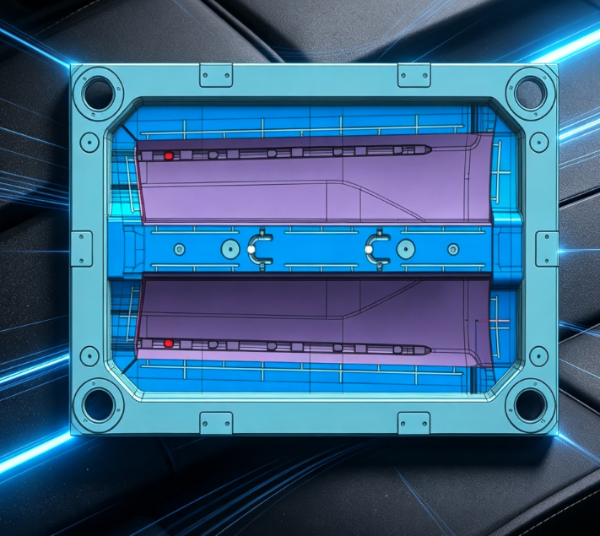
Auto Door Guard Molding is generally placed around selected areas of a vehicle door. It can help protect vulnerable edges or surfaces while also becoming part of the vehicle's exterior appearance. The exact position depends on the door design, vehicle type, and intended use.
For vehicle manufacturers, automotive accessory suppliers, repair businesses, and buyers, understanding where this molding is commonly used can make product selection more practical.
What Areas of a Vehicle Door Commonly Use Auto Door Guard Molding ?
The door edge is one of the most common areas where protective molding is considered. When a door opens close to a wall, another vehicle, a post, or other objects, the edge may come into contact with the surrounding environment.
A molding placed along this area can create a protective layer between the vehicle surface and potential contact. It also gives the door edge a more defined appearance.
Some applications focus on the outer edge of the door. Others may involve areas around the door opening or selected sections of the door surface. The choice depends on where protection is needed and how the molding fits the vehicle's shape.
The design should follow the actual structure of the vehicle door. A molding that works well on one door may not have the same visual effect on another.
| Common Location | Main Consideration |
|---|---|
| Door edge | Helps protect an exposed edge during daily use |
| Door corner | Provides coverage around a vulnerable area |
| Door opening area | Can support surface protection near frequent contact areas |
| Side door area | May contribute to both protection and exterior styling |
| Selected body sections | Used when a project requires additional surface coverage |
The application is therefore not limited to one fixed position. Vehicle design and usage conditions determine where the molding can provide practical value.
Why Is the Door Edge a Common Location for Protective Molding?
The door edge is exposed whenever the door is opened. It moves toward surrounding objects and may experience accidental contact.
A small parking space can make this problem more noticeable. A person may open the door without seeing how close the edge is to another surface. Similar situations can happen in garages, loading areas, and narrow driveways.
Repeated contact can affect the appearance of the door. Even when the contact is minor, marks and surface wear may become visible over time.
Auto Door Guard Molding can be used to create a buffer around the edge. The molding does not change how the door operates. Instead, it becomes an additional part of the door's exterior surface.
The visual aspect also matters. A door edge molding can follow the shape of the door and create a continuous line. Depending on the design, this line may be subtle or more noticeable.
For automotive accessory suppliers, the door edge is therefore an important application area because it combines a practical protection need with an exterior design opportunity.
Where Is Auto Door Guard Molding Used on Different Vehicle Types?
Vehicle types have different door shapes, sizes, and usage patterns. A passenger car may be used mainly for personal transportation. A commercial vehicle may experience more frequent entry and exit. A family vehicle may have children or several passengers using the doors throughout the day.
These differences can affect where protective molding is considered.
Passenger cars often use molding around door edges and corners. The focus may be on maintaining the appearance of the vehicle during everyday parking and driving.
Sport utility vehicles and larger family vehicles can have different door proportions. Their side doors may also interact with different surroundings because of the vehicle's body shape.
Commercial vehicles may have additional considerations. Delivery vehicles, service vehicles, and fleet vehicles often operate in busy environments. Their doors may be opened repeatedly during daily work.
The following table shows some common application differences.
| Vehicle Type | Typical Application Focus |
|---|---|
| Passenger cars | Door edges, corners, and visible exterior areas |
| Family vehicles | Door edges and areas exposed to repeated daily use |
| Sport utility vehicles | Side doors, edges, and body styling areas |
| Commercial vehicles | Frequently used door areas and exterior protection |
| Fleet vehicles | Consistent protection across commonly used door sections |
The molding should match the vehicle rather than being selected only by vehicle category. Door shape, surface design, opening movement, and exterior styling all influence the final application.
Can Auto Door Guard Molding Be Used on Both Front and Rear Doors?
Many vehicles have several doors with different shapes and opening patterns. Front doors may be used more frequently by drivers and passengers. Rear doors may also receive regular use, especially in family vehicles and passenger transportation applications.
For this reason, protective molding can be considered for both front and rear door areas.
The front door often has a prominent position on the vehicle. Its edge may be visible when the door is open. A suitable molding can help create a consistent appearance around the vehicle.
Rear doors may have different contours or nearby body lines. The molding needs to work with these shapes rather than interrupting the overall appearance.
Some vehicle designs may use matching molding across several doors. This can create a more coordinated exterior appearance.
Other applications may focus only on selected doors. For example, a vehicle used frequently in a particular environment may need additional protection around the doors that receive the most contact.
The choice should be based on actual usage rather than assuming every door requires the same treatment.
How Is Auto Door Guard Molding Used in Daily Vehicle Protection?
Daily vehicle use involves many small actions. Opening a door in a crowded parking lot is one example. Moving a vehicle into a garage is another. People may also open doors near walls, barriers, posts, or other vehicles.
These situations are difficult to control completely. A protective molding can provide an additional layer around selected parts of the door.
This is particularly relevant for vehicles that are used frequently. A personal car may experience repeated door movement throughout the week. Commercial vehicles can have even more frequent entry and exit activity.
The molding may also help maintain a consistent appearance around the door area. Instead of leaving an exposed edge, the vehicle can have a defined protective strip that follows the door's shape.
However, the molding should not be viewed as a replacement for careful vehicle use. Its role is to support surface protection as part of a wider approach to vehicle care.
For buyers, this distinction is useful. The product should be selected according to the type of contact that may occur and the area that needs protection.
Does Auto Door Guard Molding Also Affect Vehicle Appearance?
Protection and appearance do not have to be separate considerations. Automotive accessories are often visible parts of a vehicle, so their design can influence the overall exterior.
Auto Door Guard Molding can create an additional line along the door. This line may emphasize the shape of the vehicle or connect with existing body features.
A simple molding can blend into the vehicle surface. A more noticeable design can create a stronger visual detail. The appropriate approach depends on the vehicle's styling.
Color and surface appearance may also influence the result. Buyers may want the molding to blend with the door or create a contrast with the surrounding body.
The shape of the door remains important. Curved doors, straight door edges, and doors with strong body lines can create different visual results.
| Design Factor | Possible Effect |
|---|---|
| Molding shape | Influences how the door edge appears |
| Surface appearance | Affects how the molding relates to the vehicle body |
| Placement | Determines which body lines are emphasized |
| Door contour | Influences how naturally the molding follows the surface |
| Overall vehicle style | Helps determine whether the molding should blend or stand out |
This is why automotive accessory selection often involves both functional and visual considerations.
Where Can Auto Door Guard Molding Be Used in Commercial and Fleet Vehicles?
Commercial vehicles can face different daily conditions from privately owned cars. A delivery vehicle may stop frequently. A service vehicle may operate around buildings, warehouses, or industrial sites. A fleet vehicle may be used by different drivers.
Frequent door operation makes the door area an important part of vehicle maintenance.
Auto Door Guard Molding can be considered for vehicle doors that receive repeated use. It can help create additional protection around areas that may experience contact during normal operation.
Fleet applications may also involve consistency. When several vehicles share a similar design, the same molding approach can help create a coordinated appearance.
For fleet managers and automotive suppliers, the selection process may therefore involve more than one vehicle. The molding needs to work across the relevant vehicle models and door designs.
Installation planning is also important. Commercial vehicles may have additional exterior equipment or body modifications. The molding should not interfere with nearby components or normal door movement.
This makes vehicle-specific planning useful when supplying protective molding for commercial applications.
What Should Buyers Consider When Choosing Auto Door Guard Molding?
Buyers should begin by identifying where the molding will be used. The application area determines many of the other considerations.
The vehicle model and door shape are important. Even vehicles with similar appearances may have different door contours. The molding should follow the intended surface without creating an awkward transition.
The level of daily use should also be considered. A personal vehicle may have different needs from a commercial vehicle that opens its doors throughout the working day.
Appearance is another factor. Buyers can consider whether the molding should blend with the vehicle or become a visible exterior detail.
Installation should also be part of the planning process. The selected product should be compatible with the intended door surface and should not interfere with normal door operation.
Several practical questions can help guide the purchasing process:
- Which door area needs protection?
- What type of vehicle will use the molding?
- How frequently are the doors used?
- What is the shape of the door edge or surrounding surface?
- Should the molding blend into the exterior or create a visible detail?
- Will the same design be used across several vehicles?
- Does the selected molding fit the intended installation area?
These questions can help buyers connect product selection with actual vehicle use.
Auto Door Guard Molding is commonly associated with door edges, corners, side door areas, and other sections where surface protection may be useful. Its applications can range from passenger cars to commercial and fleet vehicles.
The product also sits at the intersection of protection and appearance. A well-planned application can help define the door area while fitting into the wider exterior design of the vehicle. For automotive manufacturers, accessory suppliers, and buyers, understanding the vehicle, door structure, daily use, and visual requirements provides a practical basis for selecting the appropriate molding application.