ENG
ENG  English
 Español
 Português
 عربى
عربى 中文简体
中文简体Outdoor electrical metering is part of many residential, commercial, industrial, and public utility systems. Electrical meters are often installed in locations that are easy to access for inspection and management. These locations may be outside a building or in an area exposed to changing environmental conditions.
Because the meter remains an important part of the electrical system, the enclosure around it also deserves attention. A meter box provides a defined space for the meter and helps separate the equipment from the surrounding environment.
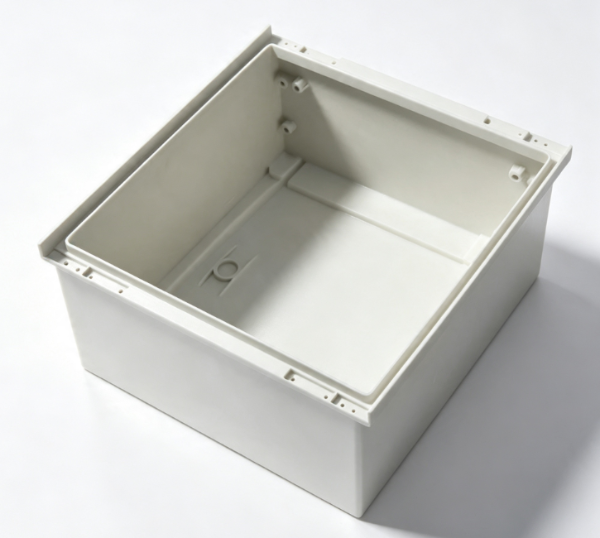
An FRP Meter Box is one type of enclosure used for outdoor metering applications. FRP refers to fiber reinforced plastic. The material combines a plastic base with reinforcing fibers. This gives the box a different set of characteristics from traditional metal enclosures.
Outdoor meter boxes need to fit both the electrical system and the installation environment. The choice is therefore not only about the box itself. It also involves location, access, protection, maintenance, appearance, and long-term use.
Understanding why FRP meter boxes are considered for outdoor metering can help project planners and buyers make more informed decisions.
What Is an FRP Meter Box Used for in Outdoor Applications?
An FRP Meter Box provides an enclosure for electrical metering equipment. Its main role is to create a defined and protected space around the meter.
Outdoor meters may be placed on exterior walls, utility areas, residential properties, commercial buildings, or other accessible locations. The enclosure helps keep the meter organized within the electrical installation.
A meter box also creates a clear boundary between the equipment and the surrounding environment. This is useful when the meter is located in an area where people, weather, dust, or other external conditions may be present.
The box can also support easier meter access. Utility workers or maintenance personnel may need to inspect the meter without entering the main building. A properly planned enclosure can make this process more organized.
| Outdoor Metering Need | Role of the Meter Box |
|---|---|
| Equipment enclosure | Creates a defined space for the meter |
| Outdoor installation | Separates the meter from surrounding conditions |
| Meter access | Allows authorized personnel to reach the equipment |
| System organization | Keeps metering equipment within a planned enclosure |
| Maintenance | Supports inspection and routine service |
The specific role can vary between projects. A residential installation may have different requirements from a commercial or utility application. The basic purpose remains the same: provide an enclosure that fits the meter and its installation environment.
Why Is FRP Material Considered for Outdoor Meter Boxes?
Material selection becomes more important when an enclosure is installed outside. The box may be exposed to moisture, sunlight, temperature changes, dust, and general outdoor conditions.
FRP is considered for these environments because its material structure is different from ordinary metal. The reinforcing fibers are combined with a plastic base to create a solid enclosure material.
One practical consideration is the material's resistance to corrosion. Outdoor equipment may be exposed to moisture and other conditions that can affect metal surfaces over time. FRP does not behave in exactly the same way as conventional metal materials.
This makes material selection relevant for areas where environmental exposure is part of daily operation.
FRP can also provide a relatively clean surface appearance. This can be useful when meter boxes are installed on the outside of residential or commercial buildings where the enclosure remains visible.
The material should still be selected according to the actual installation environment. No single material automatically suits every project. Buyers need to consider the conditions around the box and the requirements of the equipment inside.
How Does an FRP Meter Box Support Outdoor Meter Protection?
An outdoor meter box needs to create a physical enclosure around the meter. This helps reduce direct exposure to the surrounding environment and gives the equipment a defined installation space.
Outdoor conditions can change throughout the day. Rain, dust, sunlight, and other environmental factors may affect exposed equipment. A suitable enclosure can help separate the meter from these conditions.
The box also provides a physical boundary around the meter. This can help reduce accidental contact with the equipment and keep the installation more organized.
Access is another important part of protection. A meter should not simply be placed in an exposed location. It needs to remain accessible to authorized personnel while being separated from unnecessary interference.
An FRP Meter Box can therefore support several aspects of outdoor meter management:
- Creating a dedicated space for the meter.
- Separating equipment from the surrounding environment.
- Supporting controlled access.
- Keeping the installation visually organized.
- Making routine inspection more practical.
Protection should not be considered separately from installation. The enclosure needs to work with the wall, mounting location, wiring arrangement, and other parts of the electrical system.
Does the Outdoor Environment Affect FRP Meter Box Selection?
The same meter box may not be suitable for every outdoor location. Environmental conditions can differ significantly between installations.
A box installed under a building overhang may experience different conditions from one installed on an exposed exterior wall. A residential property may also have different surroundings from an industrial or public utility area.
Moisture is one consideration. Dust and airborne particles may also be relevant. Sunlight and changing outdoor conditions can affect the enclosure over time.
The physical surroundings matter as well. A meter box may be placed near a walkway, building entrance, utility area, fence, or other outdoor structure. Its position can affect access and protection.
Buyers can look at several environmental factors before selecting an enclosure:
| Environmental Factor | Selection Consideration |
|---|---|
| Moisture | Consider how exposed the installation area is |
| Sunlight | Consider the level of outdoor exposure |
| Dust | Consider surrounding site conditions |
| Location | Check how the box fits into the building or utility area |
| Access | Ensure authorized personnel can reach the meter |
| Surrounding equipment | Consider how the enclosure relates to nearby electrical components |
These factors do not mean that every outdoor project requires the same type of FRP meter box. They show why the installation environment should be considered before product selection.
Where Are FRP Meter Boxes Commonly Used?
FRP meter boxes can be considered across several outdoor metering applications. Their use depends on the electrical system, building layout, and local installation requirements.
Residential properties are one common application. Meters may be installed outside homes to allow access without entering the living area. The enclosure can help keep the meter area separate from the rest of the property.
Commercial buildings may have more visible and frequently accessed electrical equipment. Shops, offices, service buildings, and other facilities may require outdoor metering arrangements that fit their exterior design and maintenance needs.
Industrial facilities can also have outdoor electrical areas. These locations may include utility zones, service areas, and other parts of the site where electrical equipment needs to remain accessible.
Public infrastructure presents another application. Metering equipment may be located in shared or semi-public areas. In such cases, enclosure design becomes part of overall site planning.
The following table shows how the application can influence the selection process.
| Application | Main Planning Focus |
|---|---|
| Residential | Exterior appearance, access, and property layout |
| Commercial | Accessibility, building design, and equipment organization |
| Industrial | Installation environment and system arrangement |
| Public facilities | Access control, location, and surrounding infrastructure |
| Utility areas | Meter management and outdoor equipment organization |
The product should be chosen according to the specific project rather than simply by application category.
How Does an FRP Meter Box Help With Meter Access and Maintenance?
Outdoor metering is often designed around accessibility. Authorized personnel may need to read, inspect, replace, or maintain the meter without disturbing the rest of the building.
A meter box provides a clear access point. Instead of having the meter exposed directly to the surrounding area, it is placed within a dedicated enclosure.
This can make routine work more organized. Maintenance personnel can identify the meter location more easily. The enclosure also helps define where the metering equipment begins and ends.
Access should remain balanced with protection. A box that is difficult to reach can create unnecessary problems during inspection. A box that is too exposed may not provide the desired level of separation.
The door and opening arrangement can therefore be important. Buyers should consider how the enclosure will be opened, who needs access, and how often inspection may take place.
The installation location should also leave enough practical working space around the box. Nearby walls, equipment, fences, and walkways can affect how personnel approach the enclosure.
For this reason, meter box selection and site planning should be considered together.
What Should Buyers Consider When Choosing an FRP Meter Box?
Product selection should begin with the actual project requirements. Buyers may be comparing several enclosure options, but the decision should remain connected to the installation environment.
Material is one consideration. FRP may be attractive for outdoor applications where corrosion resistance and environmental exposure are relevant. However, the surrounding conditions still need to be reviewed.
The size and internal arrangement of the meter box should correspond with the equipment that will be installed. Buyers should avoid choosing an enclosure based only on its external appearance.
Access is another important factor. Consider who will inspect the meter and how the enclosure will be reached during routine service.
The exterior appearance may also matter. A box installed on a residential or commercial building can remain visible for many years. Its shape and surface should fit reasonably well with the surrounding structure.
Other points can include:
- Installation location
Check the wall, mounting area, and surrounding space. - Outdoor exposure
Consider moisture, sunlight, dust, and other environmental conditions. - Meter arrangement
Make sure the enclosure is suitable for the intended metering equipment. - Access requirements
Consider how authorized personnel will inspect and service the meter. - Project type
Residential, commercial, industrial, and public applications may have different needs. - Overall system planning
Look at how the meter box works with nearby electrical equipment and building elements.
A product that looks suitable in a catalog may still be unsuitable for a particular site. The surrounding conditions should remain part of the purchasing decision.
How Does an FRP Meter Box Fit Into Modern Electrical Infrastructure?
Modern electrical systems are not only about the equipment that produces or distributes electricity. The physical arrangement of that equipment also affects how the system is managed.
Metering is one part of this wider structure. The meter needs a suitable location. It needs access. It also needs an enclosure that works with the surrounding installation.
An FRP Meter Box can form part of this arrangement by creating a dedicated space for outdoor metering. Its role is relatively simple, but that role connects with several practical aspects of electrical infrastructure.
For residential projects, the enclosure can be integrated into the exterior of the property. In commercial projects, it can be coordinated with service areas and building access. In industrial settings, it can become part of a larger utility arrangement.
The relationship between the box and the surrounding environment is therefore important. Good planning considers more than the meter itself.
As outdoor electrical installations become more closely integrated with building and utility planning, meter enclosures also need to be considered as part of the wider site. Material choice, access, environmental exposure, appearance, and installation conditions all influence how an FRP Meter Box fits into the project.