ENG
ENG  English
 Español
 Português
 عربى
عربى 中文简体
中文简体An automotive door may look simple from the outside. It is part of the vehicle body, but it also has to fit into a larger structure. Its appearance, shape, opening movement, interior space, and connection with other components all need to work together.
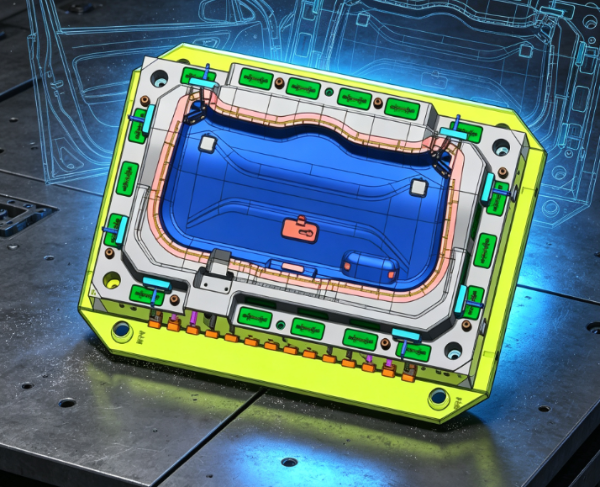
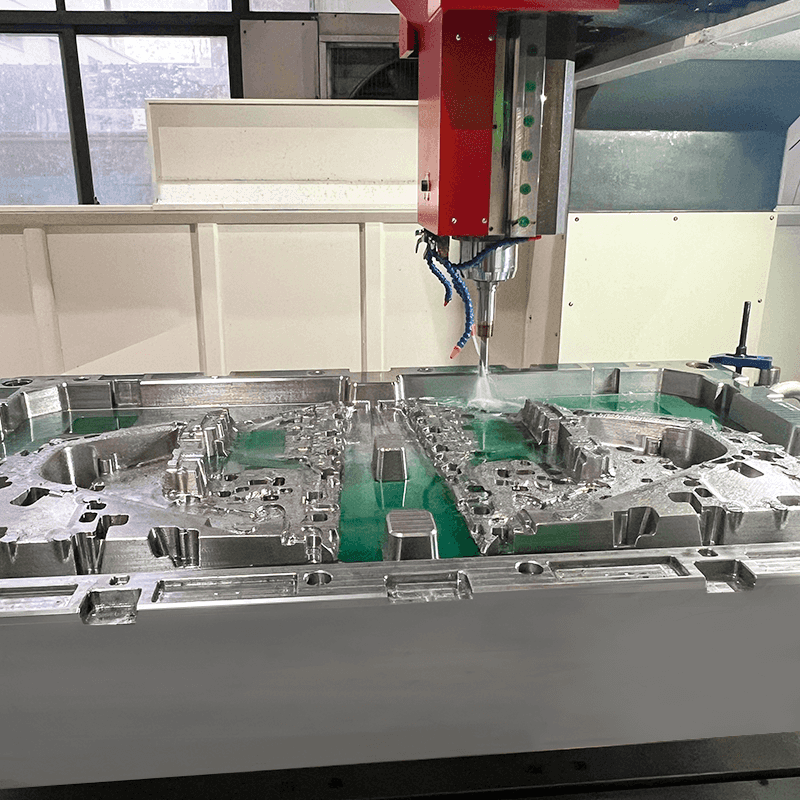
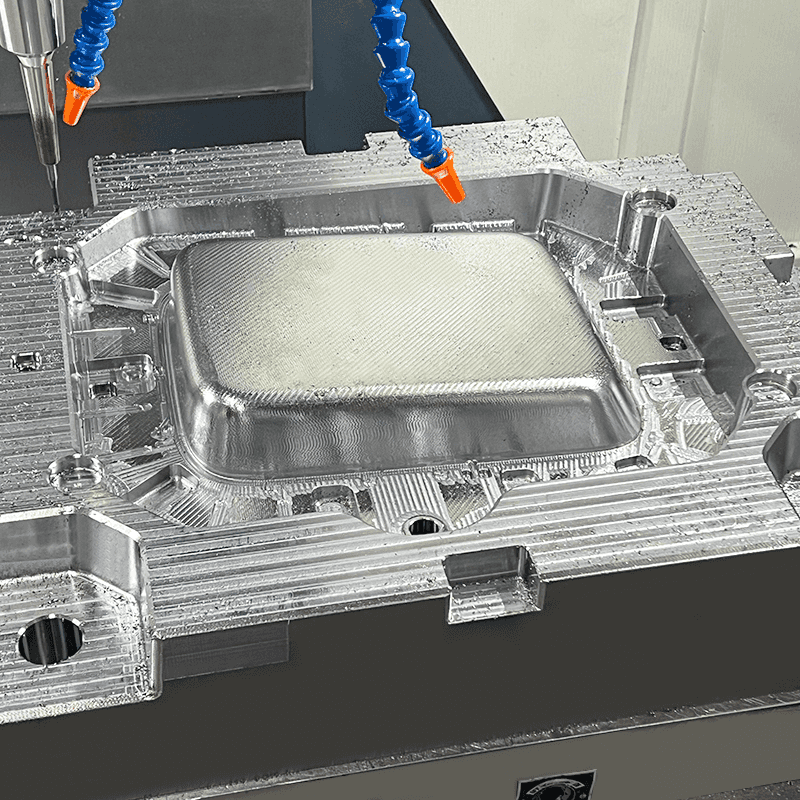
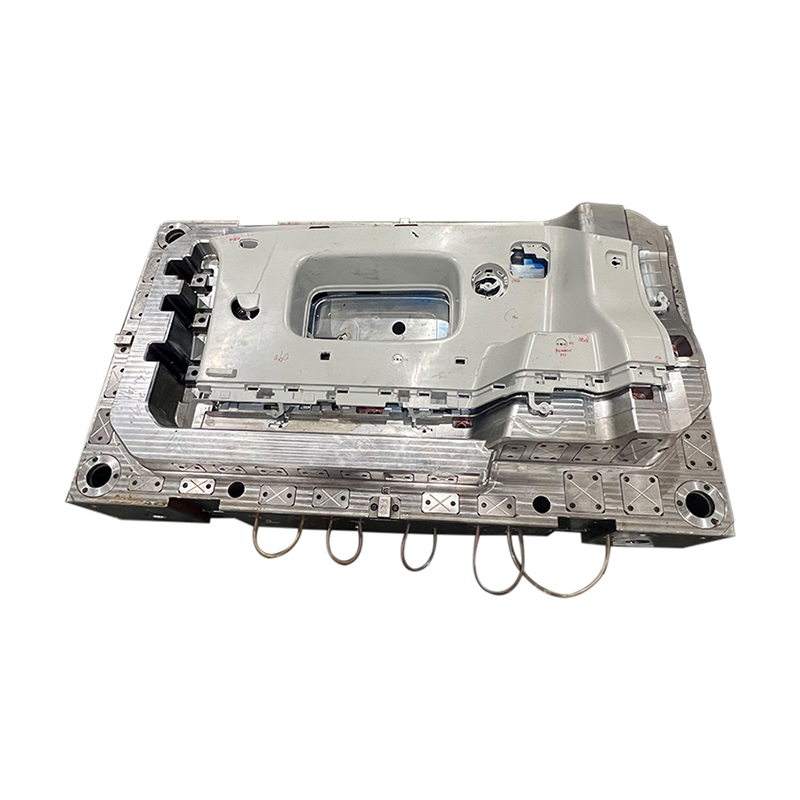
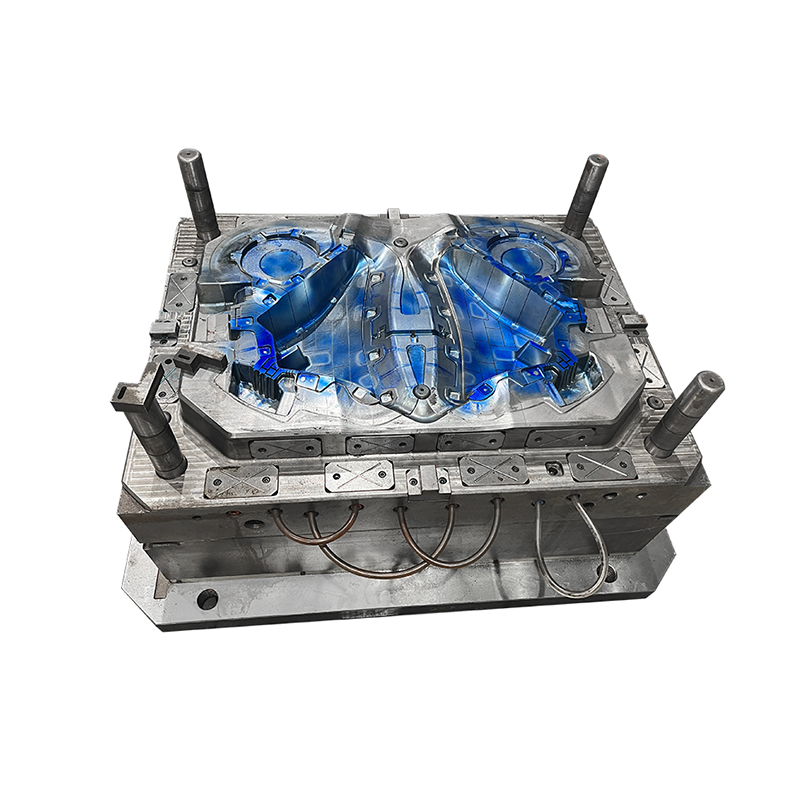
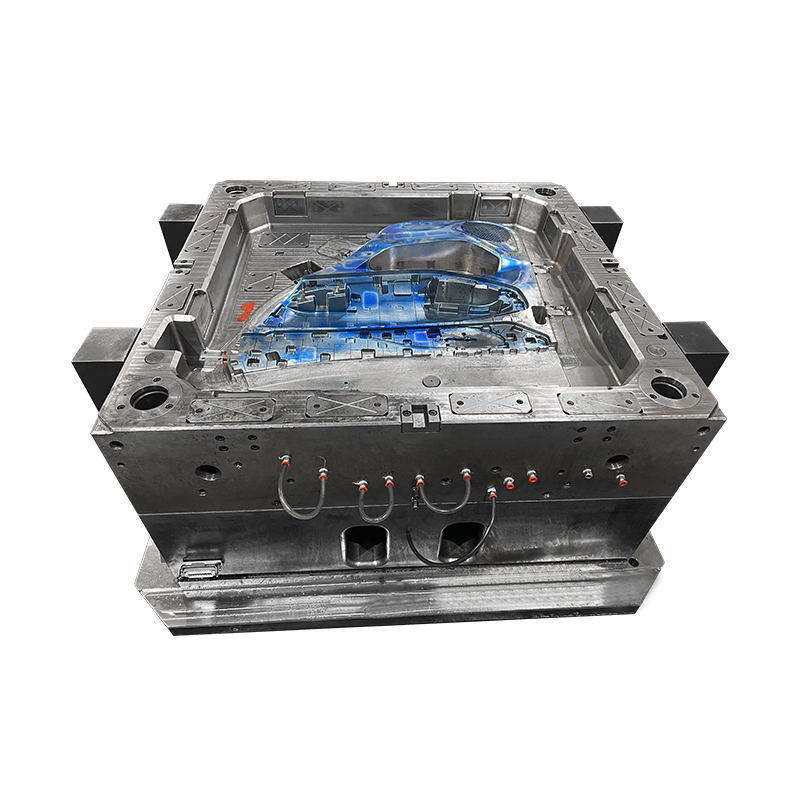
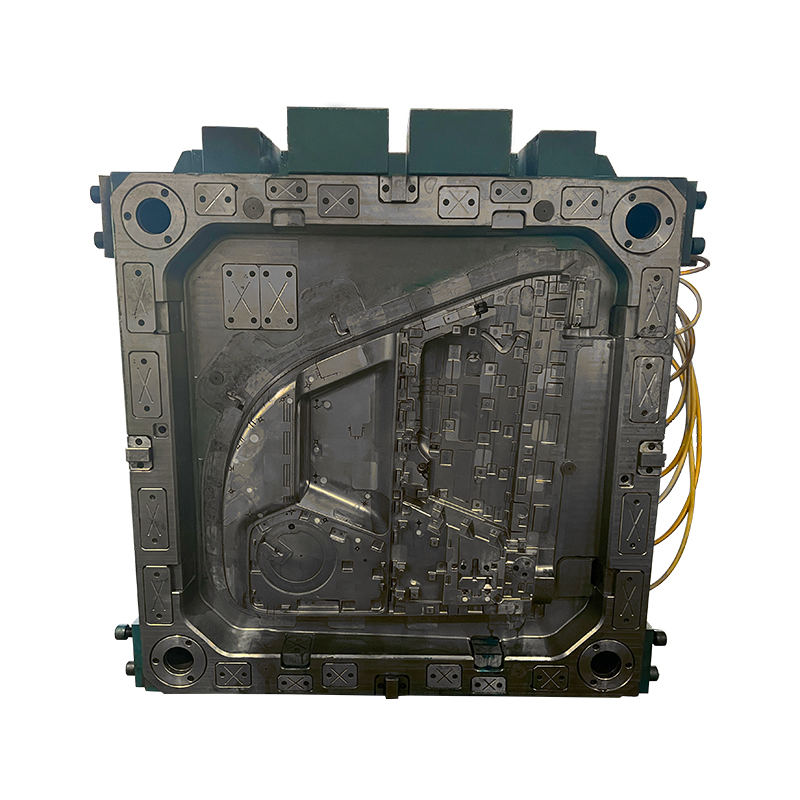
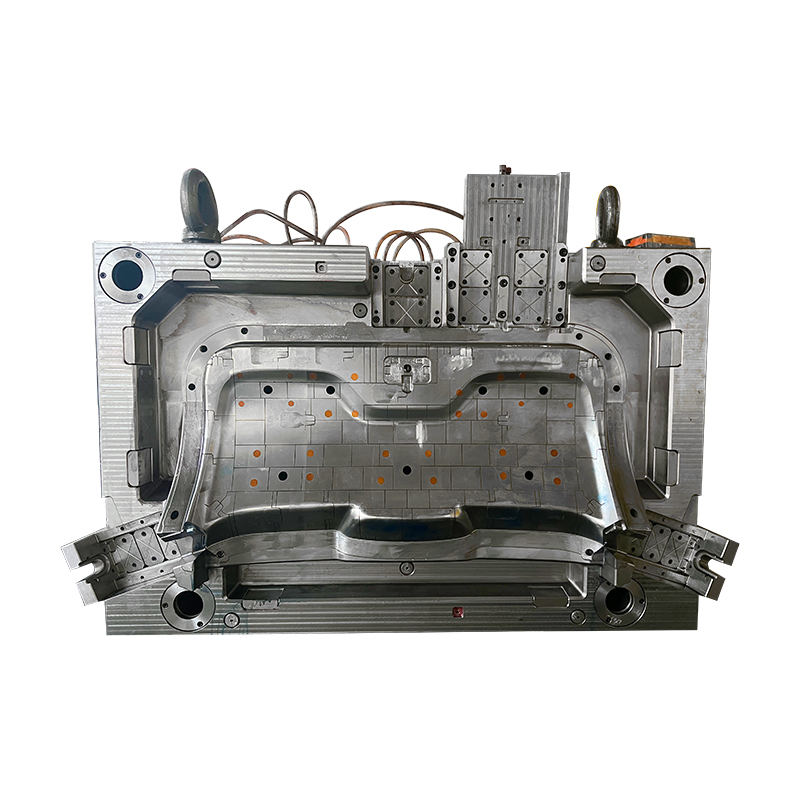
Behind this visible component is a manufacturing process that depends heavily on mould design. The Auto Door Mould is not simply a tool used to create a door-related component. Its design can influence how the component takes shape, how consistently it can be produced, and how well it fits into the wider vehicle assembly process.
This is why mould design is receiving more attention in automotive door production. As vehicle designs become more varied, manufacturers need production tools that can respond to different shapes and component requirements.
For buyers and manufacturers, the conversation is therefore moving beyond the basic question of whether a mould can produce a particular door component. Attention is also turning toward how the mould supports the entire production process.
Why Does Mould Design Matter in Automotive Door Production?
Mould design affects the way a component is formed. A door component may have curves, edges, openings, connection areas, or other features that need to be produced in a consistent way. The mould needs to reflect these requirements clearly.
A suitable mould design can make the production process easier to manage. When the mould matches the intended component, production teams have a clearer basis for forming, checking, and handling the parts.
The importance of design becomes even more noticeable when automotive doors include several related components. The outer appearance may need to connect with interior parts, supporting elements, handles, windows, or other vehicle systems.
| Mould Design Area | Production Consideration |
|---|---|
| Component shape | Needs to reflect the intended door design |
| Surface form | Influences the appearance of the finished component |
| Connection areas | Need to correspond with related vehicle parts |
| Part removal | Can affect how easily the formed component is handled |
| Mould structure | Influences production organization |
| Repeated production | Makes consistency an important consideration |
Mould design therefore sits between product design and manufacturing. It translates a digital or physical concept into a form that can be used repeatedly on the production floor.
This role makes mould design an important part of automotive door production rather than a separate step that can be considered only after the vehicle component has been designed.
How Does Auto Door Mould Design Reflect Different Door Components?
Not every automotive door component has the same shape or function. Some parts are highly visible. Others are hidden after assembly. Some need to connect with surrounding components, while others mainly contribute to the structure or appearance of the door.
These differences influence mould design. A visible exterior component may require close attention to its surface form. An interior component may involve different considerations related to fit, installation, or interaction with other parts.
The production process also needs to consider the intended material and component structure. A mould designed for one application may not automatically suit another. The relationship between the component and its production method needs to be considered during development.
This creates a more application-focused approach to automotive mould design.
A manufacturer may need to consider:
- The intended shape of the component.
- How the component connects with nearby parts.
- How the finished part will be removed from the mould.
- How the part will be checked after production.
- How the mould will fit into the planned production process.
These points show why a mould should be developed around the actual component rather than treated as a generic production tool.
The closer the relationship between mould design and component requirements, the easier it can be to organize the manufacturing process around the finished door part.
Can Mould Design Influence the Appearance of Automotive Doors?
Appearance has become an important part of automotive design. Door surfaces can contribute to the overall visual character of a vehicle. Curves, edges, transitions, and surface details may all affect how the vehicle looks when viewed from different angles.
Mould design plays a role in translating these design features into physical components. If the mould does not properly reflect the intended form, the finished part may not have the expected appearance.
This does not mean mould design is responsible for vehicle styling on its own. The styling concept comes earlier. The mould provides a manufacturing path for turning that concept into repeatable physical parts.
Surface consistency is another consideration. When many similar components are produced, manufacturers need the parts to maintain a similar appearance. Changes between individual parts can create difficulties during assembly or inspection.
| Appearance Consideration | Relationship With Mould Design |
|---|---|
| Curved surfaces | Mould shape needs to reflect the intended form |
| Edges | Need to be formed clearly and consistently |
| Surface transitions | Require careful attention during mould development |
| Visible areas | May receive closer appearance checks |
| Component fit | Can affect the visual relationship between nearby parts |
As vehicle design continues to explore different forms, mould design becomes a practical bridge between creative ideas and repeatable manufacturing.
Why Is Consistency Important When Producing Door Components?
Automotive production usually involves repeated manufacturing. A mould may be used to produce many similar components. This makes consistency a major consideration for manufacturers.
If the same mould produces components with noticeable differences, additional inspection or adjustment may be needed. Such variation can also make assembly more difficult when parts need to connect with surrounding components.
Mould design can support a more stable production routine by providing a repeatable forming structure. The goal is not simply to create one acceptable part. The mould needs to support the production of similar parts throughout its intended use.
This is especially relevant when a door contains several related components. The parts may need to work together even when they are produced separately.
Consistency can involve several areas:
- Overall component shape.
- Surface appearance.
- Position of important features.
- Relationship between connecting areas.
- Ease of part handling after production.
A clear mould design gives production teams a stronger basis for controlling these aspects. It can also make inspection easier because the intended component form is more clearly defined.
For manufacturers, this means mould development should be considered alongside production planning rather than treated as an isolated design activity.
How Does Auto Door Mould Design Affect Production Efficiency?
Production efficiency is not only about how quickly a component is made. It also involves how smoothly the entire process operates.
Mould design can influence several everyday production activities. Workers may need to install the mould, prepare the production process, remove finished components, inspect parts, and maintain the mould. Each stage can be affected by the way the mould has been designed.
A practical design can make these activities easier to organize. If the mould is difficult to handle or the formed component is difficult to remove, the production process may require more attention from workers.
The same idea applies to inspection. A mould that clearly defines the intended shape can make it easier to identify whether a produced component matches the expected form.
| Production Activity | Mould Design Connection |
|---|---|
| Mould preparation | Affects how the production process is organized |
| Component forming | Determines how the intended shape is created |
| Part removal | Influences handling after production |
| Inspection | Provides a reference for checking the finished part |
| Cleaning and care | Can affect routine mould management |
| Repeated production | Makes consistent design important |
Efficiency therefore has a practical side. A mould does not need to be discussed only in terms of production speed. Its influence can also be seen in handling, inspection, maintenance, and workflow organization.
This broader view gives automotive manufacturers more ways to evaluate mould design before production begins.
What Role Does Material Selection Play in Auto Door Mould Development?
Material selection is closely connected with mould development. Different automotive door components may use different materials depending on their intended function and design.
The mould needs to be suitable for the production application. Its construction, surface condition, and maintenance requirements should be considered alongside the material being formed.
For manufacturers, this means material discussions should happen during mould planning. Waiting until later in the process can make it harder to adjust the mould around the actual production requirements.
Material selection also has a connection with mould care. A mould used repeatedly needs an appropriate maintenance routine. Cleaning, inspection, storage, and general handling can all influence how the mould remains suitable for continued production.
| Material-Related Question | Why It Matters |
|---|---|
| What material will be formed? | Helps define the production application |
| What surface is required? | Connects material choice with component appearance |
| How will the mould be maintained? | Supports routine production management |
| How will the finished part be handled? | Influences practical workflow |
| What components are produced? | Helps connect material choice with application |
The relationship between material and mould should therefore be viewed as part of the same production discussion. Neither exists independently from the component being manufactured.
How Can Auto Door Mould Support More Flexible Automotive Manufacturing?
Automotive manufacturing does not always follow one fixed product pattern. Different vehicle designs can require different door shapes and component arrangements. This creates demand for production systems that can respond to changing requirements.
Mould design can contribute to this flexibility by being developed around specific component needs. A manufacturer may need different mould solutions for different door components, materials, or production situations.
Flexibility does not necessarily mean making every mould suitable for every application. In many cases, it means creating a clear relationship between the mould and the intended component.
This approach can help production teams understand what each mould is designed to do.
A flexible mould development process may consider:
- Different door component shapes.
- Changes in surface design.
- Different material applications.
- Different production workflows.
- Future adjustments to component design.
Such considerations can also affect communication between automotive manufacturers and mould suppliers. When the component requirements are clearly explained, both sides have a stronger basis for discussing mould structure and production needs.
The result is a more direct connection between automotive product development and manufacturing preparation.
What Should Buyers Consider When Choosing an Auto Door Mould?
Choosing an Auto Door Mould involves more than looking at the mould itself. Buyers need to consider the component that will be produced and the environment in which the mould will be used.
A clear understanding of the production application can help narrow the selection. Buyers can discuss the intended door component, material, surface requirements, production process, and maintenance expectations with potential suppliers.
Supplier communication is also important. Mould production often involves cooperation between several teams. Clear communication can reduce misunderstandings about component shape, production requirements, and expected use.
| Buyer Consideration | Question to Ask |
|---|---|
| Door component | What type of component will the mould produce? |
| Design | Does the mould reflect the intended component shape? |
| Material | Is the mould suitable for the planned material? |
| Production process | Does the mould fit the existing workflow? |
| Handling | Can the finished component be managed conveniently? |
| Maintenance | Is routine mould care clearly understood? |
| Communication | Can the supplier respond clearly to application questions? |
| Future needs | Can the supplier discuss possible design changes? |
Buyers may also want to look beyond the initial mould development stage. The relationship between mould design, production use, maintenance, and future adjustments can affect the overall purchasing experience.
For mould manufacturers, this creates a wider responsibility in product communication. Explaining design choices in clear language can help automotive buyers understand how the mould relates to their actual production needs.
As automotive doors continue to combine appearance, structure, and functional requirements, the mould becomes increasingly connected with the way those requirements are translated into physical components. The design of the mould is therefore becoming part of the manufacturing conversation from the beginning, rather than a detail considered only after the door design is complete.