ENG
ENG  English
 Español
 Português
 عربى
عربى 中文简体
中文简体SMC moulding has become an important production method for many composite parts. It is used when manufacturers need shaped components that combine a molded form with the characteristics of reinforced material. The process is also attractive because a prepared sheet can be placed into a mould and formed into a finished part through a controlled sequence.
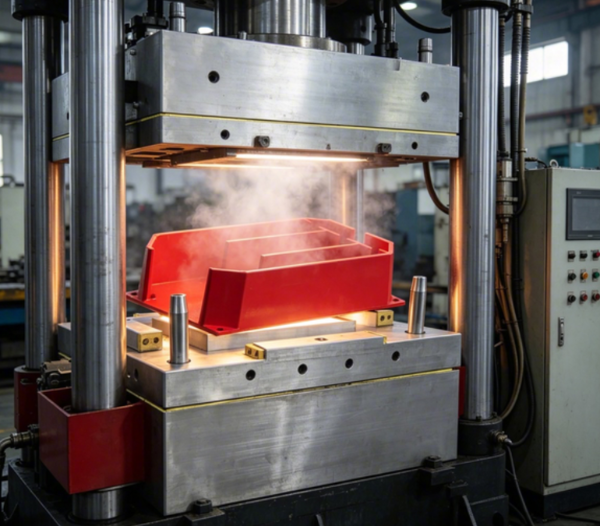
An SMC moulding machine is at the center of this process. It brings together the mould, heating system, pressing movement, and material handling steps. Each part has a clear role. The material must be positioned properly. The mould needs to create the intended shape. Heat helps the material become easier to form and supports the curing process. Pressure brings the material into contact with the mould surface.
The basic idea is easier to understand than it may seem. SMC starts as a prepared sheet. The sheet is cut and arranged according to the product design. It is then placed into a mould. The mould closes, the material moves within the mould cavity, and the part takes shape. As the process continues, the material cures and becomes a solid component.
What Is an SMC Moulding Machine ?
An SMC moulding machine is equipment designed to form sheet molding compound into finished composite parts. Unlike processes where material enters a mould through a narrow opening, SMC is generally prepared as a sheet before it reaches the moulding stage.
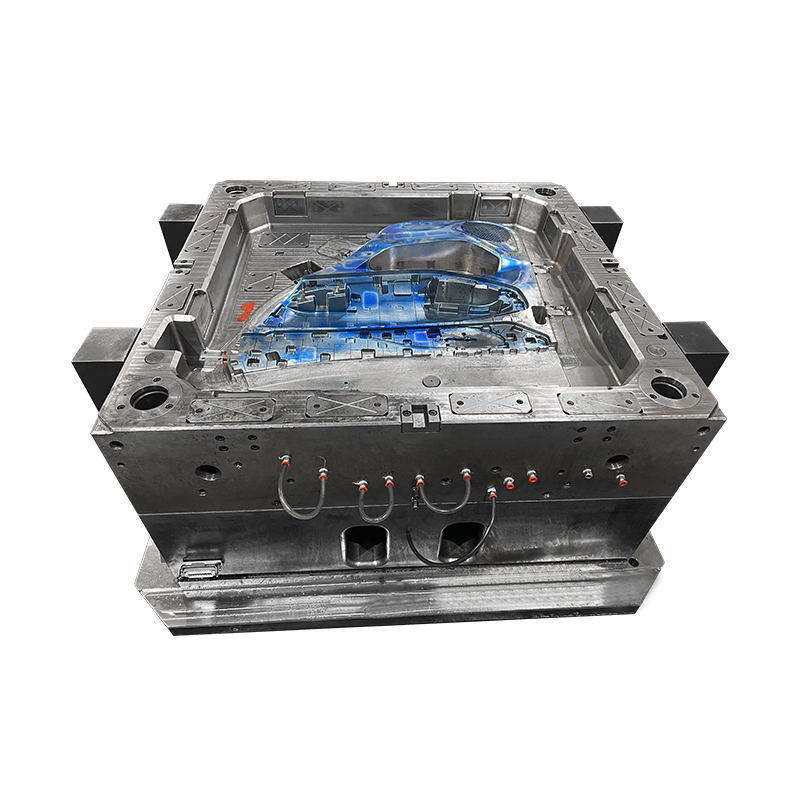
The machine works with a mould that contains the desired product shape. The SMC material is placed inside this mould before the forming stage begins. When the mould closes, pressure causes the material to spread through the available space. Heat then supports the forming and curing process.
This makes the machine more than a simple pressing device. It is part of a coordinated production process. Material placement, mould movement, heating, pressing, curing, and part removal all need to work together.
The machine itself may look relatively straightforward from the outside. Inside the production process, however, each stage affects the next one. A change in material placement can influence how the material spreads. Mould design affects the final shape. Heating affects how the material behaves during forming.
Understanding these relationships helps manufacturers see why SMC moulding is not simply a matter of putting a sheet into a press and closing it.
How Is SMC Material Prepared Before Moulding?
The moulding process starts before the machine closes the mould. SMC is produced as a sheet containing resin and reinforcing fibers. The material is designed to be handled as a prepared molding compound rather than as a loose raw material.
Before moulding, the sheet is normally cut into pieces or layers that suit the intended product. These pieces are often arranged into a material charge. The arrangement can vary according to the shape and size of the finished component.
This preparation stage matters because the material needs to reach the mould in a suitable form. A carefully planned charge can help the compound move through the mould cavity in a controlled way.
The SMC sheet also needs to be in a suitable condition for moulding. During storage and preparation, the material develops the characteristics needed for handling and forming. Once it reaches the moulding stage, it can respond to heat and pressure in a way that allows it to spread and cure.
The overall production flow can be viewed as a series of connected stages:
| Production Stage | Main Role |
|---|---|
| Material preparation | Gets the SMC ready for moulding |
| Cutting and arrangement | Creates a charge suited to the product |
| Material placement | Positions the charge inside the mould |
| Mould closing | Brings the mould surfaces together |
| Material forming | Allows the SMC to spread through the mould |
| Curing | Turns the formed material into a solid part |
| Mould opening | Releases the finished component |
| Part removal | Transfers the product to the next stage |
This sequence is one reason SMC moulding can be used for relatively large composite components. The material arrives at the machine in a form that is already prepared for the forming operation.
What Happens When the SMC Charge Enters the Mould?
Once the SMC charge is positioned, the mould begins to close. The upper and lower mould surfaces move toward each other and gradually surround the material.
At this point, the material is no longer simply sitting in the mould. Pressure and heat change how it behaves. The SMC becomes more capable of flowing and begins to move into the available spaces inside the mould.
The movement is important because the mould cavity may contain curves, edges, openings, and other design features. The material needs to reach these areas before it cures.
The way the charge is placed can influence this movement. If material is concentrated in an unsuitable location, the flow inside the mould may become uneven. If it is arranged with the product shape in mind, the material can spread more naturally as the mould closes.
This is why mould preparation and material preparation are closely connected. The machine controls the pressing action, but the result also depends on how the material enters the mould.
The SMC process is therefore a combination of movement and transformation. The sheet begins as a prepared material. Under heat and pressure, it spreads through the mould. The resin then cures while the material is held in the desired shape.
How Do Heat and Pressure Shape the SMC Part?
Heat and pressure are central to SMC moulding. Each performs a different role, but they work together throughout the forming process.
Pressure brings the mould surfaces together and encourages the material to spread across the cavity. This helps the SMC reach areas that would otherwise remain unfilled.
Heat changes the condition of the resin within the material. As the mould becomes hot, the resin becomes easier to move during the early part of the process. As the cycle continues, the resin cures and the part becomes rigid.
The relationship between heat and pressure is important. Too little movement can leave areas of the mould insufficiently filled. Poor heat distribution can affect how the material behaves in different parts of the cavity. The machine therefore needs to provide a stable environment throughout the forming process.
The mould itself also plays an important role. Its surfaces transfer heat to the material while defining the finished shape. This means that the mould and machine cannot be considered separately.
For manufacturers, this relationship explains why SMC moulding machines are often selected according to the type of components they need to produce. A machine used for a large panel may have different production requirements from one used for a smaller enclosure or structural component.
How Does the Mould Define the Final Shape?
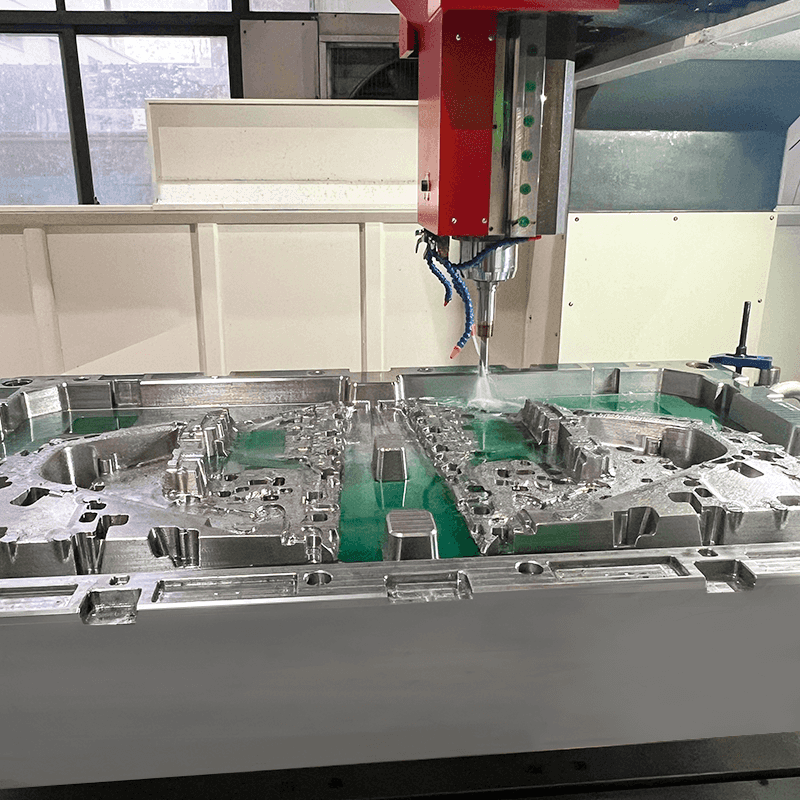
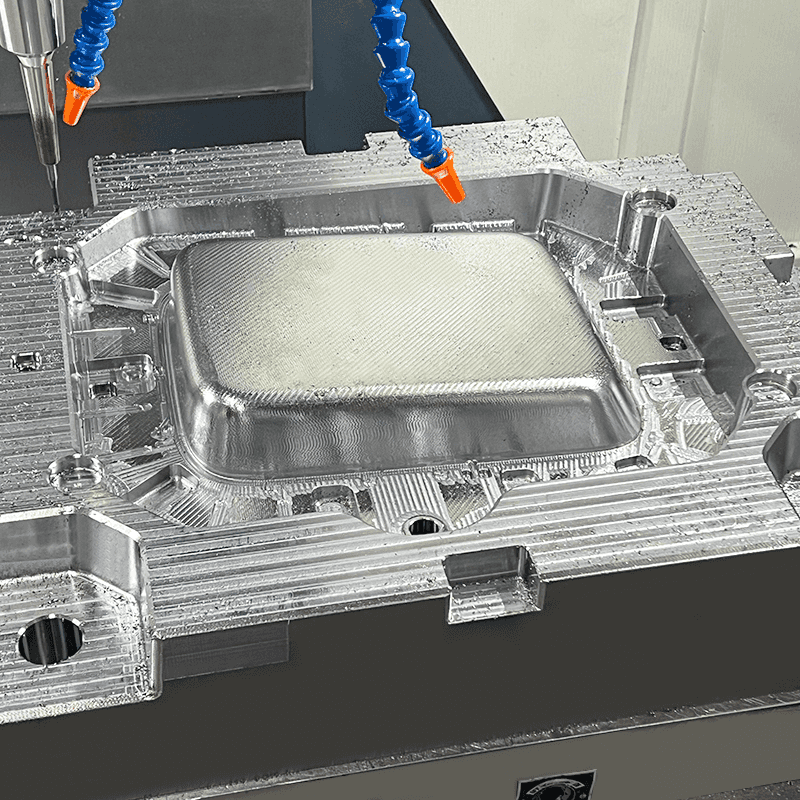
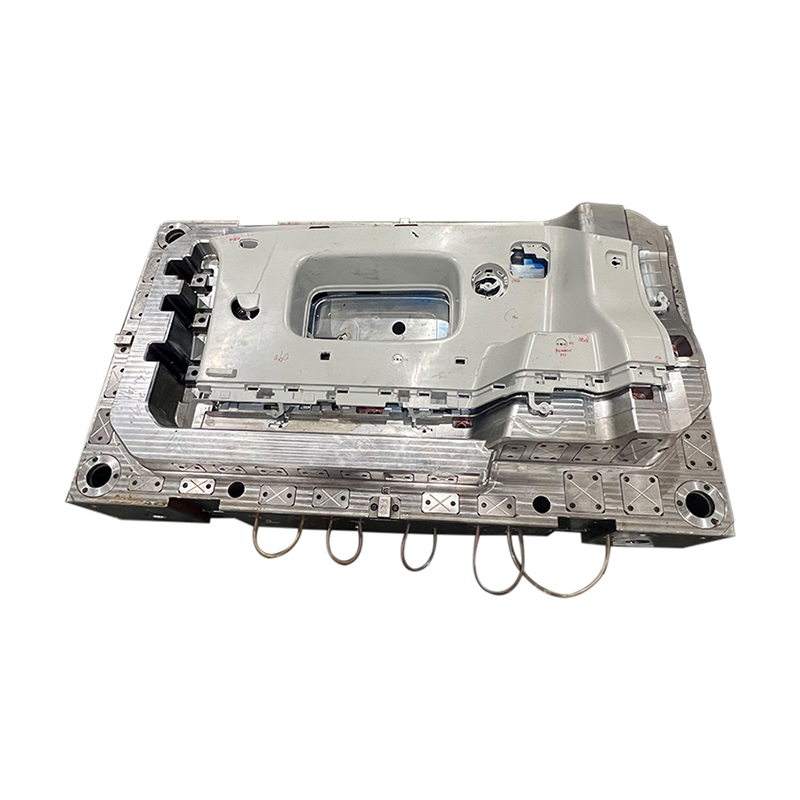
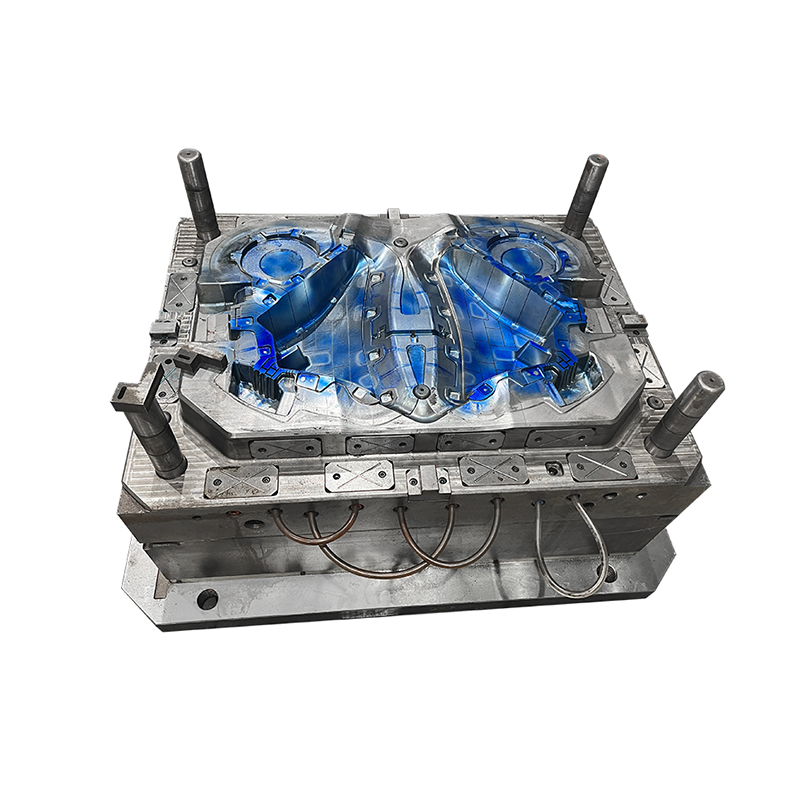
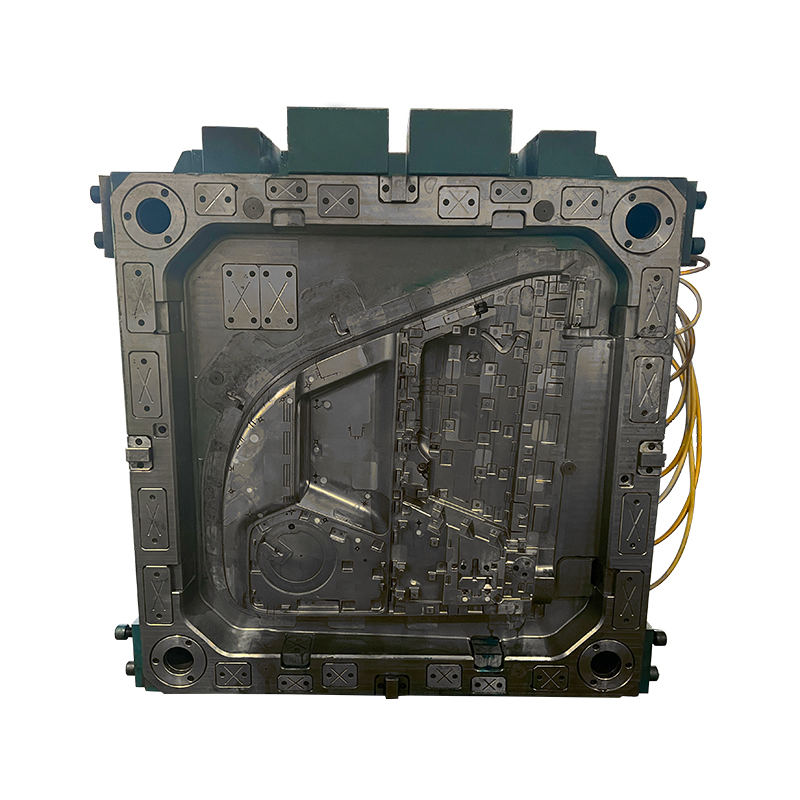
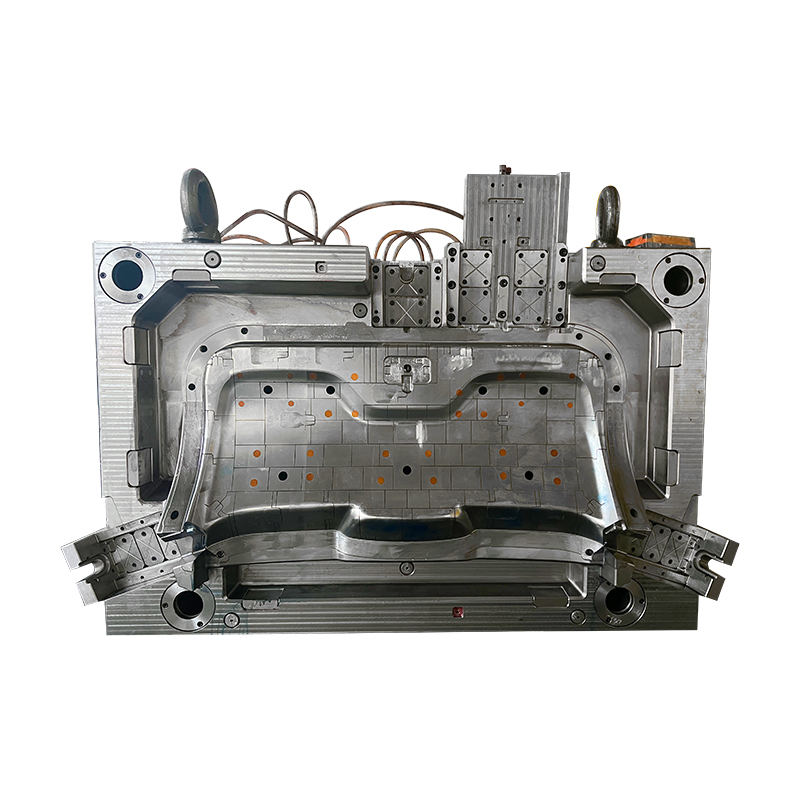
The mould is the part of the process that gives the SMC its final form. It contains the cavity that represents the intended product.
When the machine closes, the SMC is pressed between the mould surfaces. As the material spreads, it fills the available space. The mould therefore determines more than the general outline of the product. It also influences surface details, edges, curves, openings, and other features included in the design.
A suitable mould needs to work with the material and the machine. The material must be able to reach the required areas. The mould must also allow the finished part to be released after curing.
Mould design can become particularly important when a product has a complicated shape. A simple flat component is easier to fill than a design with multiple changes in direction. The placement of the SMC charge may also need to change as the product design changes.
This is one reason SMC production often involves close cooperation between product design, mould design, material preparation, and machine operation.
The final part is not created by the mould alone. It results from the interaction between the mould cavity, SMC charge, heat, and pressing movement.
What Happens During the Curing Stage?
After the SMC has spread through the mould, the material needs to become stable in its new shape. This is where curing takes place.
The mould remains closed while the resin changes from a moldable condition into a solid form. Heat supports this transformation. Once curing is sufficiently developed, the part can retain the shape created by the mould.
Curing is an important part of the process because forming and hardening happen within the same general production sequence. The material must be flexible enough to move when the mould closes, but it also needs to become rigid enough to hold the finished shape.
The machine therefore needs to maintain a suitable moulding environment during this stage. The mould remains in position while the material changes.
Different SMC materials may behave differently during production. Their formulation, reinforcement, and intended application can influence how they respond during moulding. This means that manufacturers normally consider the material and product together rather than treating the machine as an isolated piece of equipment.
The result of successful curing is a molded composite component that can move to the next production stage. Depending on the product, that stage may involve trimming, inspection, assembly, finishing, or another operation.
How Is the Finished SMC Part Removed?
Once the material has cured sufficiently, the mould opens. The two mould surfaces move apart and expose the newly formed component.
Part removal may seem like a simple step, but it is closely connected to mould design. The finished component needs to separate from the mould without unnecessary damage. Features such as edges, recesses, and curved surfaces can affect how easily a part can be released.
After removal, the component may require additional processing. Excess material around the edges can be trimmed. Openings may need to be finished. The surface may also receive additional treatment depending on the product.
The important point is that the SMC moulding machine does not necessarily complete every operation required for a finished commercial product. Its main task is to transform the prepared SMC charge into a molded component.
A well-organized production line can connect the moulding stage with the operations that follow it. This helps manufacturers move from raw sheet material to finished components without unnecessary handling.
The basic production flow can therefore be understood as:
- Prepare the SMC material.
- Cut and arrange the material.
- Place the charge into the mould.
- Close the mould.
- Apply heat and pressure.
- Allow the material to form and cure.
- Open the mould.
- Remove the molded part.
- Carry out any required finishing work.
Each step has a clear purpose. Problems in one stage can affect the stages that follow.
What Types of Products Can an SMC Moulding Machine Produce?
SMC moulding machines are used for many types of composite components. The material is suitable for products that need a molded shape combined with the characteristics of reinforced resin-based materials.
Automotive components are one area where SMC has been used for body panels and other parts. Electrical applications are another important area, including enclosures and cabinets. SMC can also be considered for equipment housings, covers, structural components, and other molded products.
The range of possible products is connected to mould design. A machine does not create different products simply by changing a setting. Each product normally requires a mould that reflects its intended shape.
This gives manufacturers room to develop different product families around a common production method. The same basic SMC moulding principle can be applied to products with different outlines, surfaces, and functions.
| Product Area | Possible SMC Moulding Application |
|---|---|
| Automotive | Body panels, covers, and other molded components |
| Electrical | Enclosures, cabinets, and protective housings |
| Industrial equipment | Covers, housings, and structural components |
| Infrastructure | Molded panels and selected structural products |
| Consumer products | Shaped housings and protective components |
| Equipment components | Covers, panels, and formed composite parts |
The suitability of SMC depends on the product design and material requirements. Manufacturers normally consider the desired shape, surface, use environment, and production process before deciding whether SMC moulding is appropriate.
What Should Manufacturers Consider When Using an SMC Moulding Machine?
Understanding how an SMC moulding machine works also makes it easier to see what affects production.
The machine is only one part of the system. Material condition, charge placement, mould design, heating, pressing, curing, and part removal all contribute to the finished result.
Manufacturers may therefore review several areas when planning an SMC production process:
- Material preparation: The SMC needs to be suitable for handling and moulding.
- Charge arrangement: The material should be positioned with the final product shape in mind.
- Mould design: The cavity should support the intended part shape and release process.
- Heating: Heat needs to support material movement and curing.
- Pressing movement: The mould should close in a controlled manner so the material can spread through the cavity.
- Curing: The material needs enough time and suitable conditions to become stable.
- Part removal: The mould should allow the finished component to leave without unnecessary damage.
- Post-mould processing: Trimming, inspection, assembly, or finishing may follow the moulding stage.
These areas are closely connected. A change in product design can affect the mould. A mould change can affect material placement. A change in material can influence how the material moves during pressing.
SMC moulding works best when these elements are considered as one production system rather than as separate tasks. The machine provides the controlled forming environment, while the material and mould determine how that environment is used to create the finished component.