ENG
ENG  English
 Español
 Português
 عربى
عربى 中文简体
中文简体Material waste has become a practical concern across many manufacturing industries. When a product is formed from composite material, every unused piece can affect how efficiently the material is used. This has encouraged manufacturers to look more closely at production methods that can make better use of the material placed into a mold.

SMC Compression Molding is attracting attention in this discussion. The process uses sheet molding compound that can be shaped into finished parts through compression. Its ability to form relatively complex shapes in one production step can influence how manufacturers plan material use, part design, and production flow.
Waste reduction is not simply about using less material. It also involves understanding where waste comes from. Unused edges, rejected parts, unnecessary trimming, handling losses, and poor design decisions can all contribute to material consumption. A well-planned molding process can address some of these issues before production begins.
For manufacturers, the more useful question may not be whether Compression Molding eliminates waste. It cannot. The question is whether the process can provide opportunities to manage material more carefully while maintaining the intended shape and function of the finished product.
How Does SMC Compression Molding Influence Material Use?
The relationship between molding and material use starts with product design. A part that is designed without considering how it will be formed may require additional material or create more trimming work after molding. A design that works with the characteristics of compression molding can make the production process more straightforward.
SMC is supplied in sheet form, which gives manufacturers a defined material format before it enters the molding stage. The material can be prepared according to the shape and requirements of the intended part. This creates an opportunity to think about material placement before the actual forming process takes place.
The molding operation can also produce a finished shape without relying on extensive cutting after the part has been formed. When the design and material preparation are well matched, manufacturers may have fewer unwanted sections to remove from the finished component.
That does not mean every Compression Molding project automatically produces less waste. Poor planning can still result in unused material, defects, or additional processing. Waste reduction depends on how material selection, product design, mold planning, and production practices work together.
What Types of Waste Can Manufacturers Address?
Material waste can appear in different forms, and not all of it comes directly from the molding stage. Some waste is created before the material enters the mold. Other losses occur when a finished part requires correction, trimming, or rejection.
Manufacturers looking at Compression Molding may therefore need to consider the entire production path rather than focusing on one operation. A reduction in one type of waste can have limited value if another stage continues to create unnecessary material loss.
Common areas to examine include:
Unused material: Material left over after preparation may not always be suitable for the next production cycle.
Excess trimming: A design that requires substantial cutting after molding can create additional scrap.
Rejected parts: Defects can turn otherwise usable material into waste.
Trial production: New product development may require repeated adjustments before the desired result is achieved.
Handling losses: Material can be affected by poor storage or unnecessary handling before molding.
Design changes: Late modifications may make previously prepared material unsuitable for the revised part.
Production interruptions: Changes in production flow can leave prepared material unused.
Packaging and movement: Improper handling during internal transportation can also contribute to material loss.
Looking at these areas can help manufacturers understand where material is actually being consumed. It also prevents the idea of waste reduction from becoming limited to the molding machine itself.
Can Better Part Design Reduce Unnecessary Material?
Part design has a close relationship with material efficiency. A shape that is difficult to form may require more material preparation, additional trimming, or extra processing. A more considered design can make it easier to form the desired geometry while reducing unnecessary material use.
Molding can support designs where several functional features are incorporated into one molded component. This may reduce the need to manufacture separate pieces and join them later. Fewer individual components can mean fewer opportunities for cutting, fitting, and handling losses.
The design stage is also where manufacturers can consider whether every part of the product needs the same material structure. Some areas may have different functional requirements from others. Understanding these differences can help designers avoid adding material simply because it is convenient during development.
This is where cooperation between designers, engineers, mold makers, and production teams becomes important. A design that looks suitable on a screen may behave differently during actual production. Early communication can identify potential waste sources before they become routine production problems.
For manufacturers, several design questions can be useful:
Does the shape match the molding process?
A compatible shape can reduce unnecessary cutting and adjustment.
Can several functions be combined into one molded part?
Integration may reduce the number of separate components needed.
Are there areas where material is being used without a clear purpose?
Reviewing the function of each section can reveal opportunities for more efficient design.
Can trimming be reduced through better mold planning?
The relationship between the part and mold can affect how much unwanted material remains.
Has the design been discussed with the production team?
Manufacturing feedback can reveal practical issues that are difficult to identify during design work alone.
These questions shift attention from material consumption at the factory floor to decisions made much earlier in the product development process.
Where Can SMC Compression Molding Help Manufacturers Manage Waste?
The potential benefits of Compression Molding are not limited to one industry. Different sectors use molded composite components for different reasons, and each application can create its own material challenges.
Automotive components are a familiar application area, but manufacturers also use composite molding approaches for electrical products, infrastructure-related components, equipment housings, transportation parts, and other industrial products.
| Application Area | Potential Waste Concern | How SMC Compression Molding May Help |
|---|---|---|
| Automotive Components | Complex parts may require several manufacturing stages | Supports integrated molded shapes that can reduce separate component processing |
| Electrical Enclosures | Cutting and assembly may create additional material loss | Can form enclosure structures as molded components |
| Equipment Housings | Separate panels may require joining and finishing | Allows multiple design features to be incorporated into one part |
| Transportation Components | Large components can create significant preparation requirements | Provides an approach for forming broad composite structures |
| Infrastructure Products | Repeated shaping and finishing can generate scrap | Supports consistent production of molded forms |
| Industrial Covers | Extra trimming may be required when shapes are not well planned | Encourages closer coordination between part design and mold design |
| Structural Components | Material may be used inefficiently in conventional designs | Allows designers to consider material placement during product development |
| Custom Composite Parts | Small production changes can create unused material | Flexible planning can help align material preparation with individual designs |
The actual result will depend on the product and manufacturing conditions. A molding process cannot make unsuitable designs efficient by itself. The greatest opportunity often appears when the material, mold, and product shape are considered together.
This is particularly relevant when manufacturers move from development into regular production. A small source of waste may seem insignificant during early trials but become more noticeable when the same issue is repeated throughout ongoing manufacturing.
How Does Mold Planning Affect Material Waste?
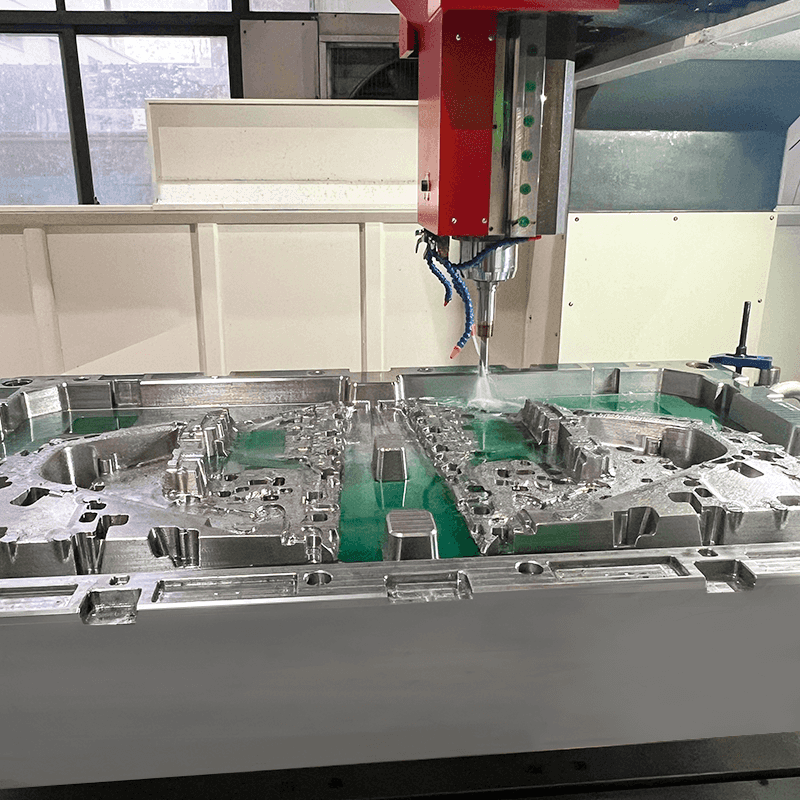
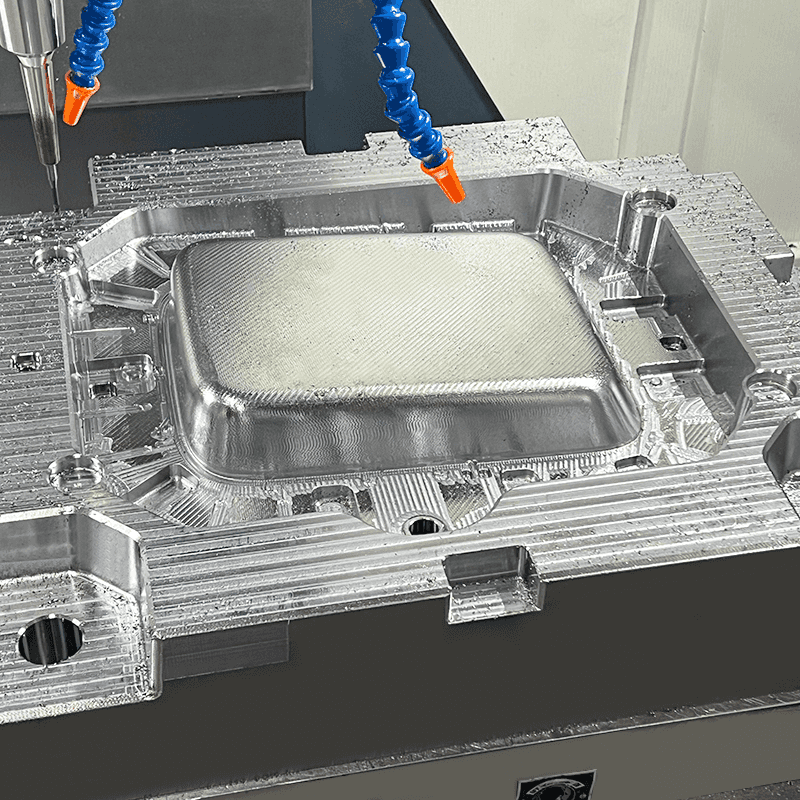
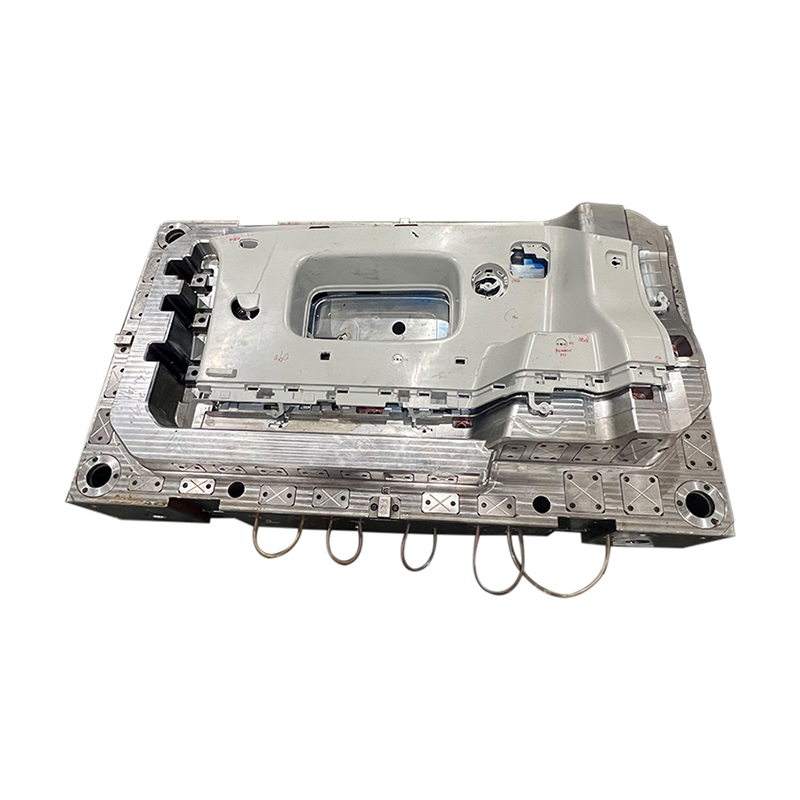
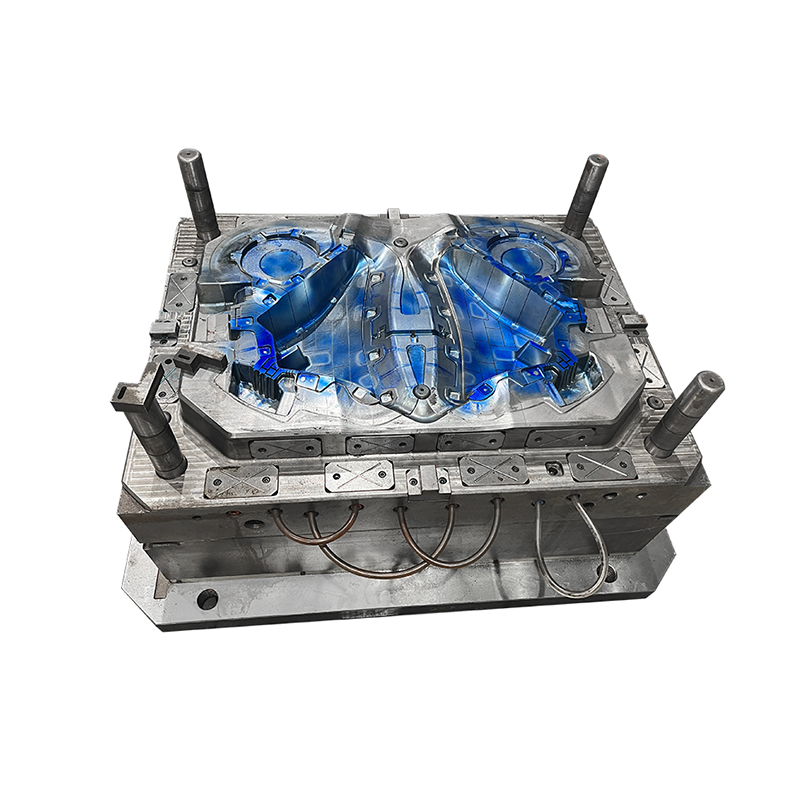
The mold is closely connected to material efficiency because it determines how the prepared material is transformed into the final shape. If the mold and product design are not well matched, manufacturers may need additional trimming or correction after molding.
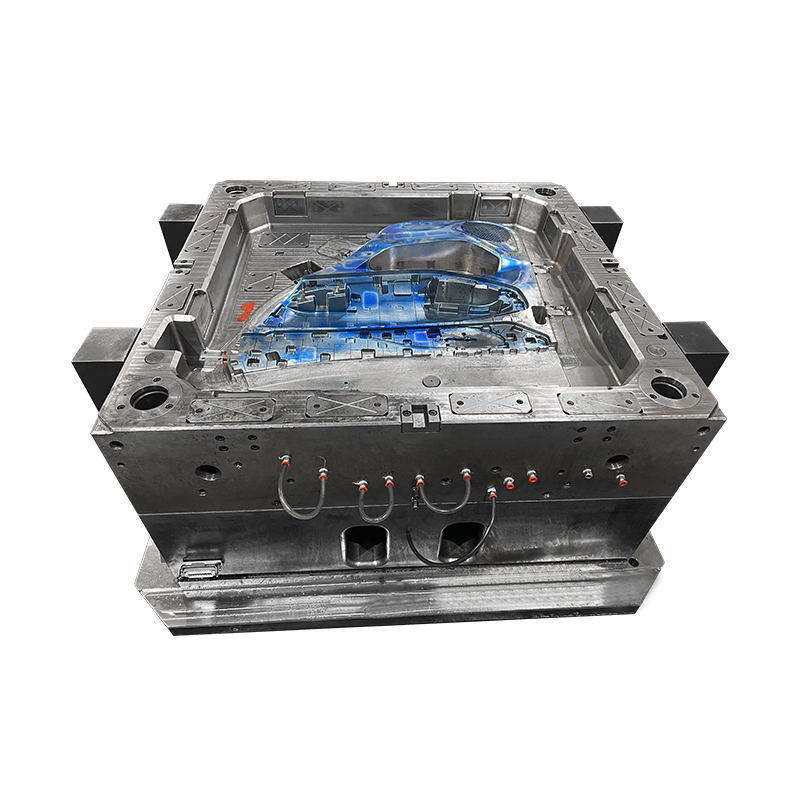
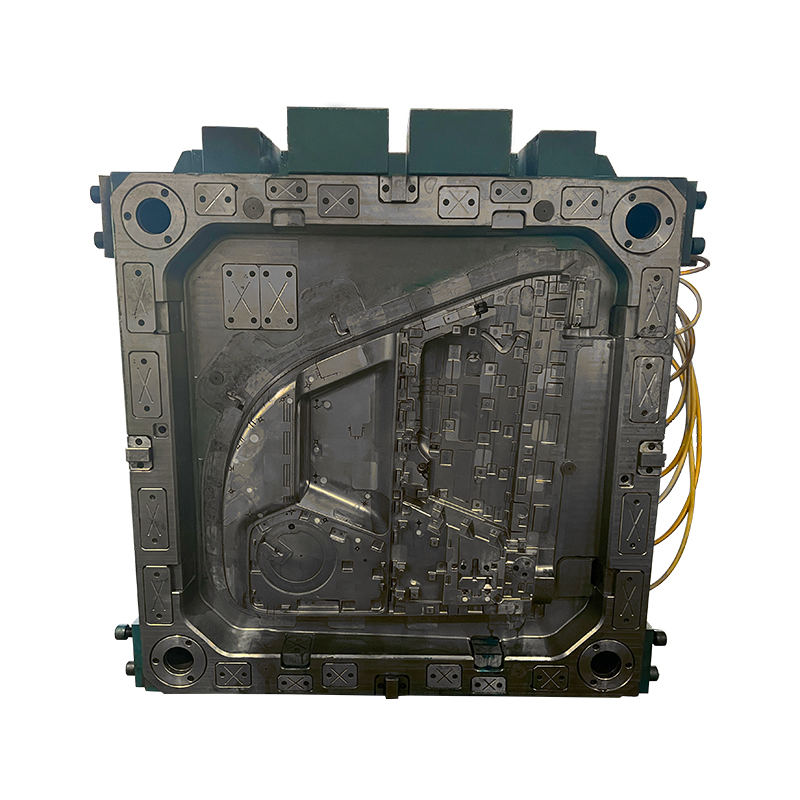
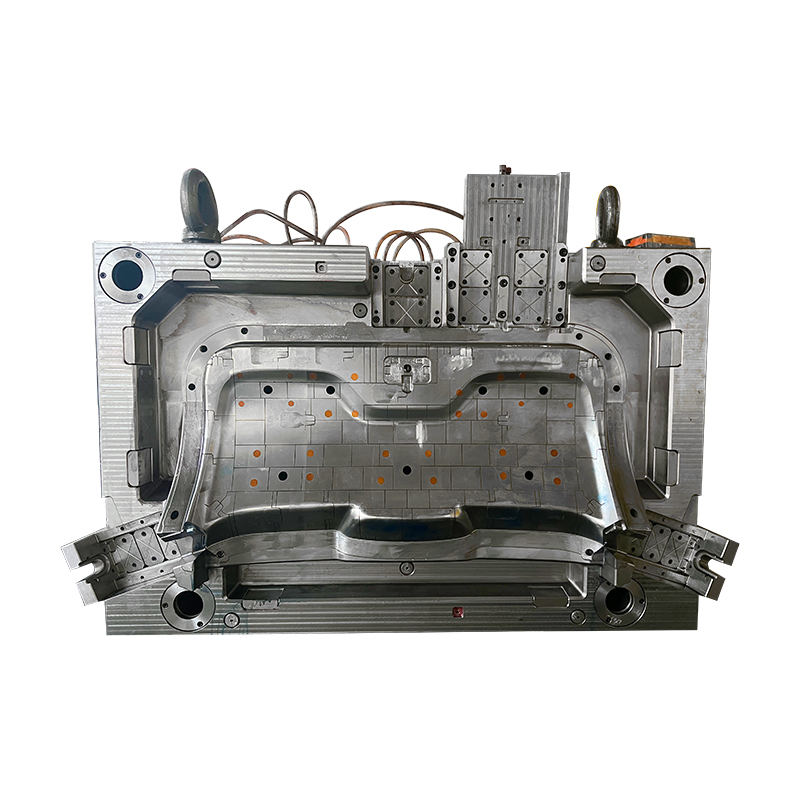
Good mold planning begins with an understanding of the finished part. Designers need to consider where the material should form, which areas require particular attention, and how the finished component will be removed from the mold.
A practical mold design can also help reduce unnecessary secondary work. When a component leaves the molding stage closer to its intended form, there may be less need for additional cutting or modification.
This is one reason manufacturers often treat mold development as part of the wider production strategy rather than as a separate purchasing decision. A mold is not simply a tool for shaping material. It can influence how much material is needed, how much is removed, and how many additional steps are required afterward.
The relationship can be viewed through several stages:
- Product design: Defines the required shape and functional areas.
- Material preparation: Determines how the sheet material is arranged for molding.
- Mold design: Provides the intended form for the material.
- Compression molding: Creates the main component.
- Finishing: Removes unwanted sections or addresses specific surface requirements.
- Inspection: Identifies parts that may need correction or rejection.
Each stage can affect the next. Waste reduction is more realistic when manufacturers review the complete chain rather than optimizing one stage in isolation.
Can SMC Compression Molding Reduce the Need for Secondary Processing?
Secondary processing is not always avoidable. Some molded components still require trimming, drilling, surface treatment, assembly, or other follow-up work. However, product integration can sometimes reduce the amount of additional processing required.
Compression Molding can form several features into one component. This may reduce the need to manufacture separate pieces and join them together later. Fewer individual operations can create fewer points where material may be lost.
The benefit is not only related to scrap. Every additional operation requires handling, equipment, labor, and time. When a design can be produced closer to its final form, the overall production route may become easier to manage.
Manufacturers should still evaluate each application separately. Adding too many features to a molded part can make production more complicated rather than simpler. The goal is not to force every function into one component. It is to identify where integration makes practical sense.
This approach can be particularly useful for products where several parts currently need to be cut, shaped, and assembled. A molded composite solution may offer another way to organize the production process.
Why Does Material Planning Matter Before Production Starts?
Waste reduction often begins before the manufacturing equipment is switched on. Decisions about material selection, product design, production volume, and mold preparation can all influence how much material is eventually used.
For Molding, material planning is especially relevant because the sheet material needs to be prepared before it is compressed into the mold. Poor coordination can leave material unused or require changes that make earlier preparation unsuitable.
Manufacturers can create a clearer planning process by connecting purchasing, design, mold development, and production teams. When these departments work separately, changes in one area may create waste in another.
A product redesign is a simple example. If the shape changes after material has already been prepared, some of that material may no longer fit the revised production plan. Better communication can reduce this type of avoidable loss.
Material planning can therefore include:
- Reviewing product designs before material preparation begins.
- Matching material preparation with the intended production schedule.
- Considering possible design changes during development.
- Checking whether leftover material can be used in another suitable application.
- Monitoring recurring causes of rejected parts.
- Reviewing trimming requirements after production begins.
- Communicating changes between design, purchasing, mold development, and production teams.
These practices do not depend on one particular molding process. They are part of broader manufacturing management. Compression Molding simply gives manufacturers another production route in which these decisions can be considered together.
Could SMC Compression Molding Support a More Resource-Conscious Manufacturing Approach?
Manufacturers are increasingly looking at resource use as part of everyday production planning. The focus is not only on the amount of material purchased. It also includes how effectively that material becomes a usable product.
Compression Molding can fit into this approach when manufacturers pay attention to product integration, material preparation, mold planning, and secondary processing. Its value comes from the relationship between these elements rather than from the molding process alone.
The approach can also encourage manufacturers to rethink older production habits. A component that has traditionally been produced through several separate steps may be worth reviewing. There may be opportunities to combine functions, simplify assembly, or change the way material is prepared.
At the same time, waste reduction should remain realistic. Not every product is suitable for Molding, and not every molding project will use material more efficiently than another production method. Product requirements, design complexity, production needs, and material characteristics all influence the outcome.
For manufacturers exploring the process, the more useful questions may include whether the product can be redesigned for molding, whether several components can be integrated, whether secondary processing can be reduced, and where material is currently being lost during production.
These questions place material efficiency within the wider manufacturing process. They also show why SMC Compression Molding is being considered not only as a way to form composite parts, but as one option for rethinking how materials move from raw sheet to finished product.