ENG
ENG  English
 Español
 Português
 عربى
عربى 中文简体
中文简体SMC Injection Molding is a term that often appears in discussions about composite manufacturing. Yet the phrase can create some confusion because SMC, or Sheet Molding Compound, is more commonly associated with compression molding than conventional thermoplastic injection molding.
That distinction matters when manufacturers discuss production methods.
SMC is a composite material made from a resin system, reinforcement, and other supporting ingredients. It is supplied in a sheet-like form and can be shaped into finished components through a controlled molding process.
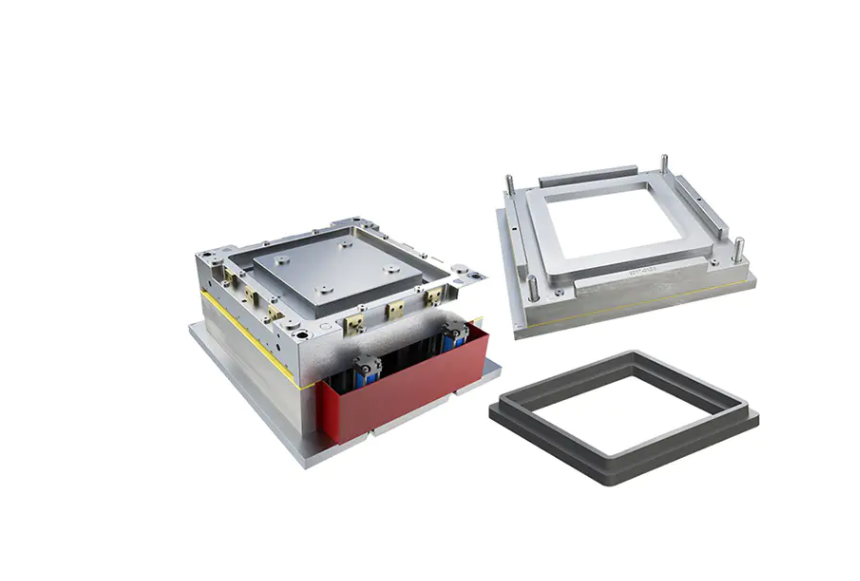
The appeal of SMC comes from the combination of material characteristics and manufacturing flexibility. It can be used to create parts with useful structural properties, consistent shapes, and integrated design features.
Today, SMC molding is associated with a range of industries. Automotive components, electrical products, construction elements, transportation parts, and industrial equipment can all involve SMC-based components.
For manufacturers, the interesting question is not simply what SMC is. It is how the material, mold, product design, and production process work together.
What Does SMC Injection Molding Actually Mean?
SMC stands for Sheet Molding Compound.
The material is prepared as a sheet rather than supplied in the same form as many conventional thermoplastic molding materials. It typically contains a resin system, reinforcement fibers, and other ingredients that help create the desired material characteristics.
During manufacturing, the SMC material is placed into a mold and formed under controlled conditions.
This is why the term "SMC Injection Molding" needs to be used carefully.
Traditional injection molding normally involves a material being fed into a mold through an injection process. SMC production is generally associated with compression molding, where prepared SMC material is placed into the mold and shaped through pressure and heat.
For this reason, many industry discussions use SMC molding or SMC compression molding when describing the process.
The important point is that SMC manufacturing is different from conventional thermoplastic injection molding.
| Aspect | SMC Molding | Conventional Plastic Injection Molding |
|---|---|---|
| Material Form | Sheet-like composite material | Plastic material prepared for injection |
| Material Type | Composite material | Commonly thermoplastic material |
| Molding Approach | Material is shaped inside a mold | Material is injected into a mold |
| Reinforcement | Can contain reinforcing fibers | Depends on the material |
| Typical Product Focus | Composite components | A wide range of plastic products |
The exact production approach depends on the material and product requirements.
This distinction helps manufacturers choose the right terminology and evaluate the right production method.
How Is SMC Material Used in Manufacturing?
SMC material is designed to become a finished component through molding.
The process starts with the preparation of the compound. The resin and reinforcement are combined with other ingredients to create a sheet-like material.
The prepared material can then be stored and transported before production.
When manufacturing begins, the material is prepared for the selected mold.
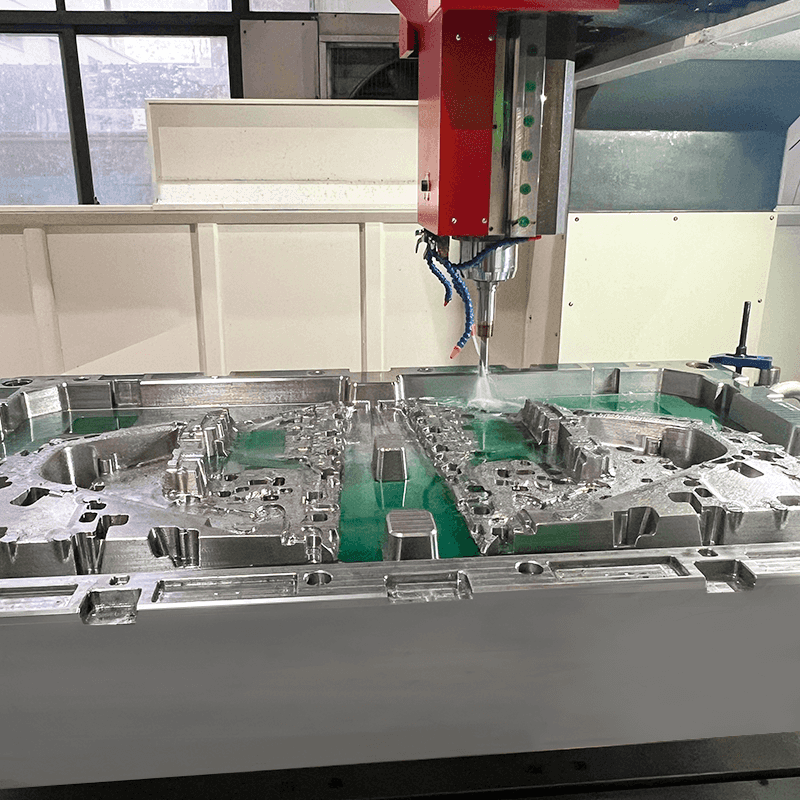
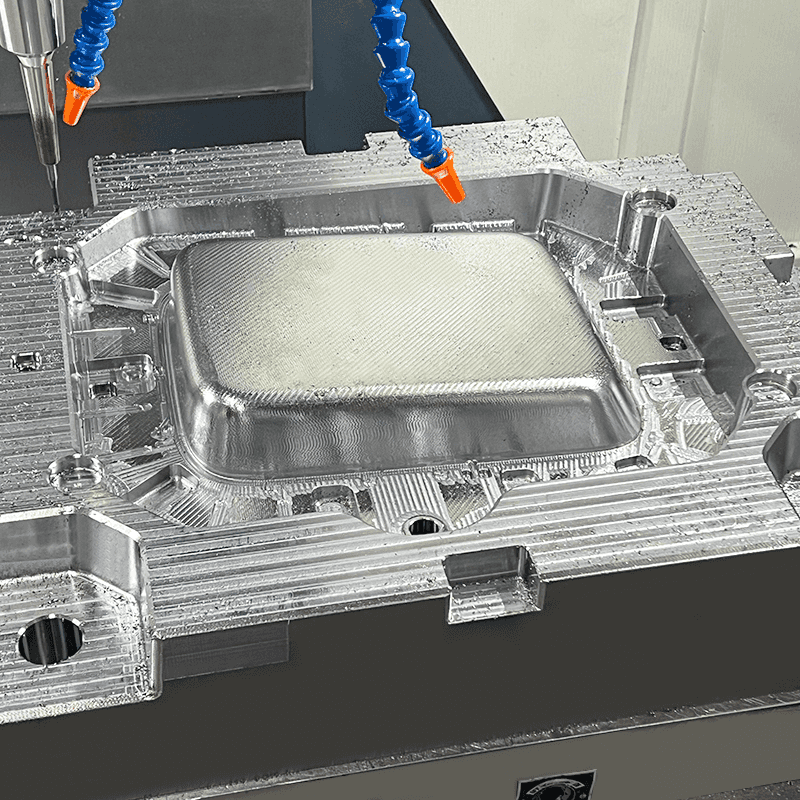
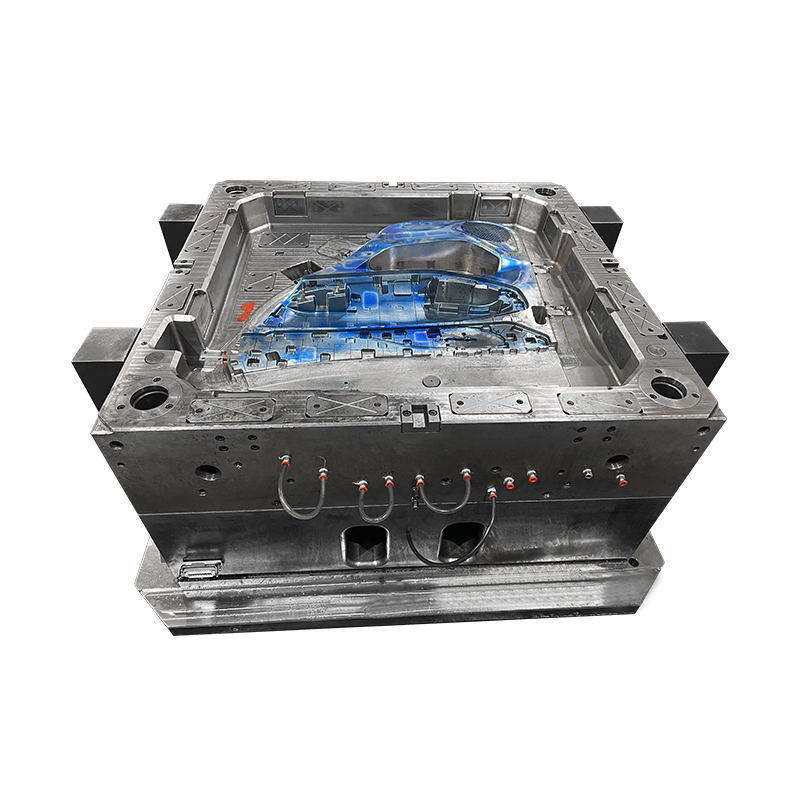
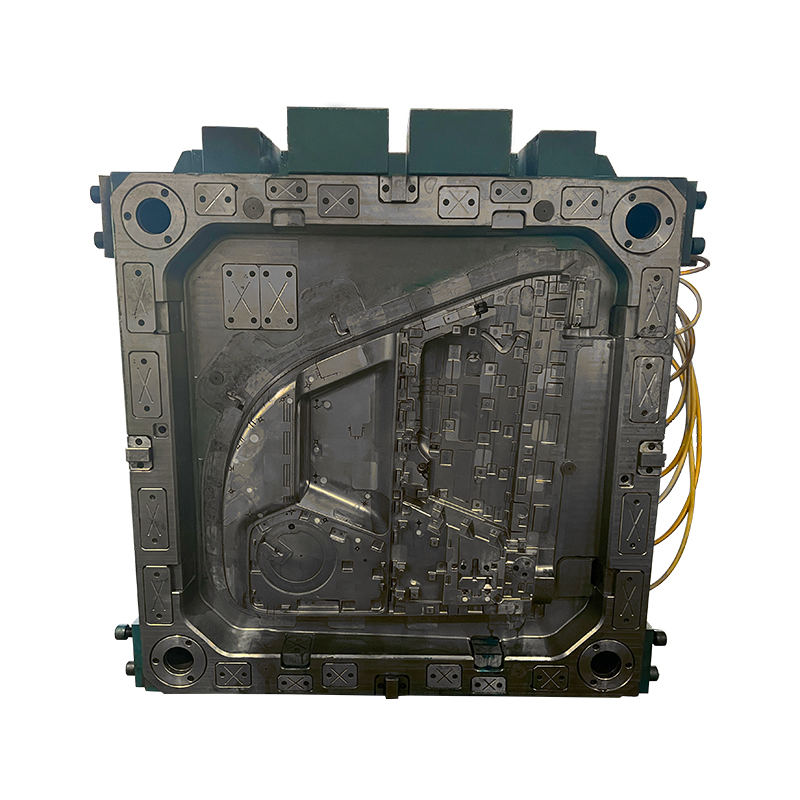
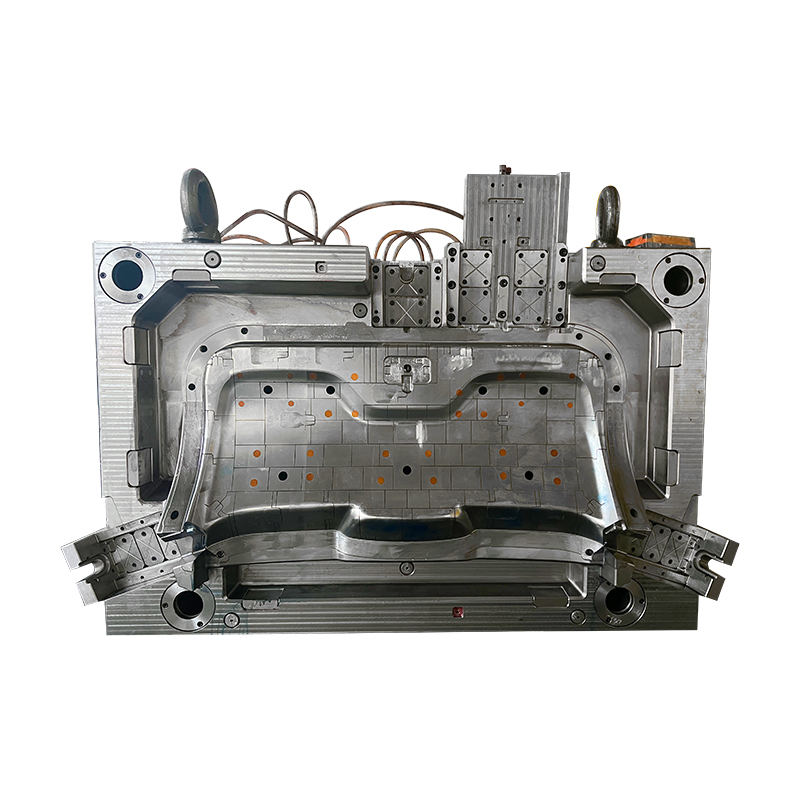
The mold determines the basic shape of the finished product. It can also incorporate areas for openings, edges, mounting points, or other design elements.
Once the material is positioned, controlled pressure and heat help shape it.
The material gradually takes the form of the mold.
This creates an interesting connection between material preparation and product design.
A product cannot be viewed separately from its manufacturing process. Its shape, thickness distribution, surface requirements, and integrated features can influence how the mold and material need to work together.
This is one reason SMC manufacturing often begins with product planning rather than simply selecting a material.
Why Is Mold Design Important in SMC Manufacturing?
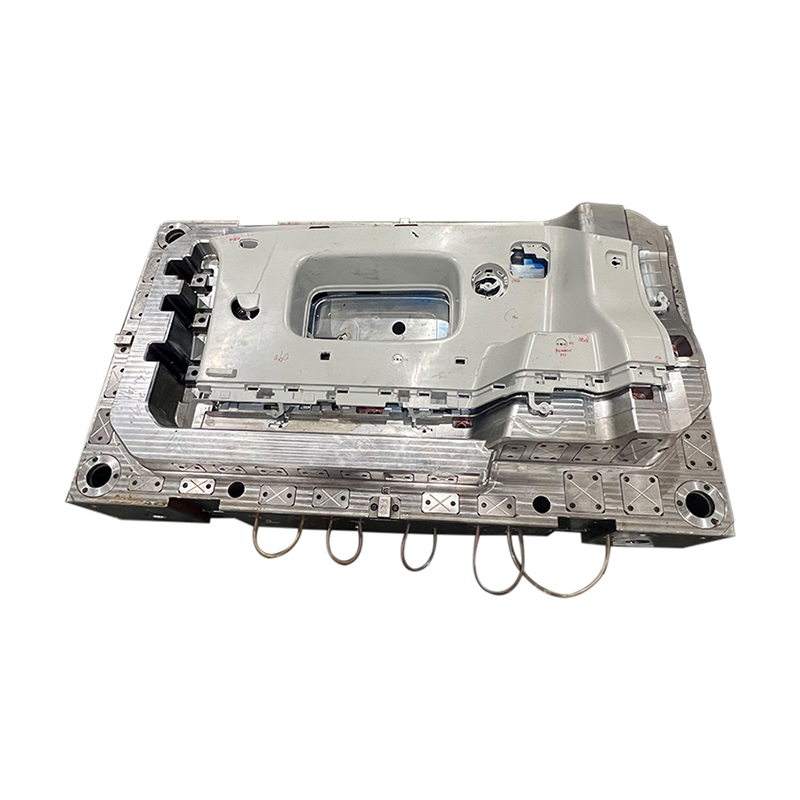
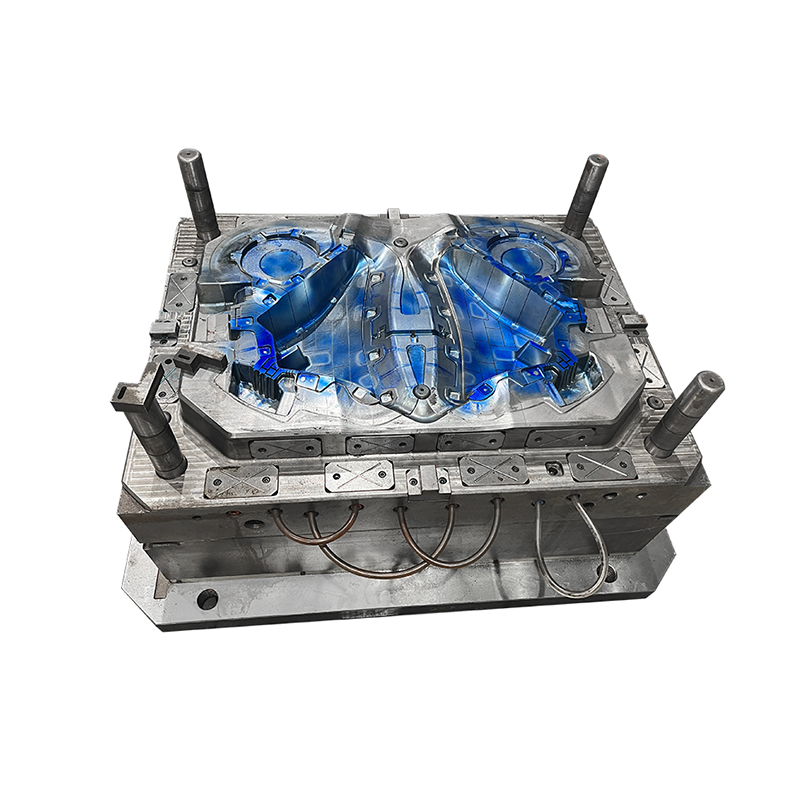
The mold is central to the SMC process.
It defines the shape of the finished component and influences how the material is formed.
A well-planned mold needs to match the product design and the behavior of the SMC material.
This can become more important when the component includes curves, openings, ribs, mounting areas, or other structural features.
Manufacturers need to consider how the material will occupy the mold during forming.
Mold design can also influence the appearance of the finished part.
Surface quality, edges, parting areas, and other details can all be considered during mold development.
This creates several important design questions:
- How will the material fit into the mold?
- Does the product shape suit the molding process?
- Where should openings and mounting areas be placed?
- How can the mold support consistent part formation?
- How will the finished part be removed?
- Can the mold support future product changes?
These questions show why SMC manufacturing is more than simply pressing material into a shape.
The mold and material need to be considered together.
Which Products Can Be Made With SMC?
SMC is used across a wide range of applications.
Its combination of composite material characteristics and molding flexibility makes it useful for products where a formed composite structure is appropriate.
The automotive industry is one familiar application area. SMC can be used for selected exterior and structural components where manufacturers want a molded composite solution.
Electrical equipment is another important area.
SMC can be suitable for housings, covers, support components, and other products where electrical insulation and material stability are relevant considerations.
Construction and infrastructure applications can also involve SMC components.
Products may include covers, panels, enclosures, and other formed parts.
Industrial equipment provides another area of use.
Manufacturers may choose SMC when a component needs a molded shape combined with composite material characteristics.
| Industry | Possible SMC Applications |
|---|---|
| Automotive | Body-related and structural components |
| Electrical | Housings, covers, and support parts |
| Construction | Covers, panels, and formed components |
| Transportation | Selected exterior and interior components |
| Industrial Equipment | Enclosures and functional parts |
| Infrastructure | Composite covers and protective components |
The exact application depends on the product requirements.
SMC is not automatically suitable for every component.
Manufacturers normally compare material characteristics, product design, production needs, and cost considerations before making a decision.
How Does SMC Molding Support Complex Product Designs?
Product designers increasingly want to combine several functions into one component.
Instead of using many separate pieces, a molded composite component may allow certain features to be integrated into a single product.
SMC can support this approach.
A mold can be designed around a relatively detailed product shape. Features such as mounting areas, edges, openings, and surface patterns can be incorporated into the design.
This can reduce the need for some secondary operations.
It can also change how a product is assembled.
Consider an equipment housing.
A traditional design may require several pieces to be produced separately and assembled afterward. An SMC-based design may allow more features to be incorporated into one molded component.
This does not mean that every product should be redesigned around SMC.
The benefit depends on the application.
Designers need to consider the complete production process.
A complicated mold can increase manufacturing requirements. A simpler product may not gain much from using a composite molding process.
The right approach is to connect product design with production planning from the beginning.
Can SMC Molding Replace Metal Components?
This is one of the reasons SMC attracts interest from manufacturers.
Some applications that traditionally use metal may be suitable for composite alternatives.
SMC can provide a different combination of weight, corrosion resistance, insulation, design flexibility, and production characteristics.
This can make it attractive when manufacturers are reviewing existing products.
However, replacing metal is not simply a matter of choosing a different material.
The product needs to be redesigned around the characteristics of the composite.
A metal component and an SMC component may have different structural behavior. Their connection methods can also differ.
Manufacturers may need to rethink how the component is supported, assembled, and maintained.
The decision should therefore begin with the application.
| Design Question | Why It Matters |
|---|---|
| What does the component need to do? | Defines the basic product requirements |
| Does the shape suit SMC molding? | Connects product design with manufacturing |
| Is corrosion resistance important? | May influence material selection |
| Are electrical properties relevant? | Can affect the choice of material |
| Can several features be integrated? | May influence the value of molded construction |
| How will the component be assembled? | Helps determine the overall design |
This application-based approach can help manufacturers avoid treating SMC as a simple substitute for metal.
What Role Does SMC Play in Modern Composite Manufacturing?
Composite manufacturing is becoming more closely connected with product development.
Manufacturers are not only asking which material can be used. They are also considering how the material affects product design, production planning, assembly, and maintenance.
SMC fits into this wider discussion because it combines material preparation with a repeatable molding process.
The sheet form gives manufacturers a defined starting point.
The mold then determines the final shape.
This creates a clear connection between material, tooling, and product design.
For manufacturers producing similar parts in larger production runs, this approach can support consistent product formation.
For companies developing new components, the design process can also begin with questions about what the SMC process can achieve.
This creates a two-way relationship.
The material influences the design.
The design also influences the material and mold selection.
That relationship is becoming increasingly important as manufacturers look for alternatives to traditional material and production methods.
How Should Manufacturers Evaluate SMC Molding for a New Product?
The evaluation should begin with the product rather than the molding machine.
Manufacturers can start by defining what the component needs to do.
The next step is to examine the material requirements.
After that, designers can consider whether the product shape is suitable for SMC molding.
The mold should then be considered as part of the complete production plan.
Several areas deserve attention:
Product structure
The shape should be compatible with the molding approach. Complex features may require additional design consideration.
Material requirements
The selected SMC formulation should match the intended application.
Mold development
The mold needs to support the product shape and the expected production process.
Production planning
Manufacturers should consider how material preparation, molding, inspection, finishing, and assembly fit together.
Product consistency
The production process should be designed to create parts with a stable shape and appearance.
Future changes
If the product may be updated later, manufacturers can consider whether the mold and production approach can accommodate those changes.
This approach creates a more complete evaluation.
It also prevents the common mistake of selecting a molding method before understanding the product.
For manufacturers exploring SMC Injection Molding as a search term or production concept, the key issue is understanding the difference between SMC molding and conventional injection molding. SMC is generally associated with sheet-based composite material and compression molding. Its value comes from the relationship between the material, mold, product design, and production process.
As composite manufacturing continues to develop, this relationship gives SMC an interesting role in applications where molded composite components can offer an alternative approach to conventional plastic or metal construction.