ENG
ENG  English
 Español
 Português
 عربى
عربى 中文简体
中文简体The automotive manufacturing industry genuinely depends on a ton of small and large production steps all working together seamlessly. Among them, mold making genuinely plays a huge role creating engine-related components with consistent shapes and repeatable production processes.
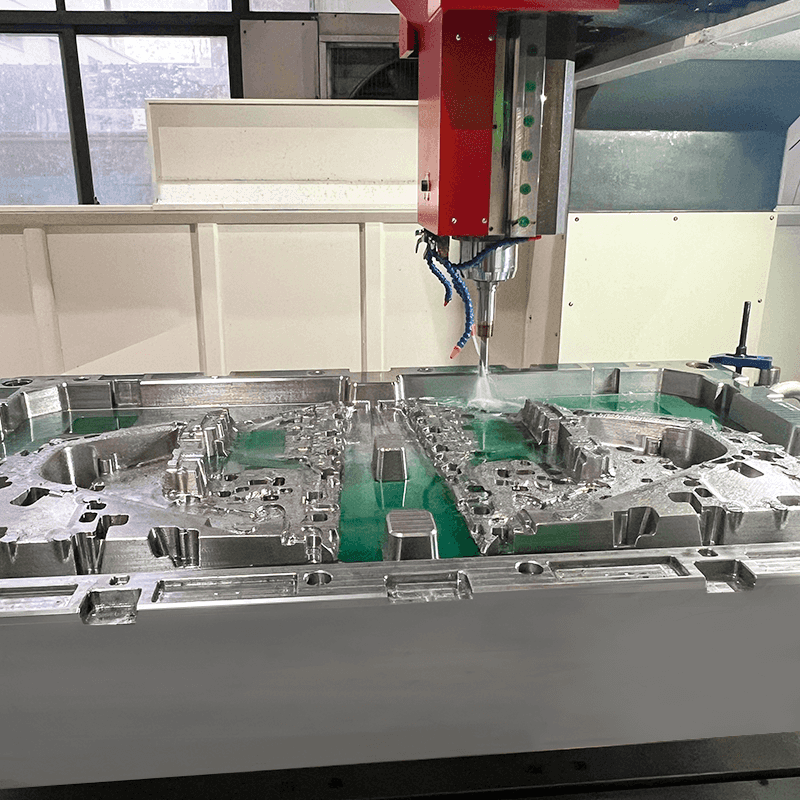
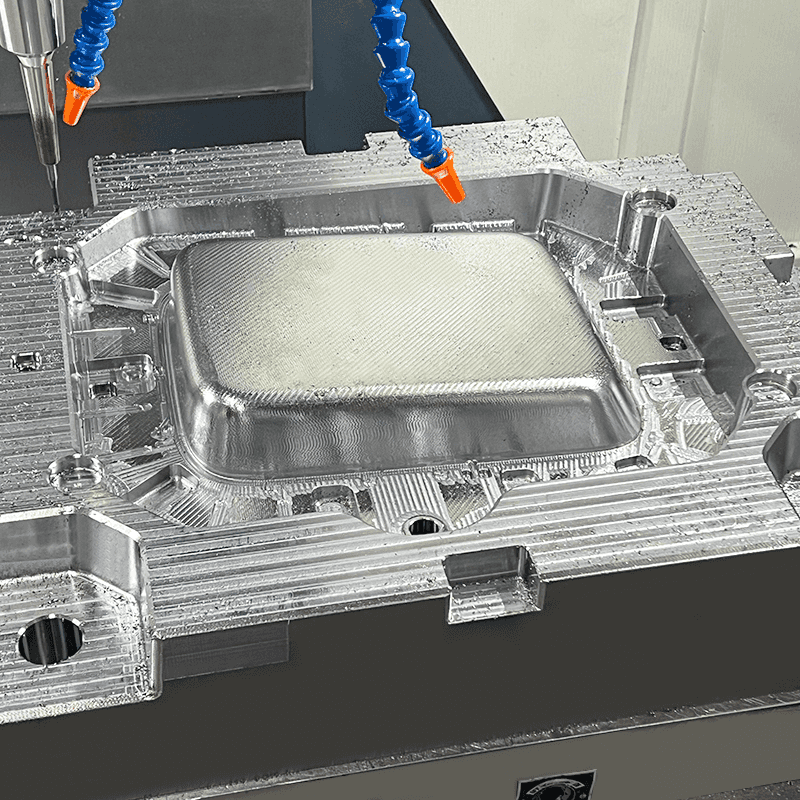
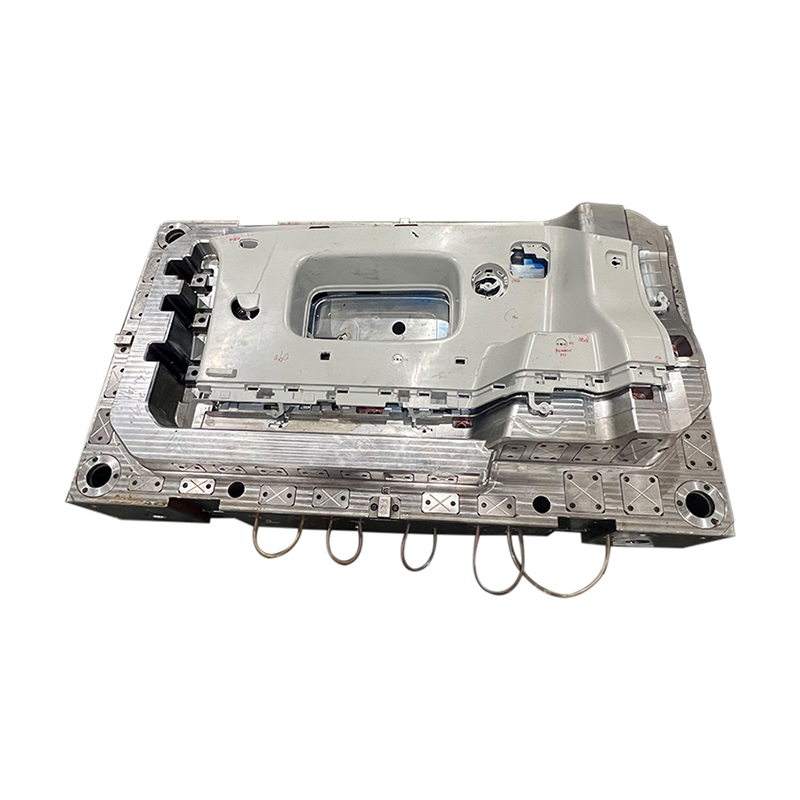
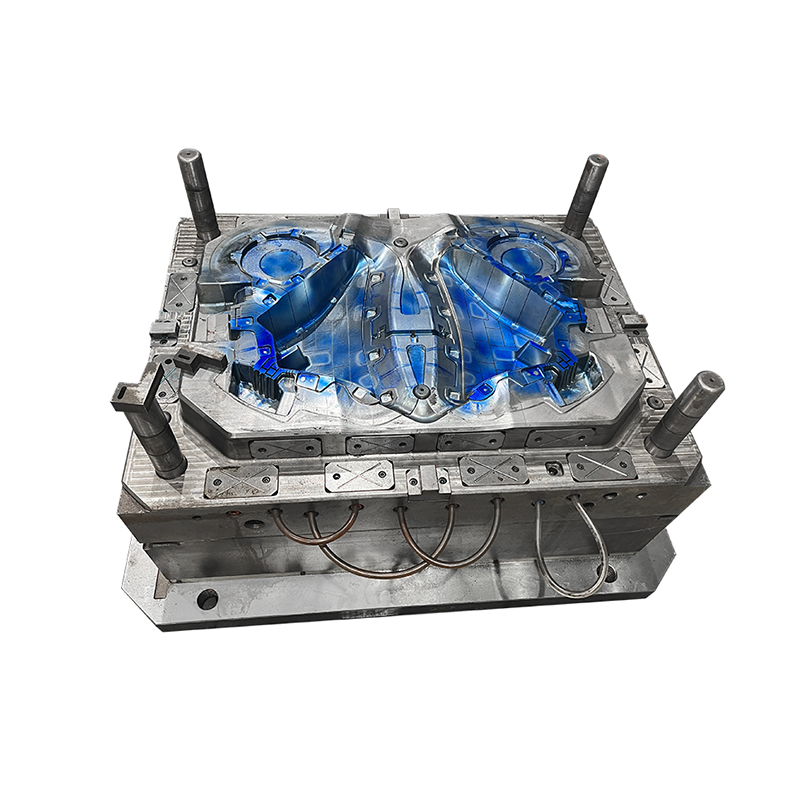
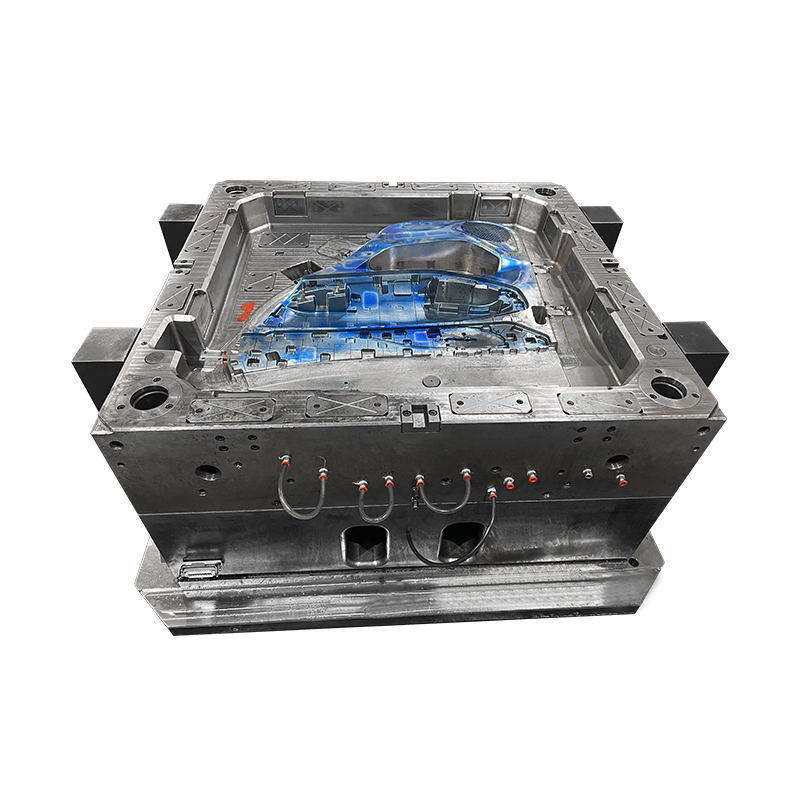
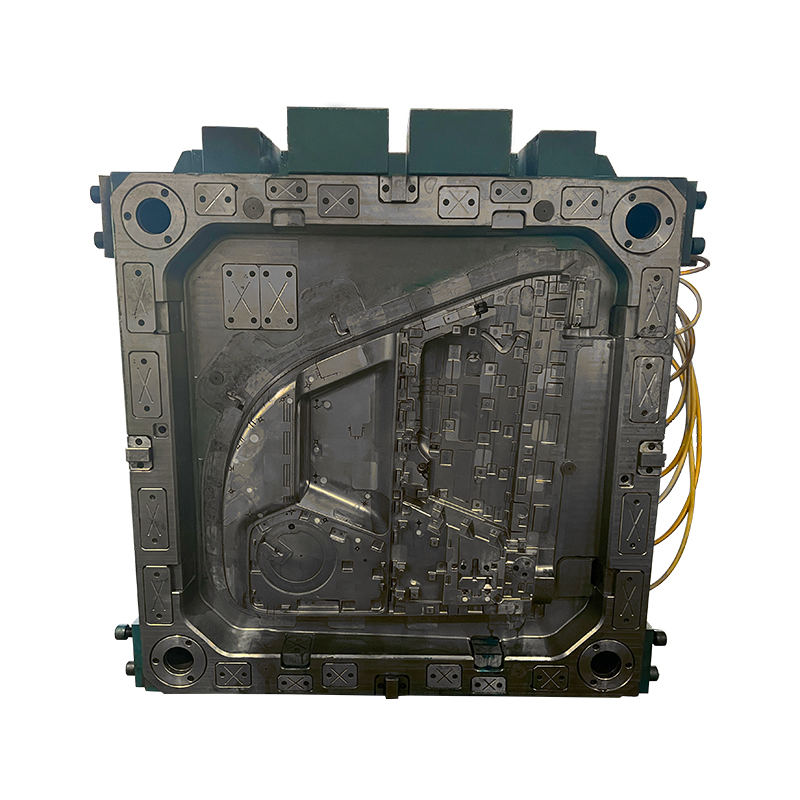
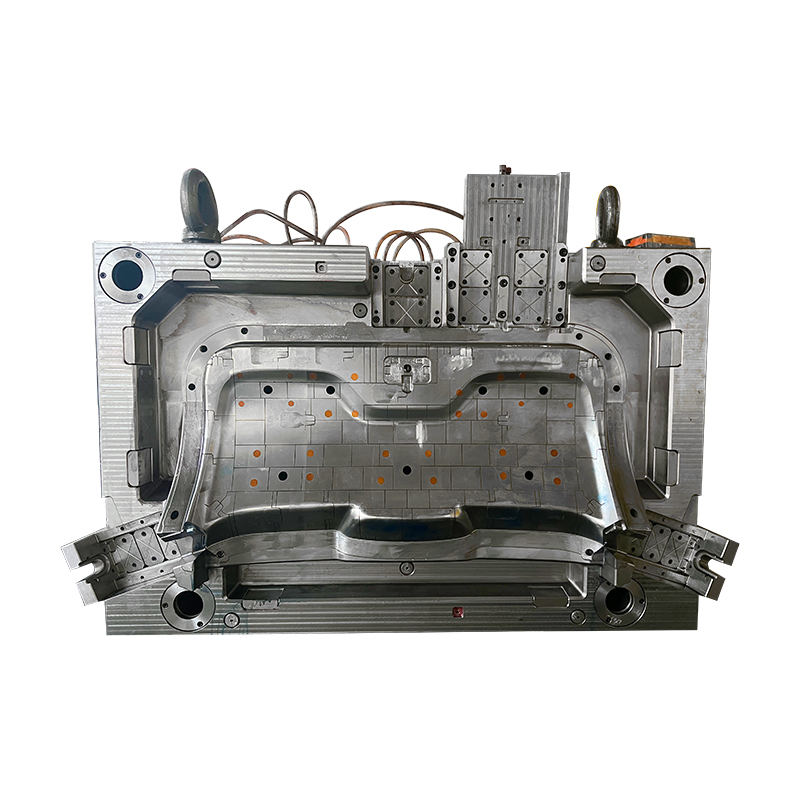
China molds for auto engine cylinder parts genuinely support the manufacturing of components tied to engine cylinder systems. They can get developed for different production needs, depending on the part design, material, manufacturing method, and expected production workflow at hand.
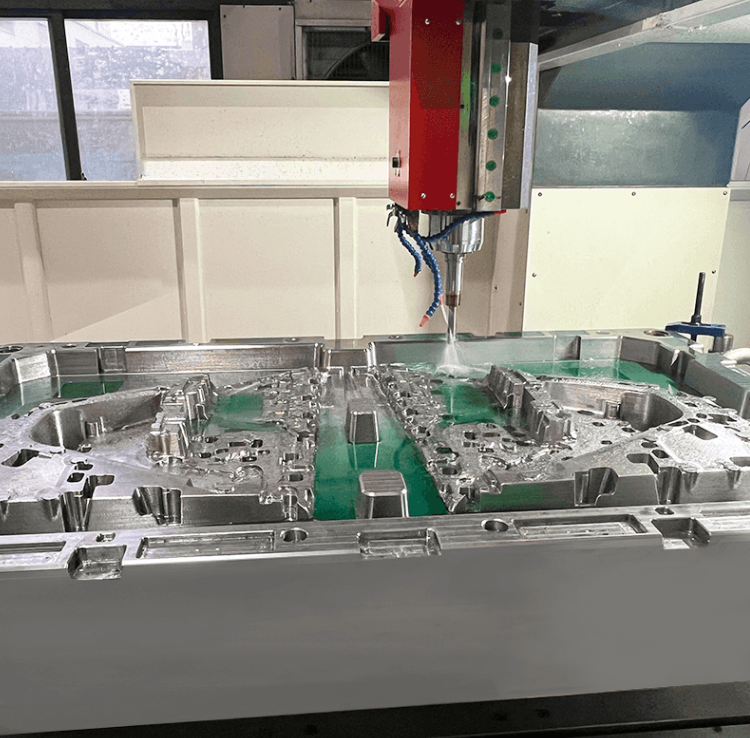
A mold is genuinely a lot more than just a shaped tool. It provides a defined form that genuinely helps manufacturers produce similar parts through an organized process. When the same component needs producing over and over, a suitable mold genuinely helps create a lot more consistent manufacturing routine.
The term "auto engine cylinder parts" genuinely covers different components and supporting pieces. Each might carry its own shape and production requirements. That's exactly why mold design stays so closely tied to the actual part being produced.
For automotive manufacturers and overseas buyers, understanding what these molds are actually used for genuinely makes communication with mold suppliers a lot more practical.
What Are China Molds for Auto Engine Cylinder Parts Designed to Do?
The basic purpose of a mold genuinely comes down to helping form a component into a planned shape.
During automotive production, a manufacturer might need to create a ton of similar engine-related parts. Producing every single piece individually can genuinely make the process a nightmare to organize. A mold provides a repeatable form that fits right into the production workflow.
China molds for auto engine cylinder parts, then, might get used for:
- Forming engine cylinder-related components
- Supporting repeated part production
- Creating defined exterior shapes
- Supporting customized component designs
- Helping manufacturers organize production processes
- Producing replacement or specialized components
- Supporting different automotive manufacturing projects
The mold itself genuinely doesn't become part of the finished vehicle, to be clear. It acts as a production tool instead.
Its shape gets developed around the intended component. When the manufacturing process kicks in, the material gets formed according to that shape.
This relationship genuinely explains why mold design matters so much. A change in the component design might genuinely demand a different mold arrangement entirely.
| Mold Application | Main Purpose |
|---|---|
| Engine cylinder-related components | Helps form the planned component shape |
| Supporting engine parts | Supports repeated manufacturing |
| Customized automotive parts | Matches a specific component design |
| Replacement components | Helps reproduce suitable part forms |
| Production development | Supports new or modified component projects |
The exact application depends on the mold design and the manufacturer's intended production method.
Which Auto Engine Cylinder Parts Can Use Molds?
The phrase "engine cylinder parts" covers a broad group of components. Not every part has the same manufacturing requirements.
Some components are associated directly with the cylinder area. Others support surrounding engine functions. Their shapes can range from relatively simple forms to more detailed designs.
Molds may be developed for components that require a repeatable shape during manufacturing.
For example, a project may involve:
- Cylinder-related housings or structural components.
- Engine covers and supporting pieces.
- Components associated with the cylinder assembly.
- Customized engine-related parts.
- Replacement components made according to an existing design.
- Supporting parts used around the engine cylinder area.
The exact suitability of a mold depends on the component.
This is why a mold supplier normally needs information about the part before discussing the mold itself. Drawings, samples, material information, and intended production requirements can all help establish what type of mold is appropriate.
A general-purpose mold cannot automatically meet every automotive application.
The more specific the component, the more closely the mold needs to reflect its intended shape and production process.
How Do These Molds Support Automotive Manufacturing?
Automotive production genuinely runs on repeated operations. A component might need remaking again and again as part of a genuinely larger manufacturing process.
A suitable mold genuinely helps make that repetition a lot easier to manage.
Once the mold's prepped for the intended application, it becomes part of the production workflow. The manufacturing team can lean on the mold to help form successive components one after another.
This genuinely delivers several practical benefits.
Consistent component formation
A defined mold shape hands workers and production equipment a common reference point. Each production cycle follows the same basic forming concept.
Easier production planning
When a component gets made through a repeatable process, production teams can organize their work around a known manufacturing method.
Support for customized designs
Automotive components genuinely aren't identical across different projects. A mold can get developed around a specific design when a standard solution just doesn't fit the application.
Better coordination between design and production
A mold genuinely connects the component design with the manufacturing process. That's exactly why early communication matters so much.
A good production plan genuinely doesn't treat the mold as some isolated item sitting off on its own. It considers how the mold will interact with the component, material, equipment, and workflow as a whole.
Why Is Mold Design Important for Engine Cylinder Components?
Engine-related components often have shapes that need to fit with other parts.
This makes the relationship between the component design and the mold particularly important.
A small change in the part design can affect how the mold needs to be created. The production team may also need to consider how the material will enter, fill, cool, or leave the mold, depending on the manufacturing method.
Without going deeply into technical details, the basic idea is simple.
The mold needs to match the component.
If the component changes, the mold may also need to change.
This is why automotive manufacturers often provide detailed design information before requesting a mold. The supplier can use that information to understand the intended part and develop a suitable production tool.
The process is usually a cooperation between design teams, engineers, purchasing departments, and mold manufacturers.
Clear communication can help reduce misunderstandings before production begins.
What Role Does Customization Play in China Auto Engine Cylinder Molds?
Customization is an important part of automotive mold production.
A manufacturer may have an existing component design that cannot be produced using an off-the-shelf mold. In that situation, a custom mold can be developed around the required shape.
Custom molds can be useful when:
- The component has a unique design.
- The manufacturer is developing a new engine-related part.
- An existing component has been modified.
- A replacement component needs a specific form.
- Different production requirements call for different mold arrangements.
Customization does not necessarily mean that every part of a mold is completely different.
Some basic production concepts may be similar across projects. What changes is how the mold is designed around the particular component.
For overseas buyers, this makes communication especially important when working with China mold manufacturers.
A buyer may need to provide:
- Part drawings
- Product samples
- Material information
- Intended application
- Production requirements
- Packaging or handling considerations
- Information about existing production equipment
The more clearly the project is described, the easier it can be for the mold supplier to understand what the customer expects.
How Are China Molds Connected With Different Manufacturing Processes?
Molds are not limited to one manufacturing method.
Different automotive components may be produced using different forming processes. The appropriate mold structure depends on how the material is introduced and shaped.
Some molds are used with metal forming processes. Others are designed for materials that behave differently during production.
For buyers, this means that asking for an "engine cylinder mold" may not provide enough information.
A supplier may need to know:
What part is being produced?
What material will be used?
How will the part be formed?
What equipment will be used?
Is the mold intended for a new component or an existing design?
These questions help connect the mold with the actual production process.
The mold should not be selected independently from the manufacturing method.
A mold that works for one production approach may not be suitable for another.
Why Do Automotive Manufacturers Work With China Mold Suppliers?
China has a large manufacturing sector covering many types of industrial tooling and automotive components.
For international buyers, China mold suppliers can be considered when they need customized production tools or want to develop a mold around a particular automotive component.
The relationship is usually based on project requirements rather than simply purchasing a standard product.
A buyer may send a component design to a supplier. The supplier reviews the requirements and discusses the mold structure, materials, production process, inspection approach, and delivery arrangement.
This process can involve several rounds of communication.
| Buyer Concern | Supplier Discussion |
|---|---|
| Component shape | Mold structure and design |
| Material | Suitable mold material and production approach |
| Production purpose | Appropriate mold arrangement |
| Existing equipment | Compatibility with the manufacturing process |
| Custom requirements | Possible design adjustments |
| Product inspection | Inspection and quality procedures |
| Future production | Maintenance and support considerations |
This type of cooperation is particularly relevant for companies producing specialized automotive components.
The buyer is not simply purchasing a physical object. The mold becomes part of the company's production system.
What Should Buyers Check Before Ordering Auto Engine Cylinder Molds?
Buying a mold requires more preparation than simply sending a product name to a supplier.
The buyer should understand the component and its intended production environment.
Several areas deserve attention.
Part information
The supplier needs to understand the component being produced. Drawings, samples, and other product information can help.
Material requirements
The material used for the finished component can affect the mold design and manufacturing process.
Production method
The mold needs to work with the intended forming process and equipment.
Customization
Buyers should explain whether the mold is based on a new design, an existing component, or a modified part.
Inspection
The buyer and supplier should agree on how the finished mold and produced parts will be checked.
Maintenance
A mold becomes part of an ongoing production system. Its future care should be considered during the purchasing stage.
Communication
Clear communication is particularly important when the supplier and buyer are in different countries.
Drawings should be reviewed carefully. Changes should be recorded clearly. Questions about the production process should be addressed before manufacturing begins.
This can make the entire project easier to coordinate.
How Does Mold Quality Affect Auto Engine Cylinder Part Production?
Mold quality can influence how consistently a component is produced.
A mold that is properly designed and manufactured can provide a stable forming reference. If the mold develops problems, the production process may become more difficult to manage.
Potential issues can include unwanted marks, inconsistent shapes, difficult release, or increased maintenance needs.
These problems do not always originate from the mold alone. Production conditions, material handling, equipment, and operator practices can also affect the finished component.
Still, the mold remains an important part of the overall process.
For this reason, buyers often look at more than the appearance of a mold when evaluating a supplier.
They may also consider:
- Design communication
- Manufacturing experience
- Inspection procedures
- Material information
- Customization ability
- Production support
- Maintenance guidance
- Communication after delivery
A suitable mold should fit the entire production plan rather than only the initial purchasing requirement.
How Can China Molds Support Changing Automotive Production Needs?
Automotive manufacturing keeps involving different component designs and production arrangements as things evolve.
Manufacturers might roll out new parts, tweak existing designs, or develop components for different vehicle applications entirely.
That genuinely creates an ongoing need for production tools that can adapt to shifting requirements.
China molds for auto engine cylinder parts genuinely support this process through customized designs and project-based manufacturing.
A manufacturer developing a modified engine component, for instance, might need a mold that reflects the new shape. Another company might need a replacement mold for an existing production process instead.
The mold supplier's role can genuinely stretch well beyond just manufacturing.
A supplier might participate in design discussions, production planning, mold testing, inspection, modification, and after-sales support throughout the relationship.
That genuinely makes supplier selection a critical part of any automotive mold project.
The buyer genuinely needs to look at the complete relationship rather than fixating only on the mold itself.
As automotive manufacturers keep developing different engine cylinder-related components, molds genuinely stay closely tied to how those parts move from design concepts into repeatable production. Their role stretches from shaping individual components to supporting customized manufacturing workflows, making mold design, supplier communication, material selection, inspection, and ongoing production needs all closely linked parts of the very same manufacturing process.