ENG
 English
 Español
 Português
 عربى
 中文简体
Color, size and pattern usually get the attention when people pick floor tiles. Some want a smooth finish for a clean, modern look. Others choose texture for depth and character. These details look like pure product design, but they trace back to the mould used in manufacturing.
Yes, surface texture is a key consideration in mould design. It shapes how the finished tile looks, feels and holds up in daily use. A mould doesn't only set a tile's shape and size. Its surface structure also helps form the patterns and textures you see after production.
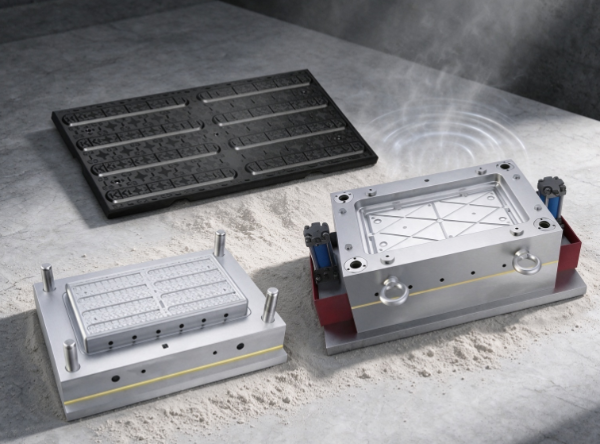
Manufacturers need to understand this link when developing tiles for different uses. A living room tile may call for a different surface from a kitchen or outdoor tile. Some designs lean on visual detail. Others have to think about grip, cleaning and wear.
As interior tastes shift, texture has become a bigger part of tile development. The sections below look at why it matters and how manufacturers can handle it during mould design.
Why Is Surface Texture Important in Floor Tile Mould Design?
Texture affects both the look and the physical character of a floor tile. It can make a surface seem smooth, rough, natural or patterned. It also changes how people experience the floor when they walk on it.
In production, the mould passes the intended surface design to the tile. If the mould carries a particular pattern or texture, that structure can show up in the finished product, depending on the process and material.
So texture shouldn't be a decorative afterthought. It has to be planned along with the mould.
Here is why it deserves attention:
- Visual appearance: Surface patterns define a tile's style. They can suggest natural stone, wood, concrete or other materials.
- Touch and feel: A smooth tile feels very different from one with a raised or irregular surface.
- Practical use: Surface structure can affect grip, cleaning and how a floor copes with everyday wear.
- Product differentiation: Texture gives manufacturers more options when building collections for different markets.
- Design consistency: A well-made mould helps reproduce the same surface pattern from batch to batch.
These factors pull on one another. An attractive texture may not suit every application. A surface built for practical use still has to fit the tile's overall look.
The task is to balance appearance, function and manufacturing needs.
How Does Mould Surface Texture Affect the Appearance of Finished Tiles?
A tile's look comes from several elements: color, pattern, shape and finish. Texture stands out among them because it adds visual depth.
A fully smooth surface gives a simple, understated look. A textured one creates shadows, highlights and variation, so the tile appears more natural or detailed.
Stone-effect tiles, for instance, often use irregular surface patterns. These make the tile read as real stone variation rather than a flat printed image. Wood-effect tiles may use grain-like structures, so the pattern you see matches what you feel.
The mould is central to getting these effects. Its surface has to match the intended look of the finished tile.
A few common styles show how this works.
Smooth surfaces
Smooth finishes are popular in modern homes and commercial interiors. They look clean and let colors or decorative patterns stand out. The mould surface must support an even, consistent finish.
Stone-like textures
Stone-effect tiles may have natural-looking variation, irregular lines and subtle surface differences. The mould should capture that look without making the tile seem artificial.
Wood-grain textures
Wood-effect tiles use visual and physical detail to imitate timber, such as grain lines and small variations. The mould texture needs to line up with the printed or decorative pattern for a convincing result.
Concrete-inspired textures
Concrete-style tiles usually have restrained surface changes. Slight irregularities give them an industrial or contemporary feel.
Mould texture is tied closely to product identity. Manufacturers should settle the intended design before deciding how to develop the mould surface.
Can Surface Texture Influence the Safety and Practical Use of Floor Tiles?
Texture is more than an aesthetic choice. It affects how a floor behaves day to day, especially where moisture or heavy foot traffic is common.
A smooth floor is easy to wipe and maintain, but it can get slippery in some conditions. A textured surface may offer more grip, depending on its structure, material and finish.
This matters in kitchens, bathrooms, entrances, outdoor paths and other places where water or dirt reaches the floor.
Still, a rougher surface isn't automatically safer. Real slip resistance depends on more than visible texture. Material properties, surface treatment, installation conditions and the presence of water or other substances all play a role.
Mould design can help create a suitable surface structure, but the finished product needs proper testing.
Manufacturers can ask a few practical questions:
- Will the tile be used in a dry or often wet setting?
- Does the surface need to provide extra grip?
- Could the texture trap dirt or make cleaning harder?
- Is the surface right for the expected foot traffic?
- Does the finished texture meet the relevant product and safety requirements?
These questions tie mould development to the conditions the tile will actually face.
A bathroom tile, for example, may need different surface traits from a bedroom tile. An outdoor tile also has to cope with rain, dust and changing weather.
The goal isn't simply a rough or smooth surface. It's a texture that fits the intended use.
What Types of Surface Textures Can Be Created Through Floor Tile Mould Design?
Many textures can be developed to meet design and functional needs. The choice depends on tile style, manufacturing process, material and target market.
Some textures are mostly decorative. Others are made with practical use in mind. Often a single design does both.
Common surface texture styles include:
| Surface Texture | Main Characteristics | Common Applications |
|---|---|---|
| Smooth Finish | Flat and even appearance | Living rooms, bedrooms, offices |
| Matte Texture | Soft visual effect with limited surface reflection | Residential and commercial interiors |
| Stone Texture | Irregular patterns inspired by natural stone | Living areas, entrances, outdoor spaces |
| Wood Grain | Lines and patterns resembling natural timber | Bedrooms, living rooms, commercial interiors |
| Rough Texture | More noticeable surface irregularities | Outdoor areas and selected utility spaces |
| Embossed Pattern | Raised decorative details | Feature floors and decorative tile collections |
| Concrete Texture | Subtle variations and an industrial appearance | Modern homes and commercial spaces |
The mould has to be designed around the chosen texture.
An embossed surface, for example, needs a mould structure that can reproduce raised or recessed details. A stone-inspired design may need irregular patterns instead of repeated geometric shapes.
Complexity needs thought too. A highly detailed surface can make mould development and production harder, so the design should reflect what the production process can deliver.
Also consider whether the texture must continue across several tiles. Some floors use repeating patterns that form a continuous effect once installed. In that case, the relationship between individual mould surfaces becomes important.
How Should Manufacturers Design Moulds for Different Surface Textures?
Designing a floor tile mould starts with a clear picture of the finished product. Manufacturers should weigh the tile's appearance, application, material and production needs before developing the mould surface.
A texture that looks great on a drawing may not turn out as expected in production. Small details can fade, while deep or intricate patterns can cause trouble in production or cleaning.
A practical design process covers several areas.
Understand the intended tile application
The final use is the starting point. Indoor decorative tiles may put appearance and easy cleaning first. Outdoor tiles may need to account for grip and exposure to weather.
Study the surface pattern
Review the pattern before transferring it to the mould. Designers should see how the texture reads across the whole tile, not just in individual details.
Consider the relationship between texture and material
Tile materials behave differently in production. A pattern that works with one material may need adjusting for another, so the mould design should reflect the chosen material.
Evaluate production feasibility
Complex details affect mould development and production. Manufacturers should check whether the pattern can be reproduced consistently and whether the mould can be maintained without undue difficulty.
Review the finished sample
A sample tile shows the real surface effect. It reveals whether the texture looks natural, feels right and matches the original intent.
Communication between product designers and mould engineers matters as well. Both need to understand the expected look and the practical demands of production.
Working together cuts down on misunderstandings and makes it easier to adjust the design before large-scale manufacturing starts.
Does Surface Texture Affect Mould Maintenance and Production Efficiency?
Texture influences not only the finished tile but also how the mould is used and maintained.
A simple, smooth mould surface is relatively easy to inspect and clean. Complicated textures can hold small recesses, raised details or narrow gaps where production residue builds up.
Without proper upkeep, the pattern can lose clarity over time. Contamination can also affect the look of the tiles the mould produces.
For manufacturers, that means maintenance belongs in the design stage, not after production begins.
Several points deserve attention.
Cleaning access
Residue should come off without damaging important texture details. Intricate patterns may need gentler, more careful cleaning methods.
Surface wear
Repeated use gradually wears mould surfaces. Raised details and edges may erode, which changes how finished tiles look.
Pattern consistency
Manufacturers should check that the texture stays consistent across repeated runs. Changes in mould condition can lead to visible differences between tiles.
Repair considerations
Some patterns are easier to restore than others. Manufacturers should know how repairs may affect the original texture and whether the intended look can be kept afterward.
Production handling
The mould must work with the manufacturing process. If a texture complicates material handling or tile release, the design may need changing.
This is especially relevant for detailed decorative tiles. A texture can look appealing on screen, but its long-term production demands should be understood too.
How Are Changing Interior Design Trends Influencing Floor Tile Mould Texture?
Consumer taste shapes the tiles manufacturers develop. As interior styles change, so does demand for colors, patterns and finishes.
Some homeowners like simple interiors with understated surfaces. Others want natural-looking materials, distinctive patterns and decorative detail. These preferences push manufacturers to explore more textures.
Natural material effects remain a strong direction. Stone, wood and concrete-inspired tiles let people achieve a certain style with manufactured flooring.
To get these looks, manufacturers need moulds that support detailed, coordinated surface patterns.
There is also growing interest in pairing visual simplicity with functional surfaces. A tile might have a subtle matte look while still carrying a texture suited to where it will be used.
Large-format tiles add another challenge. Their broad surfaces make pattern continuity and texture distribution easier to notice. If the texture repeats too obviously, the floor can look artificial. Mould development has to consider how individual tiles will look once laid together.
Customization is shaping mould design as well. Some manufacturers create surface patterns for specific collections or customer requests, which can mean adjusting texture depth, pattern layout and overall appearance.
Digital design tools help here, since designers can review patterns and make changes before the mould is built. Even so, the digital design must be checked against real production conditions.
The link between interior design and mould development keeps growing. Manufacturers need to know not just how a tile should look, but how its surface will perform in the space where it's installed.
What Should Buyers Consider When Choosing a Floor Tile Mould with Specific Texture Requirements?
For manufacturers and buyers, choosing a floor tile mould means more than comparing general shape or size. When a particular surface finish is needed, the mould must be able to reproduce that design under the intended production conditions.
Clear communication matters throughout. Buyers should give detailed information on the desired look and explain how the finished tile will be used.
These factors can guide the decision.
Texture design requirements
Buyers should state whether the tile needs a smooth, matte, stone-like, wood-grain or embossed finish. Reference images and surface samples make the design easier to communicate.
Material compatibility
The mould should suit the material and process the tile producer uses, so the intended surface pattern can be reproduced.
Pattern details
Size, arrangement and depth of surface details should be discussed during development. Small design differences can change how the finished product looks.
Cleaning and maintenance needs
Buyers should understand how the mould will be cleaned and maintained, especially when the texture has detailed or recessed patterns.
Sample evaluation
A finished sample is a practical way to judge the texture before production. Buyers can check its look, feel and fit for the intended application.
Customization communication
When standard mould designs don't meet product requirements, customized development may be an option. Buyers should explain their expectations clearly so the mould manufacturer can assess design and production feasibility.
A good selection process rests on cooperation between buyer and manufacturer. Discussing texture early lets both sides spot production challenges and adjust before manufacturing begins.
Surface texture, then, is not just a finishing touch in floor tile production. It links a tile's appearance with its practical use, its mould structure and its manufacturing process.