ENG
 English
 Español
 Português
 عربى
 中文简体
Composite materials now sit at the heart of modern manufacturing. Industries want a balance of strength, weight, durability, and design freedom, and traditional metals and plastics no longer cover every need. Sheet Molding Compound (SMC) has drawn attention here because it can be shaped into products with very different structural and functional demands.
You'll find SMC molding in automotive parts, electrical enclosures, construction components, industrial equipment housings, and public infrastructure products. It fits wherever a product has to carry structural loads and also stand up to its environment.
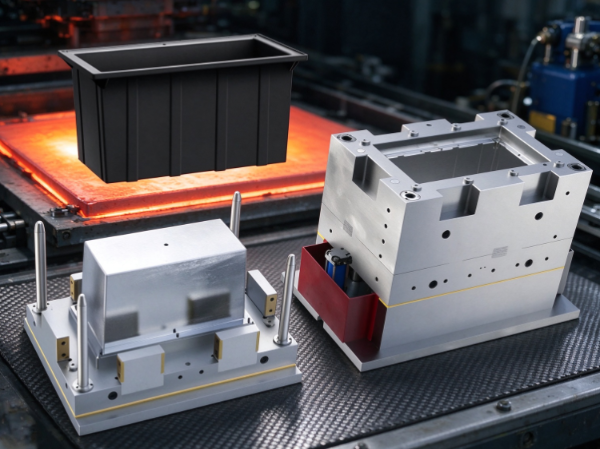
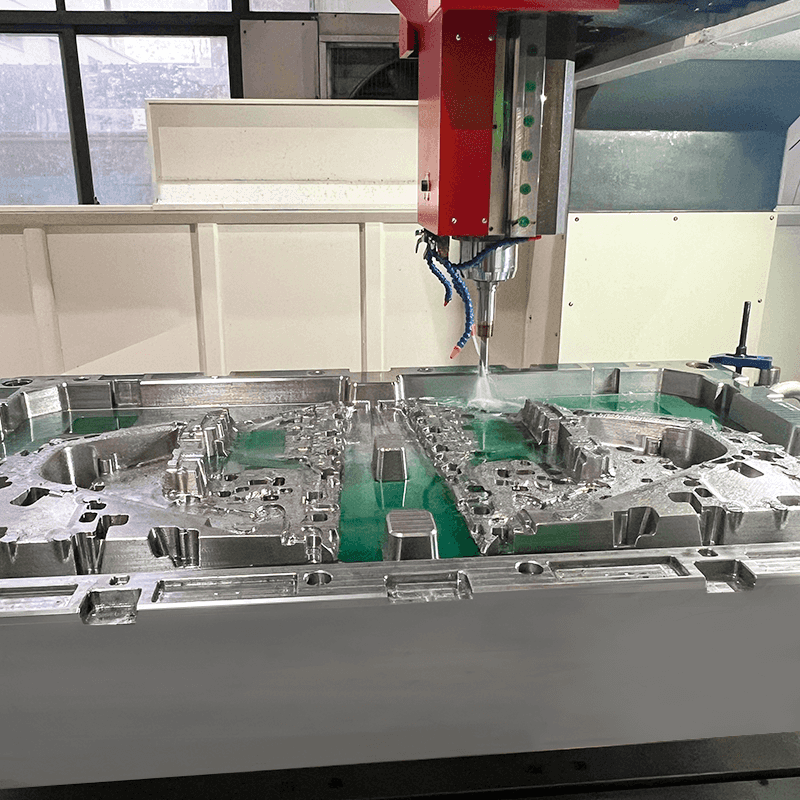
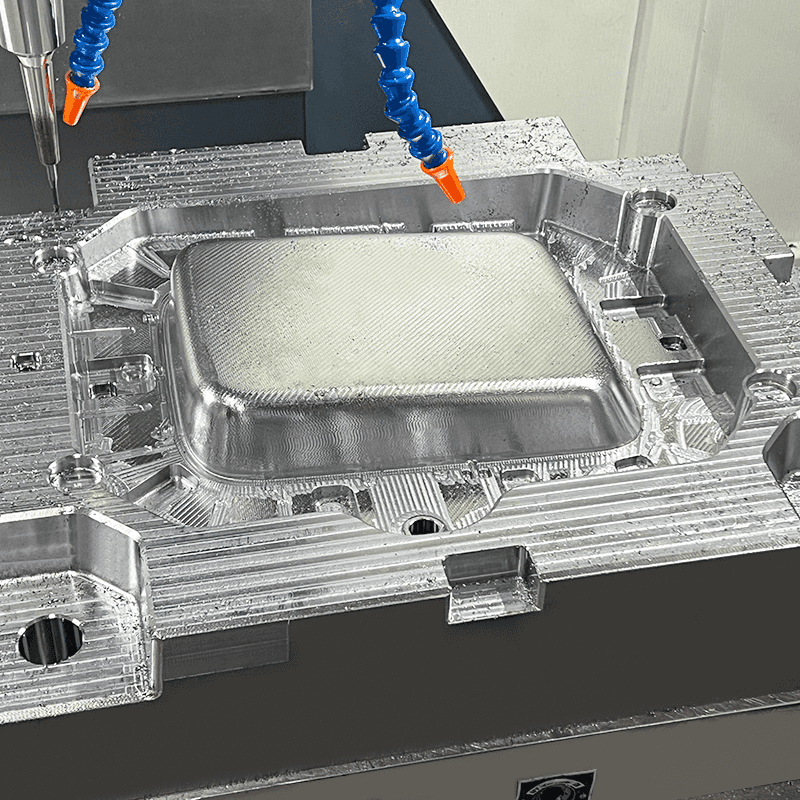
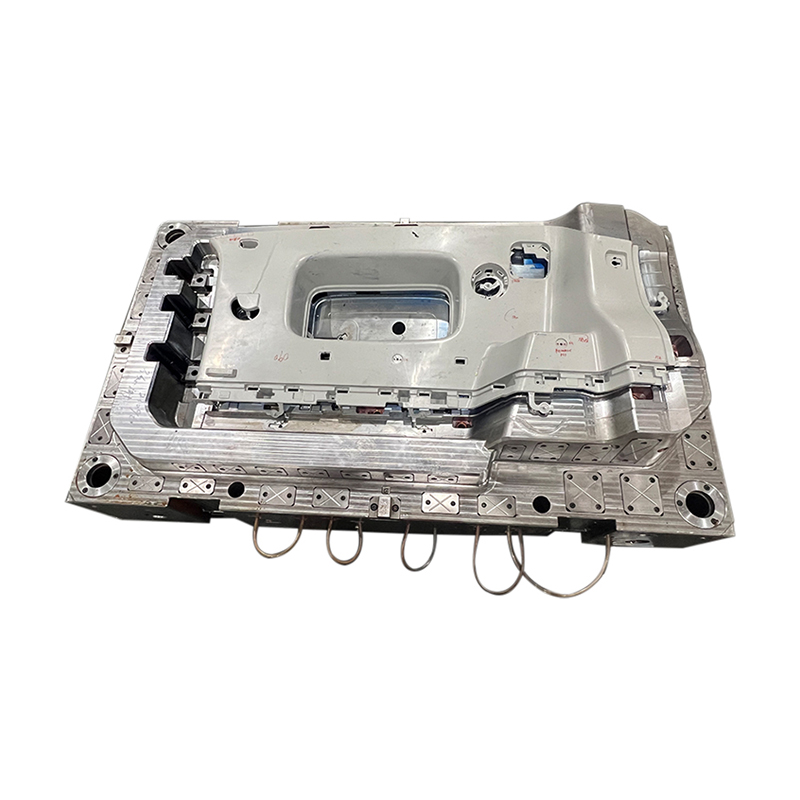
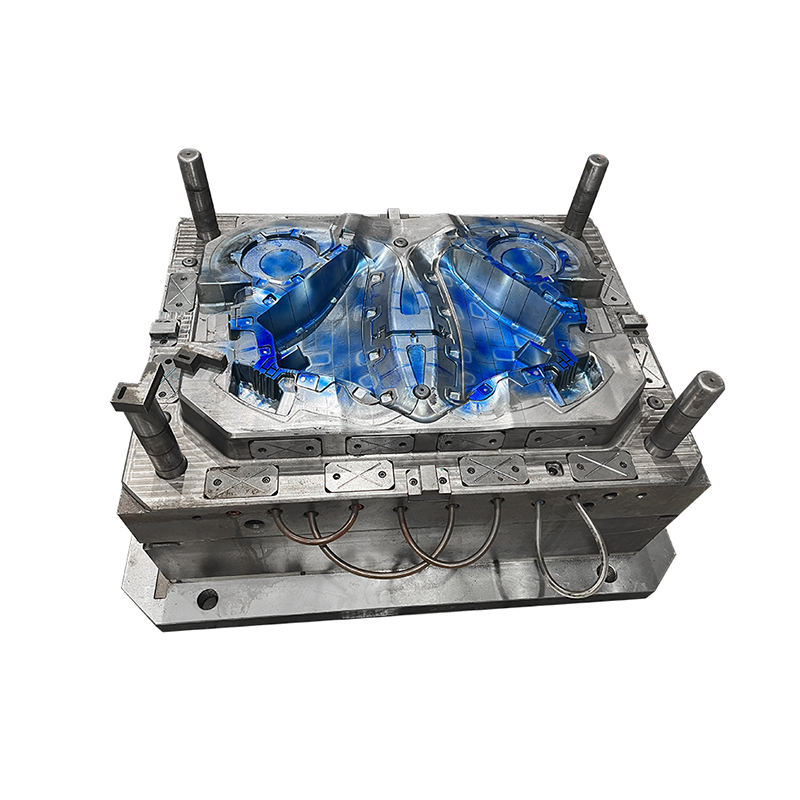
The process starts with a fiber-reinforced compound placed in a mold and shaped under heat and pressure. The finished part can have a complex form and a fairly smooth surface, and it can be tuned for strength, insulation, and appearance.
Knowing where SMC is used helps manufacturers spot suitable products and production opportunities. Each industry sets its own requirements, and SMC's flexibility lets it serve many of them.
What Makes SMC Plastic Molding Suitable for Different Industries?
SMC is a composite made from resin, reinforcing fibers, fillers, and other additives, combined into a sheet-like compound. In production, the sheet goes into a mold, where heat and pressure form the required shape.
This mix of ingredients gives SMC several properties that explain its reach across industries.
Structural strength comes first. The reinforcing fibers help finished parts handle mechanical loads in normal use, so they keep their shape and do their job.
Corrosion resistance is another draw. SMC doesn't rust the way many metal parts do, which helps outdoors, in industrial sites, and wherever moisture or certain chemicals are present.
Electrical insulation matters too. SMC suits housings, distribution boxes, and other parts that must insulate.
Design flexibility adds a practical edge. Mold design controls shapes, surface details, and structural features, so one component can take on several functions.
It isn't right for every job. Performance depends on the formulation, the part's structure, the molding conditions, and the operating environment, and manufacturers should weigh these before choosing SMC.
Where Is SMC Plastic Molding Used in the Automotive Industry?
Automotive is one of the biggest application areas. Carmakers use composites in exterior, interior, and structural parts, which must meet demands for weight, strength, appearance, and long-term use.
SMC goes into body panels, front-end components, roof panels, hoods, battery-related housings, and other parts. What exactly depends on the vehicle design and the properties each part needs.
Weight is a major concern in vehicle design. Cutting unnecessary weight can improve energy efficiency and help electric vehicle development. Where the material and structure suit the function, SMC can stand in for certain metal parts.
Design flexibility helps as well. Automotive parts often have curves, integrated edges, and mounting features. A well-designed mold forms these details during molding, which cuts down extra manufacturing steps.
Appearance counts too. Exterior panels must look right as well as work. SMC can be formulated and molded for different surface finishes, depending on the design and finishing process.
Electric vehicles have opened more room for composites. Battery covers and protective housings may use SMC when insulation, corrosion resistance, and structural needs line up. These uses call for careful checks on impact resistance, heat exposure, and operating conditions.
Why Is SMC Plastic Molding Used for Electrical Enclosures?
Electrical equipment needs protective housings that separate internal components from their surroundings. Such enclosures appear in power distribution, industrial control, communication facilities, and public infrastructure.
SMC is widely considered for them because it insulates and resists corrosion.
Common products include:
- Electrical distribution boxes
- Meter boxes
- Junction boxes
- Switchgear housings
- Control cabinet components
- Cable protection enclosures
- Outdoor electrical equipment covers
An enclosure does more than hold parts. It shields internal equipment from dust, moisture, accidental contact, and other outside conditions.
Metal enclosures suit many installations, but they may need protective surface treatment against corrosion. SMC is an alternative where insulation and environmental resistance matter.
Molding also lets manufacturers build in ribs, mounting points, openings, and other details. These help installation and organize the internal space.
Outdoor equipment is tougher. Enclosures face sun, rain, temperature swings, and airborne contaminants. Material choice and design must allow for UV resistance, sealing, mechanical strength, and flame-related requirements, depending on the application.
That's why SMC enclosures turn up in distribution facilities, street lighting systems, communication infrastructure, and industrial electrical installations.
How Does SMC Plastic Molding Support the Construction Industry?
Construction relies on many materials for structures, utilities, drainage, and public facilities. SMC has found a place here because it can produce parts in varied shapes to meet varied functional needs.
Manhole covers are a common example. They sit over underground utility access points and must withstand the conditions at their location. SMC composite covers resist corrosion and avoid the rust that affects conventional metal.
Other construction-related uses include:
- Drainage covers and grates
- Water meter boxes
- Cable trench covers
- Building electrical enclosures
- Utility access panels
- Structural and decorative components
Moisture is a constant issue on construction sites. Underground drainage, road infrastructure, and outdoor utilities can stay wet for long periods. Corrosion-resistant materials help ease maintenance in these places.
SMC can also be molded with textured surfaces, reinforcing structures, and different edge designs, which aid handling, installation, and daily use.
In public infrastructure, requirements depend on where the product goes. A drainage cover in a pedestrian area doesn't face the same loads as one on a road. Manufacturers must pick formulations and structures to match expected loads and applicable safety requirements.
Buildings may also call for fire performance and electrical insulation. SMC parts can be considered for certain uses where these matter, provided the finished product meets the relevant standards.
Which Industrial Equipment Components Can Be Made with SMC?
Industrial equipment works under mechanical stress, moisture, dust, chemicals, and continuous use. Many machines also need housings and protective parts shaped to fit their structure.
SMC is used for industrial parts that need mechanical support, corrosion resistance, and design flexibility together.
Examples include machine covers, protective housings, equipment panels, fan housings, pump-related components, and electrical control enclosures.
Machine covers shield moving parts and internal systems from contamination. Their shape usually follows the equipment layout. SMC molding can produce curved surfaces, reinforced sections, and mounting features in the same part.
In ventilation and air-handling equipment, composite housings may be considered where corrosion resistance and electrical insulation count. Integrated design features are possible too.
Pumps and fluid-handling equipment often work where moisture and chemicals are common. Some SMC parts can serve as external housings or protective structures, depending on the fluid, temperature, and mechanical conditions. The material shouldn't be assumed suitable for every fluid-contact use.
Maintenance matters to equipment makers. Corrosion-resistant parts may reduce the need for certain protective treatments. Service life still depends on operating conditions, material choice, design, and upkeep.
Is SMC Plastic Molding Used in Water Treatment and Utility Systems?
Water treatment and utility facilities hold many components that stay exposed to moisture and the outdoors. They may also meet cleaning agents, wastewater, and other substances that attack conventional materials.
SMC can serve in selected products for water management and utility infrastructure, including meter boxes, access covers, electrical housings, drainage components, and protective enclosures.
Water meter boxes are one case. They protect metering equipment and give access for inspection or maintenance. Depending on the site, they may be buried, outdoors, or regularly wet.
SMC is also considered for certain covers and access parts in treatment plants, where its corrosion resistance can save the surface protection metal would need.
Utility systems often put electrical and communication equipment next to water infrastructure. That creates a need for housings with suitable insulation and environmental protection.
Design follows location and function. An underground enclosure may need a structure that handles soil pressure and external loads. An outdoor electrical box may need protection against sun, rain, and accidental contact.
Material compatibility stays important. SMC has useful resistance properties, yet actual performance depends on the resin system, additives, exposure conditions, and construction. Assess the operating environment before choosing the material.
Can SMC Plastic Molding Be Applied to Agricultural and Outdoor Products?
Agricultural equipment and outdoor facilities work under changing conditions. Parts may meet sun, rain, soil, fertilizers, cleaning substances, and repeated mechanical contact.
That makes corrosion resistance and structural stability key. SMC suits selected agricultural and outdoor products whose functions match its properties.
Possible applications include:
- Agricultural equipment covers
- Protective machine housings
- Electrical control boxes
- Outdoor utility enclosures
- Equipment access panels
- Certain water management components
Farm machinery has moving systems that need protection from dust, soil, and moisture. Molded composite covers can follow the equipment's shape while leaving room for ventilation, access, and installation features.
Outdoor electrical boxes are another fit. Irrigation systems, farm facilities, and remote installations may need enclosures that protect controls from the elements. SMC can be considered where insulation and corrosion resistance matter.
Surface design is flexible, too. Textures, rounded edges, and integrated mounting features can be built into the mold, depending on the product.
Outdoor exposure means more than moisture, though. Sunlight, temperature changes, impact, and repeated handling can all affect composite products. Manufacturers should test weather resistance and mechanical properties against the conditions each product will face.
What Should Manufacturers Consider When Choosing SMC Plastic Molding Applications?
SMC serves many industries, but it doesn't automatically suit every product. Choosing well means understanding the part's function, operating environment, and production needs.
Several factors deserve attention.
Material requirements
Resin, fibers, fillers, and additives shape the finished product's properties. Formulations can be developed for electrical insulation, mechanical loading, outdoor exposure, or particular surface requirements.
Product structure
Shape and size affect how material flows and fills the mold. Deep sections, narrow areas, ribs, openings, and wall-thickness changes need careful thought in product and mold design.
Operating environment
Identify whether the part will meet water, chemicals, sunlight, heat, vibration, impact, or repeated loads. These conditions show whether SMC is the right choice.
Mold design
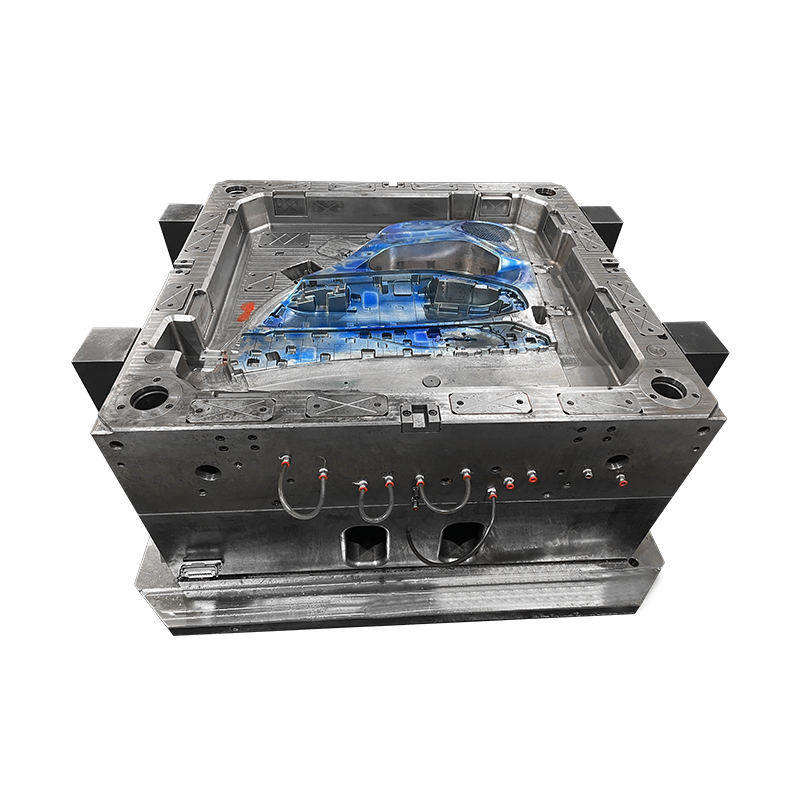
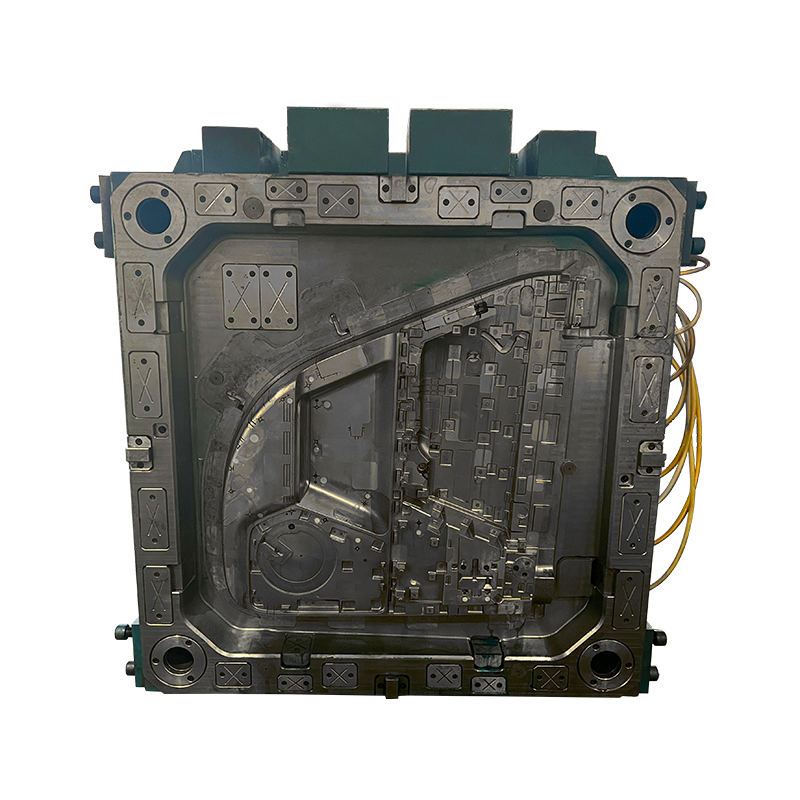
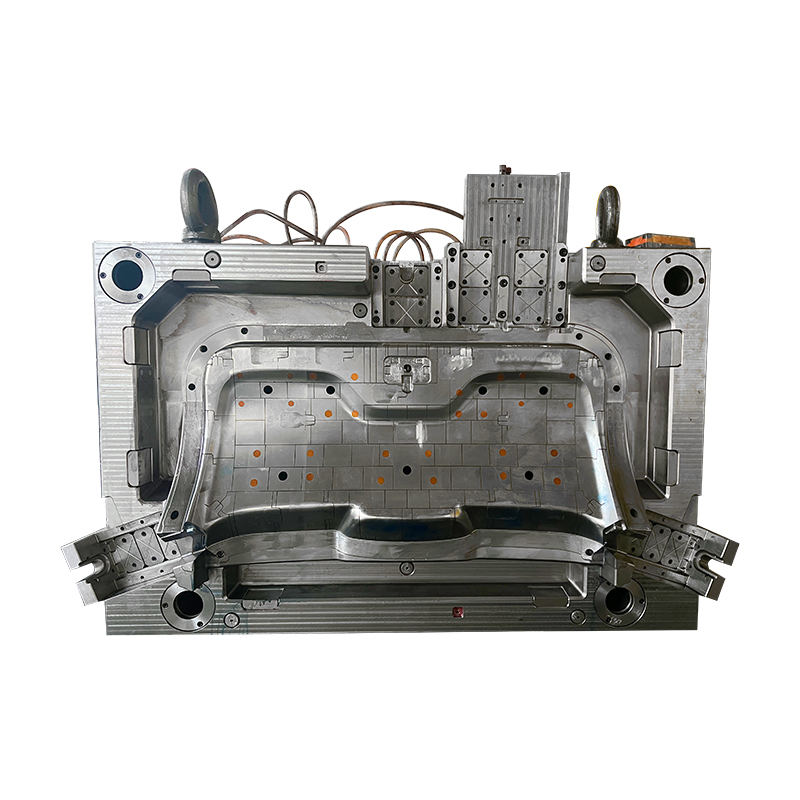
The mold directly shapes the result. Its structure must support material distribution, forming, air release, and part removal. Poor design can cause incomplete filling, surface defects, or uneven quality.
Production volume
SMC molding is often used for repeat production, since one mold turns out many consistent parts. Mold development and production costs still need weighing against expected volume.
Quality requirements
Industries expect different things. Automotive parts may need specific appearance and mechanical properties, electrical enclosures may need insulation and fire-related performance, and construction products may need to meet loading and environmental standards.
Clear knowledge of these requirements tells manufacturers whether SMC fits a product and how to develop the material, mold, and process.
SMC molding therefore reaches a wide range of uses, from vehicle components and electrical enclosures to construction products, equipment housings, and outdoor utility parts. How well it works depends on how closely its properties match each application's demands.