ENG
 English
 Español
 Português
 عربى
 中文简体
Railway operations depend on plenty of connected activities, from vehicle maintenance and equipment inspection to parts storage and transportation. When a component needs replacement, railway operators need to obtain a suitable part and get it to the right place at the right time. Delays in this process can throw off maintenance schedules and disrupt daily operations fast. Train spare parts suppliers play a genuinely important role in keeping these activities connected.
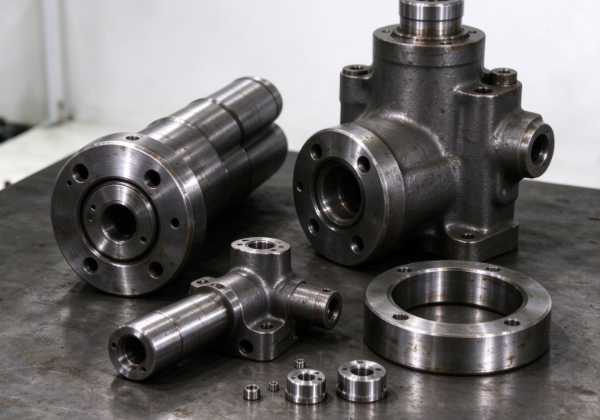
Their work involves a lot more than just selling individual components. Suppliers communicate with buyers, confirm product requirements, coordinate orders, manage stock availability, and provide supporting documents. They also help railway operators respond to shifting maintenance needs as they arise. These activities make train spare parts suppliers a genuinely important piece of railway supply chain management.
A well-organized supply chain helps connect manufacturers, distributors, maintenance teams, and railway operators together. Each participant carries different responsibilities, sure, but they all share a common need for accurate information and dependable coordination. Understanding the supplier's role can help purchasing teams plan orders, manage inventory, and cut down avoidable delays.
What Role Do Train Spare Parts Suppliers Play in the Railway Supply Chain?
Train spare parts suppliers connect the demand for replacement components with the companies and facilities that actually provide them. Railway operators may need parts for routine maintenance, equipment repairs, scheduled inspections, or unexpected faults that crop up without warning. Suppliers help identify suitable products and coordinate their movement through the supply chain.
The process usually begins with a request from a purchasing or maintenance team. That request might include a part description, equipment information, drawings, reference numbers, or other details needed to pin down the correct item. The supplier reviews this information and checks whether the requested component can actually be sourced.
Some suppliers work directly with manufacturers. Others buy from authorized distributors or manage products pulled from several sources at once. Their supply arrangements really come down to the type of component, the buyer's requirements, and whatever suitable products happen to be available.
Suppliers can also help clarify differences between similar-looking parts. Railway equipment often contains components designed for specific models or operating conditions. A part that looks similar may not actually fit the intended application. Clear communication during product identification helps head off ordering errors and unnecessary returns down the line.
Once the product's confirmed, the supplier coordinates order processing, packaging, shipping, and the relevant documentation. The buyer then receives the parts for inspection, storage, or use in maintenance work that follows.
This role puts suppliers squarely between several parts of the railway supply chain. They help turn maintenance requirements into purchasing actions and connect those actions with product sourcing and delivery.
Why Is Supplier Coordination Important for Railway Maintenance?
Railway maintenance follows operational needs and planned inspection schedules alike. Maintenance teams need suitable components to get their work done, while purchasing teams need to arrange orders and manage budgets at the same time. If these activities aren't coordinated well, parts can arrive too late, show up in unsuitable condition, or simply fail to match the equipment.
Supplier coordination helps cut these problems down by keeping everyone involved genuinely informed. A maintenance team might flag a replacement need, but the purchasing department may need additional product information before placing an order. The supplier can step in to clarify specifications, confirm availability, and explain any sourcing limitations along the way.
Communication becomes especially important when a requested item simply isn't available. The supplier might need to reach out to another source, check whether an approved alternative exists, or provide an updated delivery estimate. This information lets the railway operator review its maintenance schedule and decide how to proceed from there.
A practical coordination process includes several activities:
- Requirement confirmation: The supplier checks the requested component and clarifies missing information before the order gets processed.
- Availability updates: The supplier communicates stock conditions, sourcing progress, and possible delays as they come up.
- Order tracking: Both parties keep an eye on order status and flag issues that might affect delivery.
- Change management: Any proposed product substitution or order adjustment gets reviewed before the change is accepted.
- Delivery coordination: The supplier and buyer confirm shipping details, receiving arrangements, and required documents together.
These steps help keep small communication gaps from snowballing into larger operational problems. They also give maintenance planners a clearer view of what parts to expect and when.
How Do Train Spare Parts Suppliers Help Manage Inventory?
Inventory management is a major headache for railway operators, frankly. Keeping every possible replacement part in stock can demand substantial storage space and purchasing resources. Hold too little stock, though, and maintenance teams end up waiting on components exactly when equipment needs attention most.
Suppliers can help buyers build a more practical approach to inventory planning. Their knowledge of product availability, sourcing arrangements, and ordering requirements can genuinely support decisions about which items deserve storage space and which can simply get ordered when needed.
The process starts with understanding how different parts actually get used. Some components get replaced during planned maintenance routines. Others only get needed when a fault occurs out of nowhere. Parts that are hard to source or carry limited availability deserve closer attention than items available through routine orders.
Purchasing and maintenance teams can review usage records, equipment condition, repair schedules, and previous orders together. Suppliers can contribute information about product availability and sourcing constraints on their end. Together, these details help buyers decide when to reorder and how much stock makes sense to keep on hand.
Clear inventory records matter here too. Product descriptions, part references, storage locations, order history, and supplier details should all stay consistent. If the same component gets recorded under several different names, staff can struggle to identify available stock. This can lead to duplicate purchases or avoidable delays creeping in.
Suppliers can support inventory management by:
- Providing clear product descriptions and ordering references.
- Communicating changes in product availability promptly.
- Helping buyers identify recurring purchasing needs.
- Sharing information about packaging and storage requirements.
- Supporting planned replenishment and repeat orders.
- Notifying buyers when a product gets discontinued or its supply arrangements change.
Inventory planning stays the railway operator's responsibility, naturally, but reliable supplier information makes the whole process a lot more organized. It helps purchasing teams balance storage needs against the real risk of parts shortages.
What Quality Responsibilities Do Train Spare Parts Suppliers Have?
Quality management is essential in railway procurement because replacement components genuinely need to suit their intended equipment and operating conditions. An incorrect or unsuitable part can lead to installation headaches, repeated repairs, equipment damage, or real safety concerns.
Suppliers contribute to quality management by checking product identity, reviewing available documentation, and keeping clear sourcing records. The exact responsibilities shift depending on their role in the supply chain and whatever requirements were agreed with the buyer upfront.
Product identification makes a useful starting point. The supplier should confirm the item being offered actually matches the request. Where necessary, the buyer may need to hand over equipment details, drawings, reference numbers, or other identifying information to nail this down.
Documentation matters a great deal too. Depending on the component and purchasing requirements, relevant records might include product specifications, inspection documents, certificates, origin information, or traceability records. These documents help the buyer review whether the supplied item actually meets the required conditions.
Suppliers should also communicate clearly whenever a product's status turns uncertain. If the original component isn't available, an alternative shouldn't get treated as interchangeable without review first. Railway operators may need to assess compatibility, approvals, and any effect on maintenance procedures before accepting a replacement.
A practical quality process includes several checks:
- Confirm the product description and identifying references.
- Review the supplier's sourcing information and available product records.
- Check that the offered component matches the approved purchasing requirements.
- Inspect the delivered items and packaging upon receipt.
- Record any differences, damage, or missing documents.
- Resolve quality concerns before the parts get released for use.
Suppliers can provide important support here, sure, but they don't replace the railway operator's own inspection and acceptance procedures. Responsibilities need defining clearly so both parties understand exactly what must be checked before a component enters service.
How Can Suppliers Help Reduce Supply Chain Delays?
Railway spare parts can pass through several stages before actually reaching a maintenance facility. A component might need sourcing from a manufacturer, transferring through a distributor, inspecting, packing, and shipping — each stage opening the door to delay if information or planning falls short.
Suppliers can help cut avoidable delays by catching potential problems early. When a buyer submits an order, the supplier should confirm the product details and flag any availability issues right away. This gives the purchasing team time to review alternatives or adjust the maintenance plan before things get tight.
Order visibility matters a great deal too. Buyers need to know whether an order's been accepted, whether the parts are being prepared, and whether delivery arrangements have shifted. Regular updates make it a lot easier to manage expectations and coordinate receiving activities on the ground.
Accurate documents support timely delivery as well. Incomplete product information, incorrect shipping details, or missing purchasing records can all slow down order processing. Suppliers and buyers can cut these risks by checking the required information before dispatch, not after.
Packaging and handling deserve attention too. Some railway components prove sensitive to moisture, impact, contamination, or unsuitable storage conditions. Appropriate packaging helps protect products during transport and cuts the chance of damage that could delay maintenance down the line.
When a delay simply can't be avoided, early communication beats waiting until the expected delivery date's already passed. The supplier can explain the issue, provide an updated estimate, and discuss available options with the buyer directly. Any proposed change still needs to meet the project's product and approval requirements, naturally.
Delivery performance also hinges on factors outside the supplier's direct control — transportation conditions, customs procedures, manufacturing capacity, and the like. A transparent process helps both parties tell apart controllable issues from external delays they genuinely can't influence.
What Challenges Do Railway Spare Parts Suppliers Face?
Railway supply chains involve plenty of component types, different equipment designs, and varied purchasing requirements all at once. Suppliers need to manage these differences while keeping product information accurate and orders genuinely organized.
One real challenge is product identification. Some parts carry similar appearances or descriptions but serve entirely different functions. Older equipment can also require components that are genuinely hard to source. In these cases, suppliers need enough technical and purchasing information to locate a suitable item without leaning on visual similarity alone.
Changing demand is another challenge. Planned maintenance creates fairly predictable purchasing needs, while unexpected equipment faults can trigger urgent orders out of nowhere. Suppliers need to balance regular orders against sudden requests, especially when components come from limited sources.
Stock management can prove tricky too. Holding large quantities ties up resources, while keeping little stock raises the risk of delayed orders down the line. Suppliers need to weigh product availability, sourcing conditions, storage needs, and buyer expectations all together when planning their own inventory.
Documentation requirements can differ between buyers, projects, and component categories too. Suppliers need organized records to avoid confusion over product versions, origin, inspection status, and delivery history. Missing or inconsistent information can slow down acceptance and pile on additional administrative work.
Supply chain changes can shake up railway procurement as well. Manufacturers may revise product lines, discontinue components, or change their sourcing arrangements without much warning. Suppliers need to communicate these changes clearly and help buyers review whatever options remain available.
Several practices can help manage these challenges:
- Maintain accurate product and order records.
- Establish clear communication channels with manufacturers and buyers.
- Review stock levels in line with demand patterns.
- Identify sourcing risks before they affect urgent orders.
- Confirm approval requirements before offering substitute products.
- Keep delivery and documentation updates consistent.
These practices help suppliers respond to changing conditions without losing control of product information or order status along the way.
How Does Digital Technology Improve Railway Spare Parts Supply Chain Management?
Digital tools can help suppliers and railway operators organize information that would otherwise end up scattered across emails, spreadsheets, paper documents, and separate inventory records. Used well, these tools can improve order visibility and cut down repetitive administrative work substantially.
An inventory management system can record stock quantities, storage locations, product references, and order history all in one place. Purchasing staff can use these records to identify recurring needs and check whether a component's available before placing another order.
Order tracking tools provide genuine visibility into purchasing progress. Buyers can review order status, expected dispatch, and delivery updates without repeatedly chasing down the same information. Suppliers can use these tools too, to flag delays and communicate changes more consistently across the board.
Digital product records can improve traceability as well. When the information's properly maintained, users can connect a component with its purchasing history, supplier details, and relevant documentation. This proves particularly useful when maintenance teams need to verify the origin or status of a replacement part quickly.
Data sharing can support demand planning too. Purchasing teams might compare maintenance schedules against previous consumption and current stock records. Suppliers can use information from buyers to prepare for recurring orders or flag products that might need early sourcing.
That said, digital systems only prove useful when the information entered into them stays accurate. Duplicate part references, outdated product descriptions, and incomplete records can create confusion even when the software's running perfectly fine.
Companies should therefore establish clear procedures for entering, checking, and updating data regularly. Access permissions and document control matter too, especially when multiple teams or external partners share information back and forth.
Digital tools support the work of people rather than replacing the need for communication and judgment entirely. Suppliers and railway operators still need to confirm product suitability, resolve exceptions, and review changes before they affect maintenance activities.
How Can Railway Operators Build Effective Relationships With Spare Parts Suppliers?
A stable supplier relationship comes down to clear expectations, consistent communication, and shared responsibility. Railway operators need components that genuinely meet their requirements, while suppliers need accurate requests and timely decisions from buyers in turn. A well-organized working relationship helps both sides manage these needs without constant friction.
The relationship begins with supplier evaluation. Buyers can review relevant product experience, sourcing arrangements, quality procedures, documentation practices, and the ability to support the required order types. The evaluation should reflect the component category and the risks tied to its use.
Clear purchasing documents matter just as much. Orders should identify the requested product, applicable requirements, delivery location, inspection needs, and required supporting records. When information's incomplete, both parties should resolve the uncertainty before the order moves forward.
Regular communication helps maintain alignment over time. Purchasing teams might share expected demand or planned maintenance needs where appropriate. Suppliers can report availability changes, sourcing constraints, and potential delivery issues as they surface. This exchange lets both sides plan around known requirements instead of just reacting once a problem's already appeared.
Performance reviews provide another useful reference point. Buyers can review order accuracy, delivery consistency, document completeness, response times, and how issues actually get handled. These reviews should focus on practical outcomes and genuine opportunities to improve the process going forward.
When a problem occurs, a clear process for reporting and resolving it becomes essential. Both parties should document the issue, establish the facts, agree on corrective actions, and record any decision about replacement or return. Open communication helps prevent the same problem from cropping up again later.
Supplier relationships also benefit from realistic expectations, worth remembering. Availability and delivery conditions can shift, so both sides need a process for handling uncertainty when it arises. By keeping product requirements clear and sharing relevant information openly, railway operators and train spare parts suppliers can coordinate procurement a lot more effectively and support the ongoing demands of railway maintenance.