ENG
ENG  English
 Español
 Português
 عربى
عربى 中文简体
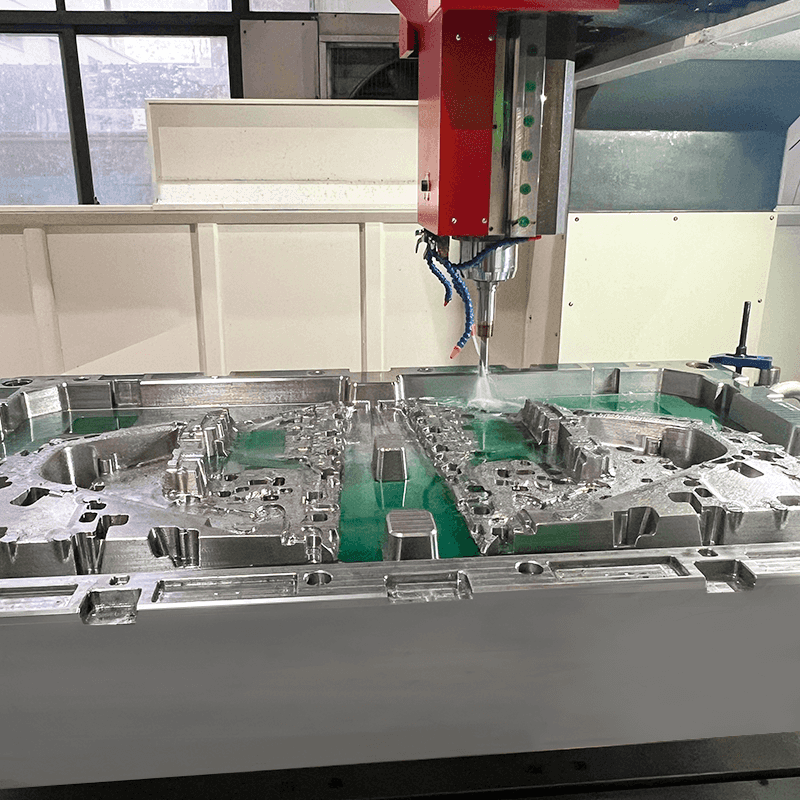
中文简体Prepreg moulds have become increasingly important in industries demanding materials with high strength-to-weight ratios and precise tolerances. Prepreg, or pre-impregnated reinforcement, involves fibers such as carbon, glass, or aramid that are pre-coated with a resin system. These fibers arrive ready to mold, reducing preparation steps, improving repeatability, and limiting the risk of inconsistent resin application.
Unlike traditional composite layup, prepreg allows manufacturers to control the amount of resin in each layer precisely. This improves structural performance while reducing excess material, which can be wasteful and affect the component's weight and strength. The result is a component that is both lightweight and structurally reliable.
Key Features of Prepreg Moulds
High Strength with Reduced Weight
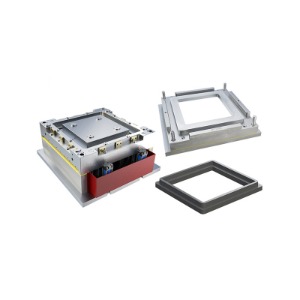
A primary advantage of prepreg moulds is the ability to produce lightweight parts without sacrificing durability. This characteristic is critical for industries such as aerospace, automotive, and high-performance sports equipment, where every gram counts and material performance is crucial. Uniform resin distribution in prepreg ensures that components maintain structural integrity across all areas, minimizing weak points that could compromise safety or longevity.
Smooth Surface Finishes and Reduced Post-Processing
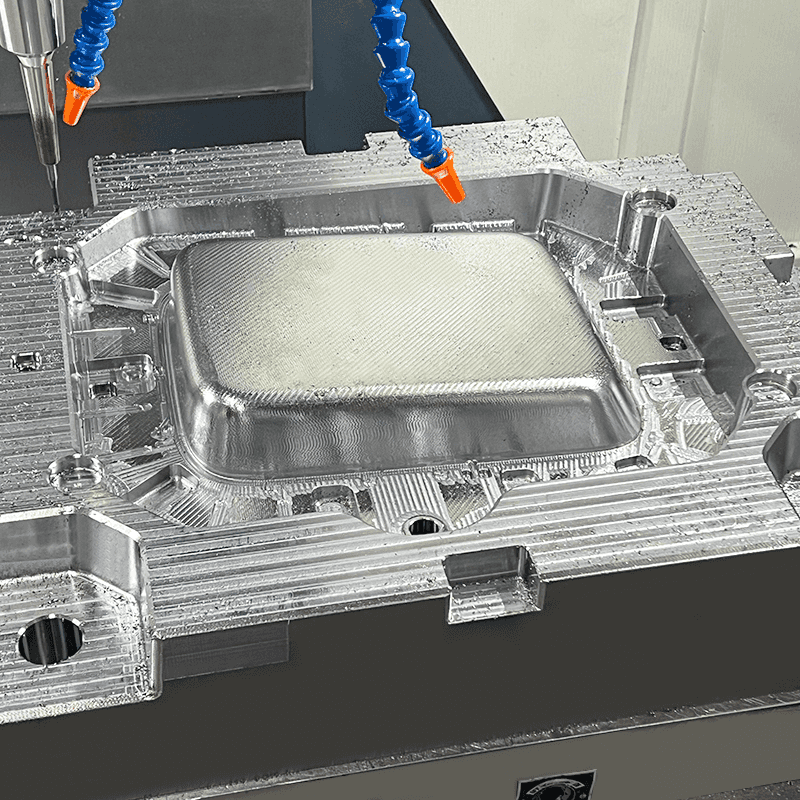
Prepreg materials are designed to conform closely to mold surfaces, allowing manufacturers to achieve high-quality finishes directly from the mold. This reduces the need for sanding, polishing, or additional finishing processes. For manufacturers, this not only cuts production time but also lowers labor costs and potential for defects.
Design Flexibility and Complex Geometries
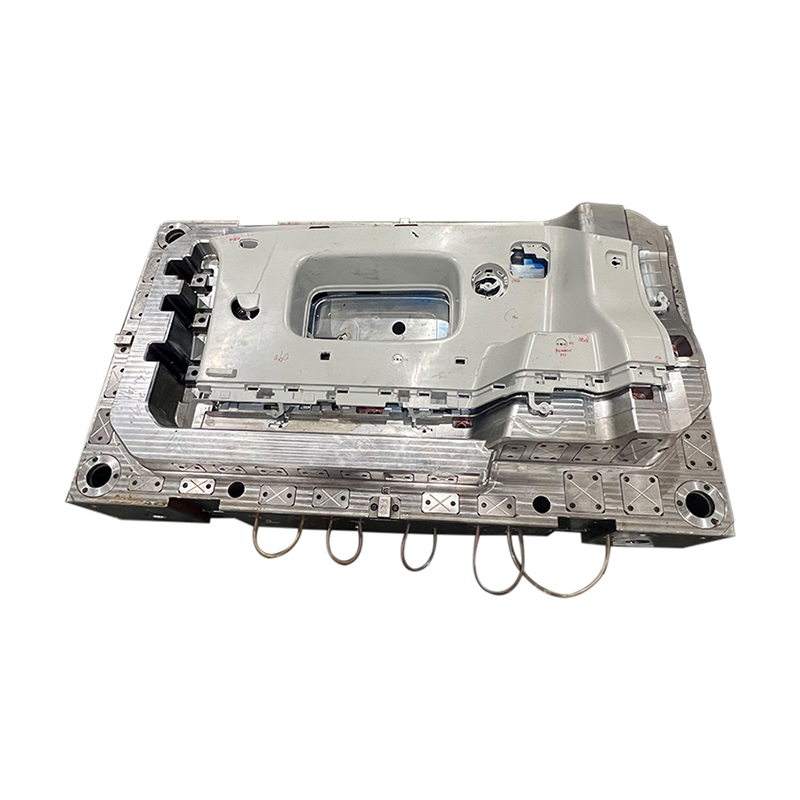
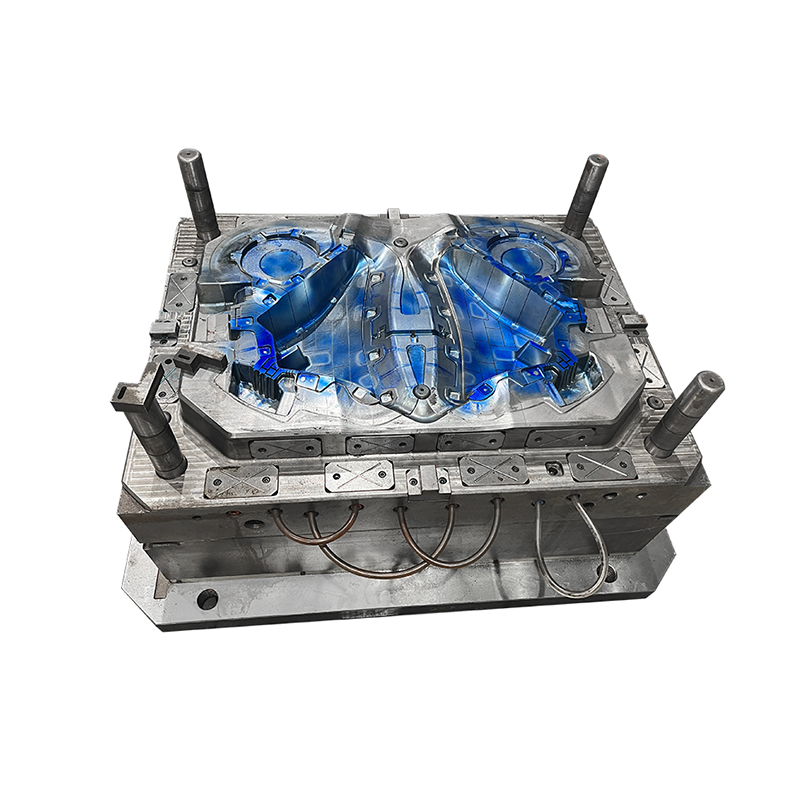
Another standout feature is the versatility of prepreg moulds. They are suitable for producing intricate shapes that might be difficult or impossible with other molding techniques. Manufacturers can lay prepreg layers into molds with complex curves or contours, enabling lightweight, high-strength parts that meet precise engineering specifications.
Environmental and Efficiency Benefits
Prepreg moulding is also a more sustainable manufacturing option. By controlling resin content and minimizing waste, manufacturers reduce the environmental footprint of the production process. High first-pass quality and minimal post-processing reduce energy consumption, further contributing to eco-friendly practices.
Benefits of Working with a Prepreg Mould Manufacturer
Expertise in Design and Fabrication
Choosing a professional Prepreg Mould Manufacturer ensures access to expert guidance throughout the production cycle. Experienced manufacturers understand material behavior, optimal curing schedules, and resin selection, allowing companies to achieve reliable, high-performance components.
Consistency and Quality Assurance
Reliable prepreg mould manufacturers implement strict quality control processes, including careful inspection of materials, precise fabrication techniques, and post-production testing. This guarantees consistent performance of components and reduces the risk of defective parts entering the supply chain.
Prepreg moulds provide manufacturers with a reliable method for producing lightweight, high-strength components with precise geometry. Partnering with an experienced Prepreg Mould Manufacturer ensures access to technical expertise, advanced technology, and production consistency. Whether in aerospace, automotive, or specialized industrial applications, prepreg moulds offer efficiency, quality, and sustainable production benefits.