ENG
ENG  English
 Español
 Português
 عربى
عربى 中文简体
中文简体SMC Product OEM refers to original equipment manufacturing of components using Sheet Molding Compound (SMC). SMC is a composite material consisting of thermosetting resin, glass fibers, and fillers. It is valued for its high strength, dimensional stability, and ability to form complex shapes.
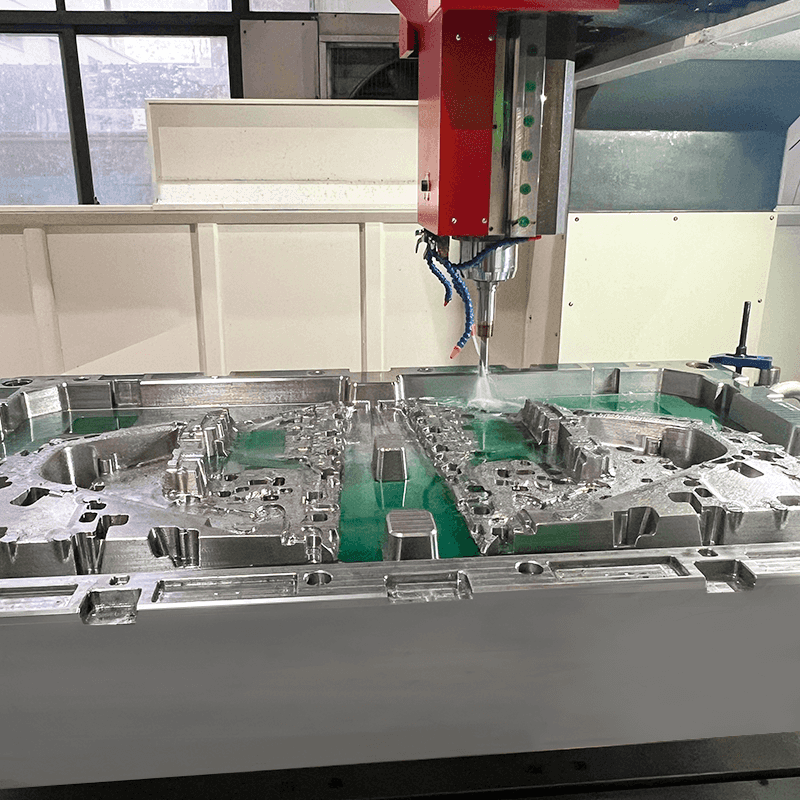
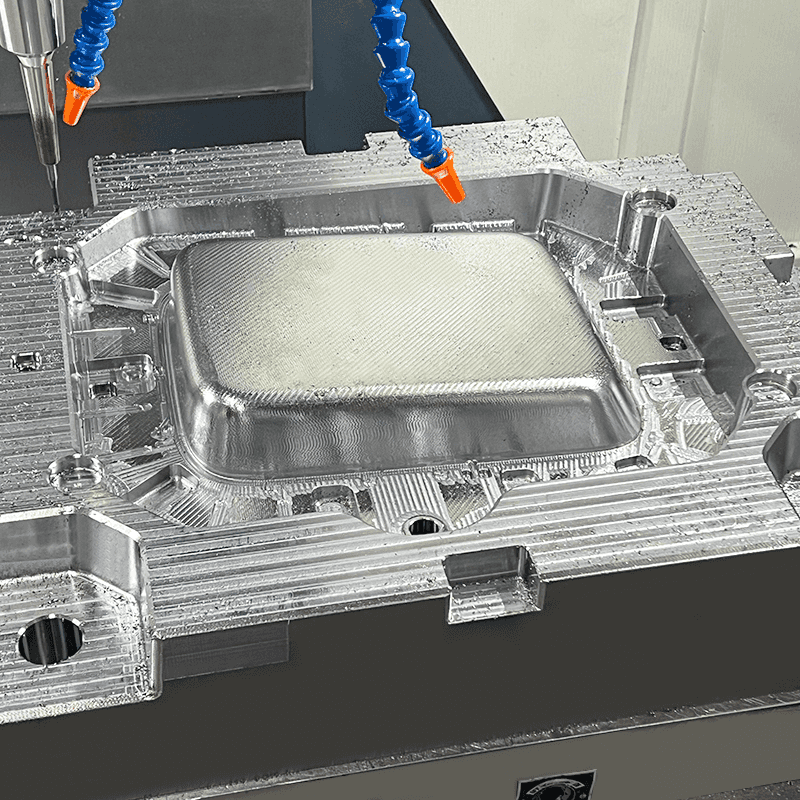
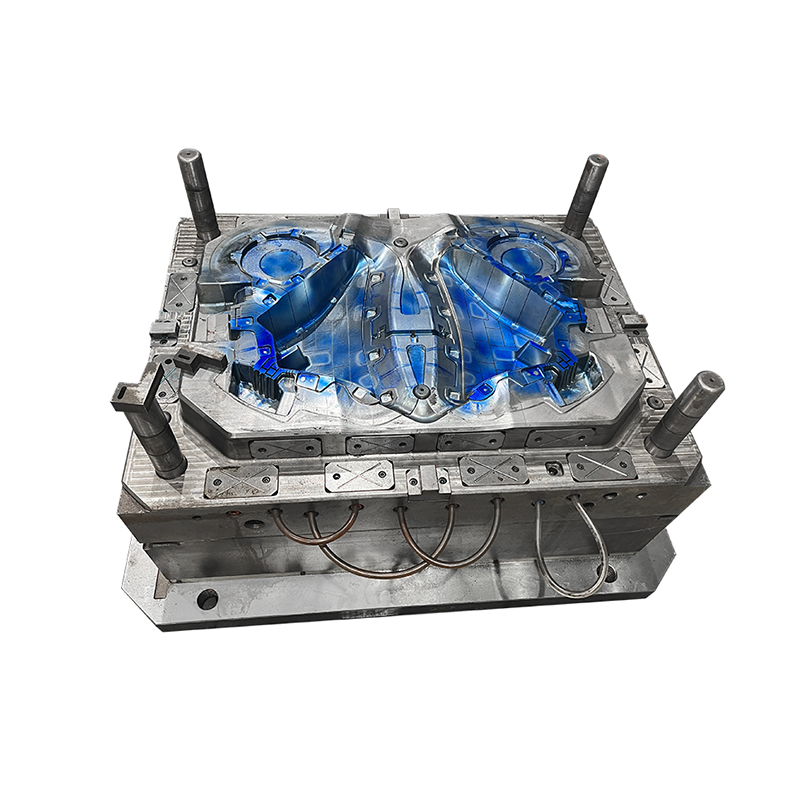
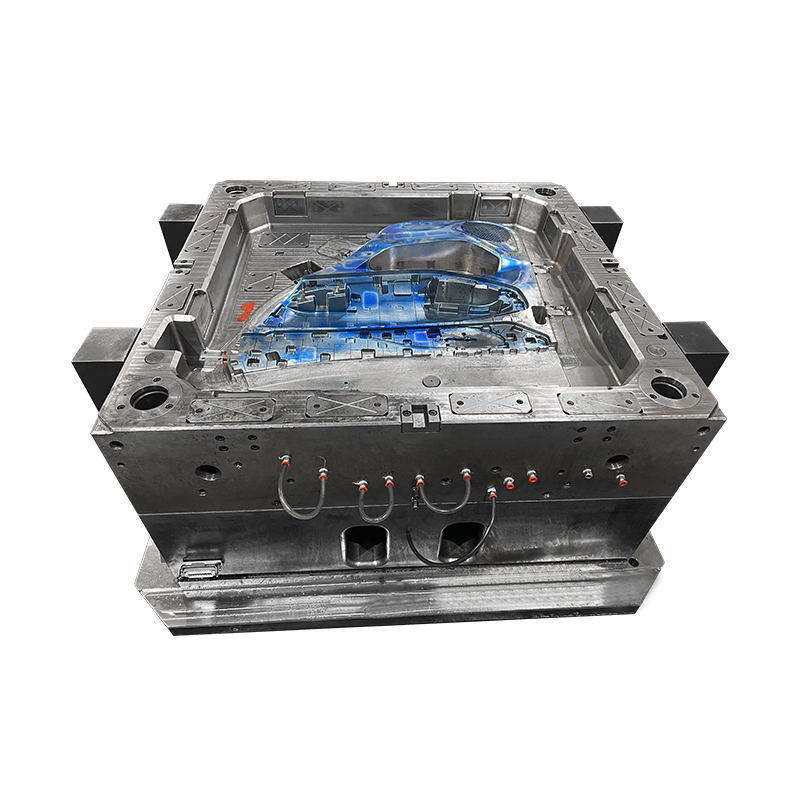
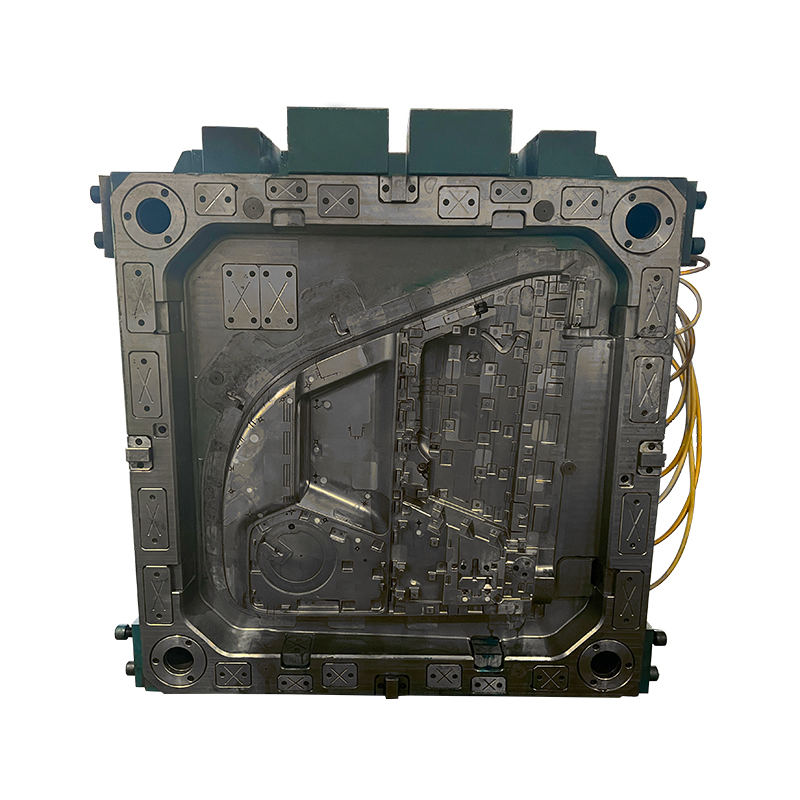
In the production process, SMC material is placed into a mold cavity, where heat and pressure cure it into a finished component. The material flows and fills the mold precisely, capturing intricate details and smooth surfaces that are challenging to achieve with standard plastic molding.
Key Advantages of SMC Product OEM
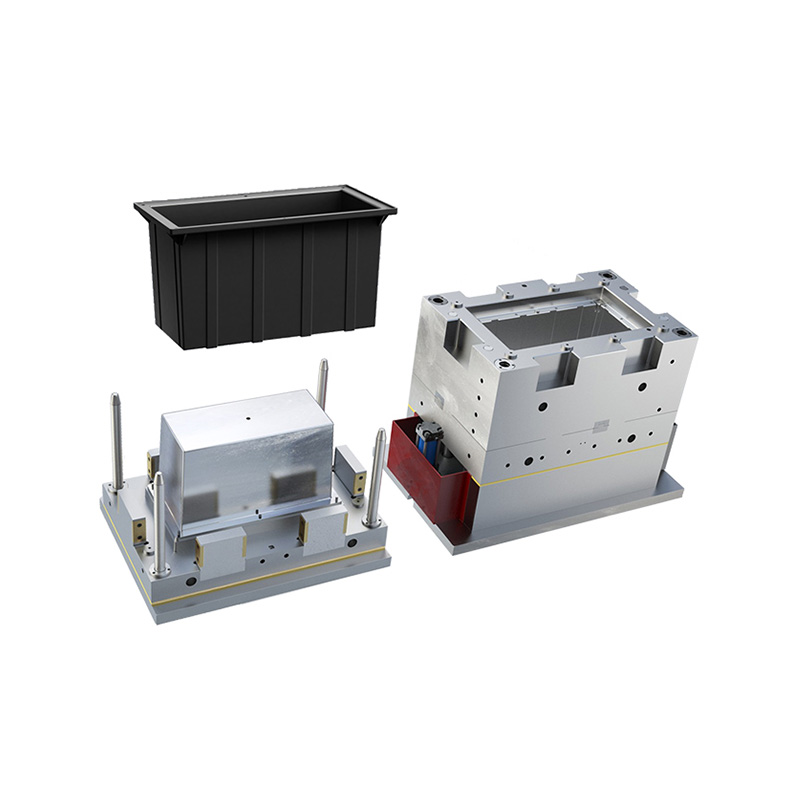
High Strength and Dimensional Stability
One of the primary benefits of SMC Product OEM is the combination of strength and stability. Components produced from SMC maintain their shape under mechanical stress and resist warping over time. This property makes SMC suitable for automotive panels, industrial housings, and electrical enclosures.
Complex Shape Capabilities
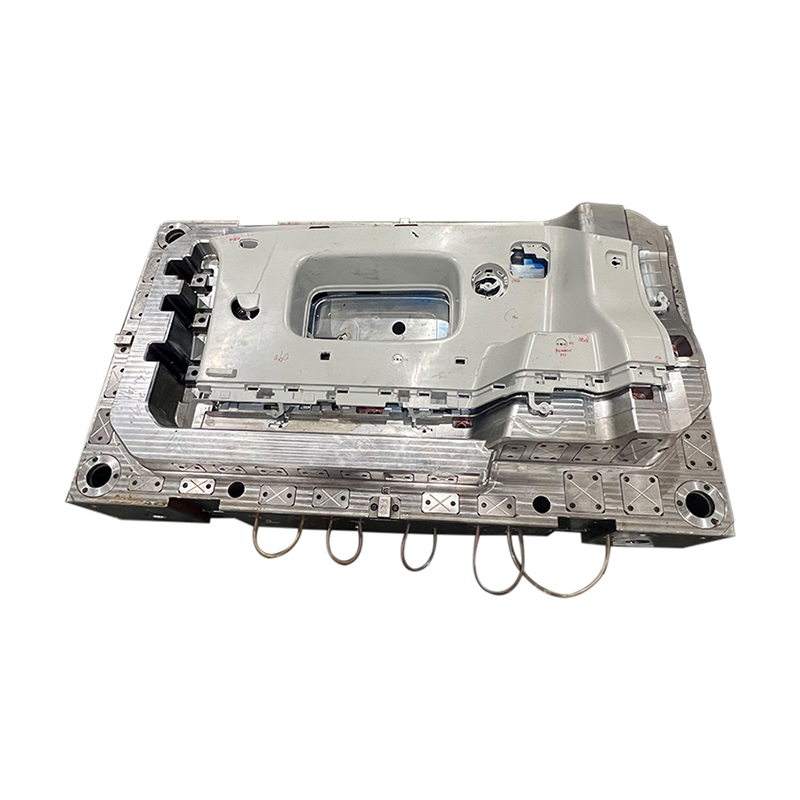
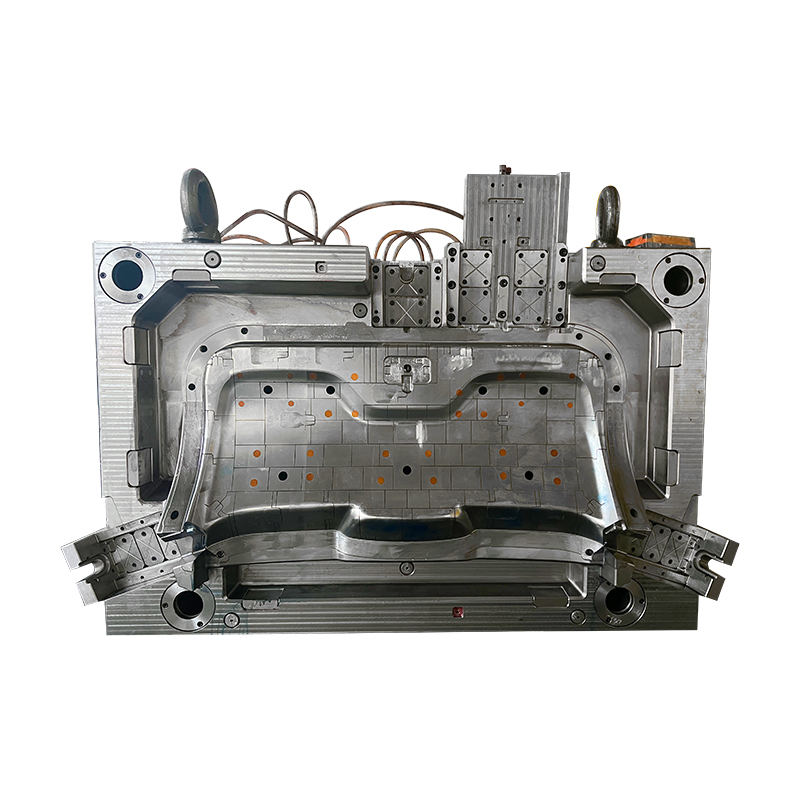
SMC Product OEM allows for the creation of parts with complex geometries. The mold design can include undercuts, curves, and surface textures, enabling manufacturers to produce components that meet precise specifications while maintaining structural integrity.
Lightweight Components
Using SMC materials can reduce weight compared to metal alternatives while maintaining strength. This benefit is especially important in sectors like automotive and transportation, where lowering component weight contributes to fuel efficiency and performance.
Working with an SMC Product OEM Manufacturer
Expertise in Mold Design and Fabrication
A reliable SMC Product OEM Manufacturer provides guidance on mold design, material selection, and process parameters. Their expertise ensures that components meet dimensional and performance requirements while minimizing production risks.
Technology and Process Optimization
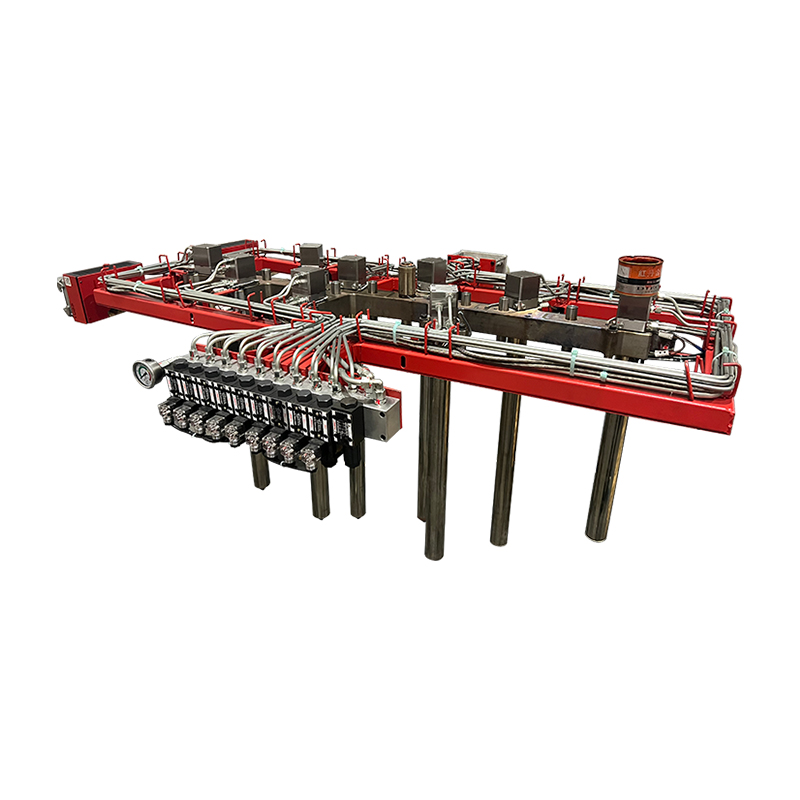
Modern manufacturers employ advanced mold design software and automated SMC handling systems. These technologies improve precision, reduce cycle time, and optimize material flow within the mold, ensuring components are both strong and visually consistent.
Applications Across Industries
SMC Product OEM is applied in a variety of sectors:
- Automotive: Panels, bumpers, and structural parts benefit from the strength-to-weight ratio of SMC.
- Electrical Enclosures: Heat-resistant and dimensionally stable components protect sensitive electronics.
- Industrial Equipment: Durable SMC parts support machinery housings and complex machine components.
The versatility of SMC allows OEM manufacturers to meet industry-specific requirements while producing high-quality, durable parts.
Practical Considerations for Manufacturers
When working with an SMC Product OEM Manufacturer, key considerations include part complexity, production volume, and material compatibility. Proper mold design and accurate material handling are critical to achieving consistent performance.
Curing temperature, pressure, and cycle time must be carefully controlled to avoid defects like voids or surface imperfections. Manufacturers often rely on experience and technology to fine-tune these parameters for each production run.
Cost and Production Efficiency
SMC Product OEM can provide cost advantages over other composite or metal solutions. Reduced post-processing, high yield rates, and long-lasting molds improve efficiency. Partnering with a knowledgeable SMC Product OEM Manufacturer ensures that production runs are optimized for both quality and cost-effectiveness.
SMC Product OEM combines strength, precision, and flexibility, making it a practical choice for automotive, electrical, and industrial applications. Working with an experienced SMC Product OEM Manufacturer guarantees access to technical expertise, advanced production methods, and consistent component quality. Efficient processes and versatile material properties allow manufacturers to deliver reliable, lightweight, and durable parts that meet industry standards.