ENG
ENG  English
 Español
 Português
 عربى
عربى 中文简体
中文简体A well-made Chair Mold plays a direct role in how a plastic chair looks, feels, and performs in daily use. In furniture manufacturing, the mold is not just a tool for shaping plastic. It also influences cycle time, product consistency, surface finish, assembly fit, and long-term production stability.
For factories producing plastic seating products, choosing the right mold solution often becomes a practical issue rather than a technical one. Uneven wall thickness, unstable chair legs, poor surface appearance, and repeated polishing or repair work can all slow down production. These are common concerns when the mold structure is not aligned with the product design or output target.
Why Is Chair Mold Important in Plastic Chair Manufacturing?
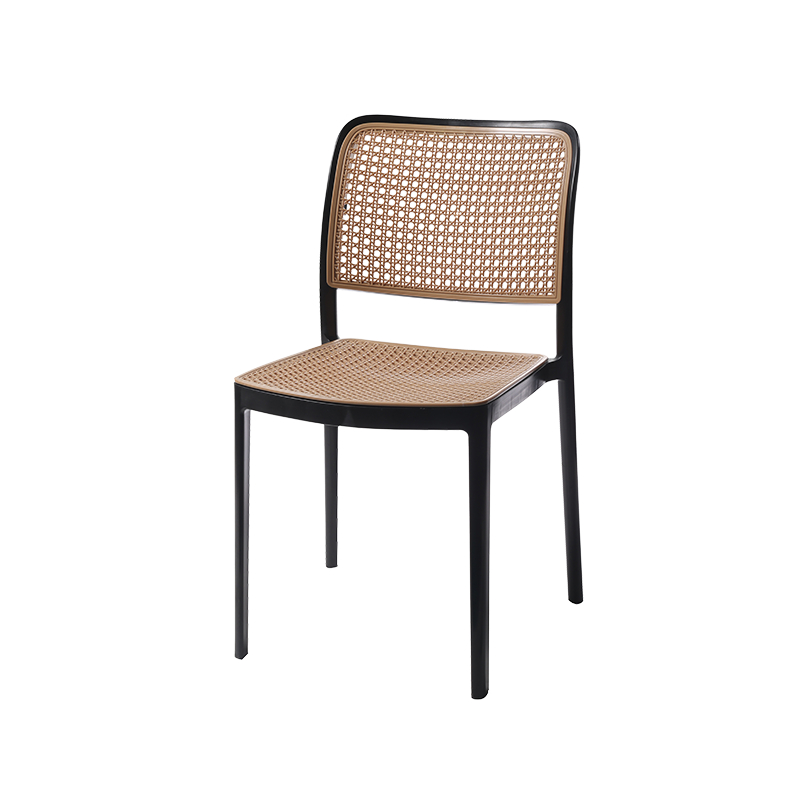
Plastic chairs are widely used because they are lightweight, durable, and easy to maintain. But a chair only performs well when the mold behind it is properly designed.
A Chair Mold determines the final shape of the chair, including the seat curve, backrest structure, leg balance, and edge details. Even a small deviation in mold design can affect how the finished chair sits on the floor or how comfortable it feels during use.
For manufacturers, this matters because chair products are usually made in volume. Once production starts, any issue in the mold can repeat across every unit. That is why the mold stage is where many production risks are either solved or created.
What Problems Can a Poorly Designed Chair Mold Cause?
Many production issues begin at the tooling stage. A mold that looks acceptable on paper may still create trouble during actual injection molding.
Uneven Surface Appearance
A chair used in homes, schools, cafes, or outdoor spaces often needs a clean and consistent finish. If the mold surface treatment is not handled well, the final product may show flow marks, sink areas, or rough texture.
Warping and Shape Deviation
Plastic chairs need a balanced structure. If the cooling system is not planned carefully, parts of the chair may shrink unevenly. This can affect stacking, floor contact, or even overall visual symmetry.
Slow Production Cycles
A mold with inefficient cooling or a poor ejection layout may increase cycle time. Over long production runs, even a small delay per shot can reduce factory output in a noticeable way.
Frequent Maintenance
When sliders, ejector systems, or core structures are not designed for stable operation, maintenance becomes more frequent. That means more downtime and less predictable production planning.
What Should Be Considered in Chair Mold Design?
A practical Chair Mold is not only about forming the chair shape. It also needs to support efficient manufacturing.
- Product Structure
The mold must match the chair's intended use. A dining chair, stackable chair, school chair, or outdoor chair may all require different rib structures, backrest forms, and load-bearing zones.
- Wall Thickness Balance
Uniform wall thickness helps reduce shrinkage differences and supports smoother material flow. This is especially important for larger plastic furniture parts.
- Cooling Layout
Cooling channels affect both production speed and product stability. Better temperature control usually helps reduce deformation and improve repeatability.
- Ejection System
Chair products often have larger surface areas and deeper structures. A balanced ejection system helps release the product cleanly without stress marks or damage.
A good Chair Mold helps manufacturers produce chairs that are suitable for indoor and outdoor use, easy to maintain, and practical for daily environments such as homes, schools, offices, and hospitality spaces.
As product styles continue to evolve, mold design also needs to adapt. Some projects focus on comfort and ergonomic lines. Others focus on stackability, simplified form, or stronger structural support. In each case, the tooling has to translate the design into a workable production result.
That is where an experienced Chair Mold Factory becomes useful. The goal is not only to create a mold that forms plastic, but to support stable and repeatable manufacturing over time.