ENG
ENG  English
 Español
 Português
 عربى
عربى 中文简体
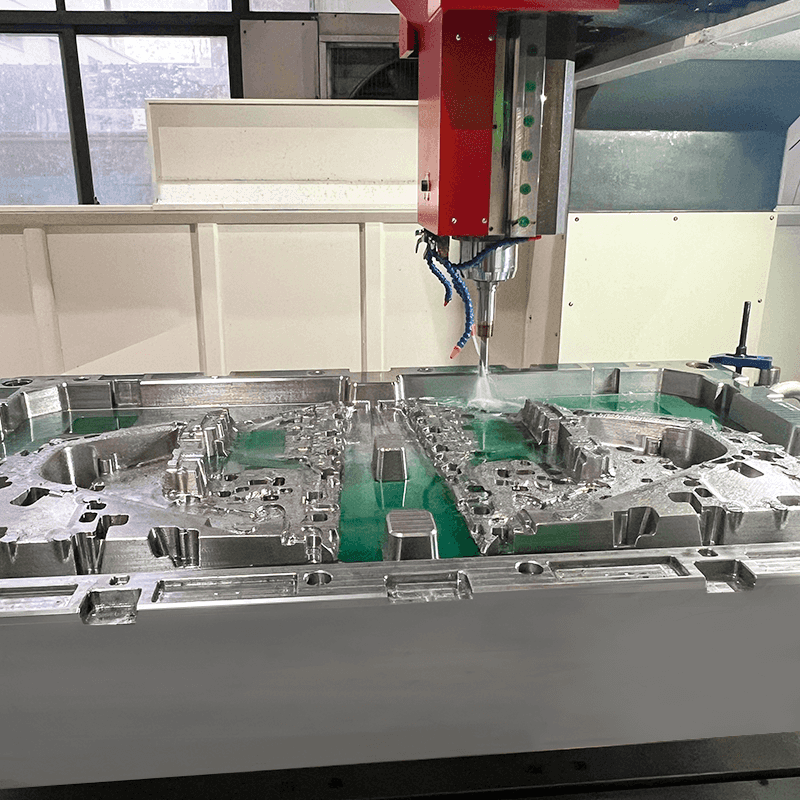
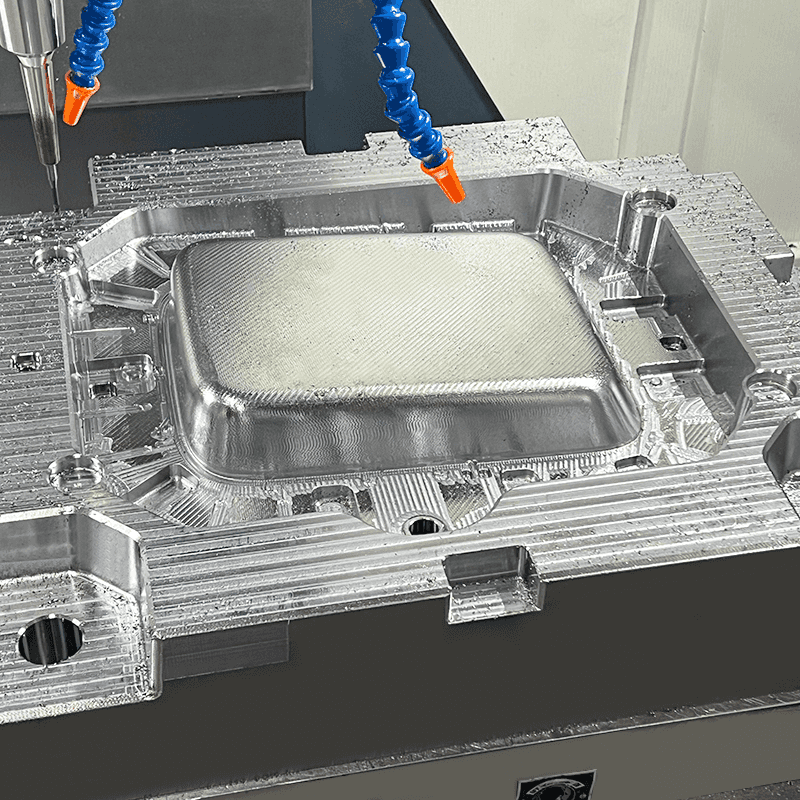
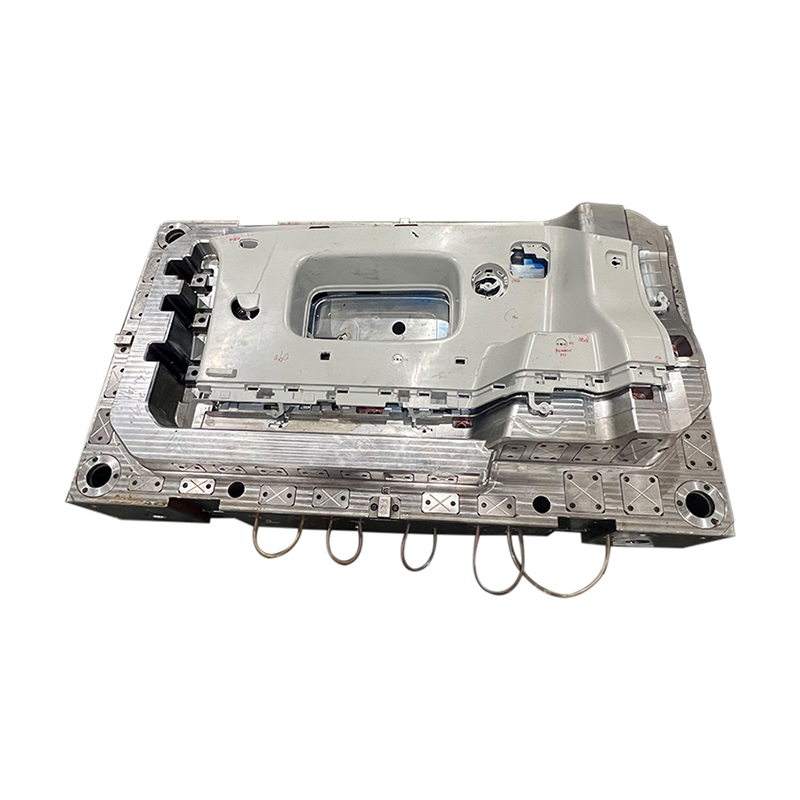
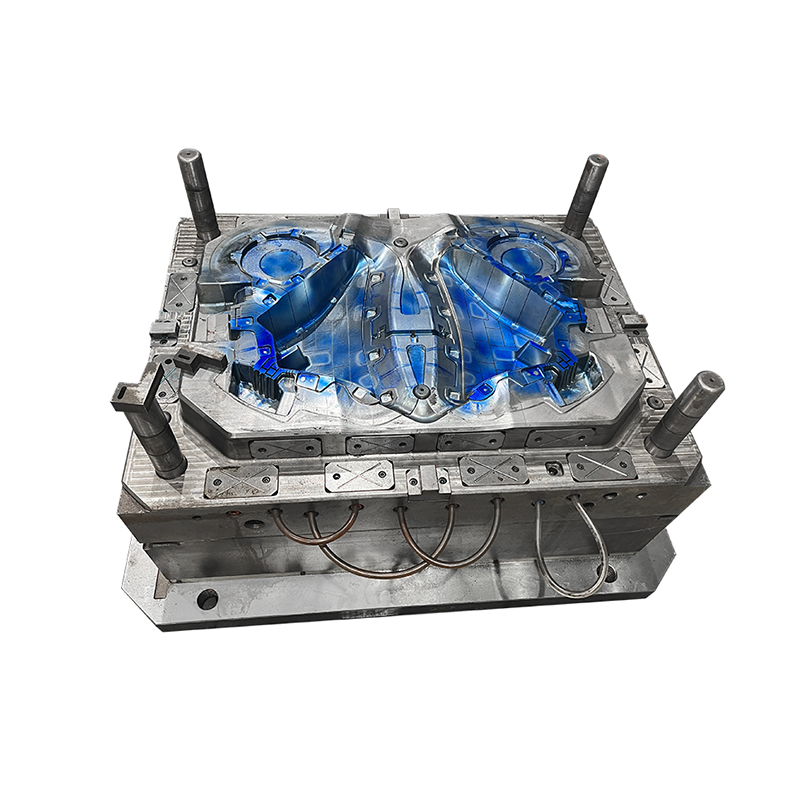
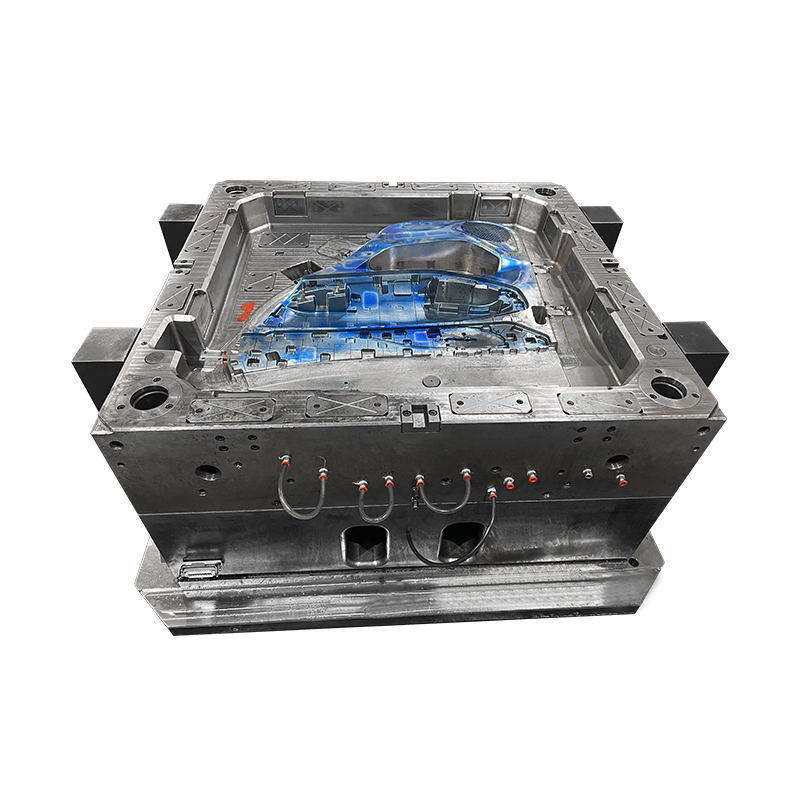
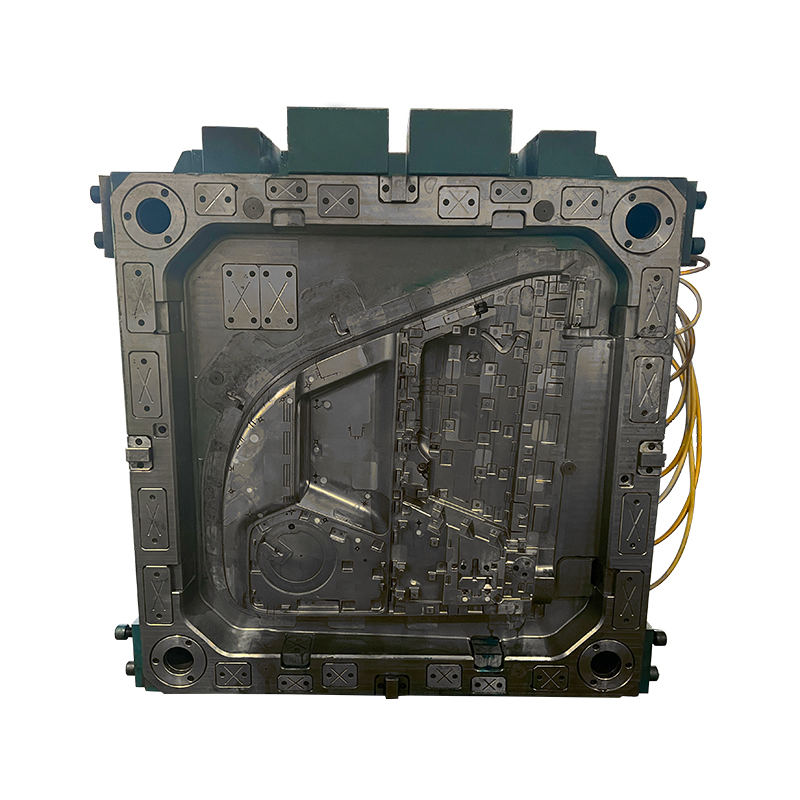
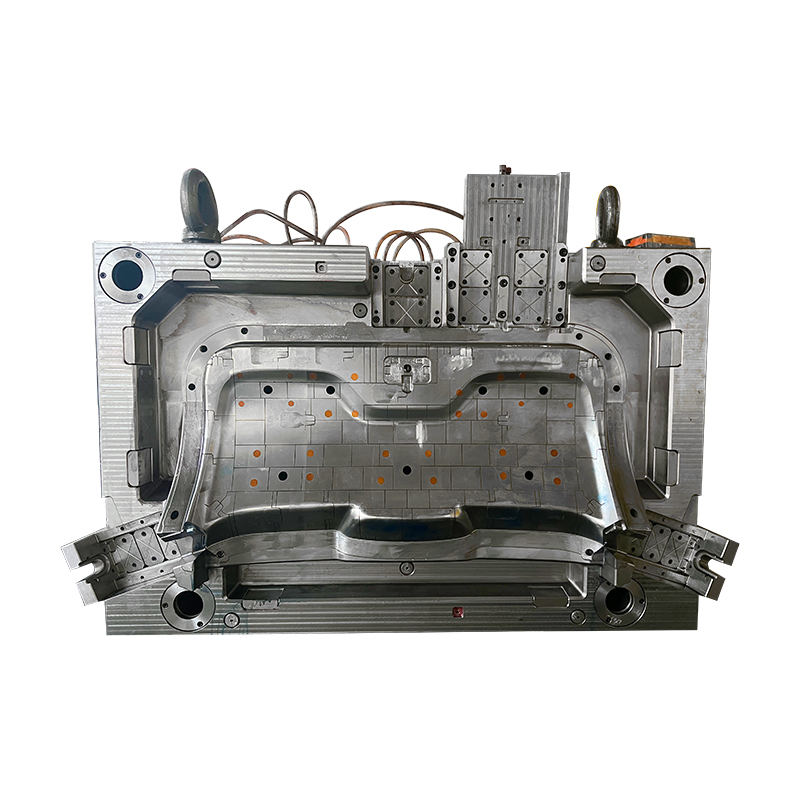
中文简体A well-designed Compression Mould plays an important role in plastic component manufacturing, especially for parts that require stable shape, structural strength, and repeatable production results. In many industrial applications, compression molding remains a practical process because it combines controlled forming with material efficiency and adaptable product design.
What Is a Compression Mould and How Does It Work?
A Compression Mould is used in a molding process where a measured amount of plastic material, often in granular, sheet, or powdered form, is placed into a heated mold cavity. The mold then closes under pressure, shaping the material into the required part.
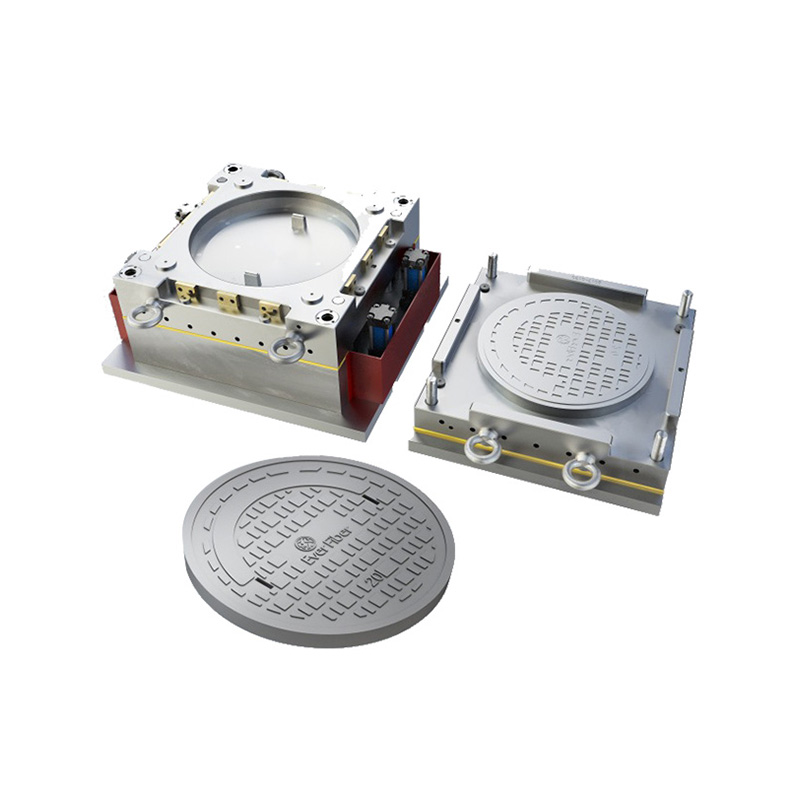
Unlike some other molding methods, compression molding relies on both heat and pressure to form the product. This makes it suitable for many plastic components that need dimensional stability and a consistent structure.
The basic process usually includes:
- preparing the raw material
- placing material into the mold cavity
- heating and compressing the material
- holding pressure during forming
- cooling and releasing the finished part
The process may sound straightforward, but production performance often depends heavily on tooling precision, temperature control, and mold condition.
That is why many manufacturers look beyond the mold itself and pay closer attention to the full support capability of the Compression Mould Factory they work with.
Why Do Manufacturers Still Use Compression Molding?
Compression molding continues to be widely used because it offers a practical route for producing plastic parts with controlled form and stable repeatability.
Factories often choose this process when they need:
Consistent Part Geometry
When the mold cavity is designed properly, compression molding can produce parts with reliable dimensions and balanced wall distribution.
Material Flexibility
A range of thermosetting and certain thermoplastic materials can be processed through compression molding, depending on product requirements.
Suitable Structural Performance
This process is often used for parts that require stiffness, shape retention, or surface consistency.
Process Stability for Repeated Runs
Once the mold and parameters are dialed in, production can remain relatively steady across repeated cycles.
These advantages are why a properly developed Compression Mould remains valuable across different manufacturing environments.
What Are the Common Pain Points in Compression Mould Production?
Factories using compression molding often face a familiar set of challenges. Many of them are not caused by the raw material alone. In many cases, the tooling condition or mold design plays a central role.
Uneven Product Surface
A poor cavity finish, trapped residue, or unstable temperature distribution can create visible marks or inconsistent surface quality.
Flash and Parting Line Issues
If the mold does not close evenly or if wear develops over time, excess material may appear around the edges of the molded part.
Dimensional Variation
Temperature fluctuations and inconsistent pressure application can affect final part dimensions, especially in higher-volume production.
Slow Cycle Rhythm
When heating or cooling performance is not well balanced, production rhythm can become less efficient and harder to manage.
Frequent Tool Repairs
Guide components, ejector systems, vents, and cavity edges all experience wear. Without proper upkeep, production interruptions become more common.
This is why many manufacturers treat tooling maintenance as part of production management, not just equipment upkeep.
Compression molding continues to stay relevant because it fits practical manufacturing needs: repeatable forming, controlled structure, and compatibility with a range of plastic materials.
A well-developed Compression Mould can support more stable production, cleaner part release, and fewer interruptions when paired with proper maintenance and process control.
At the same time, choosing the right Compression Mould Factory often affects more than tooling delivery. It can influence production rhythm, maintenance workload, and the consistency of the molded parts over time.