ENG
 English
 Español
 Português
 عربى
 中文简体
A box mould produces plastic boxes, storage containers, electrical enclosures and other box-shaped products. Its material decides how the mould handles repeated production, how well it holds its shape and how much care it needs in use. A good material choice also balances production needs, product design, maintenance and overall manufacturing cost.
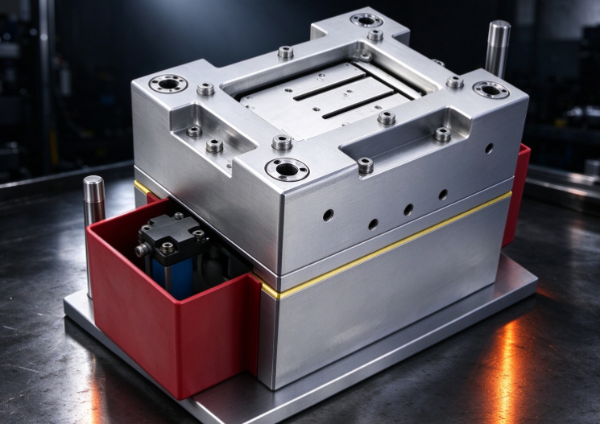
Every box mould has its own demands. A mould for a small electrical enclosure needs to handle fine details. One for a large storage box supports a different product structure and production process. The choice depends on the intended product, the mould design, the plastic being processed and the expected production conditions.
Knowing the common mould materials helps product designers, purchasing teams and manufacturers talk clearly during development. It also explains why certain materials end up in particular applications.
1. What Factors Influence the Choice of Box Mould Materials?
Box mould materials follow the demands of the finished product and the conditions the mould works in. No single material suits every application. A good choice supports the required shape, the production process and the maintenance plan.
Product design comes first. A simple box with broad surfaces asks different things of a mould than a product with narrow ribs, fastening points, clips or detailed corners. These features shape the mould structure and the work needed to cut the cavity. The material has to allow those features to be machined and still hold its shape in production.
Expected production volume matters too. A mould for occasional runs has different material needs from one that runs repeatedly for years. Repeated contact with plastic, movement between mould components and constant opening and closing all add wear. Manufacturers weigh these conditions when they pick a material.
The plastic being processed also plays a part. Plastics behave differently during moulding. Some need closer attention to heat management, while others are harder on mould surfaces. The mould material has to cope with the intended processing conditions.
Box shape and size count as well. Large moulds need careful thought about structural support and machining. Small products with fine features need materials that machine accurately.
Weigh cost alongside all of this. Material price is only part of the expense. Machining, surface treatment, maintenance and service life all feed into the total cost of running a box mould.
2. Why Is Steel Commonly Used for Box Mould Manufacturing?
Steel is a mould-making staple because it combines strength, durability and good machinability. It can be cut into the cavity, core and other components that form a box. Different grades bring different characteristics, so manufacturers match the material to the application.
Steel stands up to repeated production. During moulding, the mould sees temperature swings, contact between moving components and the forces of closing and opening. Suitable mould steel helps keep the intended geometry through all of it.
Grades vary a lot. Some resist wear. Others machine more easily or take particular surface treatments well. That range lets manufacturers fit the material to the mould's role.
Steel isn't one uniform material, though. Grades differ in properties, processing requirements and maintenance needs. Pick a grade without considering the mould design and operating conditions, and you risk extra machining costs or poor performance.
Steel components need proper care. Moisture, bad storage and unsuitable cleaning lead to corrosion in materials without adequate protection. Consider the working environment and maintenance arrangements when choosing the steel.
For box moulds in regular production, steel is a practical option when the application calls for a durable structure and the material suits the planned manufacturing process.
3. What Types of Steel Are Used in Box Moulds?
Several types of steel go into box moulds. The choice depends on the required surface quality, production demands, component design and manufacturing method. They share some traits, but they aren't interchangeable in every application.
| Material Type | Common Characteristics | Possible Application Considerations |
|---|---|---|
| Pre-hardened mould steel | Supplied in a condition that can reduce the need for additional hardening after machining | May suit mould components that need a practical balance between machining and service requirements |
| Hardenable mould steel | Can be heat-treated to change its working properties | May be considered when the design calls for specific wear or strength characteristics |
| Corrosion-resistant mould steel | Offers resistance to corrosion under suitable conditions | May be useful where moisture, cleaning, or material-related conditions make corrosion resistance important |
| General-purpose steel | Available in grades suitable for various manufacturing tasks | May be used for supporting components or mould parts with less demanding requirements |
| Wear-resistant steel | Selected for applications where repeated contact can cause surface wear | May be suitable for components exposed to regular movement or abrasive conditions |
Pre-hardened steel simplifies some workflows. It arrives ready for machining and use, without the post-machining hardening that other grades need. Its suitability still depends on the mould design and the properties the application requires.
Hardenable mould steel offers another route. Heat treatment changes the material's working characteristics, but the process needs careful management. Dimensions or shape can shift during treatment, so the manufacturing sequence has to account for how the material behaves.
Corrosion-resistant steel fits moulds exposed to moisture or maintenance conditions where corrosion is a worry. Don't assume every grade gives the same protection under all conditions.
General-purpose and wear-resistant grades serve different needs. A supporting component doesn't need the same material as a mould surface that sees repeated contact. Manufacturers can use different materials within a single mould when the design and process allow.
4. Can Aluminum Be Used to Make a Box Mould?
Aluminum is another material used in certain mould-making applications. It's relatively light and machines efficiently, which makes it attractive for prototypes, sample production and projects where development speed counts.
A lighter mould is easier to handle during some manufacturing and setup tasks. Aluminum also supports quick changes during product development. If a box design is still under evaluation, being able to machine or modify the mould quickly helps the team assess the product before committing to a different mould construction.
Aluminum doesn't suit every box mould, though. Its characteristics differ from those of mould steel, especially in wear and the demands of repeated production. An aluminum mould may call for a different maintenance approach, depending on its design and use.
The plastic material and expected production conditions matter here as well. Some applications ask more of the mould surface or structure than aluminum is built to deliver. Assess these requirements. Don't choose aluminum just because it's easier to machine.
| Consideration | Aluminum Mould | Steel Mould |
|---|---|---|
| Weight | Generally lighter | Generally heavier |
| Machining | Often suitable for efficient material removal | Machining requirements vary by grade and condition |
| Wear considerations | Requires assessment for the intended production demands | Suitable grades may support repeated production with appropriate maintenance |
| Common development role | May be considered for prototypes or selected production tasks | Commonly used for moulds with a range of production requirements |
| Material selection | Depends on design, plastic, and operating conditions | Depends on grade, treatment, design, and production needs |
The comparison is general. Neither material automatically fits every project. Let the expected moulding conditions, product geometry, production schedule and maintenance plan drive the decision.
For a new box design, aluminum works well when rapid development and manageable mould weight are the priorities. Other applications favor steel because of the load repeated use puts on the mould.
5. How Do Heat Treatment and Surface Treatment Affect Box Mould Materials?
The base material is only part of the manufacturing decision. Heat treatment and surface treatment also shape how a mould component behaves in production. Choose these processes by material grade and component function.
Heat treatment adjusts the working characteristics of certain steels. Depending on the material and the treatment, it changes hardness, strength and wear resistance. The treatment has to match the component's intended use.
The manufacturing sequence matters. If a component changes shape during heat treatment, extra machining brings it back within the required dimensions. That affects production planning and cost. Manufacturers consider how the material responds to treatment before deciding how to build the mould.
Surface treatment does a different job. Depending on the process, it addresses surface wear, corrosion or other application-specific concerns. Not every mould component needs the same treatment, and some materials need particular preparation before a treatment goes on.
The mould's surface condition also affects the look of the finished box. A mould built for a smooth surface needs suitable machining and finishing. If the product has textured areas, the mould surface must be prepared to create that appearance.
Don't treat these processes as universal upgrades. A treatment that suits one material or application is unnecessary or unsuitable for another. Review the mould's design, material specifications and expected working conditions before deciding whether extra treatment makes sense.
6. Which Material Is Suitable for Different Box Mould Applications?
The best material depends on the box's purpose and the demands of its production process. Storage boxes, electrical enclosures, industrial containers and packaging products look alike in basic shape, yet their moulds have different requirements.
For plastic storage boxes, the mould supports broad surfaces, reinforced corners, handles or stacking features. The material has to suit the mould's size and the expected production frequency. Steel fits repeated production, while aluminum is worth evaluating for prototypes or other suitable uses.
Electrical enclosures often include mounting points, fastening features, openings and internal structures. These details shape mould design and machining requirements. The material should let the mould components be made accurately and match the intended production conditions.
Industrial containers need moulds built around a particular wall structure, surface finish or product geometry. If the mould sees repeated use, wear and maintenance become key selection factors.
Packaging boxes bring different priorities. Some projects focus on product development and design changes, while others need a mould for regular manufacturing. The right material depends on the project stage and the demands of the finished product.
| Box Product Type | Mould Requirements to Consider | Material Selection Focus |
|---|---|---|
| Plastic storage box | Large surfaces, corners, handles, and stacking features | Structural needs, machining, and expected production frequency |
| Electrical enclosure | Mounting points, openings, clips, and internal details | Dimensional control, feature complexity, and mould construction |
| Industrial container | Product structure, wall design, and repeated moulding | Wear considerations, mould size, and maintenance |
| Packaging box | Product appearance, shape, and possible design changes | Development needs, machining requirements, and production plans |
| Custom plastic box | Application-specific geometry and functional features | Compatibility with the product design and intended moulding process |
These categories are a starting point, not a fixed material specification. Make the final choice after reviewing the actual product drawing, plastic material, mould structure and production requirements.
A clear conversation between the product designer and the mould manufacturer surfaces material requirements before machining begins. That helps most when the box has complex details or the design is likely to change during development.
7. What Should Manufacturers Check Before Selecting a Box Mould Material?
Start material selection with a clear picture of the mould's purpose. A material that works well for one product gives different results on another. Reviewing the main design and production requirements keeps manufacturers from choosing on price alone.
The product drawing is the natural starting point. It shows the box's shape, wall structure, openings, corners and other features that drive mould construction. It also shows whether particular components need detailed machining or special surface preparation.
Next, review the expected production conditions. Know how often the mould will run, which plastic it will process and what maintenance is available. These answers show whether the material must address specific wear, corrosion or processing concerns.
The mould manufacturer's capabilities matter too. Different materials call for different machining methods, heat treatments or finishing processes. A suitable material has to be practical for the mould's eventual use and for the planned manufacturing route.
Check the documentation as part of selection. Material specifications and relevant manufacturing records confirm that the supplied material matches the agreed requirements. Clear documentation also supports later maintenance and repair decisions.
Evaluate cost over the mould's working life. A lower material price doesn't always mean lower overall expense if the material needs frequent repairs or doesn't suit the production conditions. Going the other way, a more demanding material without a clear need adds expense for nothing.
Compare material characteristics with the real requirements of the box mould. The goal is a material that fits the product design, production process, manufacturing capabilities and maintenance plan.