ENG
ENG  English
 Español
 Português
 عربى
عربى 中文简体
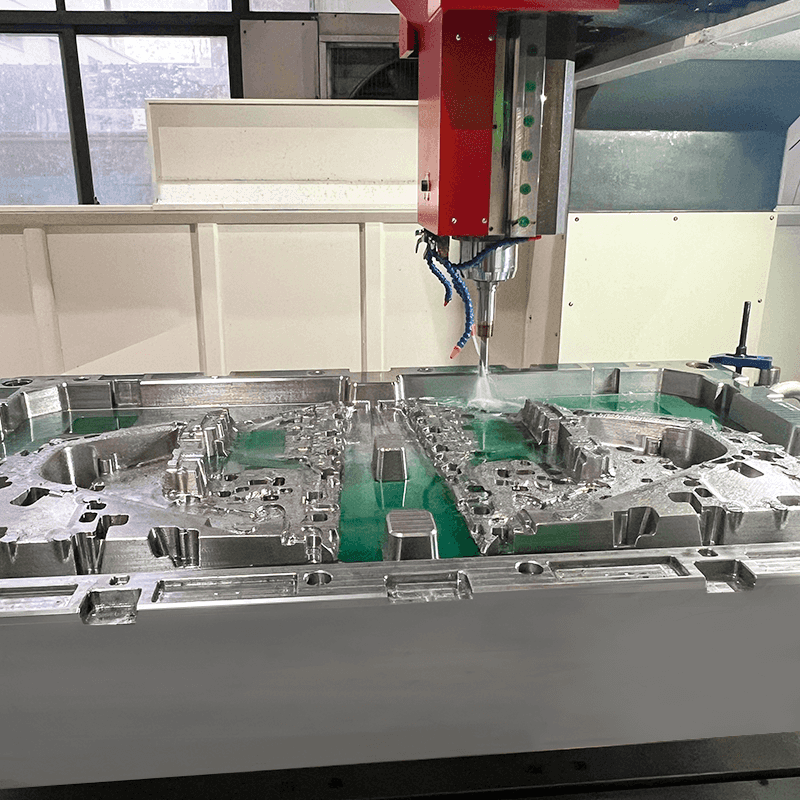
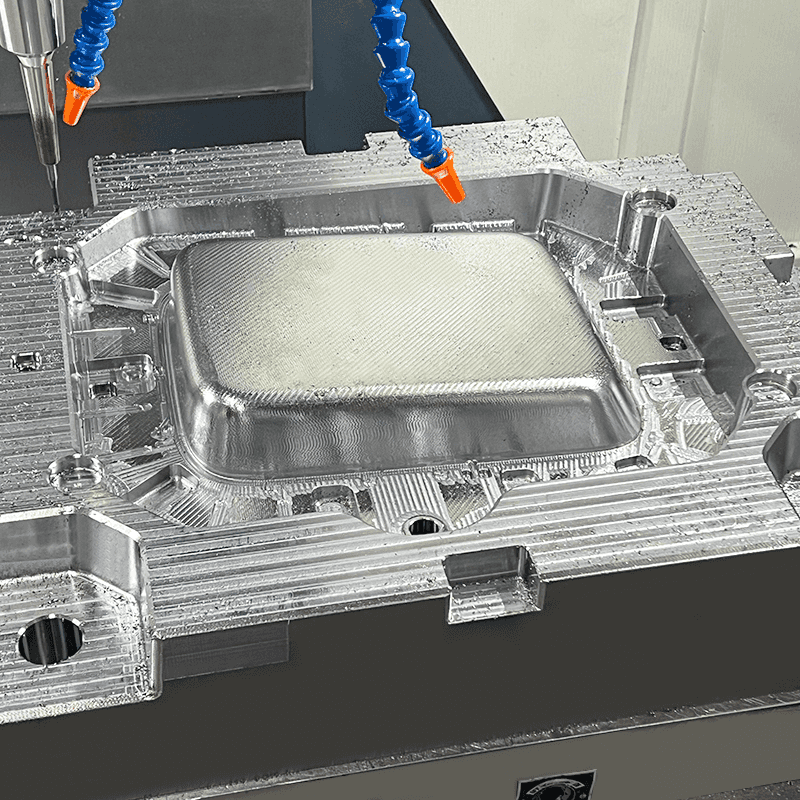
中文简体Storage boxes are part of everyday life. They sit quietly in warehouses, homes, delivery systems, and factory floors. Behind each box is a shaping process that allows it to exist in large numbers with consistent form. That process depends on molds. Storage box mold is widely used across industries, not as a single-purpose tool, but as a flexible solution that adapts to different needs.
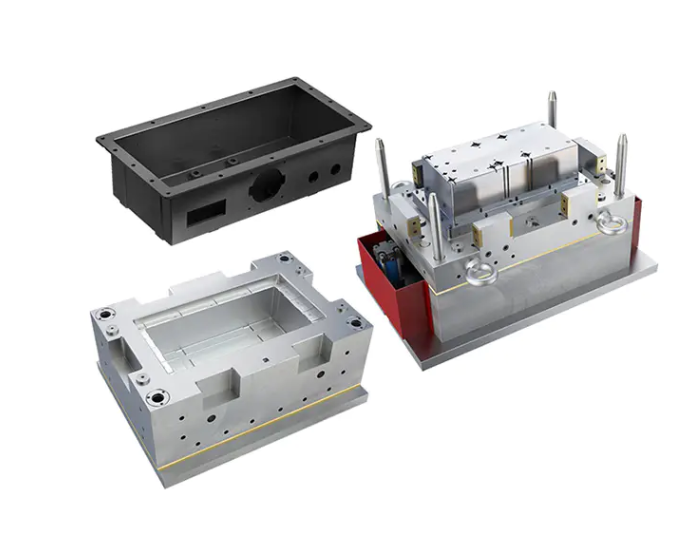
In recent industry conversations, attention has shifted from simple production to application diversity. Manufacturers are no longer asking only how to make boxes. They are asking where those boxes go, how they are used, and how molds can support that journey.
Why Are Storage Box Molds So Widely Used?
Demand for storage solutions just keeps climbing. Goods move around more than ever. Spaces need tighter organization. Products need real protection while they're in transit or sitting in storage. Box molds meet all of that by making repeatable production possible in the first place.
A mold lets manufacturers turn out the same shape over and over, and that consistency actually matters a lot more than it sounds. It's what makes stacking work, what simplifies transport planning, what lets space get used efficiently. It also keeps products compatible across completely different handling systems down the line.
Adaptability plays into this heavily too. Storage boxes come in more forms than people usually realize — some are just plain containers, others carry lids, internal compartments, or structural reinforcement built right in. Molds make all of that variation possible without forcing a manufacturer to redesign their entire production line from scratch every time.
Where Are Storage Box Molds Used in Logistics and Warehousing?
Logistics is probably the most visible place these molds show up. Storage boxes organize goods, keep items separated, and generally speed up handling wherever they're used. In warehouses specifically, they're just part of the daily rhythm of operations.
Boxes coming out of these molds are usually built with stacking in mind. That opens up vertical storage, which saves real floor space. Workers can move them without much thought, and automated systems can recognize them instantly as standard units moving through the pipeline.
In distribution settings, boxes help group items together for transport, protect goods from getting knocked around, and keep shipments organized from the moment they leave the warehouse. Box molds make all of this possible by turning out uniform containers that slot cleanly into larger logistics systems.
| Application Area | Role of Storage Boxes |
|---|---|
| Warehousing | Organizing and stacking goods |
| Distribution | Grouping and protecting items |
| Inventory Handling | Simplifying item identification |
| Transport Support | Supporting stable movement |
The mold's role here stays mostly behind the scenes, but it's genuinely essential. Without consistent shapes coming out of the production line, these entire systems would get a lot harder to manage.
How Are Storage Box Molds Applied in Retail and E-Commerce?
Retail and online sales both lean heavily on packaging and storage to function at all. Products travel from storage areas all the way to customers through a long chain of handling steps, and storage boxes are woven into every stage of that journey.
In physical retail, boxes handle a lot of the invisible inventory work — sorting products, holding surplus stock, prepping goods before they hit the shelves.
In e-commerce specifically, storage boxes tend to support order prep directly. Items get grouped together before packaging even starts, and organized storage cuts down on mistakes while speeding up how fast orders actually get processed.
Molds keep boxes consistent, and that consistency is what lets the whole system run smoothly. Shelves, conveyors, and handling equipment all tend to depend on shapes staying predictable batch after batch.
Retail environments also care about appearance in a way warehouses don't always have to. Storage boxes sometimes end up visible to customers directly, and clean design paired with uniform structure just contributes to a more organized feel overall.
Are Storage Box Molds Used in Manufacturing Environments?
Manufacturing facilities lean on storage boxes constantly, and in more ways than people might expect. They're woven right into internal workflows, moving components, tools, and semi-finished products between different stages of production.
Storage boxes keep all of that organized. Workers depend on them to keep items separated and easy to grab, which cuts down on confusion and keeps production flowing without unnecessary snags.
Molds let manufacturers build boxes that actually match their own processes. Some get built small, purpose-made for tiny parts. Others are sized up to hold larger components. Shape and structure flex depending entirely on the task at hand.
| Function | Purpose |
|---|---|
| Component Storage | Keeping parts organized |
| Process Transfer | Moving items between stages |
| Tool Management | Holding tools and accessories |
| Waste Collection | Gathering unused materials |
These uses show how box mold factory support more than just the finished product rolling off the line — they're just as woven into the internal machinery of operations themselves.
What Role Do Storage Box Molds Play in Agriculture and Food Handling?
Agriculture and food-related industries demand genuinely careful handling. Products here tend to be sensitive to damage and contamination alike, and storage boxes help keep things orderly through harvesting, transport, and storage all at once.
Boxes coming out of these molds get used to collect, sort, and move goods along. Their shape supports stacking for efficient storage, while still leaving room for easy access during inspection and handling.
Cleanliness matters a lot in food-related work specifically. Storage boxes here tend to be designed with easy cleaning in mind — smooth surfaces, simple shapes, nothing that traps residue or makes sanitizing a hassle.
Molds make it possible to build these features in consistently, batch after batch, which supports both smoother handling and a genuine safety-first mindset in daily operations.
How Are Storage Box Molds Used in Household and Consumer Products?
Storage boxes were never confined to industrial settings alone. They're woven right into everyday household life too, helping people organize personal items, clothing, tools, and all kinds of accessories.
Manufacturers use molds to build boxes that fit different living spaces — some designed for closets, others meant to slide under a bed or sit neatly on a shelf. Visual design carries real weight in this space in a way it just doesn't in a warehouse setting.
Unlike industrial uses, household storage tends to care about looks just as much as function. Shapes soften up a bit, and decorative touches often make their way into the design.
That shift really shows how flexible molds actually are — the same basic concept bends to serve both purely practical needs and genuinely aesthetic ones depending on where it lands.
Can Storage Box Molds Support Customization Across Industries?
Customization is becoming more common. Industries want products that match their specific workflows.Box molds can support this trend by allowing variations in shape and design.
Customization does not always mean complexity. Sometimes small adjustments make a difference. A slightly different size or structure can improve usability.
Molds can be designed to produce these variations. This allows manufacturers to meet different requirements without changing the entire production method.
Some examples of customization needs include:
- Adjusting box shape for specific storage systems
- Creating compartments for item separation
- Designing stackable structures for limited space
- Matching box dimensions to transport equipment
These changes show how molds can respond to evolving demands.
Why Do Different Industries Rely on Similar Storage Box Designs?
At a glance, industries look wildly different from one another. But dig a little deeper, and a lot of them share the exact same underlying needs — organization, protection, and efficient movement of goods from point A to point B.
That overlap naturally leads to similar storage solutions across the board. A box sitting in a warehouse might not look all that different from one sitting in a workshop. The purpose lines up closely even when the surrounding context changes completely.
Molds are really what keep that consistency alive. They let a solid design get reused across wildly different applications, which supports production efficiency on one side and genuine familiarity for users on the other.
At the same time, small tweaks let each industry adapt the basic design to its own needs. That balance between standardization and flexibility is a big part of why box molds have ended up so widely used across such different fields.
How Do Industry Trends Influence Storage Box Mold Applications?
Industry trends shape how storage boxes are designed and used. As workflows change, storage needs also evolve. Automation, space optimization, and material handling practices all influence mold design.
In some environments, there is a shift toward more structured storage systems. Boxes must fit into organized layouts. In others, flexibility is more important. Boxes need to adapt to changing tasks.
Environmental awareness also plays a role. Reusable storage solutions are gaining attention. Storage boxes produced through molds can support repeated use, which aligns with this trend.
The design of molds continues to respond to these shifts. Changes may be subtle, but they reflect broader developments in how industries operate.
Storage box molds remain a quiet but essential part of many industries. They shape products that support movement, organization, and storage across different environments. Their applications continue to expand as industries look for practical and adaptable solutions.