ENG
ENG  English
 Español
 Português
 عربى
عربى 中文简体
中文简体The plastic box market is changing in ways that are easy to notice. Customers are asking for products that are more practical, easier to use, and suitable for different situations. Behind these changes, plastic box molds are also going through a transformation.
A mold is not only a production tool. It affects the shape, quality, and possible applications of a plastic box. When product expectations change, mold design needs to follow the market direction.
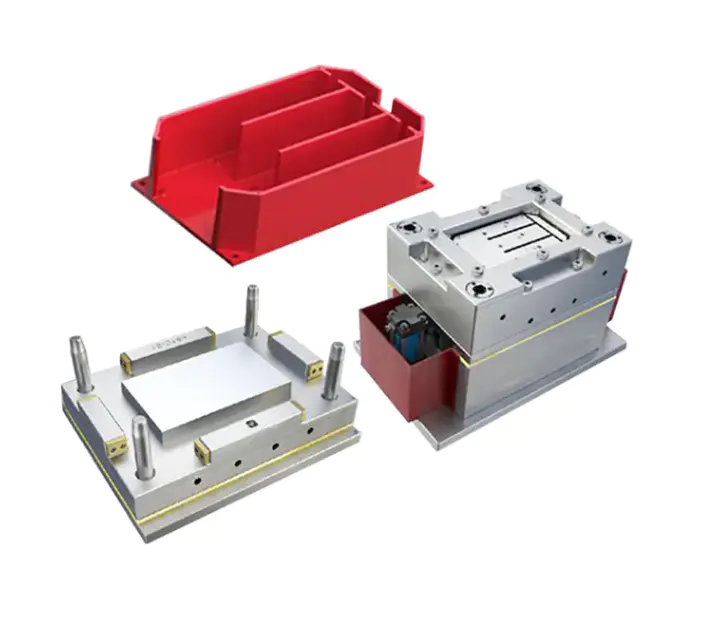
In the past, many plastic box products focused mainly on basic storage functions. Today, businesses from different industries have different requirements. Some need packaging boxes with better appearance, while others need stronger solutions for repeated use. This variety is creating new challenges and opportunities for box mold manufacturers.
Several changes are influencing the way box molds are designed and produced. From environmental considerations to customized products, these trends are gradually changing the industry landscape.
Why Is Sustainability Becoming a Consideration in Plastic Box Mold Design?
Environmental concerns have been creeping into just about every corner of manufacturing, and plastic products haven't been spared from that shift. More companies these days are looking closely at how a product gets designed, how it's produced, and what happens to it across its entire service life—not just the moment it leaves the factory.
For box molds specifically, that shift means designers can't just focus on getting the final shape right anymore. How much material actually goes into a piece, how the product is structured, and how it holds up under long-term use—these have all become part of the same design conversation, rather than separate afterthoughts.
Reusable plastic boxes, in particular, have been picking up a lot of attention across different industries lately. Where single-use packaging gets used once and tossed, something reusable can deliver value again and again through repeated use, and that kind of return is hard to ignore. It's pushed manufacturers toward molds that actually support durability—designs built to last, not just designs that look fine on day one.
A mold that's been thought through carefully can cut down on material that would otherwise go to waste. Beyond that, it can also support boxes that are simpler to maintain and hold up reasonably well across different environments, whether that's a warehouse, a shipping route, or somewhere out in the field.
Some common sustainability considerations include:
| Consideration | Influence on Mold Design |
|---|---|
| Longer product service life | Encourages stronger structures |
| Reduced material waste | Promotes efficient product shapes |
| Reusable applications | Creates demand for durable designs |
| Environmental awareness | Inspires new product ideas |
The move toward sustainable production is not simply about changing materials. It also involves improving the way products are planned from the beginning. Plastic box molds will need to support designs that match these changing expectations.
How Is Customization Changing the Demand for Plastic Box Molds?
Standard plastic boxes cover a lot of ground, but they were never going to solve every problem across every industry—that's just not realistic. What a food storage box needs looks nothing like what a transportation container needs, and an industrial storage box brings its own set of demands entirely. Put those differences side by side, and it's easy to see why demand for customized mold solutions keeps climbing.
That customization push has actually reshaped how customers and mold manufacturers work together. Rather than just picking from an existing catalog of designs, a lot of customers now step into the process much earlier—talking through product functions, appearance preferences, and how the item will actually be used, well before mold production even starts. That earlier involvement ends up producing molds that fit real market needs a lot more closely than something built off a generic template ever could.
This customization trend shows up in a handful of noticeable ways—different product shapes, specialized storage functions, distinctive appearance choices, better handling features, and applications tailored to specific industries all keep coming up in conversations with manufacturers.
None of this happens, though, without manufacturers themselves getting more flexible on the design side. A mold that can bend and adapt to different requirements tends to give businesses a real edge, letting them respond to market shifts faster than they could with a rigid, one-size-fits-all setup.
Taken together, the rise of customized products signals something bigger: box molds are drifting away from simple mass-production thinking, with more energy going into building products that actually serve a clear purpose and deliver real, practical value.
Are Digital Design Methods Changing Mold Development?
The manufacturing process is becoming more connected with digital tools. Plastic box mold development is also being influenced by this change.
Before production begins, designers can now review product ideas more carefully. Digital methods help teams communicate design concepts and make adjustments before moving into manufacturing.
This reduces some problems that may appear during later production stages. It also allows customers and manufacturers to have a clearer understanding of the final product direction.
Digital development is changing daily work in mold production. Designers can organize ideas more efficiently, while manufacturers can improve communication between different production steps.
The influence of digital methods can be found in:
- Better design discussions
- Easier modification processes
- Clearer product planning
- Improved cooperation between teams
However, digital tools do not replace practical experience. Experienced designers still play an important role in understanding materials, product functions, and manufacturing conditions.
The combination of experience and digital support is creating a different approach to box mold development.
Why Are Lightweight Plastic Box Designs Receiving More Attention?
A lot of industries these days want products that are easy to move around and just as easy to store, and that alone has pushed lightweight plastic box designs into the spotlight more than before.
That said, making something lighter isn't just about cutting back on material and calling it done. A plastic box still has to hold its own during everyday use, so designers end up thinking hard about how the thing will actually be handled and where it's headed once it leaves the factory.
Plastic box molds play a direct role in getting that balance right. Whatever structure the mold creates ends up shaping how the box actually performs once it's out in the real world.
Take storage products meant for warehouses or homes—those need to be simple enough to carry without much effort. Packaging boxes built for transportation, though, have to juggle handling convenience alongside actual protection for whatever's inside. Different situations, in other words, tend to call for different design instincts entirely.
This whole lightweight trend keeps pushing manufacturers to pay closer attention to a few things at once—building structures that are genuinely practical, keeping handling convenient, using material efficiently instead of wastefully, and generally making the storage experience feel less clunky overall.
As more users keep chasing convenience, it wouldn't be surprising to see lightweight plastic boxes turning up in more and more applications going forward.
How Are Appearance and Function Affecting Plastic Box Mold Innovation?
Plastic boxes are no longer judged only by their basic function. Appearance has become another factor that influences product selection.
A simple storage box may now need to look cleaner, feel easier to use, and fit better into modern living or working spaces. For businesses, packaging appearance can also influence how customers view a product.
Because of this, box mold design is paying more attention to product details. Small changes in shape, surface style, or opening method can influence the overall user experience.
Modern plastic box designs often consider:
| Design Element | User Benefit |
|---|---|
| Comfortable edges | Easier handling |
| Practical opening systems | More convenient use |
| Organized internal space | Better storage |
| Attractive appearance | Improved product image |
These details may seem simple, but they can make a difference in daily use. Mold manufacturers need to understand that a successful product is not only about production efficiency. It also depends on how people interact with the final product.
What Impact Do New Materials Have on Plastic Box Mold Development?
Material selection has always been connected with mold design. Different materials can influence the final appearance, strength, and application of plastic boxes.
As the market explores more material options, box mold manufacturers need to consider how these choices affect product development.
A mold designed for one type of material may need adjustments when another material is introduced. This requires cooperation between product designers, material suppliers, and mold producers.
Material-related changes are influencing the industry in several ways:
- More attention to recyclable options
- Greater demand for durable products
- More choices in product appearance
- Wider application possibilities
Material development also creates new opportunities. Different materials can help companies explore new product categories and improve existing designs.
The connection between materials and molds will continue to become closer. Future box mold development will depend on finding suitable solutions for both product needs and manufacturing conditions.
How Is Flexible Production Affecting the Plastic Box Mold Industry?
Market demand is changing quickly. Companies often need to respond to different customer requirements instead of producing only one standard product.
This situation has increased the value of flexible production. Box mold manufacturers are looking for ways to support different designs while maintaining smooth production processes.
Flexibility allows businesses to adjust products according to market needs. It can help manufacturers handle different orders and create more suitable solutions for customers.
This trend is influencing mold development through:
- More adaptable designs
- Greater product variety
- Easier design changes
- Better response to customer needs
Flexible production is becoming an important direction because markets are becoming more diverse. Companies need solutions that can adjust rather than remain fixed.
What Direction Will Plastic Box Molds Move Toward?
The box mold industry is changing together with the markets it serves. Customer expectations, environmental concerns, and manufacturing improvements are all influencing new design ideas.
Future box molds will need to support products that are practical, adaptable, and suitable for different applications. The focus is moving from simply producing boxes to creating better solutions for real usage situations.
Manufacturers are paying more attention to product design, material choices, and production flexibility. These changes are helping box molds become more connected with modern manufacturing needs.
As industries continue to develop, plastic box mold design will keep adapting to new challenges and opportunities. The companies that understand market changes and respond with suitable solutions will be better prepared for the next stage of product development.