ENG
ENG  English
 Español
 Português
 عربى
عربى 中文简体
中文简体Plastic boxes might look pretty straightforward once they're sitting on a shelf as a finished product, but the mold behind them is a whole different story — it takes a lot of careful planning and seriously detailed engineering work to get there. Whether it's for household storage, commercial packaging, everyday organization, or industrial use, how that box actually looks, holds together, and functions really comes down to how the mold was developed and built in the first place.
For mold makers, putting together a plastic box mold ends up being a lot more than just building some shaping tool. It really requires a solid grasp of what the product's actually meant to do, what production is going to look like in the real world, and what each client is specifically expecting out of it.
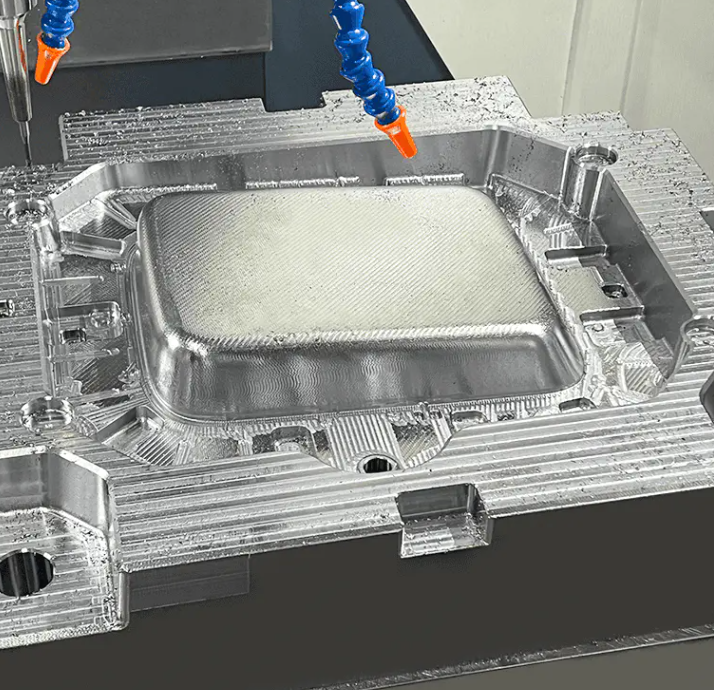
Even small tweaks to how a box is structured can end up rippling through the entire mold design process. Engineers have to think through wall thickness, how the corners are styled, how openings work, and the overall look of the thing — all well before actual production even gets underway.
With demand for custom plastic products climbing across pretty much every industry, Plastic Box Mold Manufacturer have been putting a lot more weight on upfront design conversations and getting the production details right from the start. Turning what starts as a simple product idea into an actual working mold takes close collaboration between design engineers, technical teams, and the people running production on the floor.
Pre-Design Preparation for Plastic Box Molds
Every mold project starts with a clear product concept. Clients typically provide reference samples, detailed design drawings, or a rough outline of the plastic box they want to develop.
At this initial stage, the manufacturer's top priority is clarifying the product's practical purpose, as usage scenarios dictate every design choice.
Daily household storage boxes prioritize user convenience and clean aesthetics. Product packaging boxes need precise dimensions to fit specific goods perfectly. Industrial plastic containers require reinforced structures to withstand repeated handling and heavy-duty use.
Before kicking off formal mold design, manufacturers evaluate several key criteria to lay a solid foundation:
| Consideration | Reason for Evaluation |
|---|---|
| Product usage | Determines the suitable structure and design direction |
| Box appearance | Affects the external shape and visual style |
| Production requirements | Helps plan the mold development process |
| Customer expectations | Ensures the final product matches the original idea |
Open and detailed communication at this pre-design stage greatly reduces the need for later modifications. Most common mold defects and production issues can be avoided if the manufacturer fully grasps product requirements from the start.
Plastic Box Mold Design Development Process
Once all product requirements are confirmed, the design team moves on to developing the full mold structure.
Mold design is never a simple copy of the box's outer shape. Engineers must fully simulate the entire injection molding process to ensure stable, efficient mass production.
Many plastic boxes feature clean, simple exterior lines, but internal functional details greatly increase mold complexity. Built-in handles, snap-on lids, locking buckles and special-shaped structures all demand meticulous structural planning.
Throughout the design phase, engineers focus on four core practical factors:
- How molten plastic flows and fills every corner inside the mold
- How finished products can be smoothly ejected without deformation or damage
- How all mold components coordinate and operate synergistically
- How the overall design supports consistent, long-term batch production
The core goal of mold design is to deliver products that match the client's expectations while adapting fully to real workshop production conditions.
How Product Design Shapes Mold Manufacturing?
Product design and mold manufacturing are tightly interconnected, with neither process able to stand alone.
Product designers typically focus on aesthetics and user functionality, while mold engineers assess whether a design is production-feasible. This is why minor design adjustments are often needed before mold production begins.
Overly complex decorative structures or unreasonable structural proportions, for example, can raise production difficulty, increase defect rates and drive up costs. Experienced manufacturers will propose optimized tweaks that preserve the product's original functionality and appearance while simplifying mold production and improving stability.
Back-and-forth collaboration between design and engineering teams is standard in professional mold development. A high-quality mold always strikes a perfect balance between creative product design and practical manufacturability.
Core Manufacturing Steps for Plastic Box Molds
Once the mold design is finalized and approved, formal manufacturing begins. Every production stage directly impacts the mold's final precision, durability and operational stability.
The complete manufacturing workflow follows four key stages:
Mold Preparation
Production teams sort and inspect raw mold materials, verify design drawings in detail, and confirm all processing parameters to eliminate preparatory errors.
Component Manufacturing
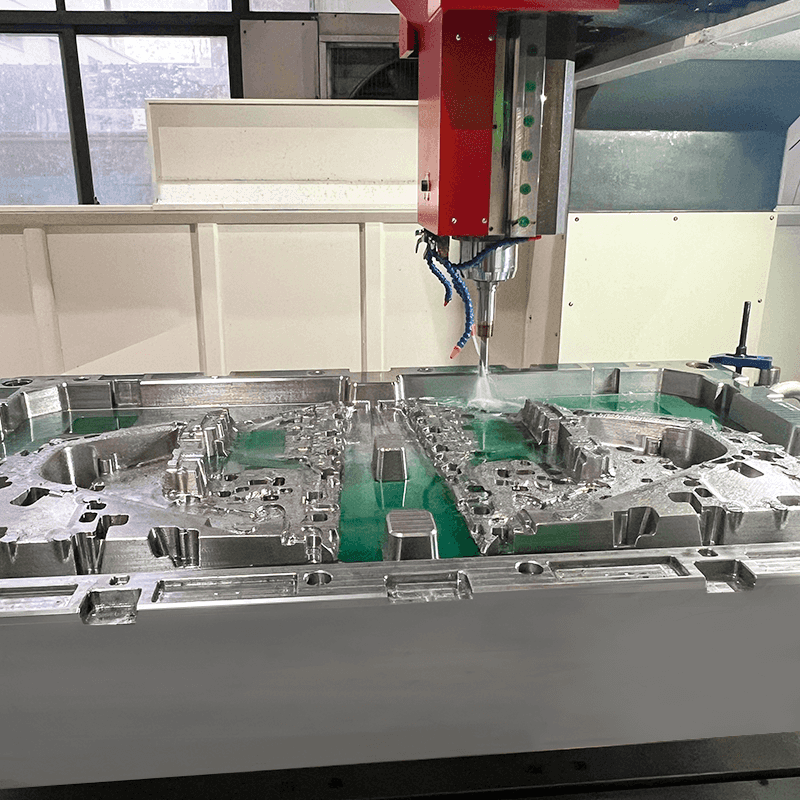
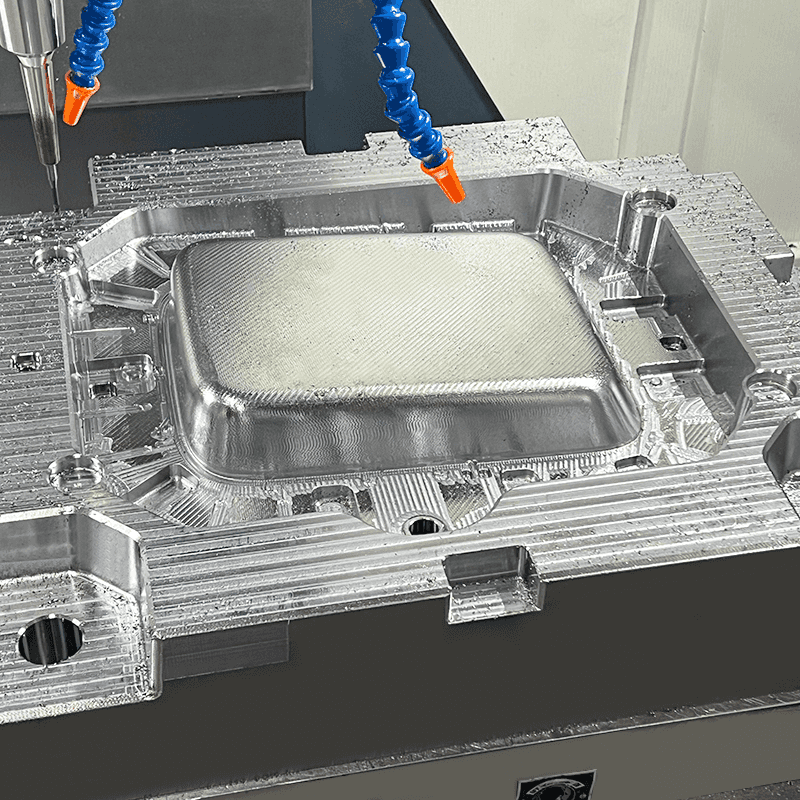
All core and auxiliary mold parts are machined strictly in line with design specifications, with precise dimensional control for every component.
Mold Assembly
Finished individual parts are professionally assembled and calibrated to form a complete, integrated mold system with smooth coordinated movement.
Testing and Adjustment
Trial molding is conducted to check product appearance, dimensional accuracy and mold operation performance. Engineers make targeted adjustments to fix any defects before mass production launch.
Though the workflow looks straightforward, every step relies on rich industry experience and rigorous quality control to ensure reliable mold performance.
Mold Quality Inspection Standards
Molds are built for long-term repeated use, so continuous quality checks are essential throughout the manufacturing process, rather than only a final inspection after completion.
Professional manufacturers carry out multi-stage quality control: design reviews to eliminate hidden risks in advance, in-process inspections to guarantee accurate component processing, and trial production tests to verify real molding effects.
During trial testing, inspectors focus on key indicators including finished product appearance, mold operating fluency, product ejection efficiency and overall production stability. All problematic details are optimized and corrected in a timely manner.
For buyers, a manufacturer's complete quality management system is a critical reference for selecting reliable long-term mold suppliers.
Mold Material Selection Criteria
Material selection is one of the most critical decisions in mold manufacturing, directly affecting mold service life, production stability and overall cost performance.
Different projects have distinct production volumes and usage demands. High-frequency mass production molds require far more durable materials than low-volume trial or small-batch molds.
Manufacturers comprehensively evaluate four key factors when selecting mold materials: product structural complexity, expected production volume, daily usage intensity and the client's budget range.
Reasonable material matching effectively balances production performance, mold durability and project cost. Experienced manufacturers can provide targeted material recommendations based on past similar project cases and practical production experience.
How Manufacturers Support Custom Mold Projects?
More and more brands and companies are choosing customized plastic boxes these days, mainly because they want something that actually fits their specific use case and market positioning — settling for a generic, off-the-shelf product just doesn't cut it anymore for a lot of them.
Going the custom mold route means the box can be fully personalized in terms of size, structure, function, and how it looks overall, which really helps products stand out a bit more in crowded markets.
Professional mold manufacturers usually offer support through the whole process for these custom projects — starting with evaluating the initial concept, then moving into design optimization suggestions, working out a customized mold solution, and making real-time adjustments once trial testing gets underway.
This kind of end-to-end cooperation ends up being especially valuable for companies rolling out new products. Mold suppliers really aren't just offering processing services here — they're bringing their manufacturing experience to the table, helping turn a creative product idea into something that's actually producible and ready for the market.
Common Challenges in Mold Production
Making plastic box molds is a pretty detail-heavy process, honestly. Even projects that were planned out carefully often still need some flexible adjustments once development and production actually get underway.
Probably the biggest challenge is finding that balance between personalized product design and what's actually feasible to produce. Clients often come in with pretty specific aesthetic and functional requirements, while manufacturers, on their end, have to make sure the mold can hold up in mass production without a lot of defects or breakdowns along the way.
Beyond that, there's usually stuff like requirement changes popping up mid-project, design tweaks that keep getting revised, scheduling coordination for production, and testing that has to get repeated more than once. Manufacturers who've been doing this for a while tend to handle all of that pretty smoothly, mostly because they've got a good feel for both the design side of things and what actually happens on the shop floor.
Value of Professional Mold Manufacturers
The choice of mold manufacturer profoundly impacts the entire product development cycle and final product quality.
Reliable professional teams offer far more than basic mold processing. They assist clients in sorting out design logic, optimizing production schemes, and improving product practicality and market competitiveness.
This professional cooperation effectively avoids unnecessary delays and rework, bridging the gap between initial product ideas and formal mass production.
As market demand for customized plastic products continues to rise, the mold industry keeps upgrading accordingly. From simple daily storage boxes to specialized industrial containers, every high-quality plastic product starts with refined mold design and standardized, experience-driven manufacturing.