ENG
ENG  English
 Español
 Português
 عربى
عربى 中文简体
中文简体When people discuss manufacturing, most only focus on the finished goods. Few realize production actually begins long before a product takes shape, and mould development stands as a critical stage that shapes every item's forming and mass production.
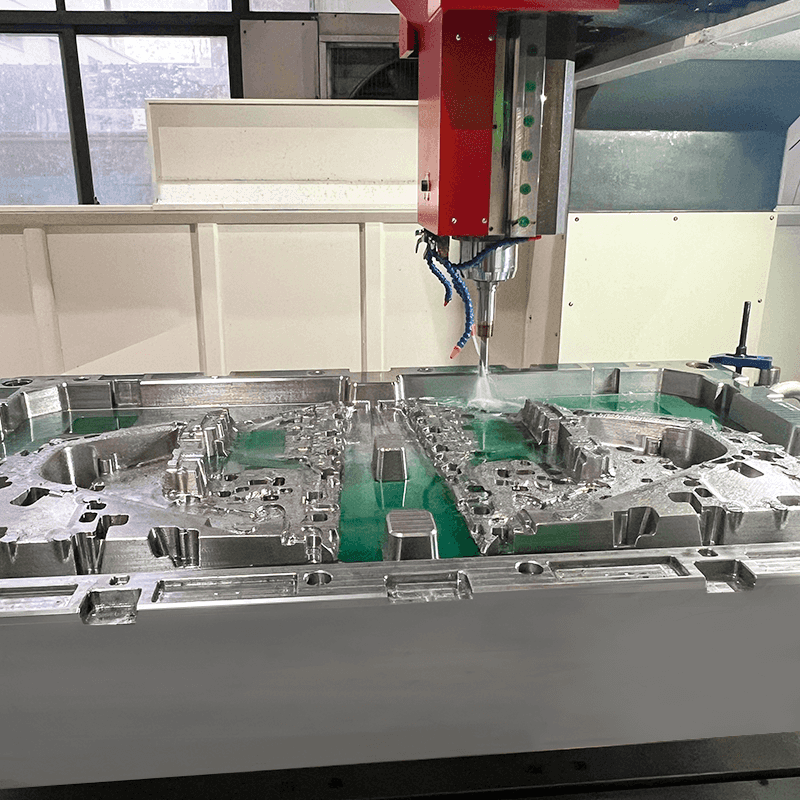
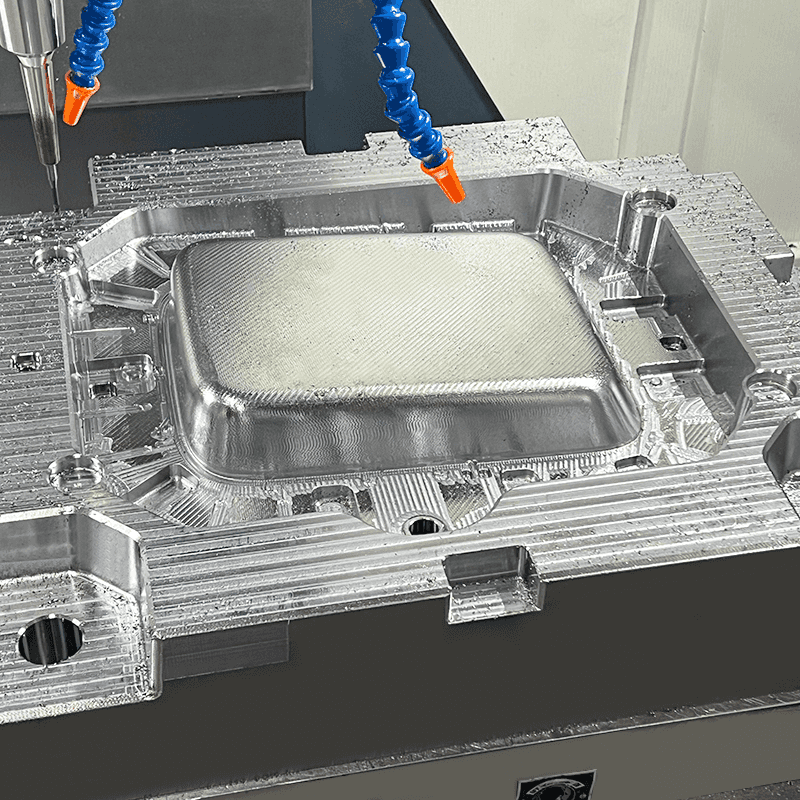
Compression mould makers carry out core work in this early phase. Their work goes far beyond fabricating and shipping a finished mould. They coordinate with clients on product concepts, production standards and raw material picks to craft custom moulds tailored to each unique production demand.
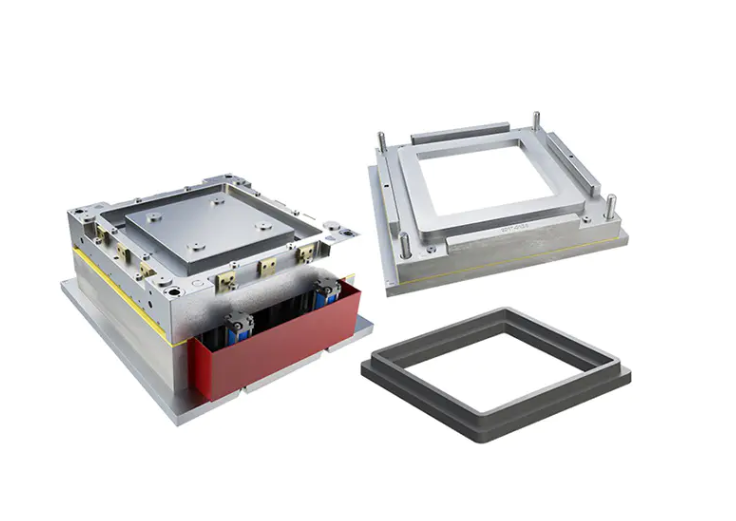
All industries keep adjusting to shifting buyer requirements, which pushes mould manufacturers to take part in earlier product planning work. Nowadays, most businesses seek partners who can grasp their long-term production targets, rather than vendors that merely fill orders as requested.
What does a compression mould manufacturer actually do?
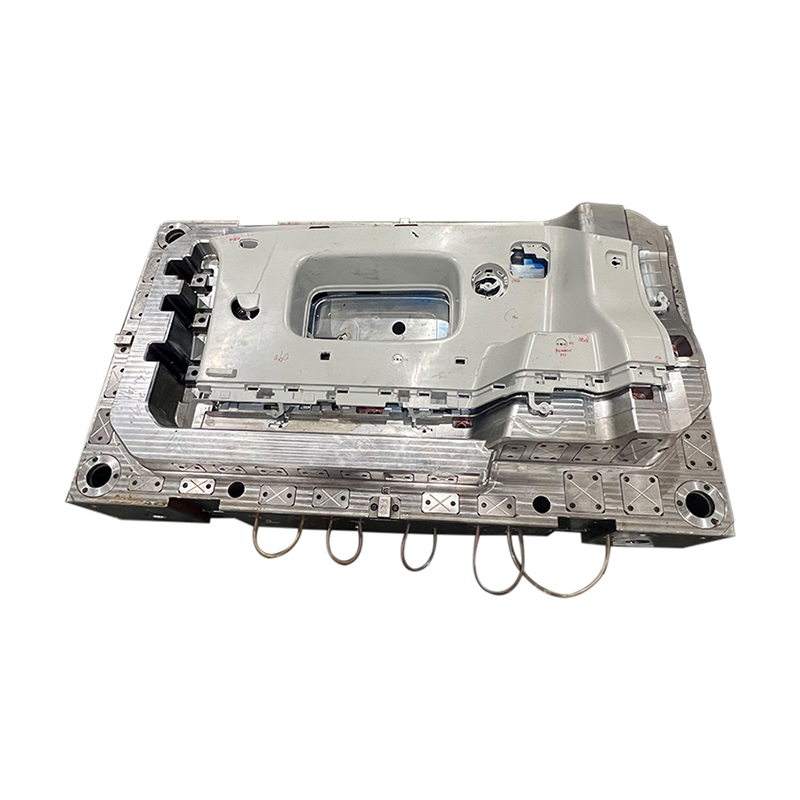
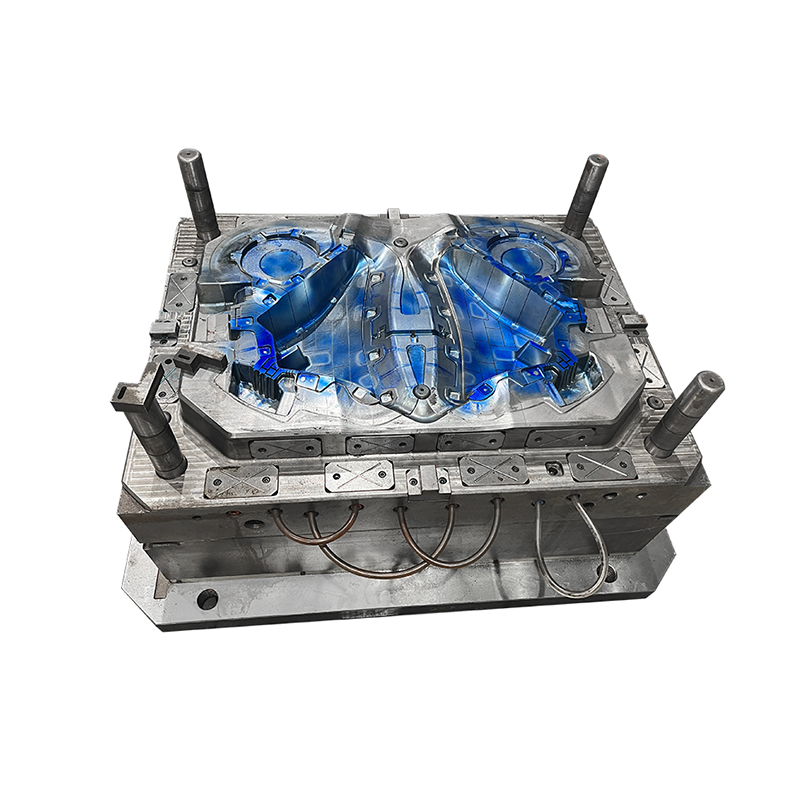
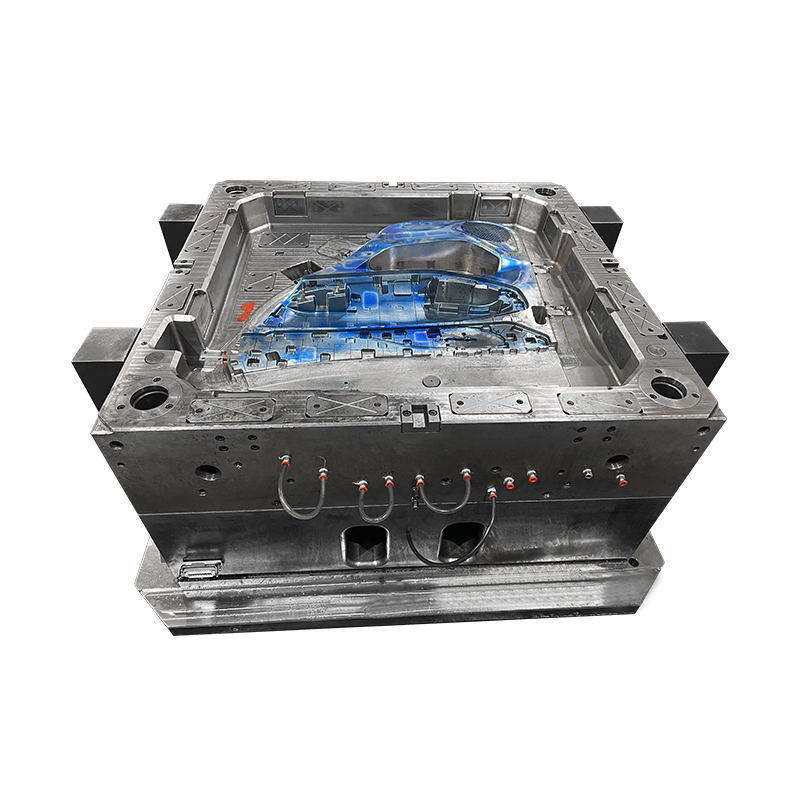
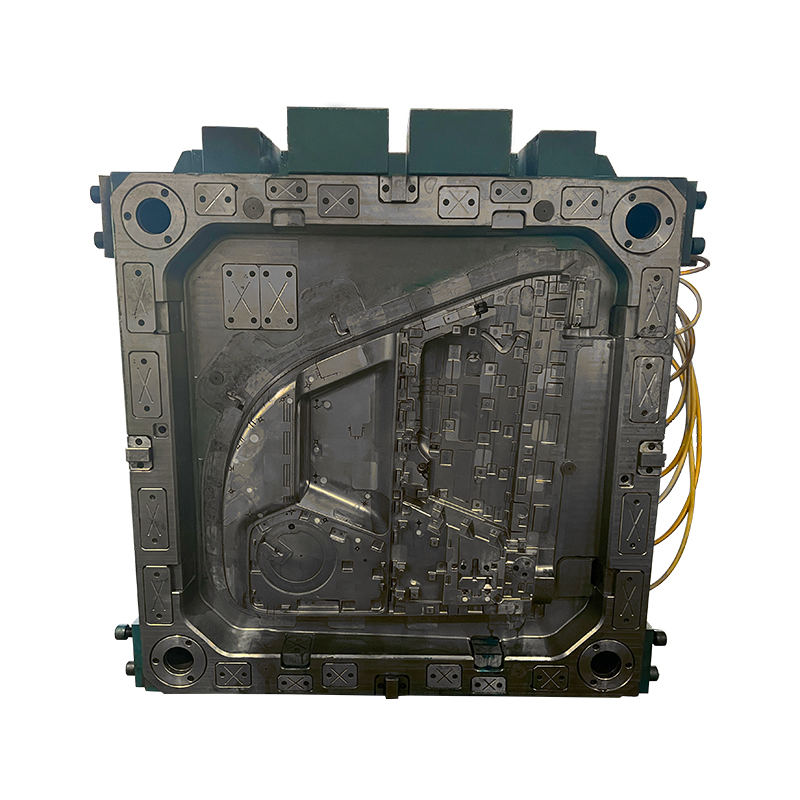
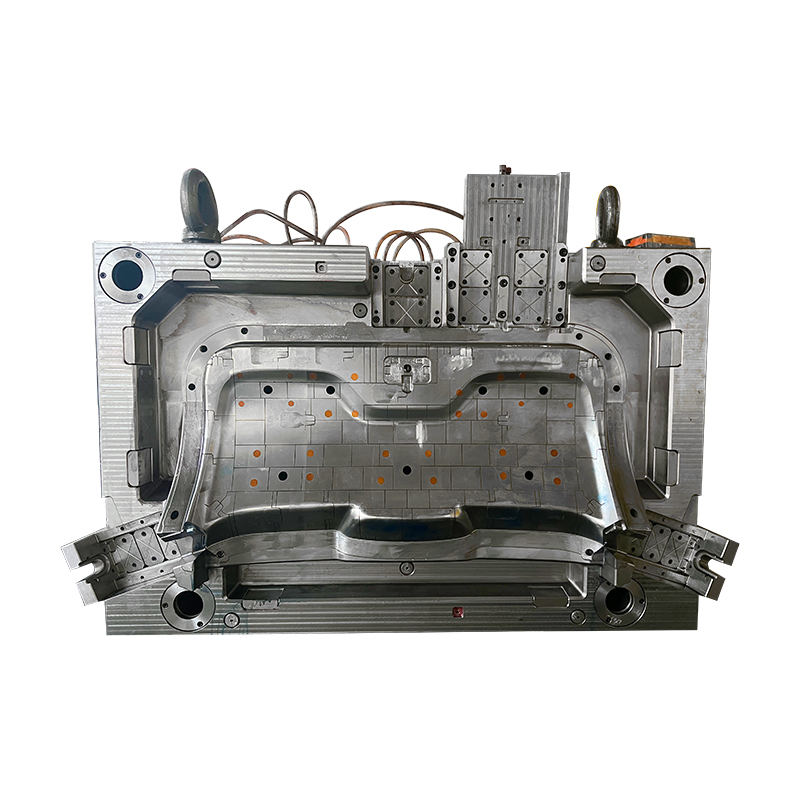
A compression mould manufacturer designs and produces moulds used for shaping materials during production. The mould acts as a form that helps create products with consistent shapes and appearances.
The work usually begins before manufacturing starts. Customers may have a product concept, drawing, or production plan. The manufacturer studies these details and considers how the mould should be developed.
Different projects can have different requirements. A mould for an industrial component may need a different approach from one used for consumer products.
The main responsibilities of a compression mould manufacturer often include:
| Service Area | Description |
|---|---|
| Product Review | Understanding the purpose and structure of the product |
| Mould Design | Creating a mould plan based on production needs |
| Material Choice | Selecting suitable mould materials |
| Manufacturing | Producing and checking the mould |
| Technical Support | Helping customers during application |
The manufacturer connects the gap between product ideas and actual production. This role requires both manufacturing knowledge and an understanding of customer expectations.
How is a compression mould developed from an idea to a finished product?
The development of a compression mould usually starts with communication. A manufacturer needs to know what the customer wants to produce and how the product will be used.
A clear understanding at the beginning can make later steps easier. The manufacturer reviews the product shape, material requirements, and production environment before creating the mould design.
After the design stage, the mould moves into production. During this period, the manufacturer checks whether the mould matches the planned requirements and adjusts details when needed.
The general development process includes:
Project discussion
The manufacturer learns about the product and production expectations.
Design planning
The mould structure is prepared according to the project.
Manufacturing stage
The mould is created based on the approved design.
Product testing
The mould is reviewed through practical use.
Adjustment and improvement
Changes are made when production feedback is received.
This process shows why communication matters. A mould is closely connected with the final product, so small design decisions can influence the production experience.
Why do compression mould manufacturers pay attention to material selection?
Material is one of the areas that manufacturers carefully evaluate. The mould needs to match the working environment where it will be used.
Different production conditions can create different expectations. Some applications may focus on long-term use, while others may place more attention on easy maintenance or product appearance.
A compression mould manufacturer usually considers:
- The type of product being produced
- The material used during production
- The frequency of mould usage
- Maintenance requirements
- The working environment
Material selection is not only about choosing a strong option. It is about finding a balance between the mould and the production needs.
A suitable material choice can help the mould remain stable during regular use and reduce unnecessary adjustments.
Which industries rely on compression mould manufacturers?
Compression moulds are used in many industries because they support the creation of different product types.
In automotive manufacturing, moulds are often involved in producing parts that require consistent shapes. In electrical applications, moulds help create components where product structure matters.
Consumer product companies also use compression moulding for various items. The process allows manufacturers to create products with similar appearances and forms.
Common application areas include:
| Industry | Application Focus |
|---|---|
| Automotive | Production of vehicle-related components |
| Electronics | Manufacturing of functional parts |
| Consumer Goods | Creating everyday products |
| Industrial Equipment | Supporting part production |
| Household Products | Making practical items |
Because applications are different, a compression mould manufacturer needs to understand more than the mould itself. They need to understand where and how the mould will be used.
How do manufacturers help customers improve production planning?
Mould makers join projects much earlier than most buyers expect. Before mass production kicks off, they can check if a client's design will work well for actual manufacturing.
This early teamwork stops costly issues down the line. If a product layout would cause trouble when building the mould, both sides can tweak details ahead of time instead of fixing problems mid-production.
Most manufacturers now lend a hand with these key tasks:
- Going over product designs for feasibility
- Talking through suitable raw material options
- Putting forward practical design optimizations
- Getting clear on the client's output targets
- Revising mould blueprints to match production needs
This way of working builds tighter partnerships. The mould maker becomes an active member of product development, instead of just a third-party vendor filling orders.
What should companies look for in a compression mould manufacturer?
Choosing a mould supplier requires careful consideration. A company needs more than a manufacturer who can produce moulds. It needs a partner who understands the project.
Experience with different applications can help a supplier respond to customer needs more effectively.
Communication is also an important factor. Clear conversations about product expectations can reduce unnecessary changes during development.
Companies may review:
- Manufacturing experience
- Design communication ability
- Product understanding
- Service response
- Ability to handle customized requirements
A good supplier relationship is built through cooperation. When both sides understand the project clearly, the mould development process becomes easier to manage.
How are compression mould manufacturers changing with market demands?
The manufacturing field keeps shifting, and buyers now want more adjustable solutions and smoother teamwork.
Compression mould factories adjust their business by prioritizing custom work and regular client talks. Instead of only selling generic standard moulds, most suppliers spend more time learning each customer's unique production conditions.
Every industry has its own output targets. A flexible working style lets manufacturers adjust their service to fit these varied needs.
Another obvious shift is deeper participation in product development. Businesses bring mould makers into projects much sooner, since mould design directly affects all later production stages.
This new standard requires manufacturers to master both fabrication workflows and what their clients hope to achieve.
Why does the role of a compression mould manufacturer continue to grow?
A mould is not just a tool to make parts. It decides how smoothly a design can move into formal mass production.
All kinds of businesses keep upgrading their production lines, so skilled mould suppliers stay in high demand.
Compression mould makers help brands turn rough concepts into real, manufacturable goods. Their work includes sorting out design logic, picking matching raw materials, building custom moulds, and offering ongoing production guidance.
The bond between factories and their clients grows tighter each year. Suppliers no longer just deliver finished moulds; they step in to fix production roadblocks and work out manufacturing plans that fit each project perfectly.