ENG
ENG  English
 Español
 Português
 عربى
عربى 中文简体
中文简体A box is one of the most familiar products in daily life. It appears in warehouses, supermarkets, factories, farms, and homes. People often notice what is inside the box, but they rarely think about how the box itself is created.
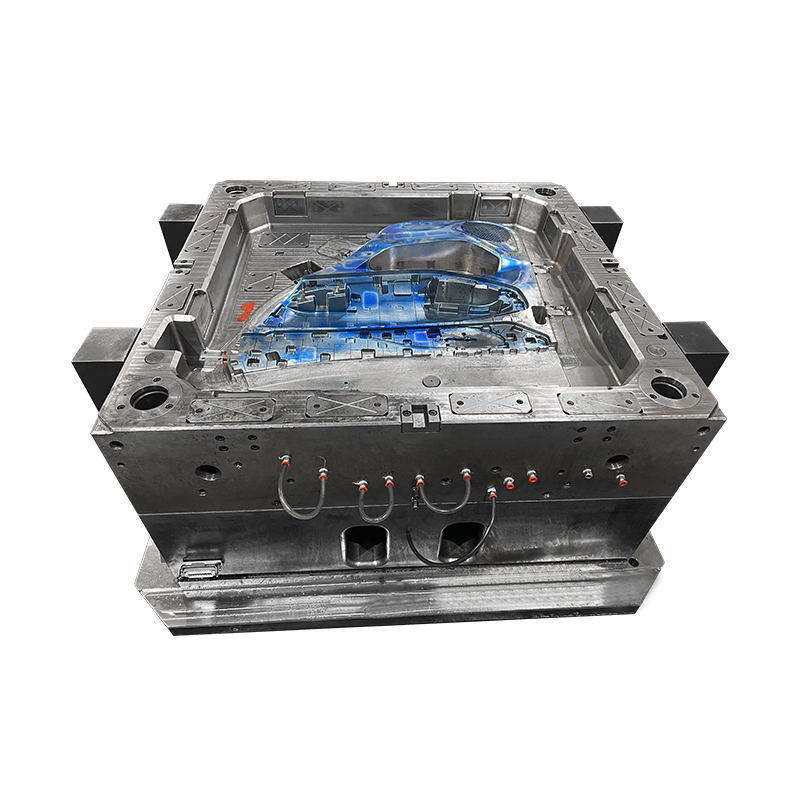
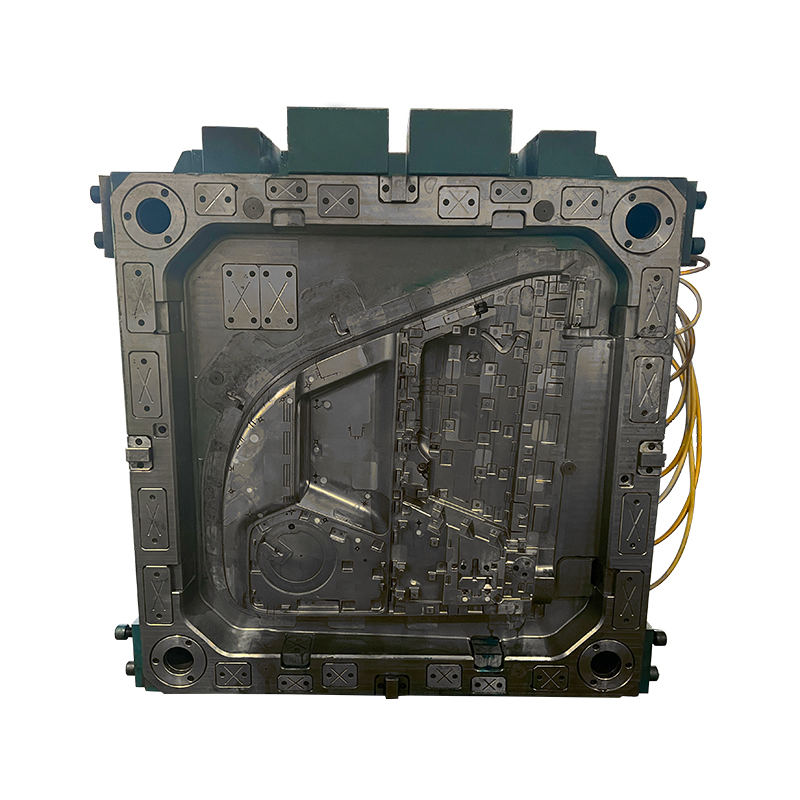
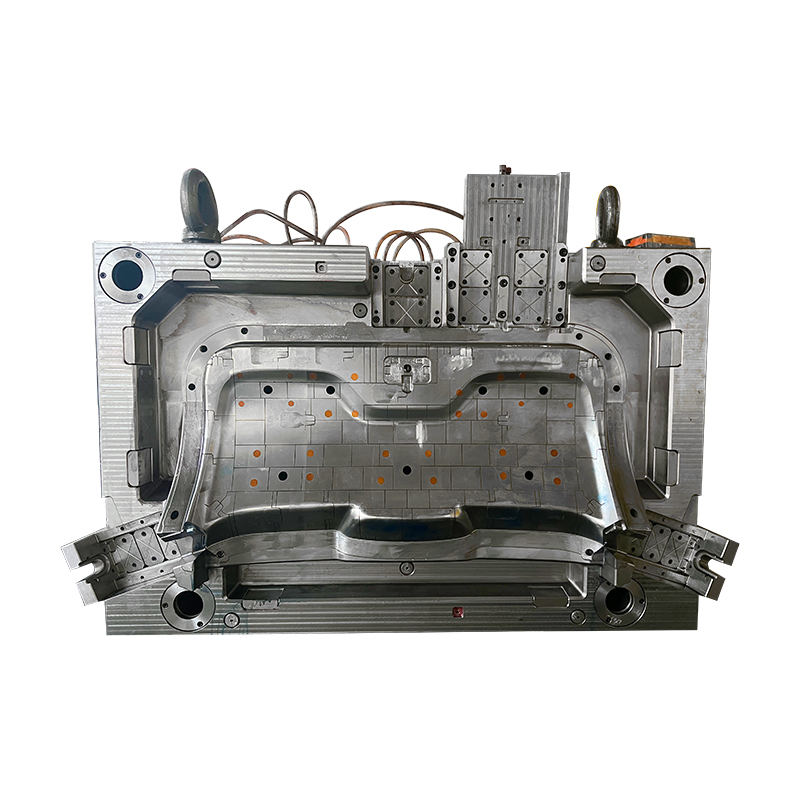
Behind many molded boxes is a carefully developed box mold. The mold determines the basic structure of the product and influences how the final box looks, feels, and performs during use.
For manufacturers, a box is not simply a container. It is often part of a larger process. A storage company needs boxes that are easy to organize. A logistics business needs containers that can handle repeated movement. A packaging company may focus on appearance and product protection. Each industry approaches box design from a different angle.
This is why box molds have become widely used across many fields. They allow manufacturers to create products that match different market needs while keeping production more organized.
A box mold manufacturer usually works closely with customers to understand how the final product will be used. The purpose behind the box often decides the direction of the mold design.
Why Have Box Molds Become Common in Different Industries?
Box molds are widely popular for one straightforward reason: containers are endlessly useful.
People rely on boxes for storage, shipping, product packaging and sorting goods. Their basic frame is simple, yet you can tweak the design in countless ways.
Tweak the shape, and the boxes stack differently. Swap out the opening style, and they become easier for people to access. Reinforce the structure, and they hold up better through shipping and moving.
For manufacturers, molds let them churn out uniform goods in large batches, which is critical for brands needing steady stock long-term.
If you don't have a proper mold, production becomes hard to regulate. Finished pieces will vary wildly, and workers have to constantly tweak settings on the line.
A well-designed box mold bridges design drafts and real manufacturing. Brands can turn their product ideas into usable physical boxes that fit real-world working scenarios.
Different industries have different reasons for choosing molded boxes:
| Industry | Common Box Mold Application |
|---|---|
| Packaging | Creating containers for product presentation and protection |
| Logistics | Producing reusable boxes for transportation |
| Agriculture | Making containers for collection and storage |
| Manufacturing | Organizing parts and materials |
| Household products | Producing practical storage solutions |
The wide range of applications is one reason why demand for box molds continues to grow.
How Are Box Molds Used in Packaging Applications?
Packaging is one of the most visible applications of box molds. Almost every type of product needs some form of packaging before reaching customers.
A packaging box needs to do more than hold an item. It needs to fit the product, support transportation, and sometimes create a positive impression when customers see it.
For example, a company selling household products may prefer a box design that looks simple and convenient. A company handling fragile goods may pay more attention to protection and structure.
The mold development process usually starts with understanding the product itself. Manufacturers need to know the size, shape, and purpose of the item that will be placed inside the box.
A box mold supplier may discuss questions such as:
- How will customers use the box?
- Will the box be reused or replaced after one use?
- Does the product need special protection?
- How should the box be stored or transported?
These details influence the final design.
Packaging trends are also changing. Many companies are no longer satisfied with ordinary containers. They want packaging that feels connected to their products and customers.
This has increased interest in custom box molds. A unique design can help a company create a different market image while still keeping practical functions.
What Role Do Box Molds Play in Storage Products?
Storage is another area where box molds are widely applied. People and businesses need ways to organize items, and boxes remain one of the simplest solutions.
Household storage boxes, office organizers, and industrial containers are often produced through molded processes.
The expectations for storage products are usually based on everyday use. Users want boxes that are easy to move, easy to clean, and suitable for different spaces.
A storage box used in a home may focus on appearance. Customers may care about whether it matches their room style or fits into a limited space.
A storage box used in a workplace may have different priorities. Workers may need quick access to tools, materials, or products.
Because of these differences, manufacturers often create various box designs for different user groups.
A box mold manufacturer needs to understand the environment where the product will be used. The same basic idea may need different solutions depending on the situation.
Storage products also show how small design details can influence user experience. A comfortable handle, a suitable opening method, or a practical shape can change how people interact with a box.
Why Are Box Molds Important for Transportation and Logistics?
Box molds are heavily relied on within shipping and logistics sectors.
Goods go through multiple handling steps before arriving at their final destination, and containers need to hold up through moving, stacking and sorting at every stage.
Reusable transit boxes are standard across most industries, built to withstand repeated use. Unlike disposable packaging, they're engineered for long-term daily circulation.
Logistics firms weigh several key points when picking containers:
- How simple the box is to lift and carry
- Whether it maximizes warehouse storage space
- How well it fits regular workflow routines
- Its service life for repeated cycles
All these demands shape how manufacturers design the matching molds.
A container that looks functional on paper might fall short out on the floor if it's awkward to move or stack neatly. Real operational issues rarely show up in early design drafts.
That makes close collaboration between buyers and mold makers essential. Suppliers have to learn not just about the box itself, but the full shipping environment it will work in.
Quality mold designs account for the whole lifecycle of the box, from factory production to daily logistics handling.
How Are Box Molds Applied in Agriculture?
Agriculture may seem far away from mold manufacturing, but molded boxes are an important part of many agricultural activities.
Farmers and distributors use boxes for collecting, sorting, storing, and transporting products. These containers need to handle practical working conditions.
Agricultural environments are different from indoor workplaces. Boxes may be exposed to outdoor conditions, moisture, dust, and frequent movement.
Because of this, agricultural box designs often focus on usability. Workers need containers that are simple to handle during busy periods.
The shape of the box can influence how products are arranged. The structure can affect storage methods. The overall design can influence how easily workers complete daily tasks.
For agricultural businesses, the box is not only a container. It becomes part of the working process.
A box mold manufacturer with experience in agricultural applications can better understand these needs. The goal is not only to produce a mold but also to support a practical solution.
What Applications Do Box Molds Have in Industrial Manufacturing?
Factories rely heavily on box molds to make storage bins for production lines.
Workshops are filled with tiny spare parts, tools and raw materials. Without proper sorting boxes, daily work gets messy and slows down easily.
Industrial bins keep different supplies separated and easy to manage.
These containers are made for factory use only, not household storage. Staff need to locate parts fast, carry bins between stations, and fit them into tight storage zones.
Mold designers always keep workers'real usage habits top of mind.
They will check these practical points before finalizing molds:
- Are the bins easy to lift and transport?
- Can workers find stored goods at a glance?
- Do they match the racks and storage systems already in use?
- Will they stay intact after years of repeated use?
All these practical requirements decide how the mold will be structured.
Even small tweaks to storage bins can greatly smooth out daily factory work. A well-matched storage setup keeps the whole workshop neat and orderly.
That explains why industrial buyers care far more about function than looks when picking boxes. They only focus on how the bins hold up during regular factory shifts.
Why Are Custom Box Molds Becoming More Popular?
Standard box designs continue to have demand, but customization is becoming more common.
Many businesses want products that are different from general market options. They may need a special shape, a different structure, or a design that matches their own product line.
Custom box molds provide this possibility.
For example, a company may develop a container designed specifically for its products. Another business may want a box that creates a stronger connection with customers.
Customization does not always mean major changes. Sometimes small adjustments create a better user experience.
The process usually involves communication between buyers and manufacturers. Both sides need to understand the purpose of the product.
A reliable box mold supplier often spends time discussing:
| Discussion Area | Reason |
|---|---|
| Product purpose | Helps define the right direction |
| User habits | Creates a more practical design |
| Production needs | Supports smoother manufacturing |
| Future plans | Allows possible adjustments |
The relationship between customer and supplier becomes important during customized projects. Clear communication can reduce misunderstandings and improve cooperation.
What Should Buyers Consider When Choosing a Box Mold Manufacturer?
Selecting a box mold manufacturer is an important decision for many businesses. The supplier does more than create a mold. They become part of the product development process.
Buyers often look at several factors before making a decision.
Communication is one of them. A supplier should understand customer ideas and explain the process clearly.
Experience is another consideration. Manufacturers familiar with different applications may provide useful suggestions based on previous projects.
Production ability also matters. Buyers want to know whether the supplier can handle their requirements and maintain stable cooperation.
Some common evaluation points include:
| Buyer Concern | Why It Matters |
|---|---|
| Communication quality | Reduces misunderstandings |
| Industry experience | Helps solve practical problems |
| Design support | Improves product development |
| Production management | Supports smoother cooperation |
Price is naturally part of the decision, but many buyers also consider the overall cooperation experience.
A supplier who understands the product's purpose can often provide more useful support than a supplier who only focuses on production.
How Are Box Mold Applications Changing with Market Demand?
Markets continue to change, and box mold applications are changing with them.
Businesses are paying more attention to flexibility. They want products that can adapt to different situations instead of serving only one purpose.
Consumers also have changing expectations. Storage products need to fit modern lifestyles. Packaging needs to balance function and appearance. Industrial containers need to support more efficient working methods.
These changes influence how manufacturers approach mold development.
A box mold is no longer viewed only as a production tool. It is becoming part of a larger product strategy.
Manufacturers who understand market needs can better support different industries. They can help customers create boxes that are not only produced efficiently but also suitable for real-world use.
The application range of box molds continues to expand because boxes remain closely connected with daily activities, business operations, and industrial development.