ENG
ENG  English
 Español
 Português
 عربى
عربى 中文简体
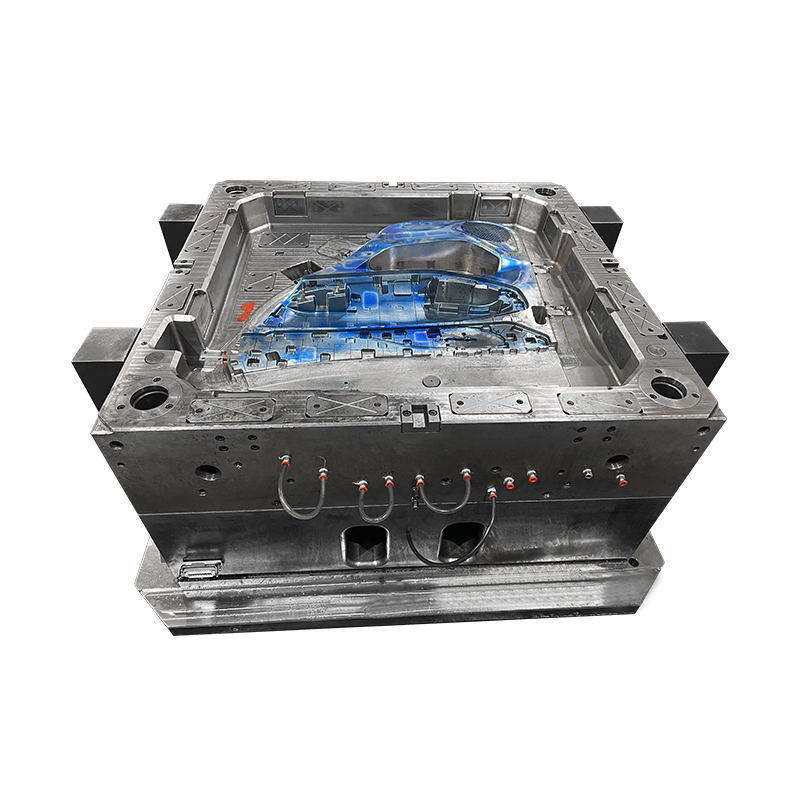
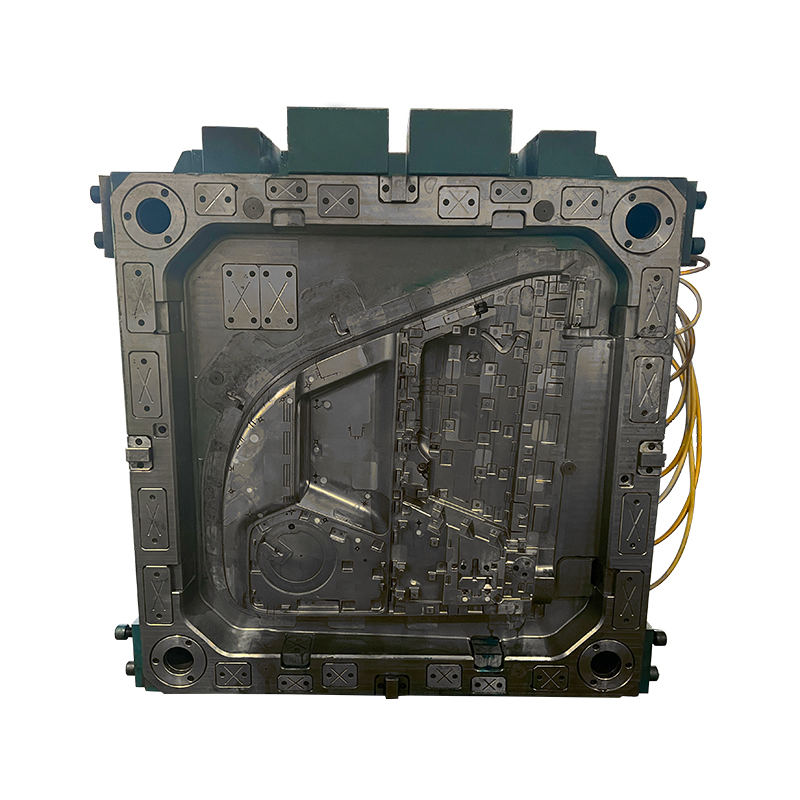
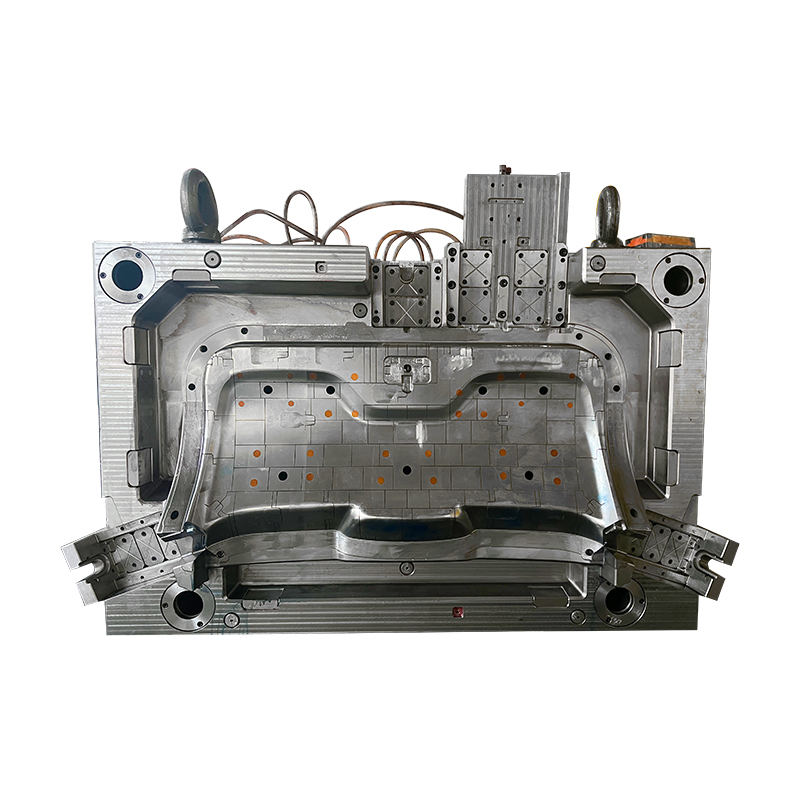
中文简体BMC mould factories sit in a very specific corner of manufacturing. They are not always visible to end users, yet they support a wide range of finished products that appear in daily industrial life.
Thermoset moulding has its own processing rhythm. It does not behave like simple plastic forming. The material changes under heat and pressure in a way that becomes permanent. This creates a need for stable mould systems that can handle repeated cycles without losing shape or performance.
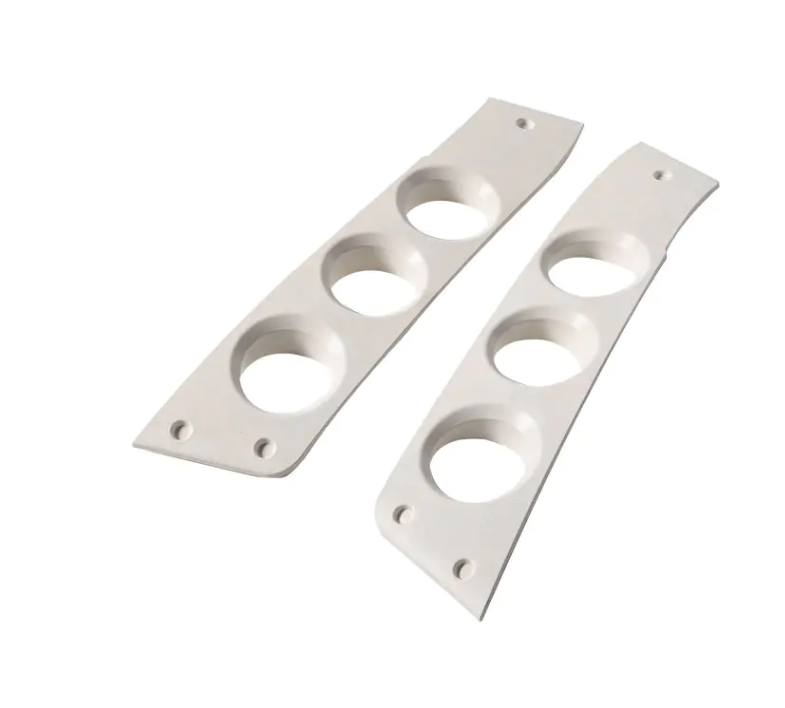
A BMC mould factory exists in this space. It provides tooling systems that support this type of production in a consistent way across different industries.
What makes BMC moulding different from other forming methods?
BMC materials are known for their filled and reinforced structure. Once they are shaped under heat, they do not return to their original form.
This behavior changes how production is planned. The mould is not just a container. It becomes a shaping system that must control flow, pressure distribution, and surface formation at the same time.
Compared with simpler forming methods, thermoset processing places more attention on stability during transformation. The material does not remain soft after forming, so any defect becomes permanent.
This is why mould design and manufacturing play such a central role.
Why do BMC mould factories matter in this process?
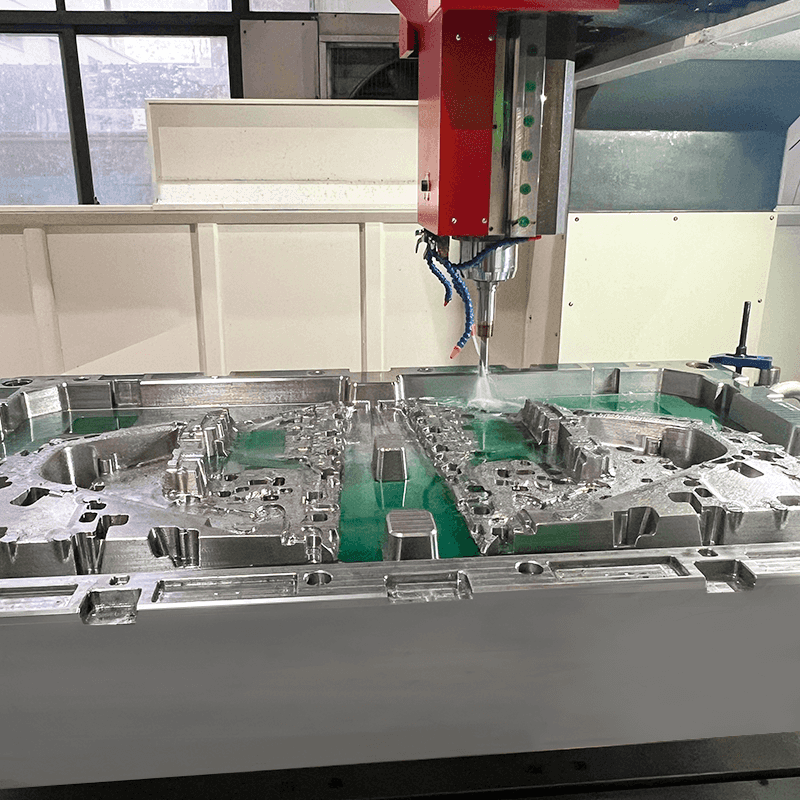
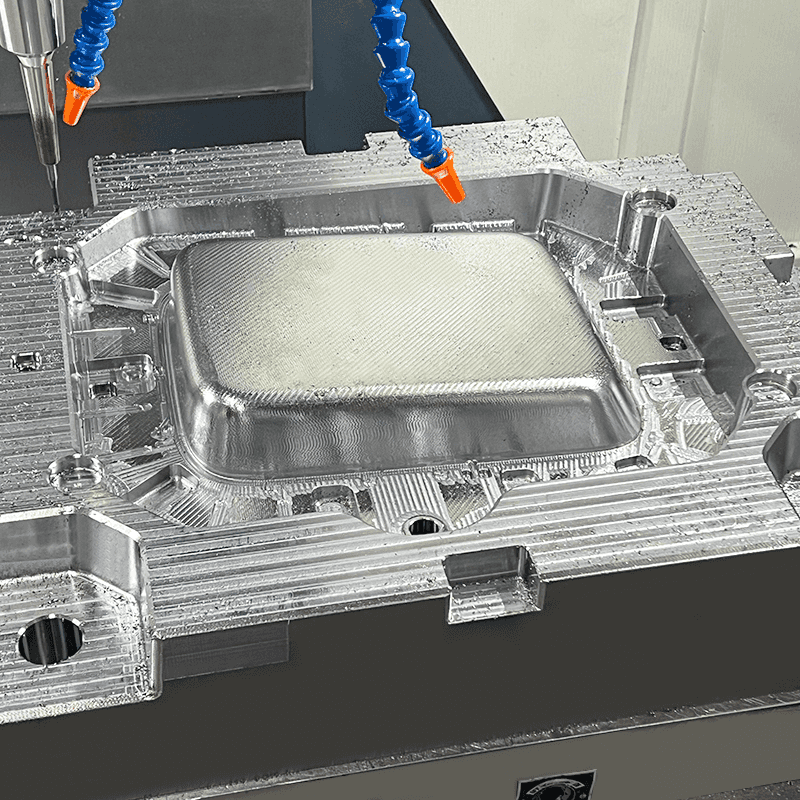
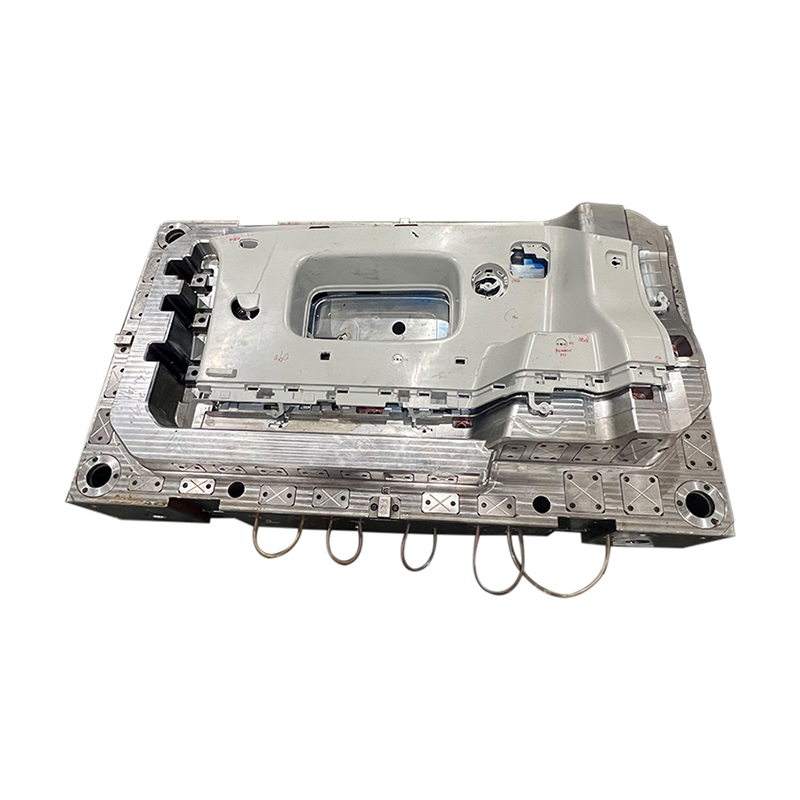
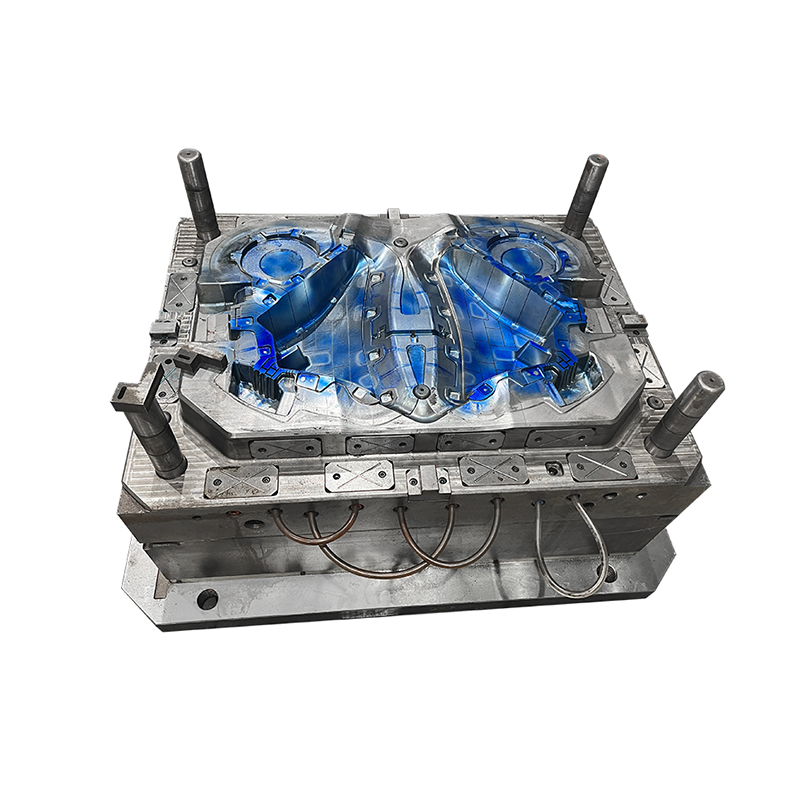
A BMC mould factory focuses on creating tools that guide material behavior during forming.
It is not only about shaping cavities. It is also about controlling how material moves inside the mould space.
Small changes in structure can influence how the final part behaves. Because of this, the factory becomes part of the performance chain, not just a production step.
In many cases, the mould determines whether the final product can maintain consistent shape across repeated use cycles.
How does a BMC mould factory support production stability?
Stability in thermoset moulding depends on repeatable performance.
Each production cycle follows a similar pattern. Material is placed, heat is applied, pressure is introduced, and shaping occurs.
If the mould structure is not stable, small variations begin to appear. Over time, these variations affect output consistency.
A factory works to reduce these variations through controlled design and precise construction methods.
The goal is simple: keep each cycle as close as possible to the previous one.
What types of applications rely on BMC mould systems?
BMC mould systems are used across different industrial areas. The applications are often related to strength, insulation, or structural stability.
Common usage areas include:
- electrical component housings
- structural connection parts
- automotive interior and exterior components
- equipment enclosures
- industrial support parts
These products often need stable shape retention under changing conditions.
Because of that, thermoset materials combined with reliable mould systems become a practical choice.
How does mould design influence material behavior?
Material flow inside a mould is not always uniform. It responds to shape, pressure, and temperature distribution.
A well-designed mould helps guide this flow in a controlled direction.
If flow is uneven, some areas may fill faster than others. This can affect surface consistency or internal structure balance.
Design decisions inside a BMC mould factory often focus on:
- flow direction control
- cavity balance
- pressure distribution
- surface formation stability
These elements work together quietly during every cycle.
Why is durability important for mould systems?
Unlike single-use tools, mould systems are expected to operate through many repeated cycles.
Each cycle places the same mechanical and thermal stress on the structure.
Over time, even small changes in surface condition can influence output quality.
Durability in this context is not only about strength. It also includes stability of shape and resistance to gradual wear.
A factory usually focuses on maintaining consistent performance across long usage periods rather than short-term output.
How does thermoset production differ in handling requirements?
Thermoset materials behave differently from thermoplastic ones.
Once they are formed, they do not soften again under heat. This means shaping must be correct during the first cycle.
There is less room for adjustment after forming.
This creates a stronger dependency on mould precision. The process does not allow for repeated correction of the same piece.
Because of this, production planning becomes more sensitive to mould condition and design accuracy.
What role does temperature control play in mould performance?
Heat is essential for thermoset moulding to work properly.
It directly affects how the raw material reacts and sets inside the mould. Even minor temperature fluctuations can alter how the material forms and settles into shape.
Slight temperature differences across the mould surface are enough to cause uneven forming issues during production.
Rather than pursuing overly precise extreme settings, most production systems focus on keeping heat evenly distributed at all times.
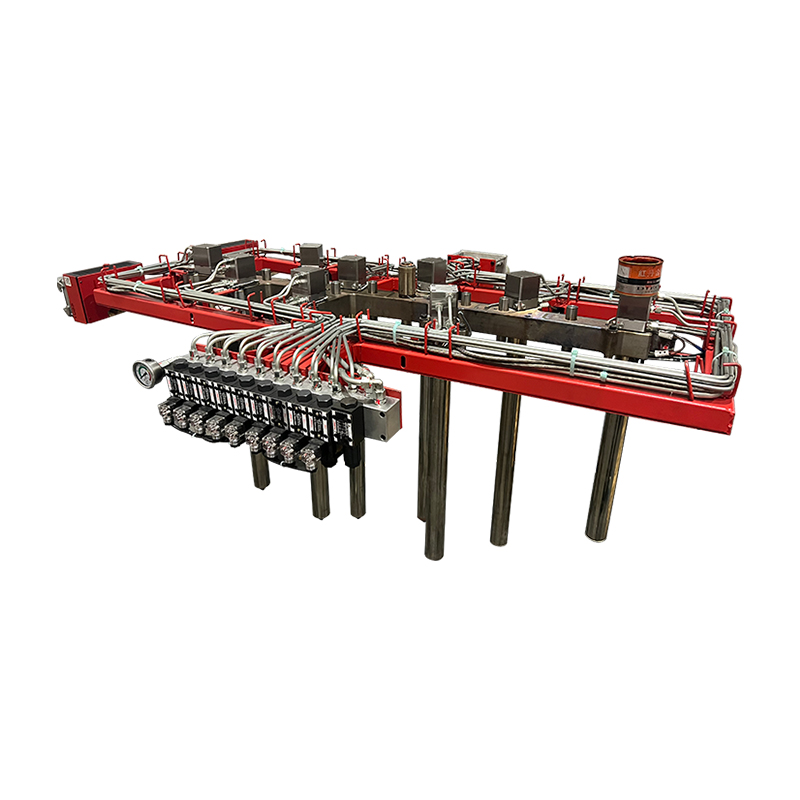
The mould's own structural design also helps sustain this balanced temperature state throughout the whole moulding process.
How do BMC mould factories support different industries?
The output of a BMC mould factory is not limited to one sector.
Different industries use thermoset parts in different ways. Some focus on insulation, others on mechanical strength or shape stability.
The same moulding principle can be adapted for different product needs.
This flexibility allows the manufacturing process to support multiple sectors without changing its core structure.
Why is consistency more important than complexity?
In thermoset moulding, complex design does not always mean better performance.
What matters more is repeatable behavior across cycles.
A simple structure that performs consistently can often be more valuable than a complicated one with variation.
This is why many mould systems focus on stability first, and detail refinement second.
Consistency reduces uncertainty in production planning and improves long-term usability of the tooling system.
How does a BMC mould factory fit into modern manufacturing trends?
Modern manufacturing often moves toward controlled and repeatable systems.
There is less tolerance for unpredictable variation, especially in industrial parts that must fit into larger assemblies.
A factory supports this direction by focusing on structured production behavior.
Instead of changing the process frequently, the goal is to refine stability within the existing system.
This approach fits well with industries that require long-term reliability.
What challenges appear in thermoset mould production?
Thermoset production has its own headaches. Because the material cures irreversibly, once it's formed, there's no going back — any mistake stays there. That puts a lot of pressure on getting things right the first time.
On top of that, tools gradually wear down over time, which can slowly affect consistency. Environmental conditions, slight changes in material batches, and the sheer repetition of cycles all add up to small drifts in performance.
Dealing with all this means staying on top of both mould design and ongoing maintenance. It's constant work, but essential if you want to keep quality steady.
How does mould maintenance affect long-term performance?
Lots of teams skip regular mould upkeep, yet it keeps product quality steady over time.
Tiny wear marks on mould surfaces will mess up how raw material fills and sets inside.
Checking moulds routinely lets production run evenly for thousands of cycles.
Good maintenance rarely deals with big breakdowns; its main job is stopping slow, steady quality drift before it gets noticeable.
Why does BMC moulding continue to grow in industrial use?
Many industries keep needing tough, uniform parts that hold up well long term.
Thermoset BMC materials deliver solid lasting structure, and custom moulds make mass production achievable.
BMC mould suppliers lay the groundwork to carry out predictable forming processes for all these parts.
Factories now run tighter, more standardized workflows, so dependable mould sets stay in constant demand.
The industry cares less about constant overhauls, and more about consistent, identical output run after run.