ENG
ENG  English
 Español
 Português
 عربى
عربى 中文简体
中文简体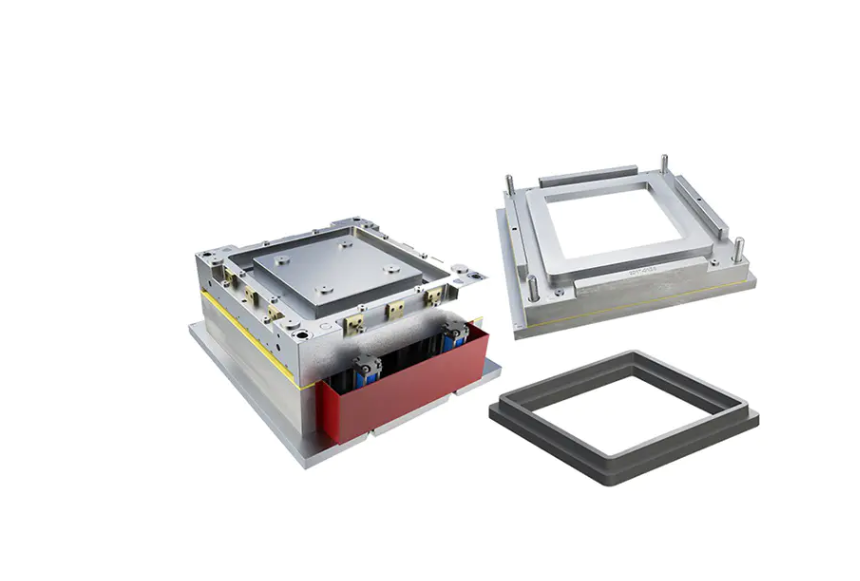
Why is SMC moulding used in modern production environments?
In many manufacturing spaces, there is a constant search for a balance between shape control, repeatability, and material behavior. Some processes focus on speed. Some focus on detail. Others try to manage both in a stable way.
The SMC moulding process sits in this middle space. It is used to form composite parts by shaping a prepared sheet material inside a closed mould. The idea sounds simple, but the interaction between material, heat, and pressure creates a structured production flow that is widely used across different industries.
What makes it noticeable is not a single feature. It is the way each step connects into the next without breaking the material's stability.
What is SMC material in practical terms?
SMC is a sheet-like composite material prepared before shaping begins. It is not poured like liquid and not used in powder form. It already contains reinforcement elements distributed within a resin-based structure.
The material is stored in sheet form. It can be cut into sections and placed into a mould when needed.
This preparation stage matters because it sets the behavior of the material later. Once inside the mould, it does not start from zero. It already carries internal structure, which responds to heat and pressure during shaping.
In simple terms, SMC behaves like a pre-arranged layer waiting for final form.
How does the process start before shaping?
The beginning of SMC moulding is more about preparation than action. The material is cut into pieces that match the shape of the mould cavity. These pieces are placed carefully into the lower part of the mould.
At this stage, nothing is fixed yet. The material still holds its original flat form. Positioning matters because it affects how the material spreads later.
Once placement is complete, the mould closes. This marks the transition from preparation to forming.
From the outside, it looks like a simple closing motion. Inside, the transformation begins.
What happens when heat and pressure are applied?
After the mould is closed, two forces begin working together: heat and pressure.
Heat softens the material. It does not turn it into a fully liquid state, but it allows movement within the mould space. The internal structure becomes more flexible.
Pressure then guides this movement. It pushes the material into all areas of the mould cavity. The combination ensures that shape formation is controlled rather than random.
The process can be understood in a simple flow:
- heat adjusts material behavior
- pressure guides distribution
- mould shape defines the final form
Each part depends on the others. If one is inconsistent, the final result may shift.
Why does material flow matter inside the mould?
Once heat is applied, the SMC sheet begins to move within the cavity. This movement is often called flow behavior. It is not fast or uncontrolled. It follows the direction created by pressure and mould geometry.
Good flow means the material reaches all corners of the mould. Poor flow may leave gaps or uneven areas.
Flow is influenced by several practical conditions:
- how the material was placed
- how evenly pressure is applied
- how the mould shape is designed
- how the material responds during heating
Even small differences in these factors can change the final surface or structure.
How does shaping actually take place?
Shaping is not a single moment. It is a gradual adjustment inside the closed mould.
As the material softens, it spreads. As pressure continues, it fills space. The mould acts as a boundary that defines the final form.
This stage does not require manual correction once it begins. Instead, the system relies on controlled conditions.
The shaping stage can be described in sequence:
- material softens under heat
- internal movement begins
- pressure directs filling
- mould geometry stabilizes structure
When these steps align, the part gradually takes its final shape.
What role does cooling play after shaping?
After the material has filled the mould, the next step is cooling. This stage is often less visible but very important.
Cooling allows the shaped material to regain stability. Without it, the structure would remain soft and lose definition when removed.
During cooling:
- internal movement slows down
- structure begins to stabilize
- shape becomes fixed
- surface condition settles
Once cooling is complete, the mould can be opened safely and the part removed without deformation.
How does SMC moulding handle detailed shapes?
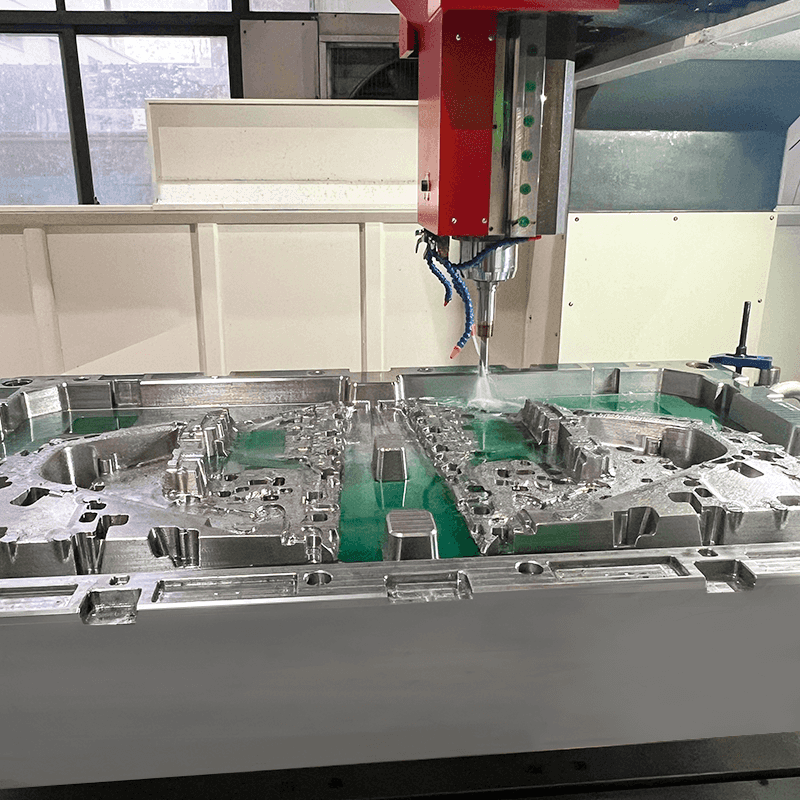
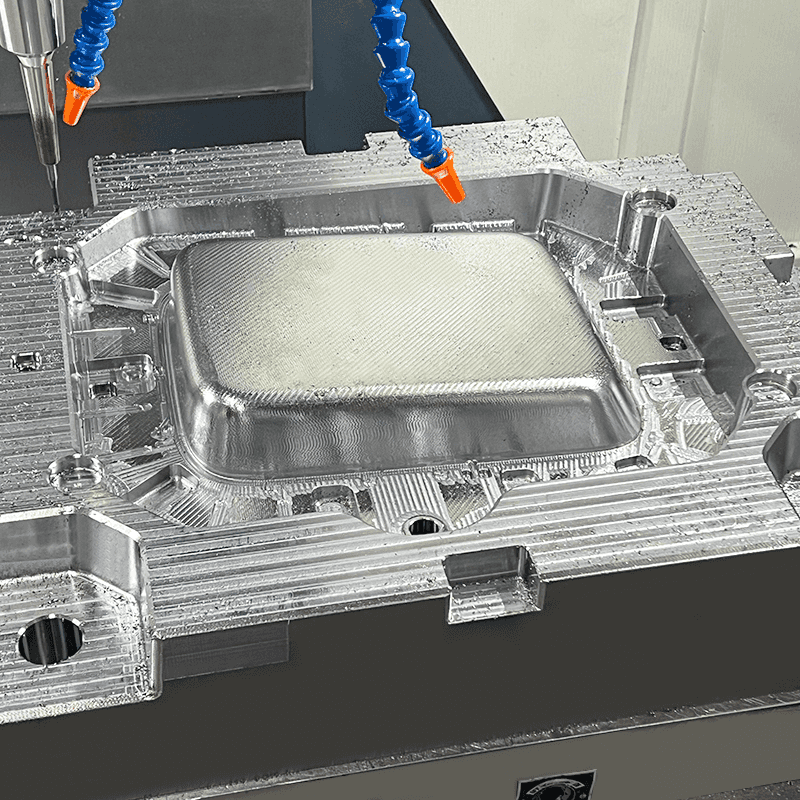
One of the reasons this process is widely used is its ability to form structured designs. The final shape depends entirely on the mould cavity.
If the mould contains detailed patterns or complex geometry, the material follows that structure during flow and pressure application.
This allows production of parts with:
- structured surfaces
- curved sections
- integrated shapes
- repeated uniform design
The level of detail depends on mould preparation and process control rather than manual adjustment.
Where is SMC moulding commonly applied?
SMC moulding appears in production areas where stable composite parts are required. It is often used for components that need a balance of durability and controlled weight.
Typical application areas include:
- enclosure panels
- structural covers
- infrastructure components
- transport-related parts
- protective housings
These applications share a common need: repeatable shaping across multiple production cycles.
How does the process maintain consistency?
Consistency is a key concern in manufacturing. In SMC moulding, it depends on controlling multiple conditions at the same time.
Important factors include:
- uniform material preparation
- stable mould temperature
- controlled pressure application
- consistent timing during each cycle
When these factors remain steady, the output tends to follow the same structure across repeated production runs.
Even slight changes can influence surface quality or shape accuracy.
What challenges can appear during production?
Although the process is structured, certain challenges can appear during operation.
Some common situations include:
- uneven spreading of material inside the mould
- incomplete filling of detailed areas
- slight variations in surface appearance
- differences in cooling behavior
These issues are often linked to process balance rather than material limitation alone.
Adjustments in handling or mould condition can influence results without changing the material itself.
How important is mould design in this process?
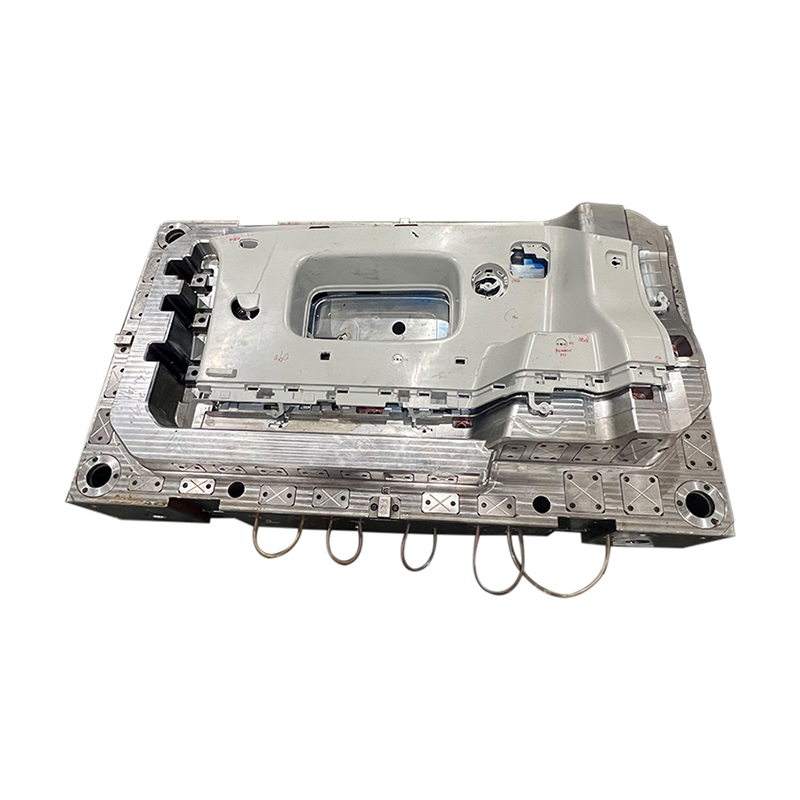
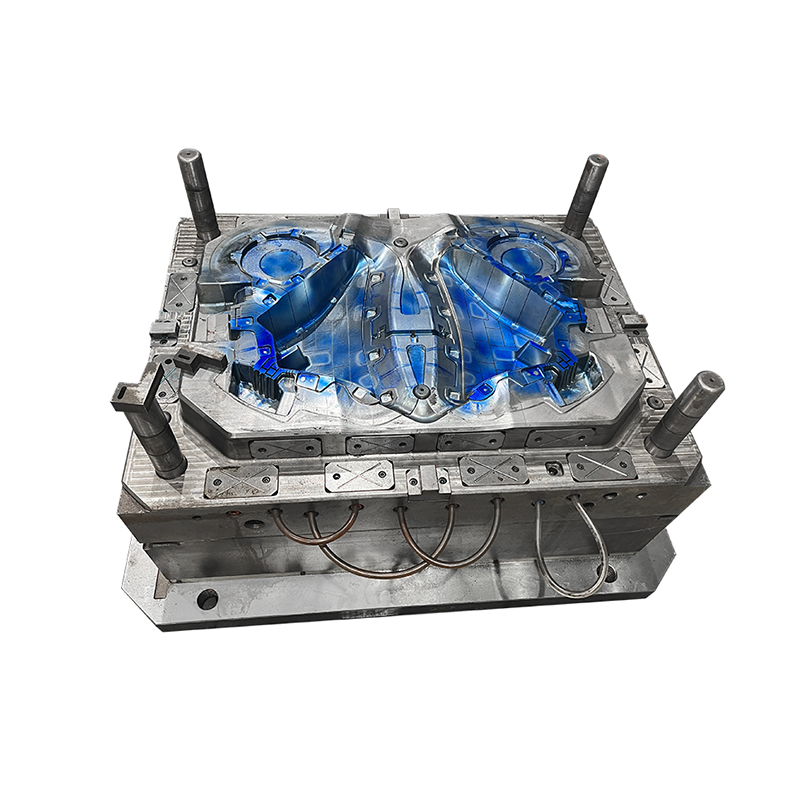
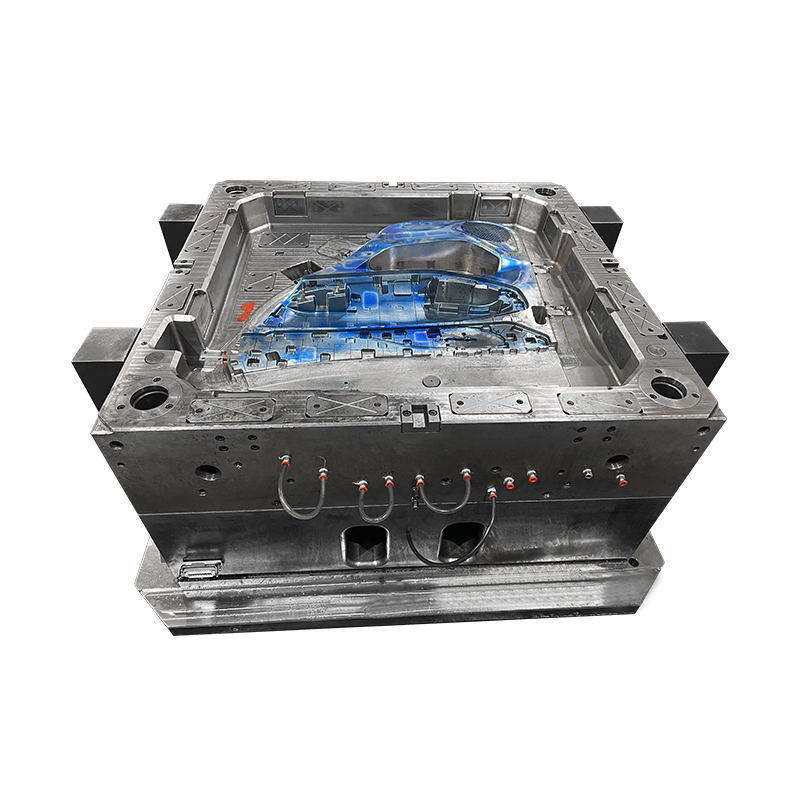
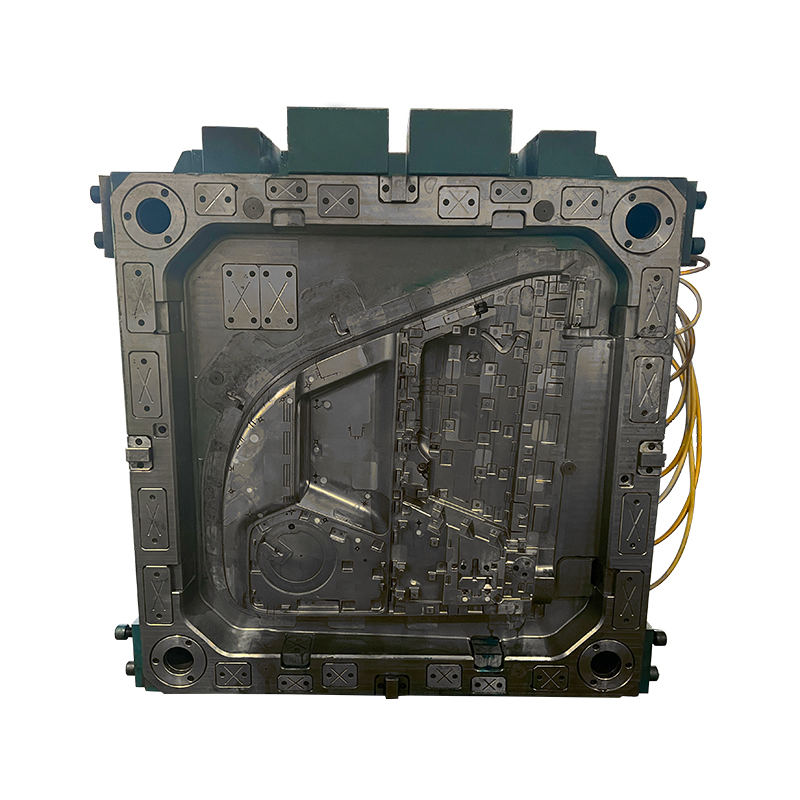
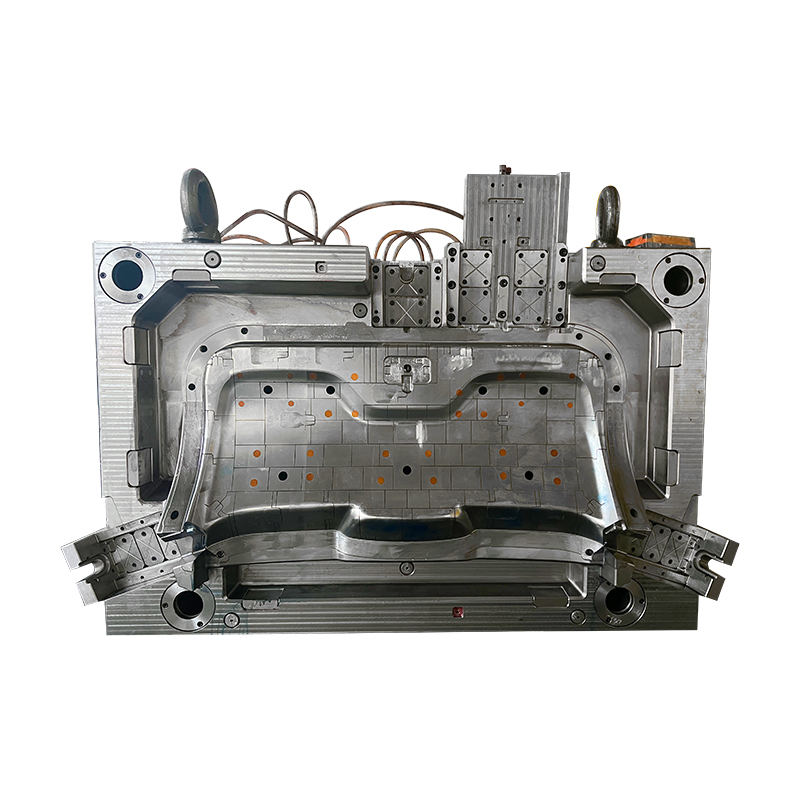
Mould design is central to the entire system. It defines the final geometry and guides material behavior during shaping.
The material does not create shape on its own. It follows the mould.
This means:
- simple moulds produce simple shapes
- detailed moulds produce detailed structures
- consistent moulds produce repeatable parts
Design planning happens before production begins, and it influences every later stage of the process.
Why is this process considered stable in manufacturing?
The SMC moulding process is often described as stable because it follows a predictable sequence. Each stage leads naturally to the next without requiring constant manual correction.
The overall structure can be summarized as:
material preparation → placement → heating → pressure shaping → cooling → removal
This sequence repeats in every cycle, which supports continuous production.
Stability comes from repetition and controlled conditions rather than complexity.
How does the process adapt to different product needs?
Even though the workflow is structured, it can support different design requirements. The main variable is the mould itself.
Changing the mould changes the product shape. The process remains the same.
This separation allows manufacturers to:
- produce different designs using similar steps
- adjust product appearance without changing material base
- maintain stable production while expanding output types
It creates flexibility within a controlled system.
What makes SMC moulding relevant today?
Modern manufacturing often looks for methods that combine structure and adaptability. SMC moulding fits this need because it offers a controlled way to form composite materials while maintaining repeatable output.
It does not rely on complex manual shaping during production. Instead, it uses a defined cycle that repeats under stable conditions.
As production environments continue to develop, processes like this remain useful for structured and consistent manufacturing work.