ENG
ENG  English
 Español
 Português
 عربى
عربى 中文简体
中文简体A plastic crate mold does not show its condition in an obvious way. Most of the time, it keeps working in the background, cycle after cycle. Crates come out, move into warehouses, then into transport systems. The mold itself stays in the machine, repeating the same motion.
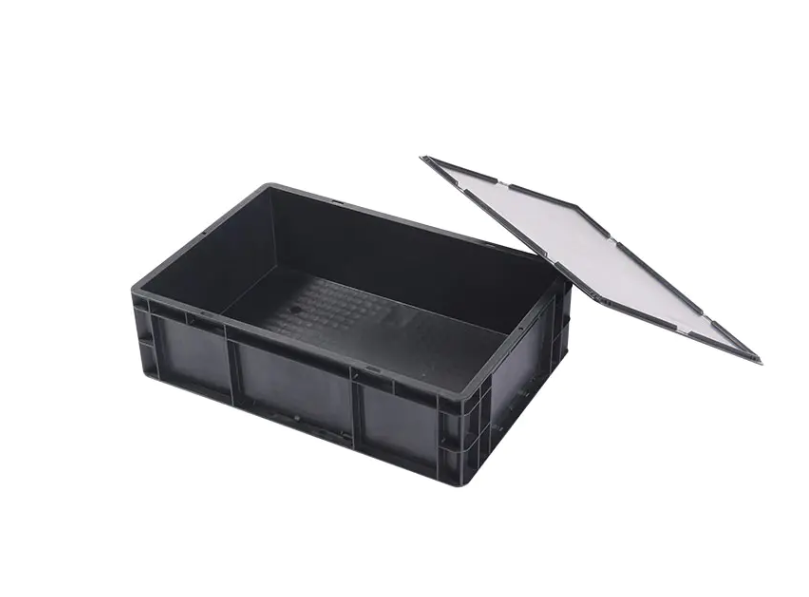
Its lifespan is not something that changes suddenly. It shifts slowly. Sometimes almost quietly.
Different factories may notice different patterns. Some molds stay stable for a long time. Others begin to show small changes earlier than expected. The reasons are rarely single or simple.
How Does Small Design Detail Change Long-Term Behavior?
At the beginning, a mold looks like a fixed structure. Solid, stable, defined. But once production starts, small details begin to matter more than expected.
If pressure inside the mold spreads evenly, things usually stay calm. Movement feels smooth. Output remains consistent.
But if one area carries more load, even slightly, that part begins to age differently. Not in a visible way at first. More like a subtle change in response.
Corners are often where this shows up. Or transition areas between shapes. These parts receive repeated force in slightly uneven patterns.
Over time, the mold starts to reflect those patterns.
What Happens When Material Behavior Changes Slowly?
Material does not stay completely the same after repeated use. It reacts to heat, pressure, and contact again and again.
At first, the change is almost impossible to notice. Everything still looks normal during production.
Then something small appears. A slightly different surface feel. A small shift in how smoothly things move.
Heat cycles play a quiet role here. Expansion, cooling, and repetition leave behind tiny adjustments in structure.
Some materials absorb this better. Others react more strongly. The difference is not always obvious on day one.
Why Does Production Rhythm Matter So Much?
Some molds run continuously. Others stop and start throughout the day.
Continuous use creates steady pressure. The mold never fully rests, but the stress pattern is predictable.
Stop-and-start use feels different. Each restart brings a small reset in movement. Pressure builds again from zero.
Both patterns create wear, just in different ways.
Idle time also adds its own influence. A mold sitting unused is not completely "inactive."Temperature and air still interact with it slowly.
Over time, rhythm becomes part of the wear pattern.
How Does Maintenance Quietly Shape Mold Lifespan?
Maintenance is often discussed as a routine task, but in practice, it has a strong influence on long-term behavior.
When cleaning is done regularly, residue does not accumulate. Movement stays smoother. Resistance stays lower.
When it is delayed, even slightly, material begins to build up in hidden areas. Not enough to stop production, but enough to change how surfaces interact.
Inspection works in a similar way. Small signs of change appear early. They are easy to ignore because production still continues normally.
Lubrication, cleaning, adjustment… each step looks small on its own. Together, they shape how the mold ages.
What Kind of Environment Slowly Changes Mold Condition?
A mold does not only react during production. The surrounding environment keeps influencing it in the background.
Temperature changes are one example. Not extreme shifts, just regular variation over time. Expansion and contraction repeat quietly.
Humidity is another factor. It does not create instant change, but it influences surface behavior during long exposure.
Even air quality plays a small role. Dust may settle when the mold is idle.
None of these act quickly. That is what makes them easy to overlook.
Why Does Wear Never Spread Evenly?
If a mold is used for a long time, wear rarely appears in a balanced way.
Some areas stay relatively stable. Others show change earlier.
It often depends on where pressure concentrates during production.
A simple table helps show the pattern:
| Situation | What Happens | What Appears Later |
|---|---|---|
| Repeated pressure in same area | Local stress builds | Slight surface change |
| Small alignment shift | Uneven contact | Irregular shaping feel |
| Residue buildup | Increased friction | Slower movement |
| Temperature variation | Material response changes | Subtle deformation pattern |
| Repeated cycles | Fatigue accumulates | Localized aging |
These are not separate problems. They overlap during real use.
How Does Human Operation Influence Long-Term Performance?
Even with stable machines, human handling still introduces variation.
A small adjustment during setup. A slightly different alignment. A faster cleaning process on a busy day.
None of these seem important individually.
But molds are sensitive to repetition. Small differences repeated over months begin to shape wear patterns.
Some operators work with high consistency. Others adjust based on situation. Both approaches are normal in production environments.
The mold responds to both.
What Role Does Cooling Time Play in Long-Term Stability?
Between cycles, molds cool down. This part of the process often feels automatic.
But cooling is not just a pause.
If temperature drops evenly, the structure settles in a balanced way.
If cooling is uneven, different areas respond differently. Over time, this creates small internal differences.
Short pauses between cycles help reset surface conditions.
Very long pauses create exposure time to environment.
So even "rest" is not neutral.
How Does Storage Time Affect a Mold That Is Not Running?
When a mold is not in use, it still changes slowly.
It sits in storage. Or remains idle in a workshop corner.
Temperature around it shifts during the day. Humidity rises or falls depending on location.
Over long periods, these small changes leave marks.
Dust is another quiet factor. It does not damage immediately, but it affects surface smoothness when production restarts.
Storage is not just waiting time. It is another phase of exposure.
Why Do Some Molds Age Faster Than Others?
There is no single reason.
It is usually a combination.
A mold with stable design but poor maintenance may still wear early.
A mold with strong material but unstable operation conditions may also change faster than expected.
Even usage rhythm alone can shift lifespan patterns.
It rarely comes from one mistake or one factor.
It builds from many small ones acting together.
What Really Shapes Long-Term Mold Behavior?
If you look closely, the lifespan of a plastic crate mold is less about strength alone.
It is more about consistency.
Consistent pressure.
Consistent maintenance.
Consistent environment.
Consistent handling.
When these stay stable, the mold tends to age slowly and predictably.
When they vary often, changes appear in uneven ways.
Not suddenly. Not clearly at first.
Just gradually, through repeated cycles that look almost the same every day.