ENG
ENG  English
 Español
 Português
 عربى
عربى 中文简体
中文简体Crate Mold Factory are one of those objects that rarely get noticed on their own. They sit in warehouses, move through loading areas, stack in corners of retail storage rooms, and travel across supply routes without drawing attention. Most of the time, they are not treated as a product worth discussing. They are simply part of the background.
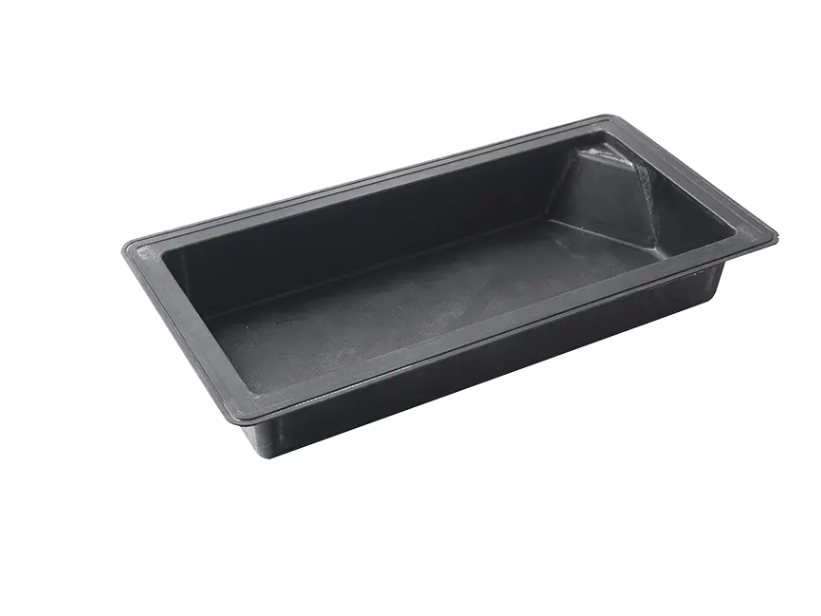
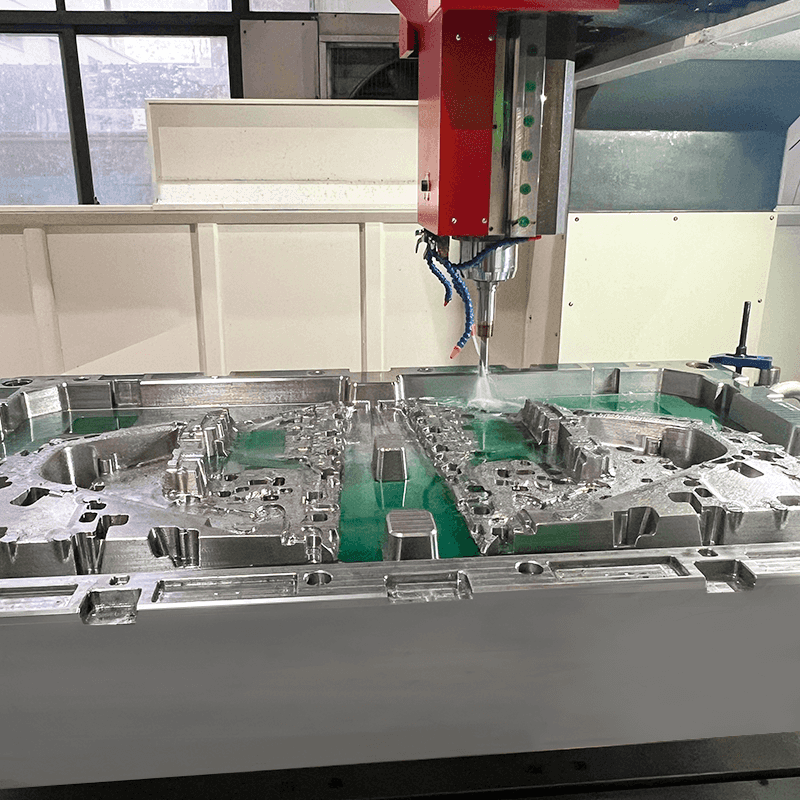
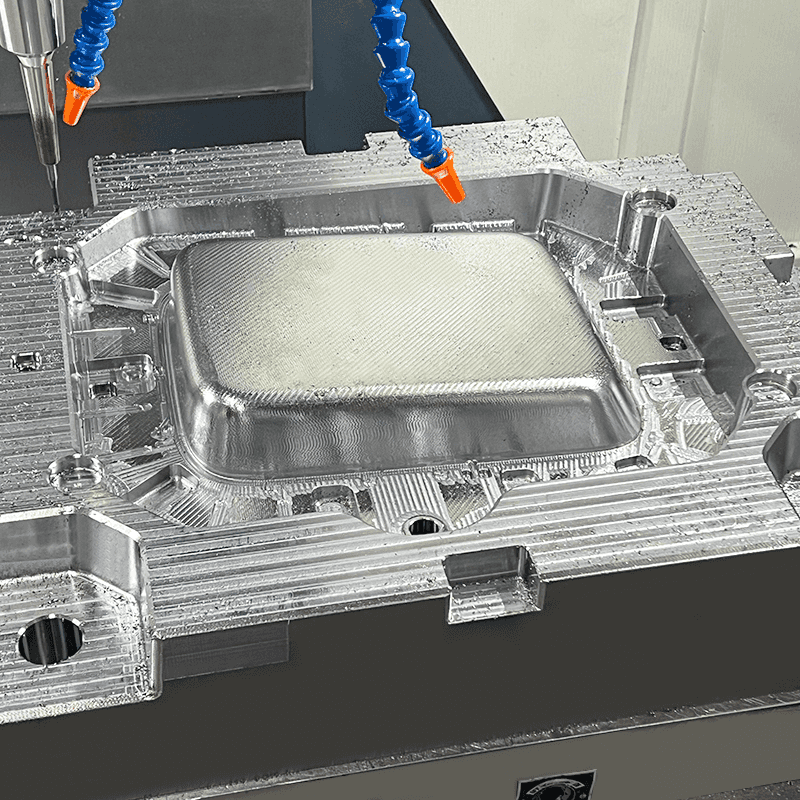
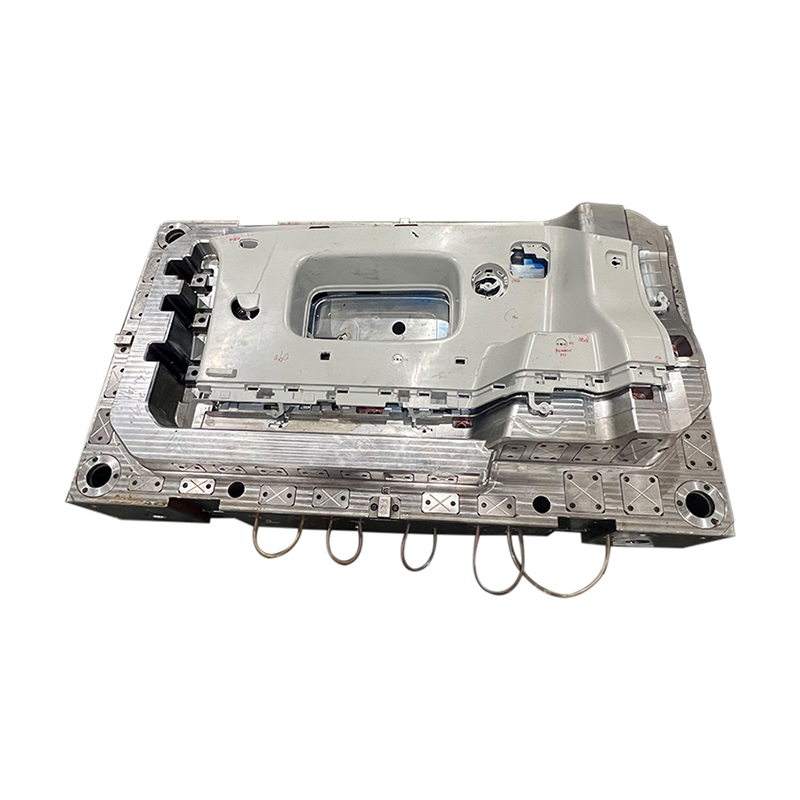
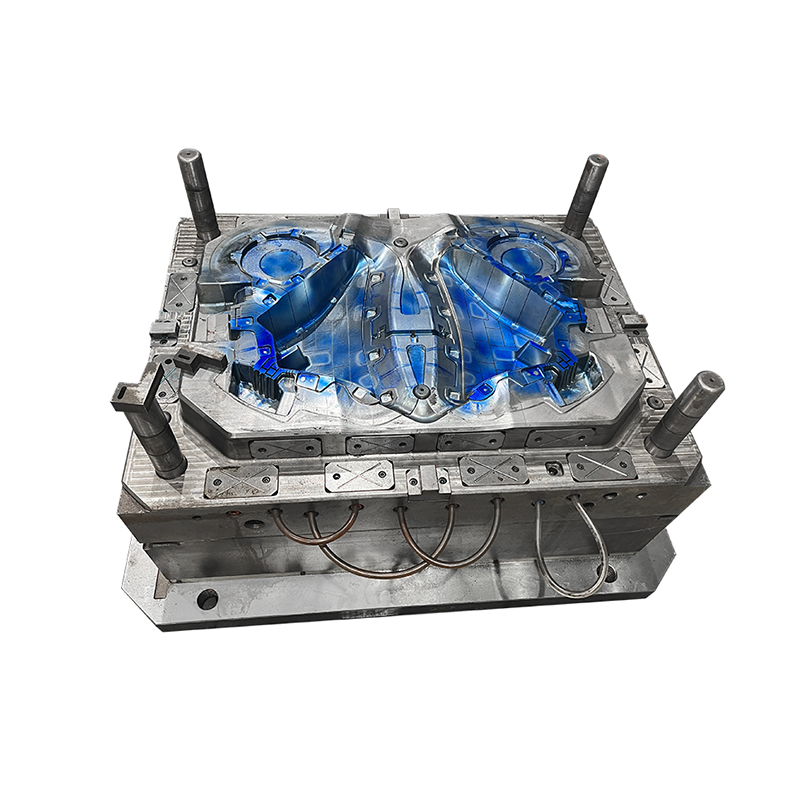
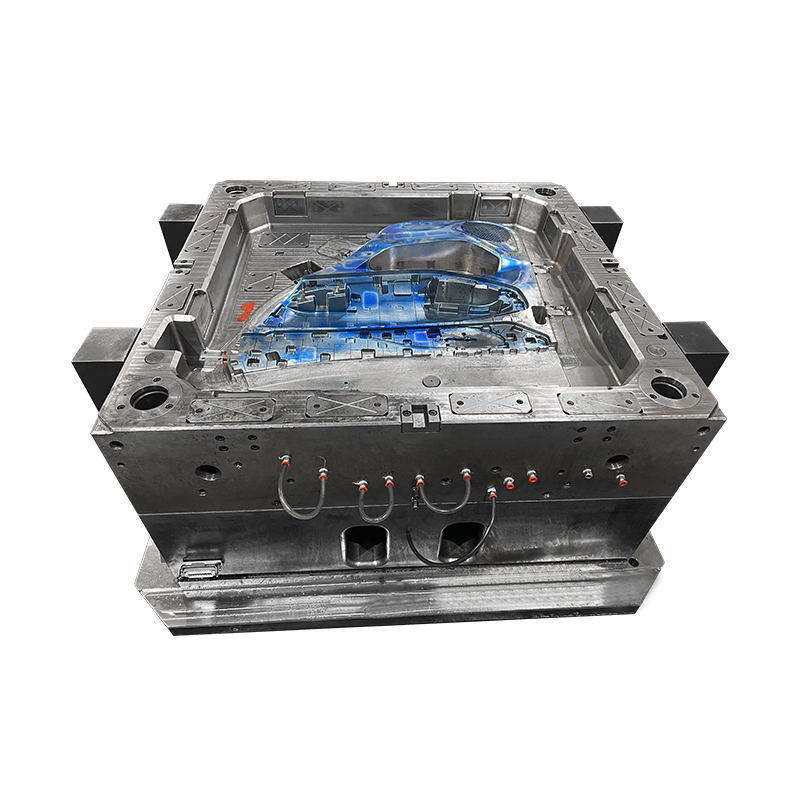
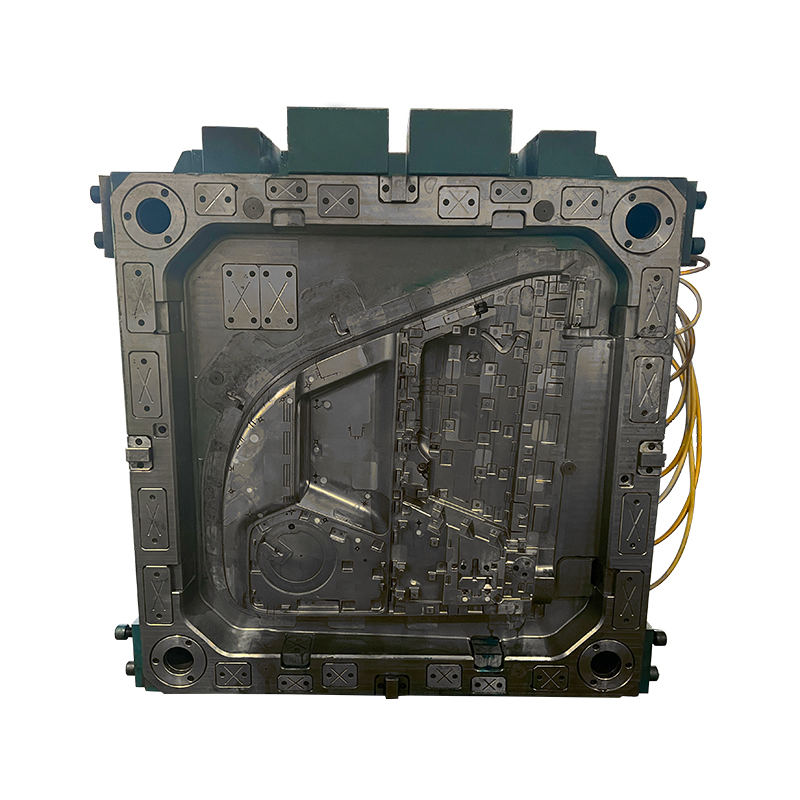
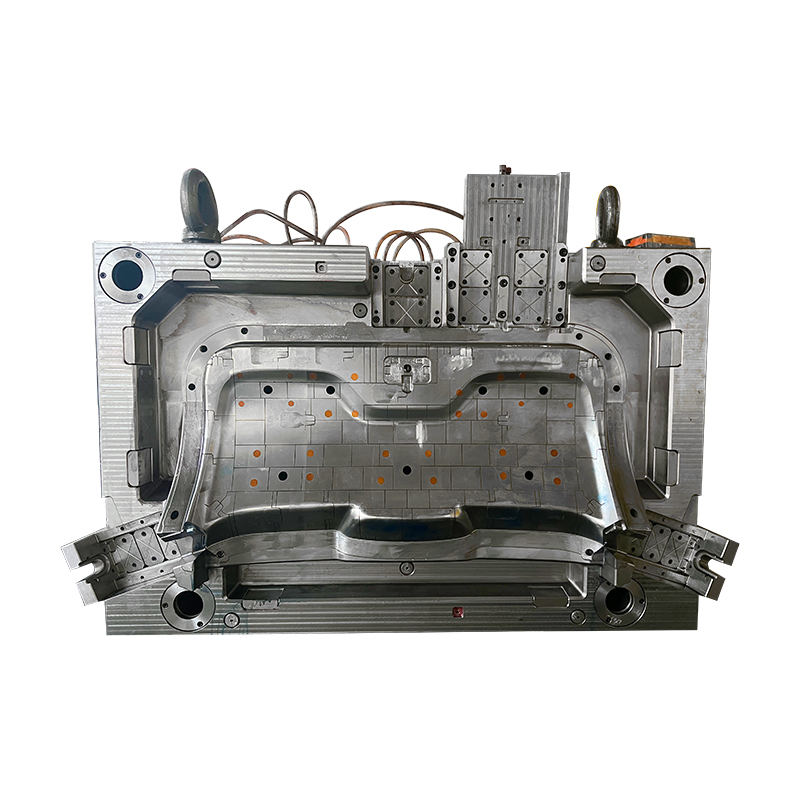
But behind every crate, there is a mold system that defines its shape, structure, and behavior. Crate mold factories are responsible for turning design ideas into repeatable physical containers. Once a mold is stable, it can be used again and again, producing crates that behave in the same way across different batches.
That repetition is what makes them important. Many industries depend on crates, but what they truly depend on is consistency that does not change quietly over time.
Why do crate mold factories matter even if they are rarely seen?
In most supply chains, attention goes to movement, storage, and delivery. Crates sit in between all of these steps, quietly supporting the flow.
A crate looks simple from the outside. A box-like structure, often stackable, designed to carry or store items. But its usefulness is not in appearance. It is in how reliably it fits into systems that depend on repetition.
Crate mold factories create the foundation for that reliability. Once a mold is designed and stabilized, the same shape can be reproduced many times. That means industries can build systems around predictable dimensions and behavior.
Without this stability, every part of a supply chain that depends on crates would need constant adjustment. That is rarely visible, but it would slow down almost everything.
Logistics systems rely on repetition more than anything else
Logistics is built on movement, but not random movement. It is structured movement that repeats every day.
Goods travel from production points to warehouses, then to sorting centers, then to final destinations. At every step, crates help organize and control how items are grouped.
If crates stack properly, warehouse space is used efficiently. If they align well, transport becomes more stable. If they behave consistently, sorting becomes faster and less complicated.
When crate behavior changes between batches, even slightly, logistics systems begin to feel it. Workers may not describe it in technical terms, but they notice when stacking feels different or when handling takes longer than expected.
That is why logistics networks often depend on crate mold factories that can maintain long-term consistency.
Agriculture depends on speed and repetition under changing conditions
Agriculture operates in cycles. There are periods of low activity and periods where everything moves quickly.
During harvesting periods, crates are used in large volumes within a short time. They are filled, moved, stacked, and reused continuously.
There is little room for adjustment. Workers rely on familiar handling habits. A crate that feels different from what they expect can slow down the rhythm of work.
Crates in agriculture are also exposed to outdoor environments. They may be carried across uneven ground, stacked in open storage areas, or reused across different seasons.
Because of this, consistency becomes more than convenience. It becomes part of operational stability.
Crate mold factories support this by producing designs that remain familiar across repeated cycles, even when usage conditions change.
Retail and wholesale systems depend on invisible organization
Retail and wholesale environments look organized on the surface, but much of that organization depends on crates behind the scenes.
Products arrive in bulk, get sorted into categories, and move through storage areas before reaching shelves or distribution points. Crates help manage this flow.
They act as temporary structure. Not permanent storage, but flexible organization.
In wholesale centers, crates group products into manageable units. In retail storage rooms, they help control inventory movement.
If crate shapes vary, even slightly, workers need to adjust how they stack or move them. That slows down simple tasks like sorting or restocking.
Crate Mold Supplier reduce this problem by keeping crate designs stable across production cycles, so the same handling habits can be used over time.
How crate dependency appears across different industries?
| Industry Area | Main Role of Crates | Working Environment | What breaks when variation appears |
|---|---|---|---|
| Logistics | Transport and sorting structure | Warehouses, transport hubs | Slower handling, unstable stacking |
| Agriculture | Harvest collection and reuse | Fields, storage zones | Disrupted handling rhythm |
| Retail & wholesale | Stock organization | Storage rooms, distribution | Sorting delays, space mismatch |
| Manufacturing | Internal movement of materials | Production floors | Interrupted workflow flow |
| Food distribution | Fast grouping and transport | Handling and storage areas | Reduced stacking reliability |
Even though each industry uses crates differently, they all depend on one shared idea: the container should behave the same way every time.
Manufacturing environments depend on controlled internal movement
Inside factories, crates are not just storage tools. They are part of internal logistics.
They carry components between stations. They separate materials that are in different stages of processing. They help organize movement in environments where work never fully stops.
If crate design changes between batches, internal systems may need adjustment. Storage racks may no longer align. Movement paths may feel less smooth. Workers may need to compensate manually.
Crate mold factories reduce this uncertainty by producing containers that remain consistent enough to support repeatable internal workflows.
Food distribution reacts quickly to small inconsistencies
Food supply chains often operate under tighter handling expectations.
Products are grouped, moved, and redistributed quickly. Crates are used to keep items organized during transport and storage.
In this environment, stacking behavior becomes especially important. If crates do not align properly, space is wasted and handling slows down.
Even small differences in crate structure can affect how efficiently goods move through the system.
That is why stable mold production is valued in this sector. It reduces variation that could interrupt fast-moving processes.
Construction and industrial environments rely on structure under pressure
Construction sites and industrial facilities deal with constant movement of tools, parts, and materials.
Crates help organize these items into manageable units. They reduce clutter and support transport between different working areas.
In these environments, durability and structure matter more than appearance. Crates are expected to handle repeated use, shifting loads, and changing conditions.
If crate shapes vary between batches, stacking systems or storage methods may need adjustment. That creates unnecessary friction in already busy environments.
Crate mold factories support these industries by maintaining consistent structural output that can withstand repeated handling.
Why design consistency shapes system efficiency?
Crates are often treated as simple objects, but they are part of larger systems.
Once a crate design becomes part of a workflow, it influences how storage is arranged, how transport is planned, and how workers interact with materials.
If design changes unexpectedly, those systems need to adapt. That adaptation takes time and can interrupt efficiency.
When crate mold factories maintain stable designs, industries can build long-term systems around them. That reduces uncertainty and keeps workflows predictable.
How small variations become visible in real use?
Crates are not usually tested in controlled environments during daily operations. They are used in real conditions where pressure, movement, and handling vary constantly.
This is where small differences become noticeable.
A crate that stacks slightly differently can change how space is used. A crate that handles weight differently can affect how workers move items. A crate that feels slightly different can interrupt routine handling patterns.
These changes are often subtle at first. Over time, they become more noticeable as they affect repetition in daily operations.
This is why industries rely more on real-world experience than appearance when evaluating crate performance.
What makes crate mold factories a hidden structural layer in industry?
Most industries do not interact directly with crate mold factories. They interact with the final product instead.
But the influence of these factories runs through almost every supply chain that depends on storage and movement.
They do not define the entire system, but they define the consistency inside it. That consistency allows logistics, agriculture, retail, manufacturing, food distribution, and other sectors to operate without constant adjustment.
Crate mold factories sit quietly at the beginning of this chain, shaping something simple that supports something much larger.