ENG
ENG  English
 Español
 Português
 عربى
عربى 中文简体
中文简体Crate mold supplier work behind the scenes of many everyday logistics systems. The crates seen in warehouses, farms, supermarkets, and transport vehicles are not made randomly. Each one starts from a mold, and that mold is the core responsibility of a crate mold supplier.
Their work connects product ideas with real manufacturing conditions. The final crate may look simple, but the process behind it involves planning, coordination, testing, and repeated adjustment until it can work smoothly in real environments.
What Is the Core Role of a Crate Mold Supplier?
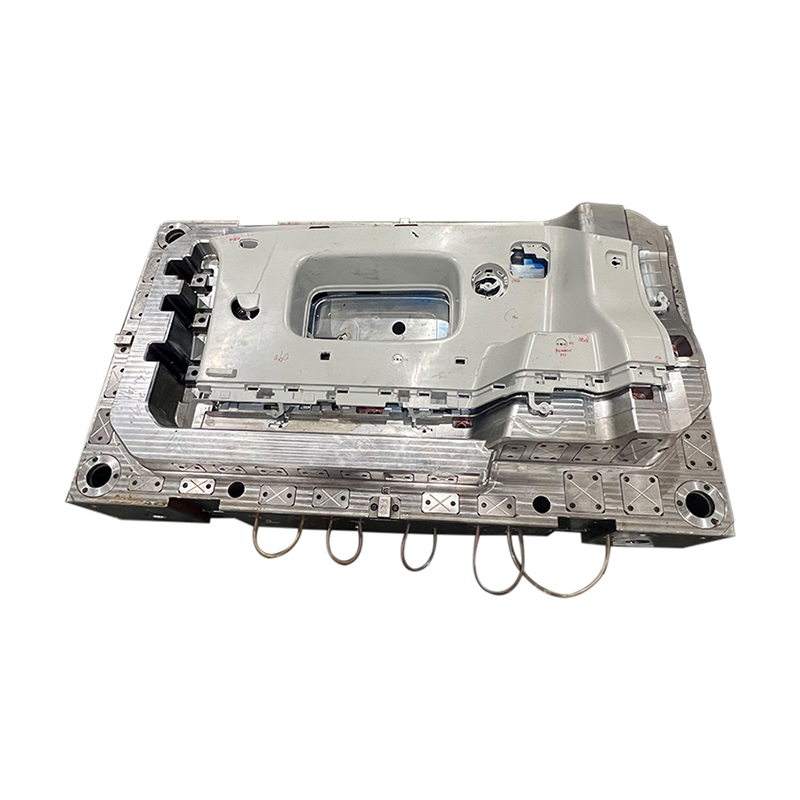
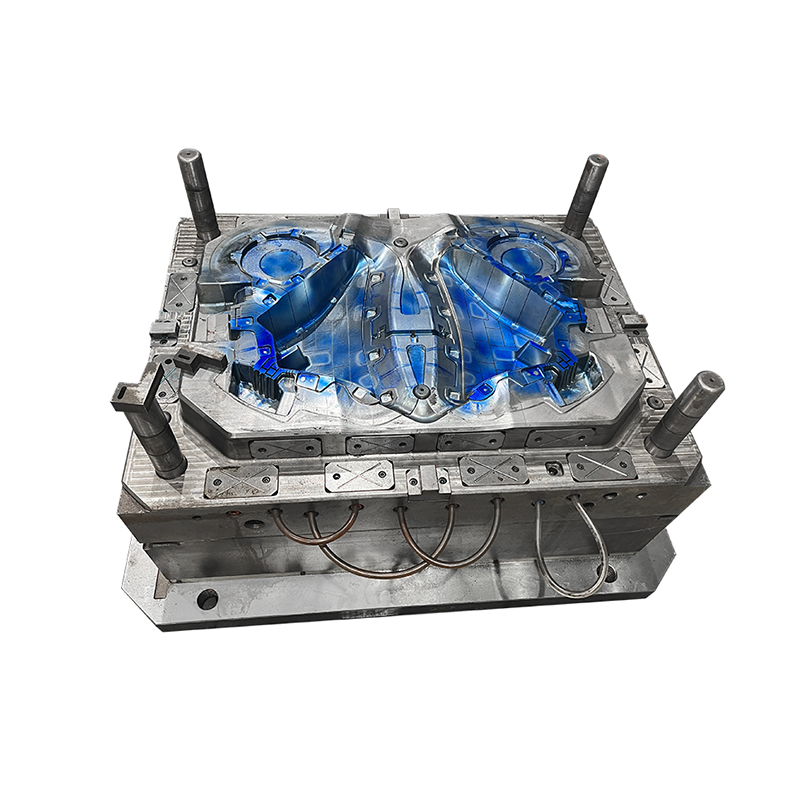
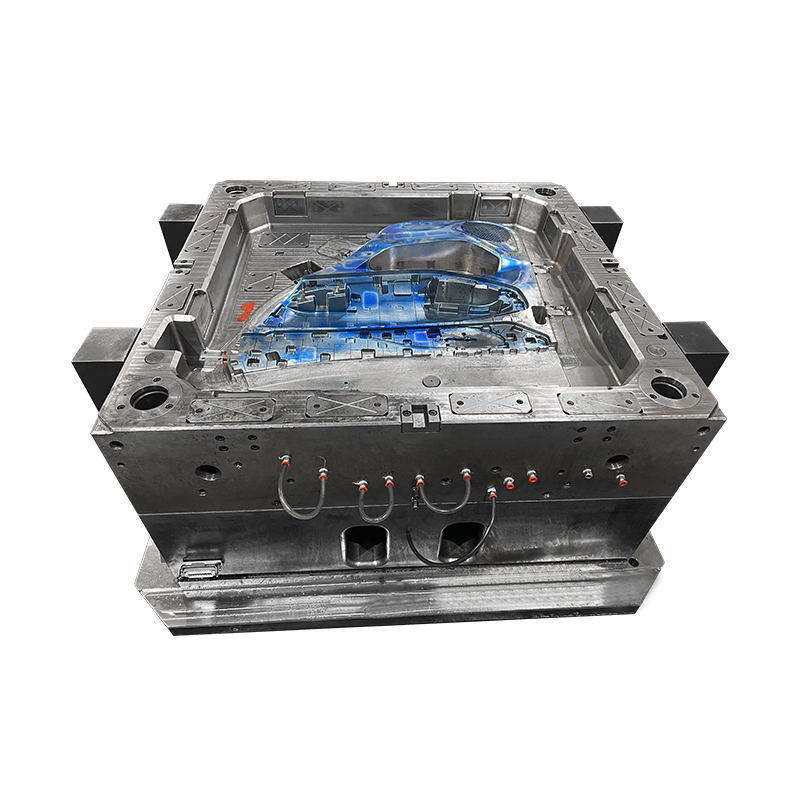
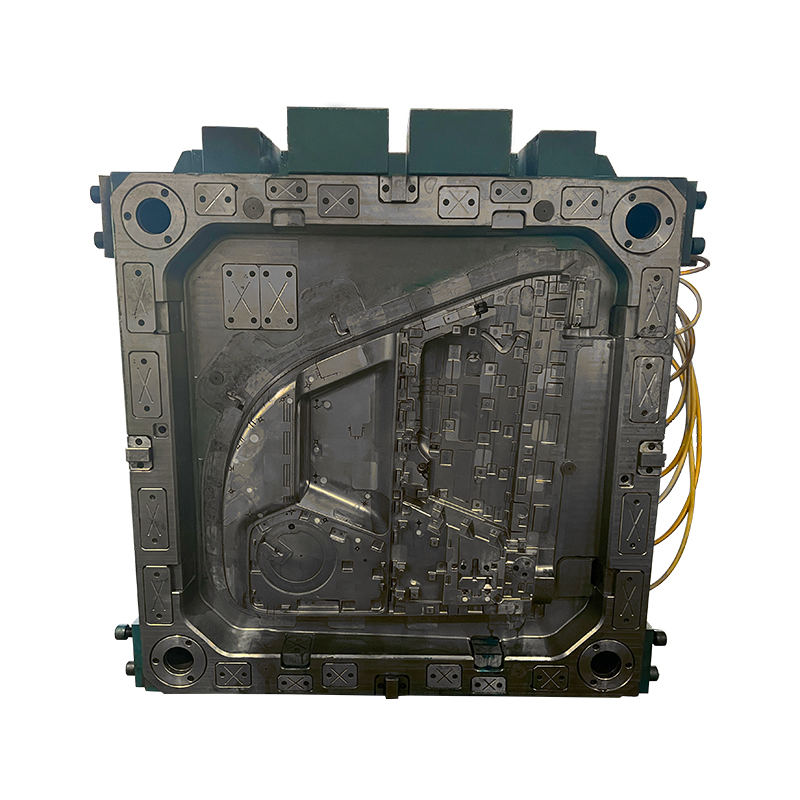
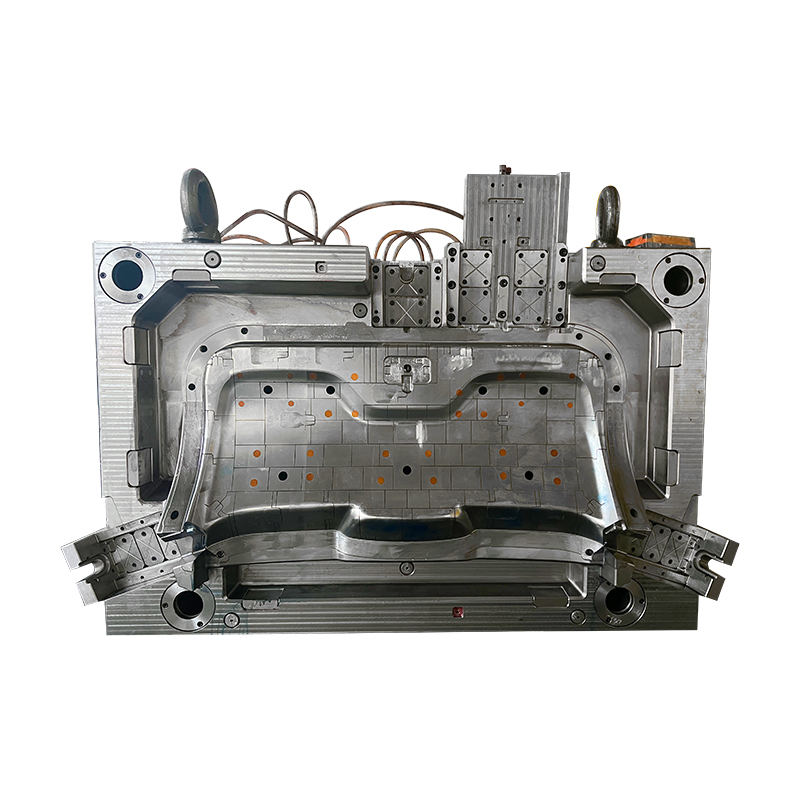
A crate mold supplier focuses on creating molds used to shape plastic crates during production. The mold is placed into production equipment, and material is formed inside it to create identical containers.
The role is not limited to making a physical tool. It usually includes several linked tasks:
- Understanding how the crate will be used in daily handling
- Translating usage needs into a workable structure
- Adjusting mold design based on sample results
- Supporting stable production after delivery
In many cases, the supplier also stays involved after the mold is delivered. Crate production is repetitive, so small issues can appear over time. Communication helps keep output stable.
How Does a Crate Idea Become a Mold Design?
Every crate begins with a practical need. Some crates are used for fruit picking, some for warehouse storage, and some for transport between factories. Each scenario places different demands on the structure.
A Crate Mold Factory studies these needs and turns them into design decisions. This step is less about drawing and more about thinking in layers.
Common points considered during this stage include:
- How the crate will be lifted and carried
- How it will behave when stacked
- Whether air or water needs to pass through
- How much weight it should support in real use
- How it will be stored when not in use
These points slowly shape the mold structure. A crate that looks similar on the outside may still require very different internal design choices depending on its use.
What Happens During Crate Mold Planning?
Before any manufacturing starts, planning takes place. This stage is often quiet but important.
The supplier looks at structure details such as:
- Overall shape and balance
- Wall thickness distribution
- Reinforced areas where pressure is stronger
- Handle positions for lifting comfort
- Stack alignment structure
Even small adjustments in these areas can change how the crate behaves in real use.
For example, a slight change in stacking design can improve storage stability. A small shift in handle position can reduce strain during lifting. These details are often refined step by step rather than decided at once.
Planning usually moves between idea and adjustment until the structure feels practical for real conditions.
How Is a Crate Mold Actually Made?
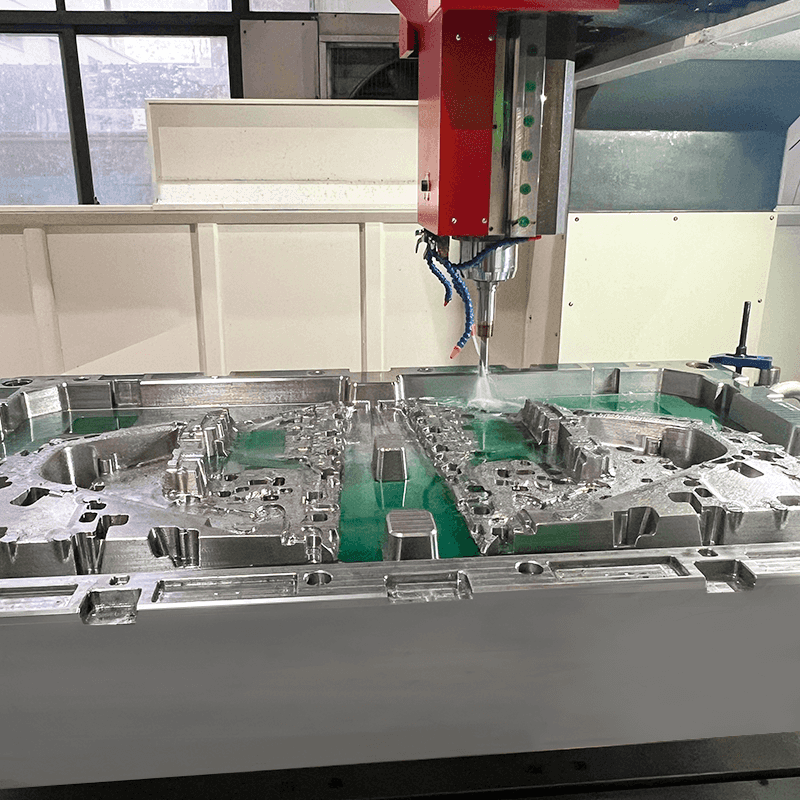
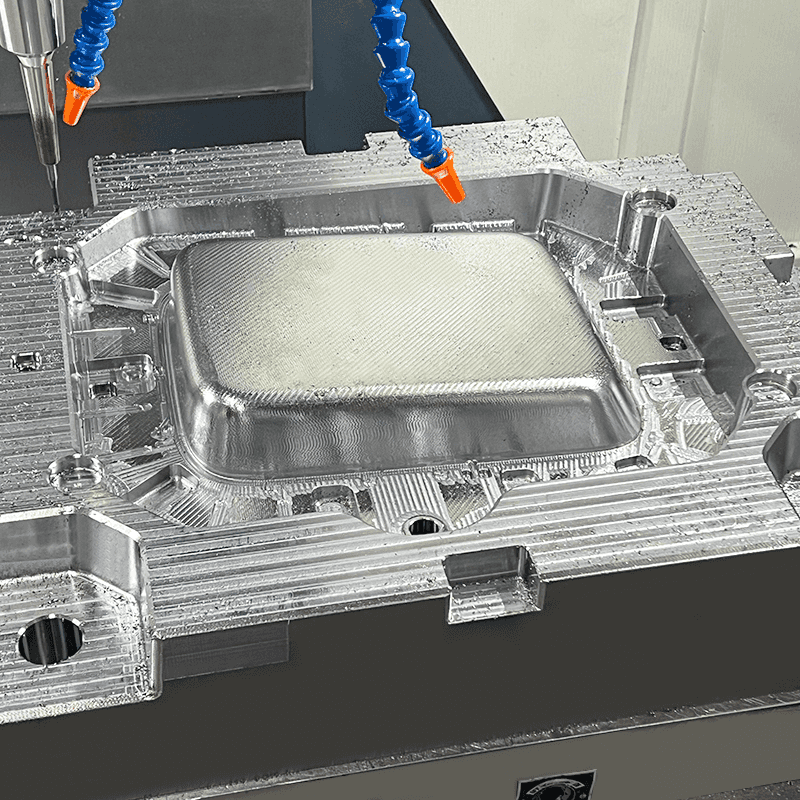
Once planning is confirmed, the mold moves into production. This is where the design becomes a physical tool.
The process typically involves:
- Forming the main mold body
- Creating internal shaping cavities
- Building alignment structures for accuracy
- Checking smoothness of internal surfaces
- Assembling the complete mold structure
Each part plays a role in how the crate will be formed later.
After assembly, the mold is tested. A sample crate is produced to see how the structure behaves in real conditions. This is often where small adjustments appear.
Sometimes the surface needs smoother release. Sometimes the structure needs slight reinforcement. These changes are part of normal production flow.
Why Is Testing an Important Part of the Process?
Testing connects design intention with real output. A design may look correct on paper, but real material behavior can be different.
During testing, sample crates are observed for:
- Shape consistency
- Surface appearance
- Ease of stacking
- Stability during handling
- Comfort during lifting
If something does not behave as expected, the mold is adjusted.
Testing is not a single step. It can repeat several times until the crate behaves consistently during production.
This stage helps reduce problems later when large quantities are produced.
Where Are Crate Mold Suppliers Commonly Used?
Crate molds are used in many industries where transport and storage are part of daily work.
Common application areas include:
- Agricultural product handling
- Food distribution systems
- Warehouse storage operations
- Retail logistics networks
- Industrial part movement
Each area has different expectations.
Agriculture often needs ventilation and easy cleaning. Warehouses focus on stacking efficiency. Retail systems require uniform size for space planning.
Because of these differences, mold suppliers often adjust designs based on industry needs rather than using a single structure for everything.
How Does Mold Design Affect the Final Crate?
The mold determines almost everything about the final crate.
It influences:
- How strong the crate feels under load
- How well it stacks with others
- How easy it is to carry
- How it handles repeated use
- How space-efficient it is during storage
Stacking design is especially important. In many workplaces, crates are stored in large numbers. If stacking is unstable, space is wasted and handling becomes more difficult.
Handle design also matters. Workers may carry crates repeatedly, so comfort becomes part of daily efficiency.
Drainage and ventilation patterns are also shaped by the mold. These features are important in environments like agriculture and food handling.
What Challenges Do Crate Mold Suppliers Face?
The work of a mold supplier includes several practical challenges.
Some common situations include:
- Adjusting design for different material behaviors
- Balancing strength with lightweight structure
- Keeping shape consistent during repeated production
- Ensuring smooth release during manufacturing cycles
- Meeting different expectations from different industries
One mold design may need to work in more than one environment. This makes balance an important part of the process.
Long-term use is another challenge. A mold is expected to maintain stability over many production cycles without losing consistency.
How Do Custom Requirements Change the Process?
Many crate mold projects are not standard. Clients often request changes based on their own working systems.
These changes may involve:
- Adjusting crate size for storage systems
- Strengthening structure for heavier use
- Modifying surface design for better grip
- Changing stacking alignment points
- Adding ventilation or drainage features
Even small changes can influence the entire mold structure.
Because of this, communication plays a large role in the process. Adjustments are often made step by step until the crate fits real working conditions.
What Happens After the Mold Is Delivered?
Delivery is not always the end of involvement. In many cases, mold suppliers continue to support production.
Ongoing support may include:
- Checking production consistency
- Helping adjust small issues during use
- Supporting maintenance of the mold
- Assisting with repeated production runs
Over time, molds naturally experience wear from repeated cycles. Small corrections help maintain stable output.
This long-term involvement helps ensure production does not lose consistency.
How Does Crate Mold Supply Fit Into Daily Logistics Systems?
Crate mold suppliers are part of a larger system that supports storage and transport networks.
Without molds, crates could not be produced in a consistent way. Without consistent crates, stacking, storage, and transport would become less organized.
Crates are visible in daily operations, but the mold behind them is often unnoticed. Still, it influences how smoothly goods move through warehouses, farms, and retail channels.
The role sits quietly at the beginning of many supply chains, shaping containers that support repeated use across different environments.