ENG
ENG  English
 Español
 Português
 عربى
عربى 中文简体
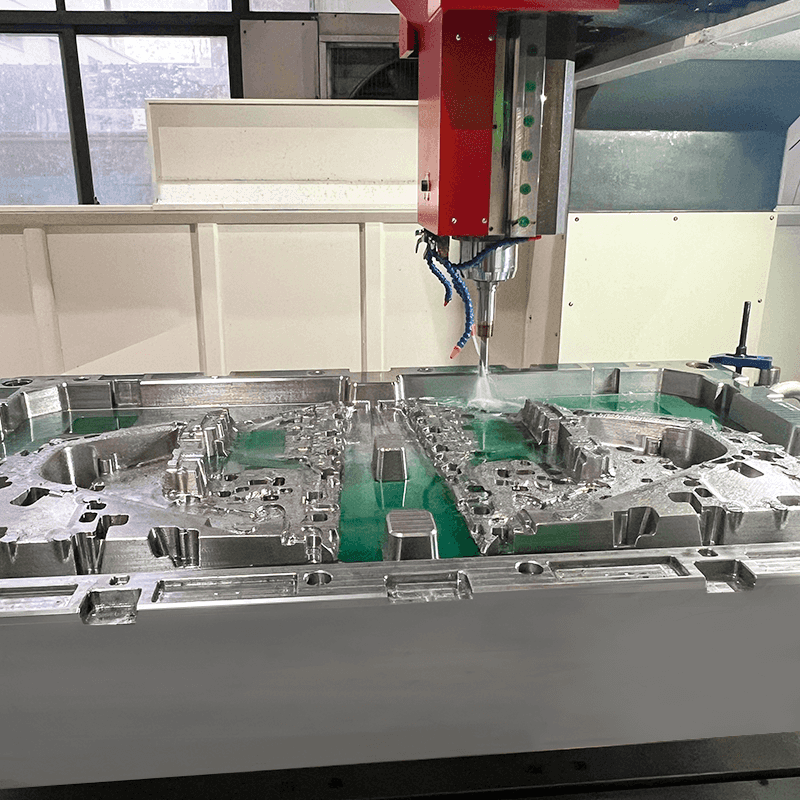
中文简体A BMC Mould Factory works behind many industrial products that people rarely notice. The products shaped by these moulds appear in electrical systems, machinery, and structural components. The factory itself does not usually make the final goods. Its main job is to create the tools that shape those goods.
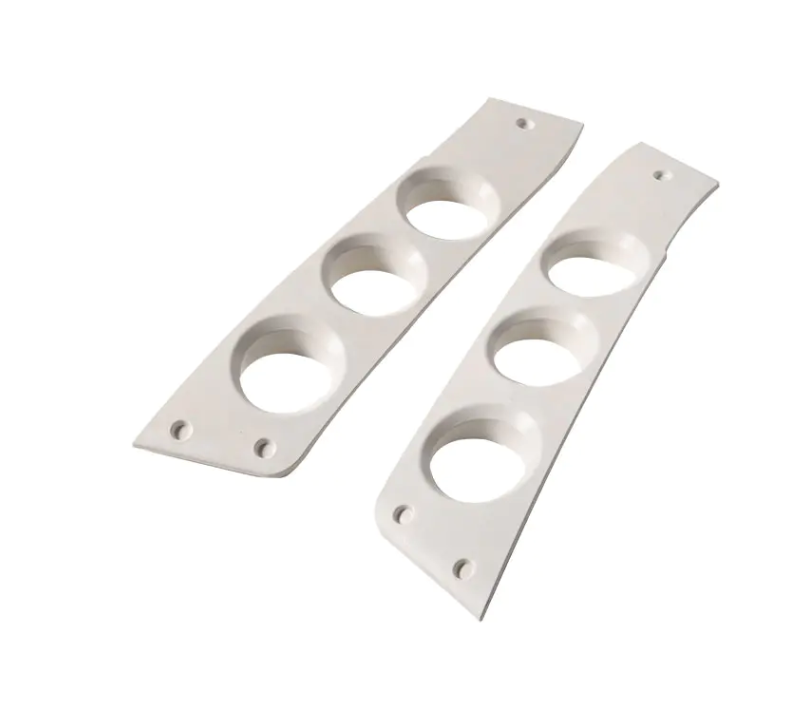
BMC material behaves in a different way compared with ordinary plastics. It is formed under pressure and heat, and it keeps its shape after curing. Because of this behavior, the moulds used in production need careful structure and stable design.
What Is The Main Output Of A BMC Mould Factory?
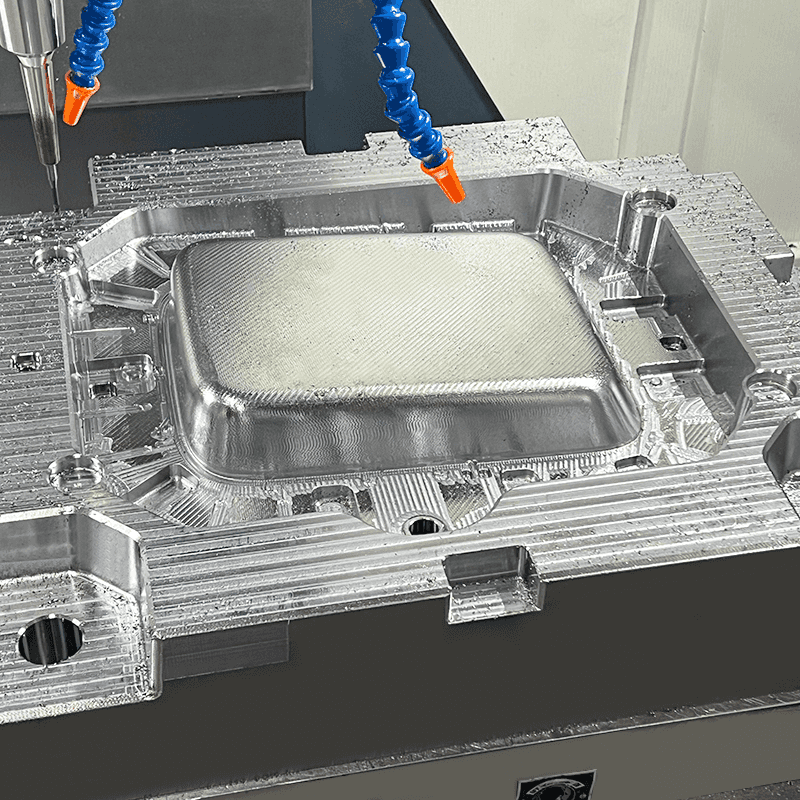
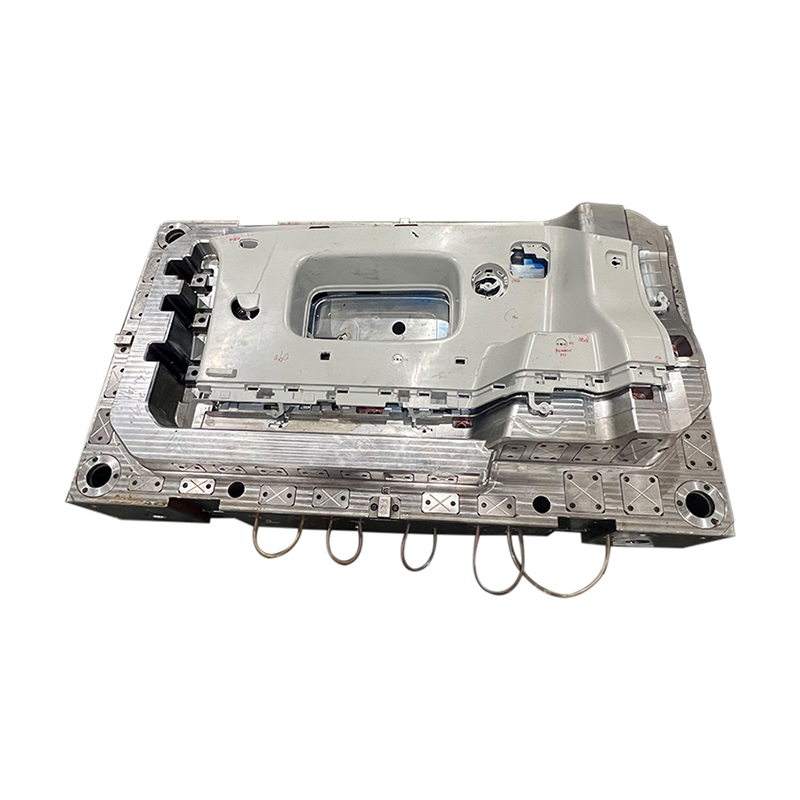
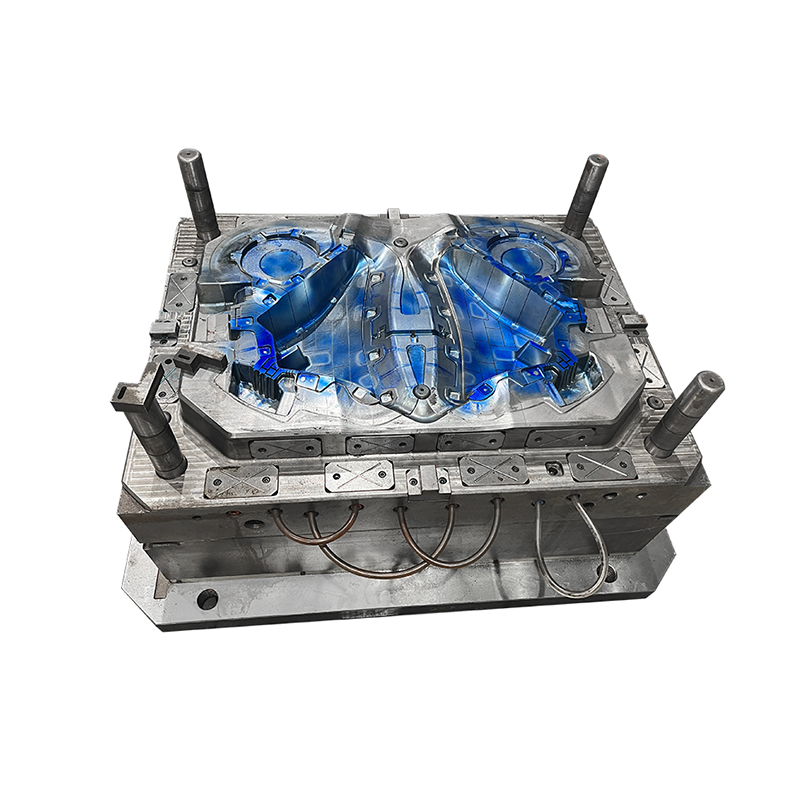
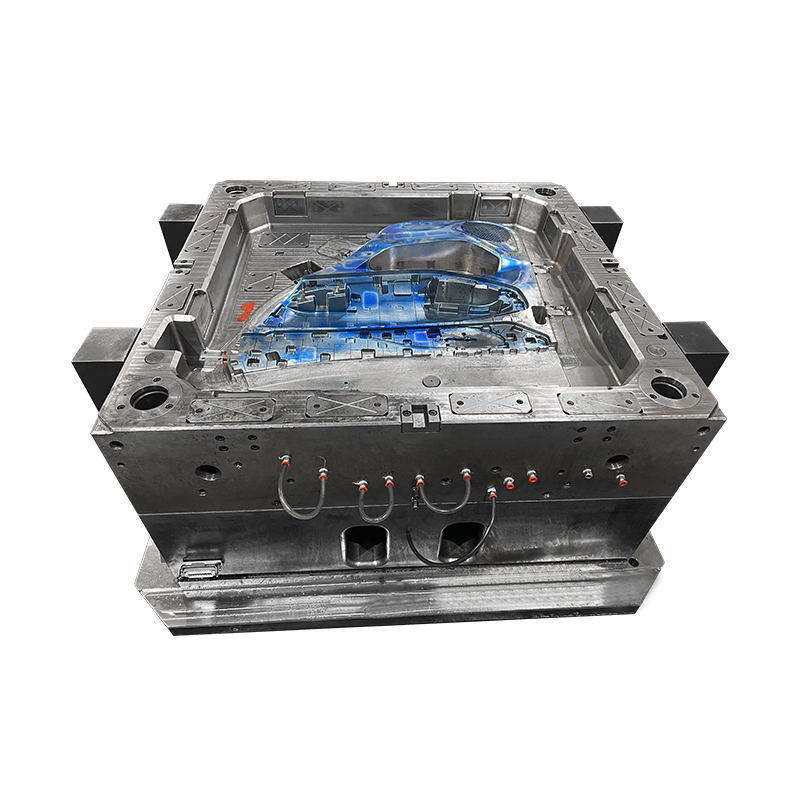
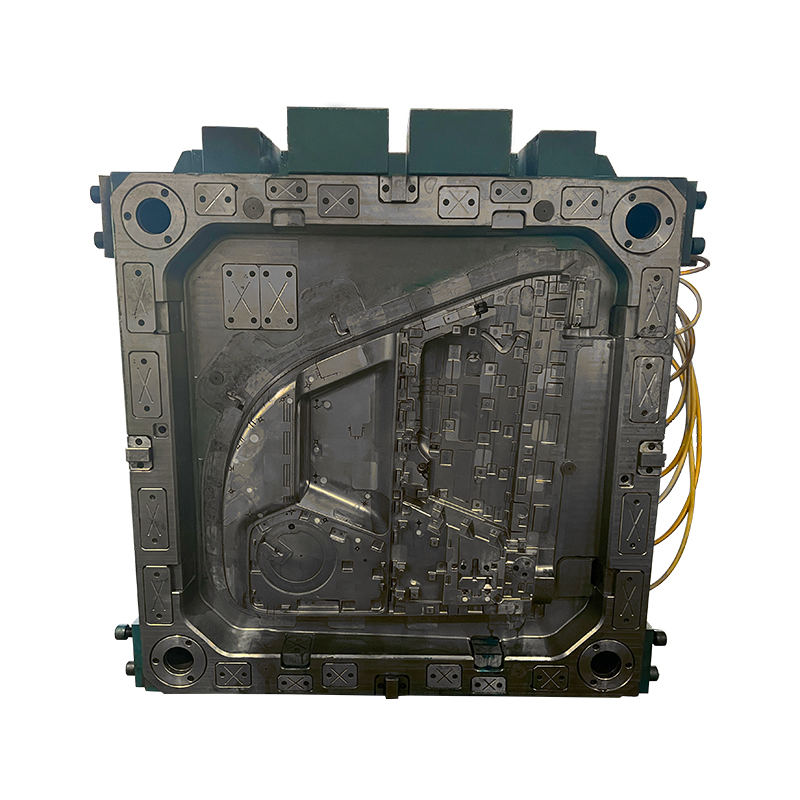
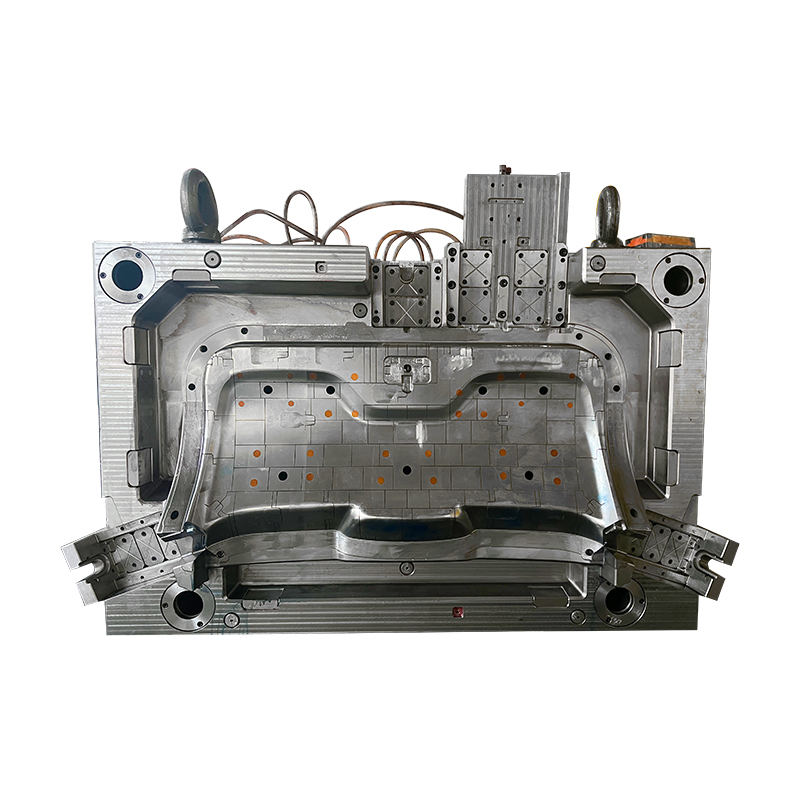
The core product is the mould itself. This is a forming tool that defines how the final part will look and perform.
A typical BMC mould factory produces:
- Compression mould tools used in industrial shaping
- Moulds for electrical enclosures and protective housings
- Structural forming tools for mechanical parts
- Custom mould systems based on product drawings
- Spare or replacement mould parts for long-term use
Each mould is built for a specific purpose. Some are designed for repeated heavy use. Others focus more on surface detail or structural complexity.
The work is less about mass production of items, and more about building shaping systems.
Why Does BMC Mould Design Require Careful Planning?
BMC material does not flow like standard plastic. It reacts to heat and pressure during forming. That means the mould must guide the material in a controlled way.
If the structure is not well planned, small issues can appear later in production. The final part may not fit correctly, or the surface may look uneven.
Good mould design usually considers:
- How material spreads inside the cavity
- How pressure is balanced across the structure
- How the part is released after forming
- How the mould performs after repeated cycles
Design work is often adjusted several times before production starts.
What Products Depend On BMC Moulds?
BMC mould fabricated components serve a wide range of industrial sectors. Most industrial applications require parts that can remain stable when exposed to heat, pressure and long-duration operating conditions.
Common products made with these moulds include:
- Protective outer casings for electrical equipment
- Outer coverings for industrial machinery units
- Insulation components for structural assembly
- Key parts used in transportation equipment systems
- Structural support and protective shell components
Customer requirements vary for different application scenarios. Some clients prioritize exterior appearance and finish, while others value structural strength and long-term operational stability above all else.
How Do Factories Handle Custom Mould Requests?
Not every mould is standard. Many projects require shapes that match specific product designs. In these cases, factories adjust the mould structure based on drawings or sample requirements.
The process often includes:
- Reviewing product shape and function needs
- Planning internal mould structure
- Adjusting forming and release areas
- Refining details for better fit
- Testing performance during trial use
Even small changes in design can affect how the final product behaves, so adjustments are usually done carefully.
What Materials Are Used In Making Moulds?
Moulds endure continuous pressure and high temperatures in mass production, and have to retain original form throughout long service cycles.
Manufacturers select raw materials mainly based on these practical properties:
- Solid wear resistance for frequent repeated operation
- Firm structural stability amid temperature shifts
- High bearing capacity under molding pressure
- Smooth inner surface for effortless product separation
Different functional components of one mould will adopt matching materials respectively.
How Is Precision Achieved In Production?
High-precision mould making relies far more than just measuring instruments. The core lies in seamless coordination and stable operation of all assembled components in real production.
Minor structural deviations will lead to multiple negative impacts:
- Irregular outlines of finished goods
- Defective surface finish after molding
- Difficult separation of products from moulds
- Declined durability and stability of the mould
Precision standards are guaranteed via accurate design positioning, standardized machining procedures and thorough repeated inspections in the assembly stage.
How Mould Output Connects With Real Applications
| Mould Output Type | Where It Is Used | What It Needs To Deliver |
|---|---|---|
| Electrical housing mould | Power and control systems | Stable shape and insulation fit |
| Structural mould tools | Industrial equipment parts | Strength and durability |
| Custom mould systems | Special design products | Flexibility and accuracy |
| Protective casing moulds | Machine protection parts | Surface finish and fitting |
| Spare mould parts | Maintenance and repair work | Compatibility with existing setup |
This shows how factory output connects directly with real industrial use.
What Does The Production Process Look Like?
Mould making is not a single-step task. It moves through several stages that build on each other.
Typical flow includes:
- Understanding product requirements
- Planning mould structure
- Producing individual components
- Assembling and fitting parts
- Testing and adjustment
Each step influences the next. If one stage is slightly off, later adjustments may be needed.
Why Is Long-Term Stability Important?
A mould is used many times, not just once. Over time, repeated pressure can affect its condition.
Factories aim to keep performance steady so that the mould continues to produce consistent parts.
Long-term stability helps with:
- Reducing variation in output
- Keeping production smooth
- Lowering adjustment frequency
- Supporting continuous operation
The focus is on how the mould behaves after repeated cycles, not just at the beginning.
How Is Quality Managed During Production?
Quality control is present throughout the process, not only at the end.
It usually includes:
- Checking design accuracy before production starts
- Inspecting parts during manufacturing
- Verifying assembly fit
- Observing trial operation results
This step-by-step approach helps reduce unexpected issues later.
What Shapes The Work Of A BMC Mould Factory?
Several elements influence how the final mould turns out. Design planning, material choice, production control, and assembly accuracy all work together.
None of these stands alone. They interact during every stage of production.
Because of this, small adjustments in one area can affect the overall result.
What Is The Core Role Of A BMC Mould Factory?
A BMC mould factory acts as a foundation for many industrial products. It does not focus on finished goods, but on the shaping tools behind them.
Its work connects material behavior, structural design, and real-world application needs.
Through careful planning and controlled production, these factories help create mould systems that support stable and repeated industrial use.