ENG
ENG  English
 Español
 Português
 عربى
عربى 中文简体
中文简体Compression molding is a widely used manufacturing technique, particularly for producing plastic components that require high strength, intricate designs, and precision. For industries like automotive, aerospace, and consumer goods, the quality of the molded parts directly affects product performance. Understanding how compression molding works, its benefits, and the importance of maintaining molds can significantly enhance production efficiency.
Key Benefits of Compression Molding
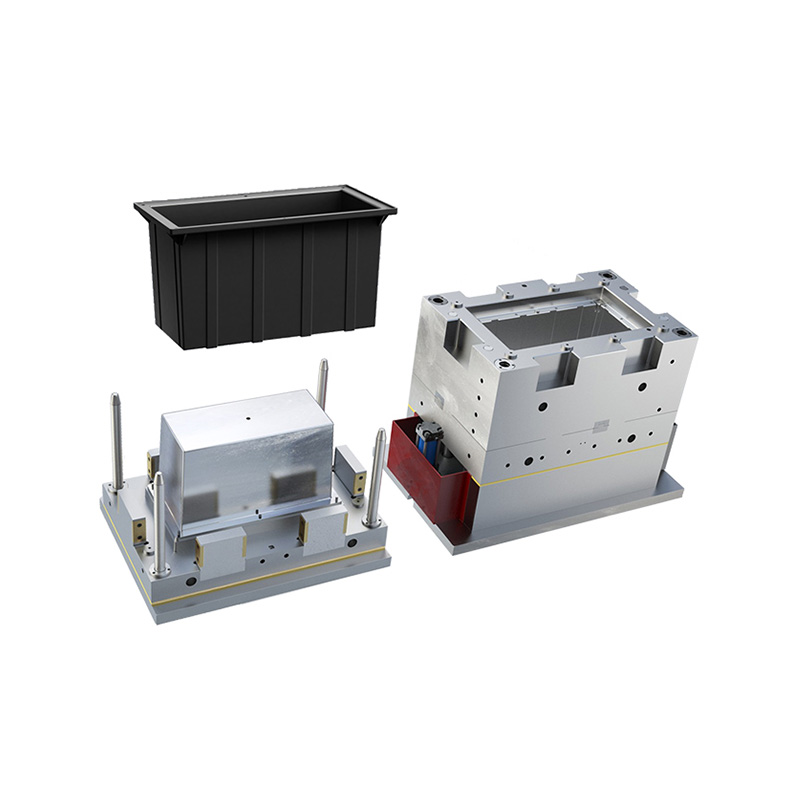
Compression molding offers numerous advantages over other manufacturing processes:
- Precision and Consistency: The compression molding process ensures that each part is produced to a high level of precision, which is crucial in industries requiring tight tolerances.
- Material Efficiency: The process minimizes waste by using exactly the amount of material needed for each part.
- Flexibility in Design: Compression molding can accommodate a wide range of materials and part designs, making it versatile for different applications.
- Cost-Effective Production: For large-scale production runs, compression molding can be highly efficient and cost-effective.
The Role of Compression Mould Manufacturers
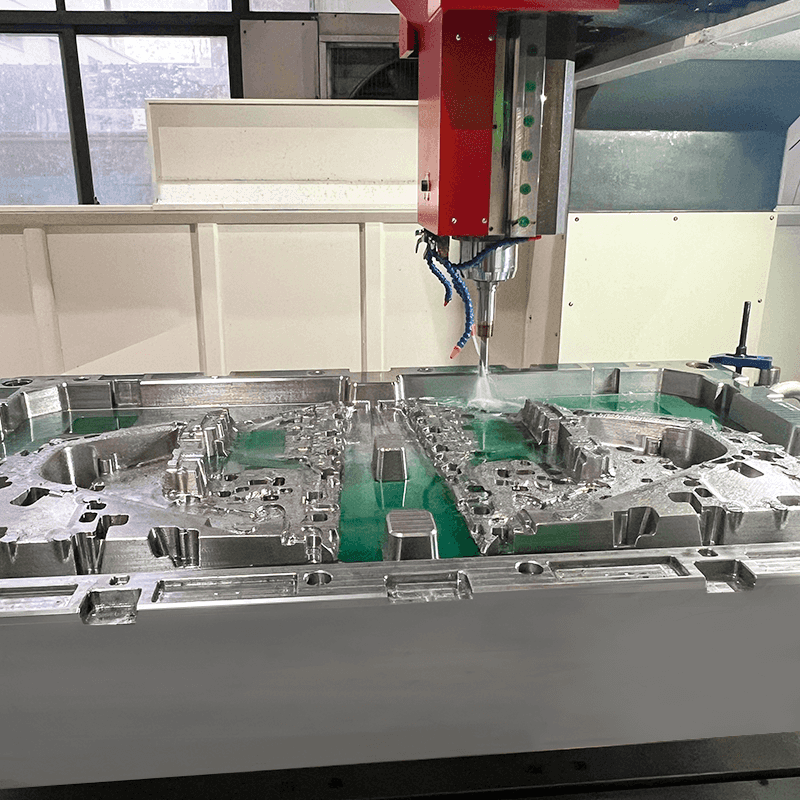
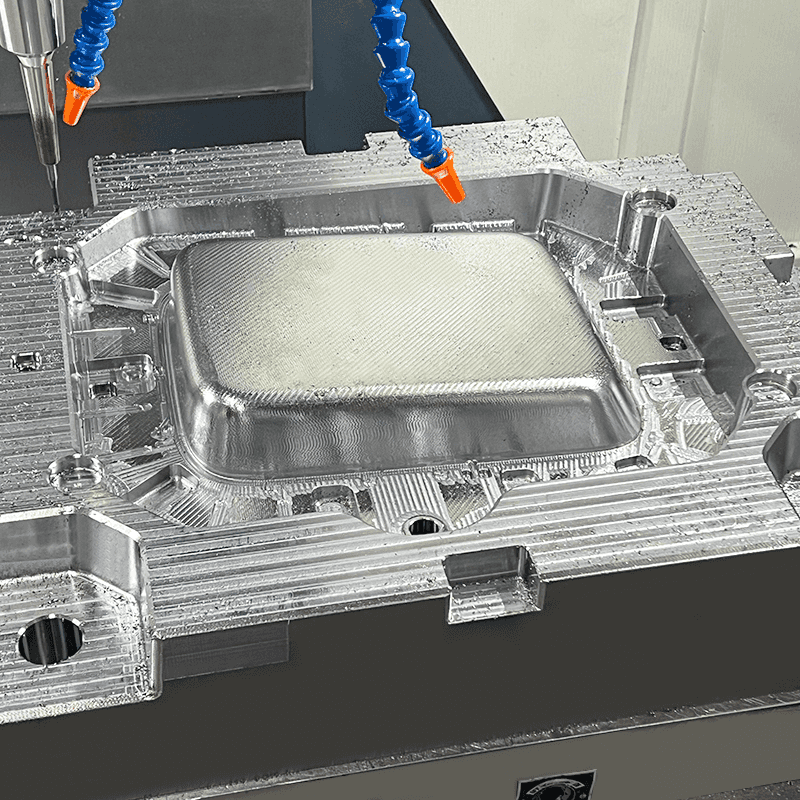
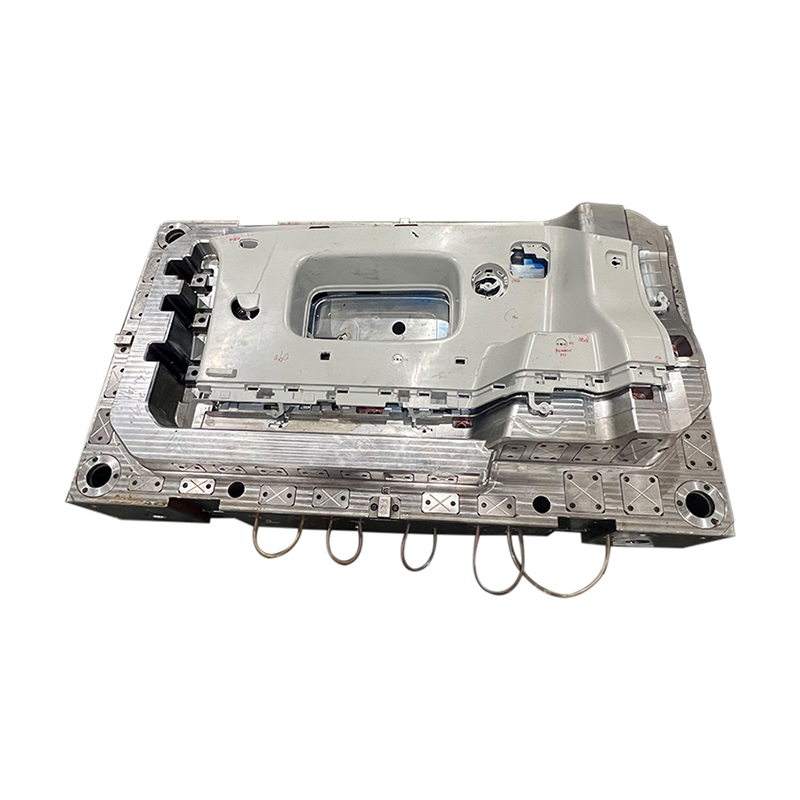
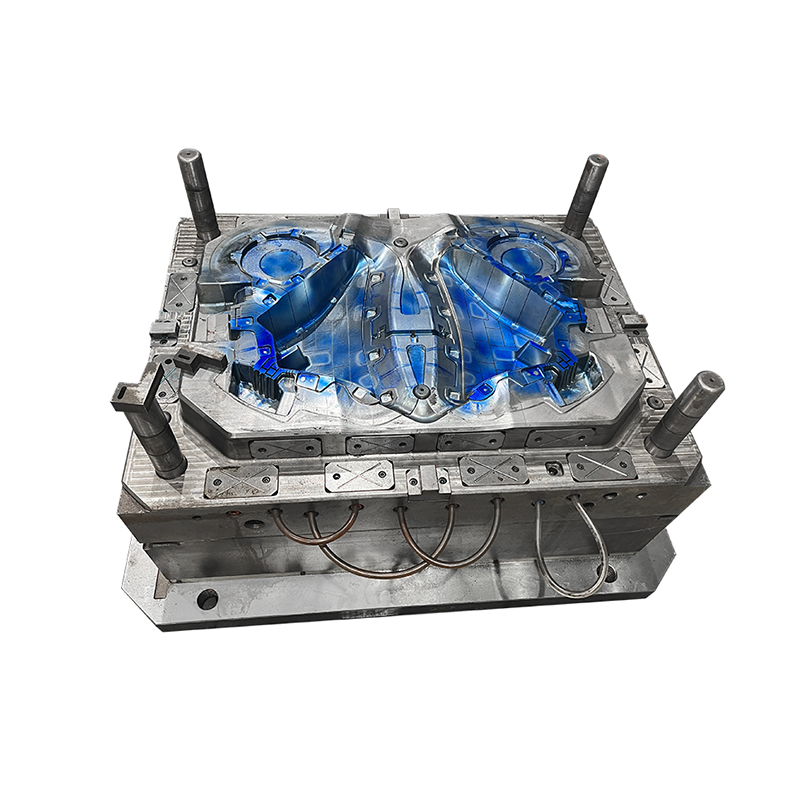
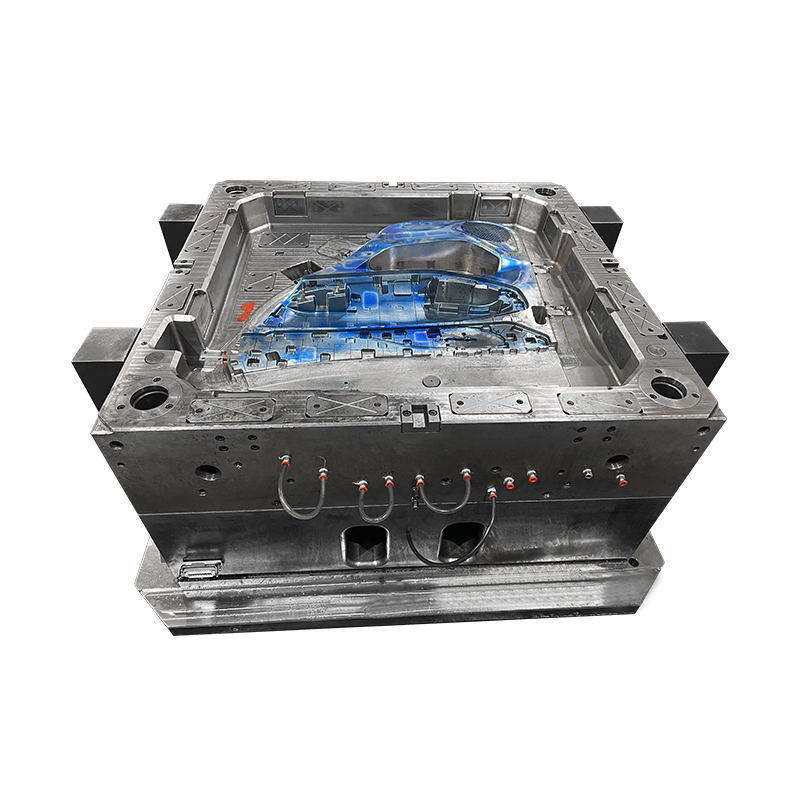
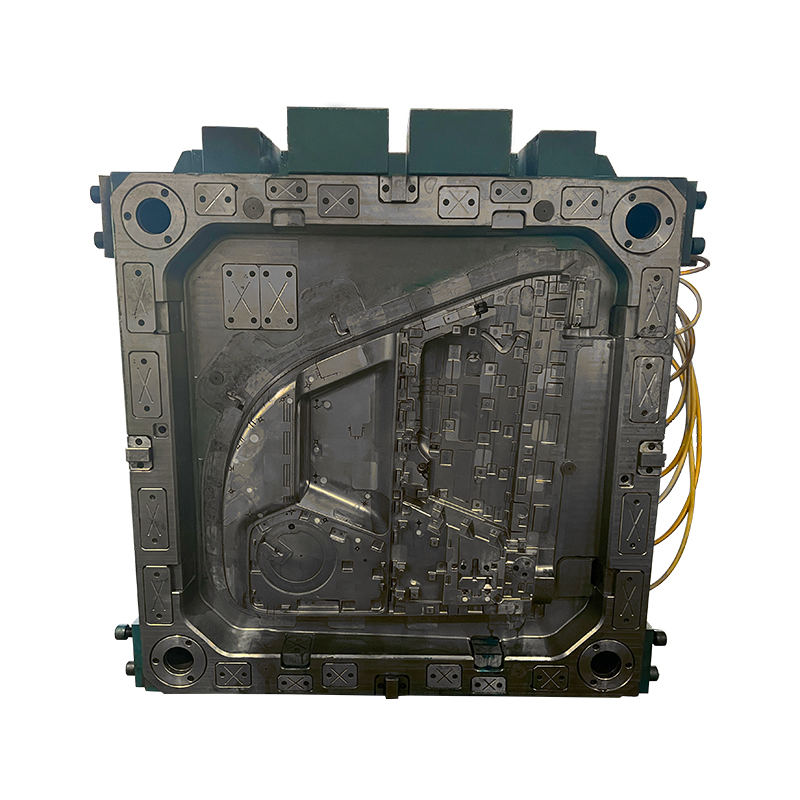
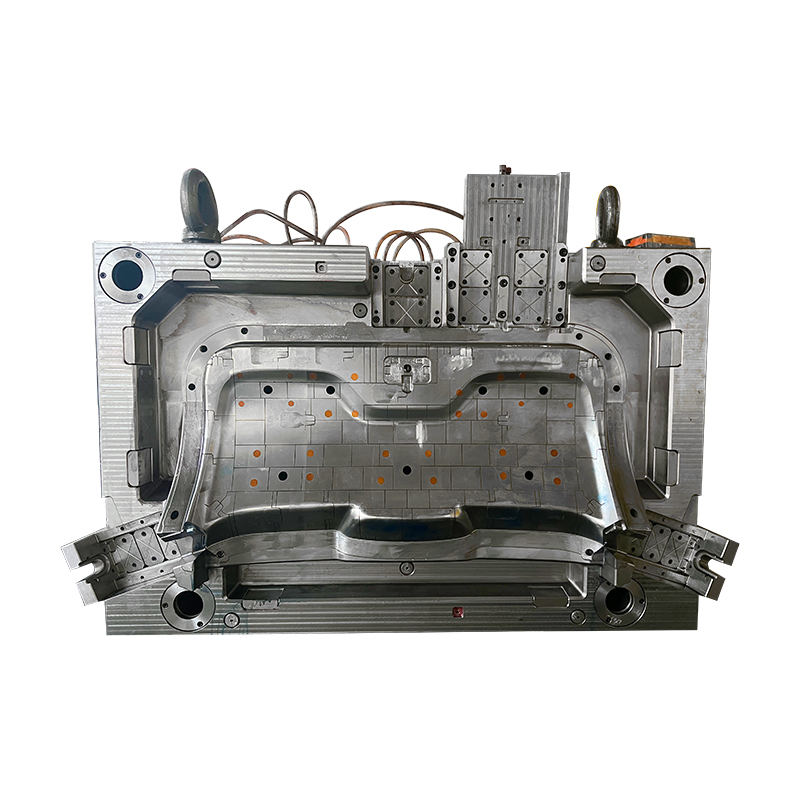
Compression mold manufacturers play a vital role in the overall molding process. Their expertise ensures that the molds are designed, maintained, and operated in a way that maximizes efficiency. They are responsible for creating molds that withstand the intense pressures and high temperatures of the molding process. Furthermore, a reliable compression mould manufacturer will be able to assist with the selection of the right materials and help optimize the entire production cycle.
Maintaining Compression Molds for good Performance
Proper maintenance of compression molds is crucial for consistent production and ensuring the longevity of the molds. Regular cleaning, lubrication, and temperature control can prevent mold wear, reduce defects in molded parts, and extend the mold's useful life. For example, after each production run, molds should be thoroughly cleaned to prevent plastic residue buildup, which can interfere with the molding process. Additionally, regular inspections can identify any potential issues before they become significant problems, minimizing downtime and repair costs.
- Cleaning and Inspection: After every use, molds should be cleaned with the appropriate solvents to remove any plastic residue. Inspecting the mold for any cracks, wear, or deformation can prevent long-term damage.
- Lubrication: Ensuring that moving parts of the mold are properly lubricated reduces friction and wear, which can extend the mold's lifespan.
- Temperature Control: Monitoring the temperature during the molding process is vital. If temperature fluctuations are not controlled, the quality of the molded parts can be affected, causing inconsistencies or defects.
How Technology Is Shaping Compression Molding
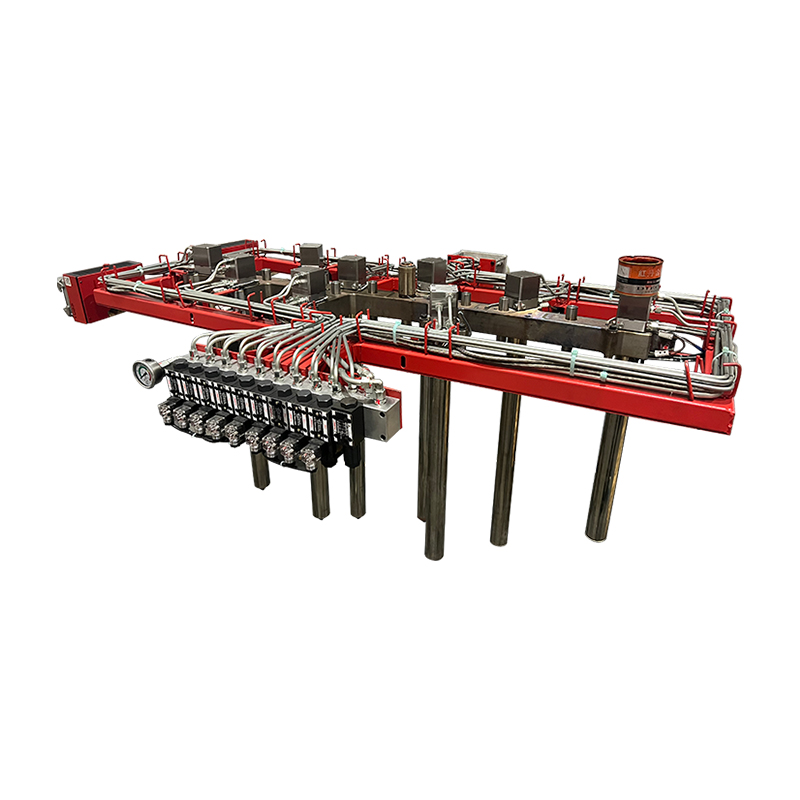
greatments in technology have greatly enhanced the efficiency and precision of compression molding. The integration of automation systems, computer-aided design (CAD), and robotics allows manufacturers to control molding parameters like temperature, pressure, and cycle times more accurately. These innovations not only improve the consistency of molded parts but also reduce human error and speed up production cycles.
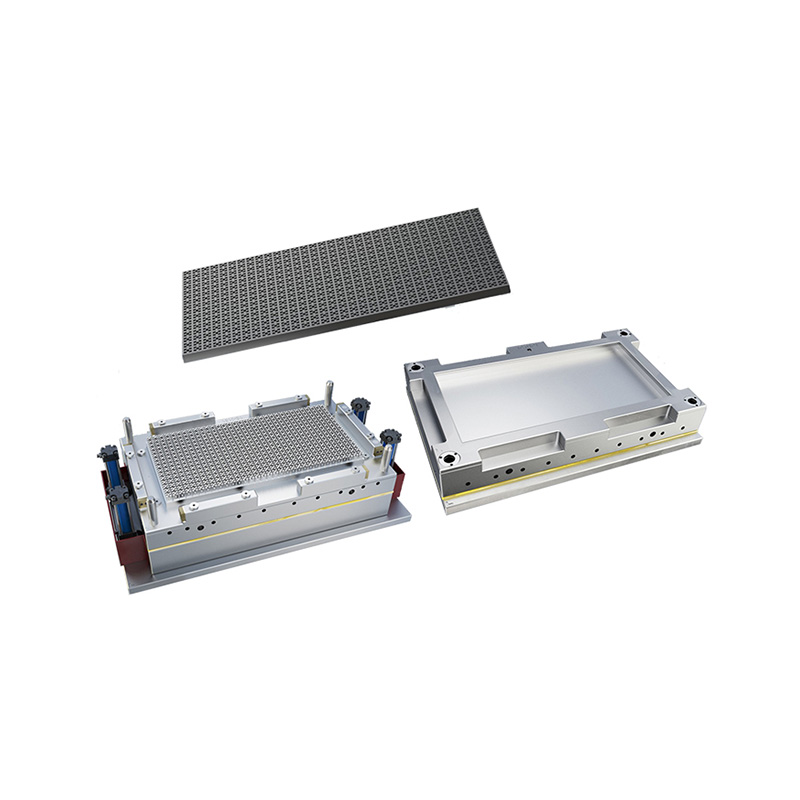
Automated systems now allow for real-time monitoring of the molding process, ensuring that any variations in conditions can be addressed immediately. This level of precision cycles to high-quality parts with fewer defects, making it easier to meet the stringent requirements of industries like aerospace and automotive.
Environmental Benefits of Compression Molding
With growing environmental concerns, many manufacturers are turning to sustainable practices in their production processes. Compression molding aligns well with eco-friendly goals, as it allows for the use of recycled plastics. In addition, the process minimizes material waste by utilizing only the necessary amount of raw material for each part. This makes compression molding a more sustainable option compared to other methods like injection molding, which often produces more waste.
Compression molding has become an indispensable technique for manufacturing industries that require high-quality, durable plastic components. By understanding its benefits, proper maintenance practices, and the role of compression mould manufacturers, companies can optimize their production processes and achieve better results. As technology continues to evolve, compression molding will likely become even more efficient, precise, and sustainable, making it a critical component of modern manufacturing.