ENG
ENG  English
 Español
 Português
 عربى
عربى 中文简体
中文简体BMC mould selection often becomes a key discussion point once composite parts move from concept sketches into real production planning. Bulk Moulding Compound is widely used for electrical housings, automotive components, and industrial parts where dimensional stability, repeatable output, and controlled tolerances are part of daily manufacturing expectations. Behind every moulded component, the BMC mould plays a direct role in cycle rhythm, surface appearance, material distribution, and long-term production scheduling, not just in the early sampling stage but throughout mass production.
For buyers working with BMC Mould Manufacturers, questions usually focus on consistency between cavities, tooling durability under continuous operation, and whether the mould design truly matches the real production environment, rather than existing only as a drawing or simulation. From a factory writing standpoint, these concerns surface repeatedly during quotation, trial runs, and later production feedback.
1. How mould structure influences daily production
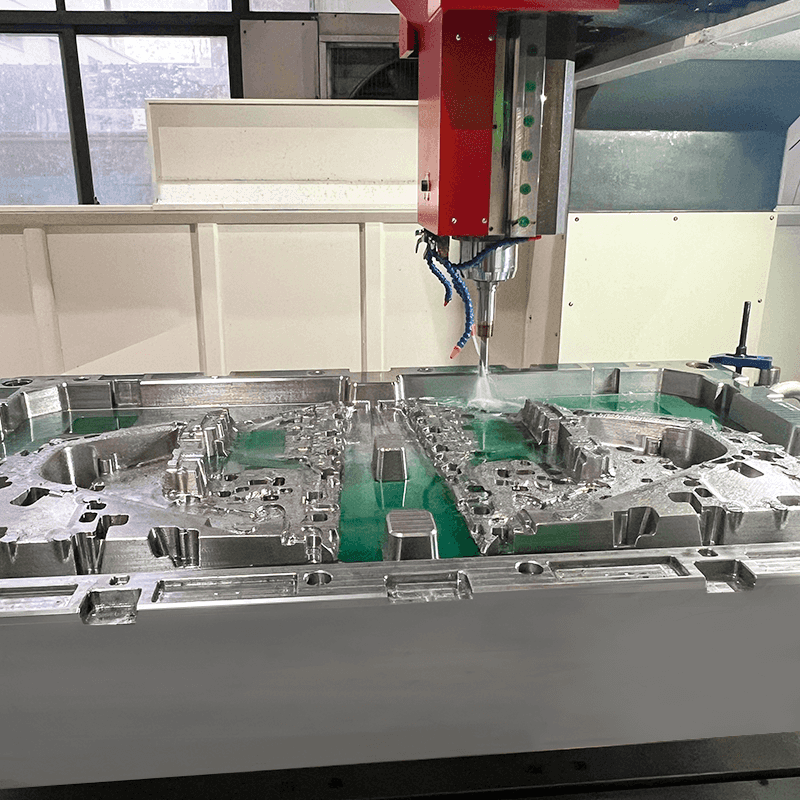
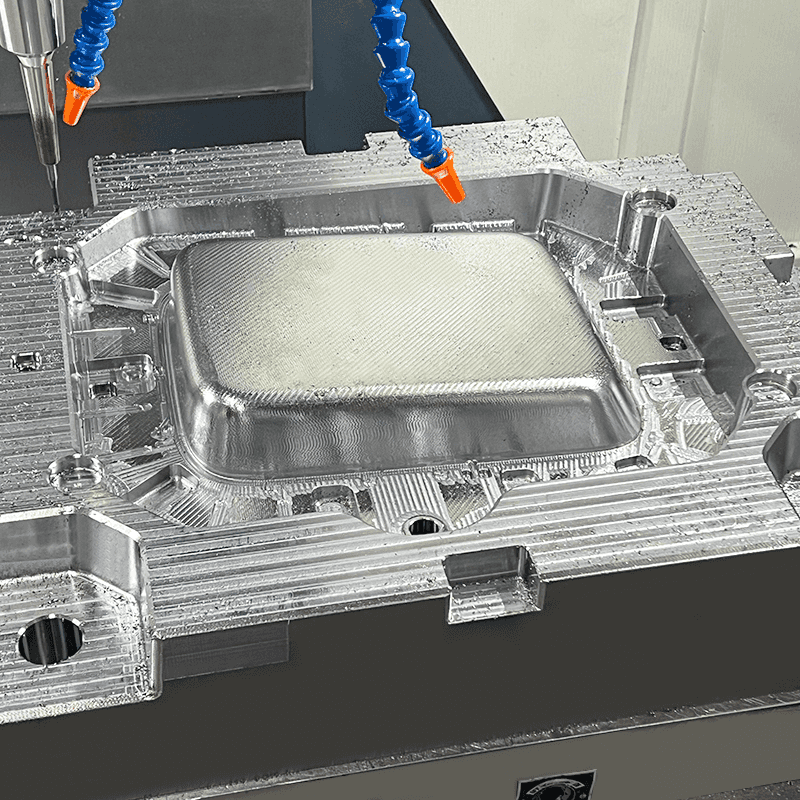
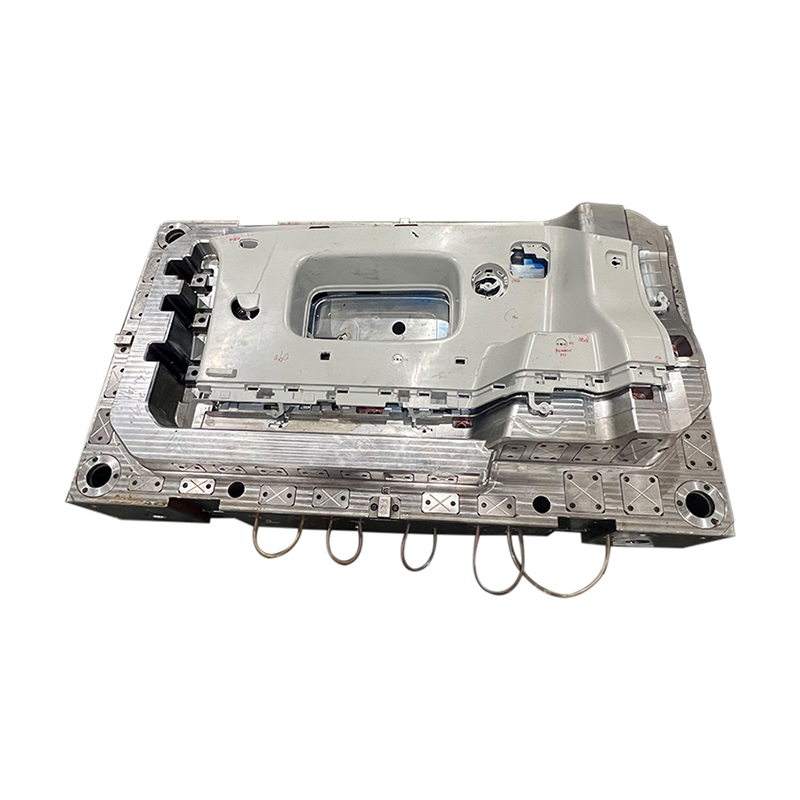
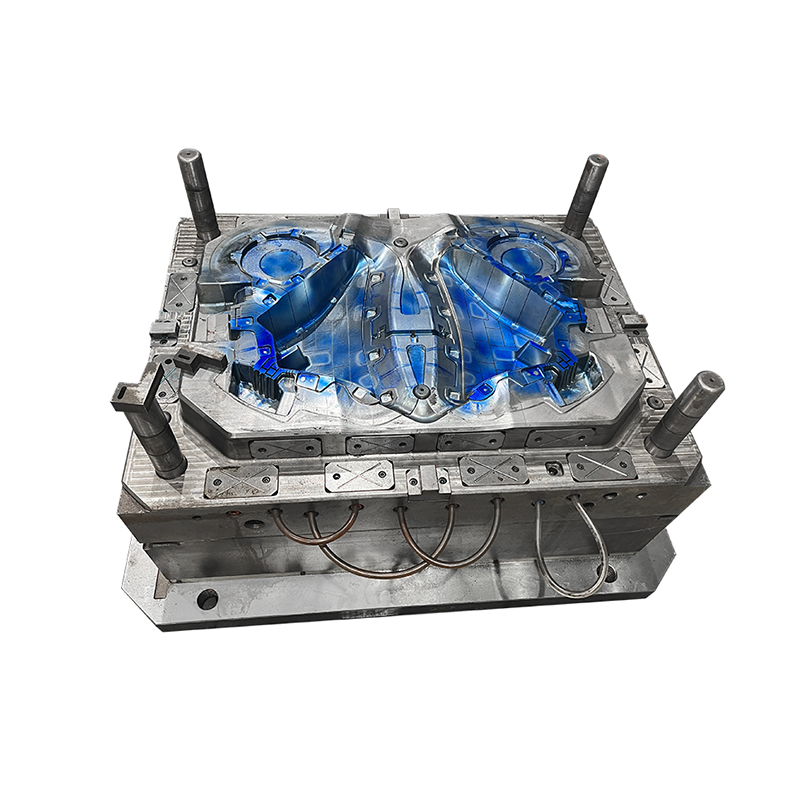
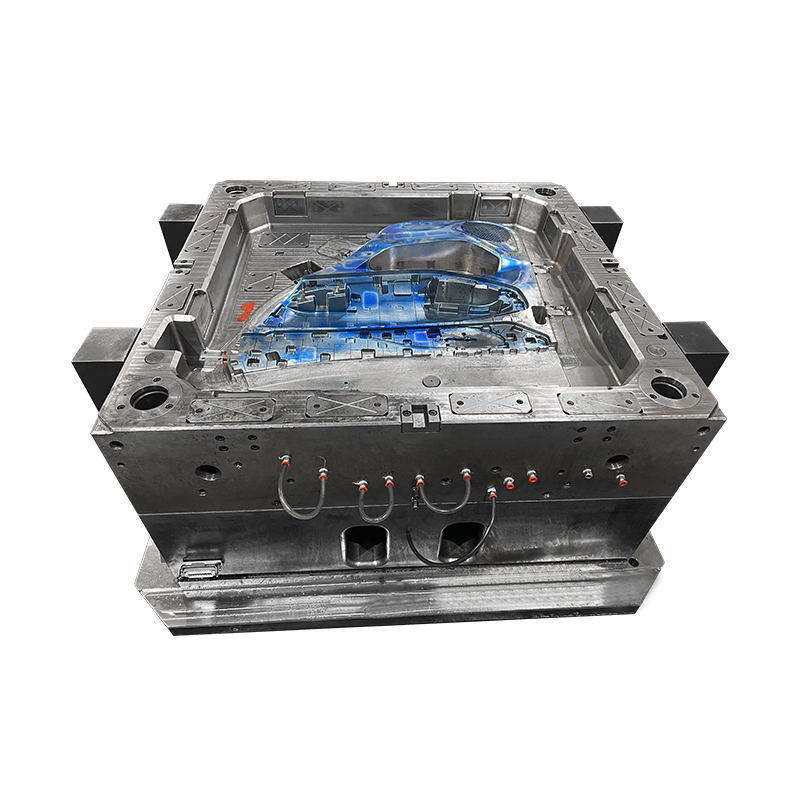
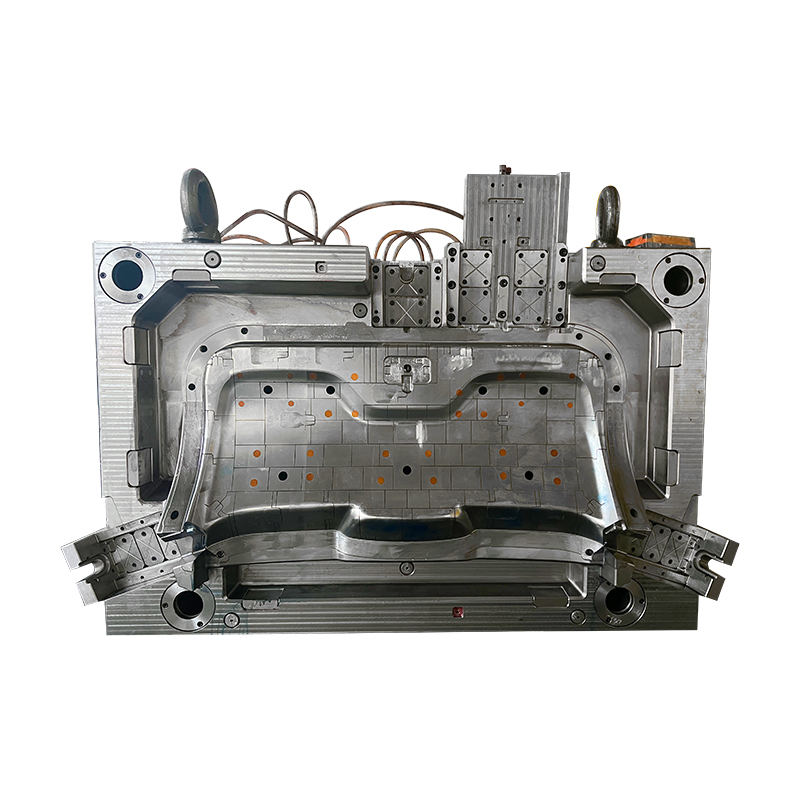
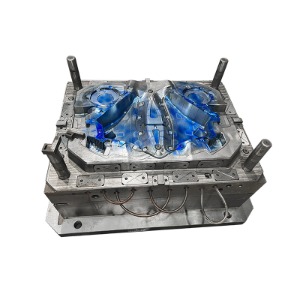
A BMC Mould is built specifically to handle composite material with short fibres, resin systems, and high filler content. This directly affects mould cavity layout, venting paths, runner balance, and heating distribution. These elements are functional decisions, not cosmetic design choices. Poor venting may trap air inside the cavity, while uneven heating can disturb resin flow during compression or injection, causing appearance variation or dimensional deviation.
Factories often design BMC moulds with practical part removal and operator workflow in mind. Draft angles, ejector pin layout, and parting line placement are adjusted based on real shop-floor feedback, not only CAD data or theoretical assumptions. This experience-based adjustment helps maintain stable output across long production runs and reduces the need for frequent on-site mould corrections.
2. Why material behaviour matters in mould design
BMC material behaves differently from SMC sheets during moulding. Supplied in bulk form, the compound must spread evenly inside the mould cavity under pressure while maintaining fibre distribution. A BMC Mould that does not account for this flow behaviour may show fibre crowding at corners, resin-rich zones, or uneven wall thickness in finished parts.
Experienced BMC Mould Manufacturers usually conduct material flow observation during trial runs and adjust runner systems, gate locations, and cavity transitions accordingly. These adjustments are part of matching the mould design to the compound characteristics, rather than forcing the material to adapt to an unsuitable mould structure.
3. Balancing tooling cost and service life
Another common buyer concern is how long a BMC Mould can remain productive before maintenance becomes frequent or disruptive. Tool steel selection, heat treatment methods, surface finish, and cavity protection all influence wear patterns over time. In electrical and industrial applications where moulds often run high volumes, maintenance intervals directly affect production planning and capacity stability.
Factories typically discuss expected shot counts early in the project. This helps buyers understand how tooling decisions connect with long-term output planning, instead of focusing only on initial mould pricing. A clear understanding at this stage supports realistic expectations on maintenance cycles and tooling support.
4. Communication with manufacturers during development
Working with BMC Mould Manufacturers involves more than sending part drawings and waiting for a finished tool. Clear communication around part function, assembly conditions, tolerance priorities, and downstream operations helps shape the mould structure from the beginning. This dialogue often prevents redesigns later in the project.
Some projects also involve a comparison between BMC and SMC solutions. While SMC moulds are designed for sheet materials under compression, BMC moulds are adapted for bulk material flow and can support more intricate details in compact parts. Understanding this difference helps buyers avoid mismatched tooling concepts and unnecessary revisions.
A well-developed BMC Mould supports steady production rhythms, predictable maintenance planning, and consistent part quality over time. From a factory viewpoint, successful mould projects usually result from early technical dialogue, realistic production assumptions, and gradual validation rather than rushing directly into tool fabrication.