ENG
ENG  English
 Español
 Português
 عربى
عربى 中文简体
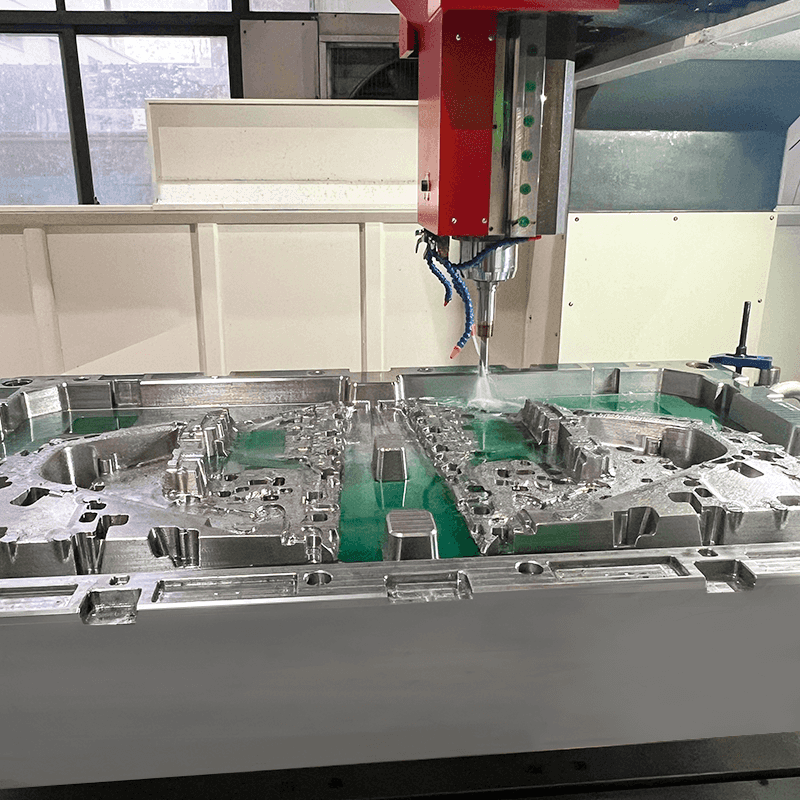
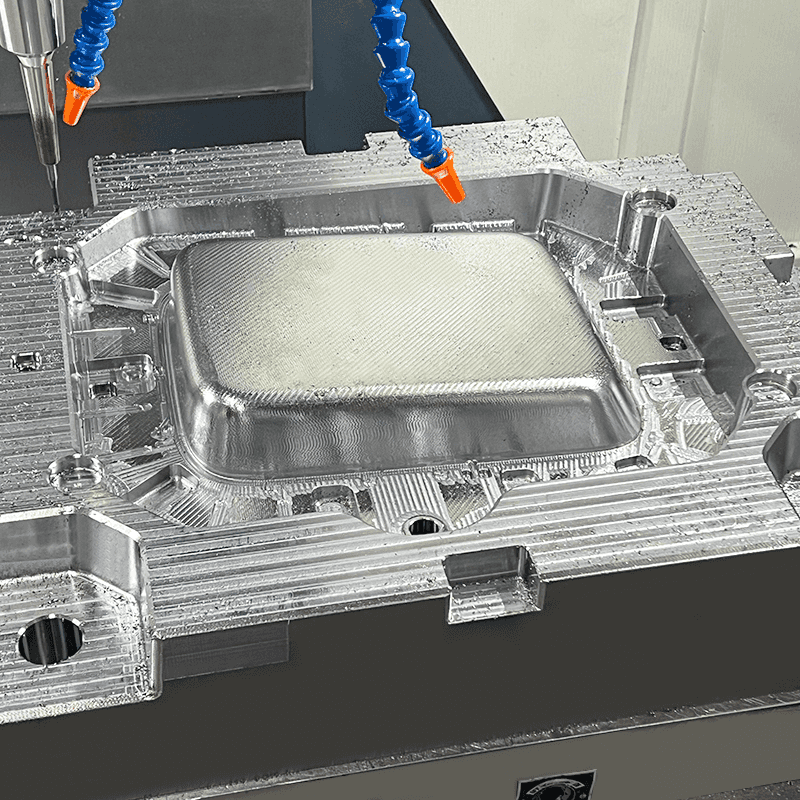
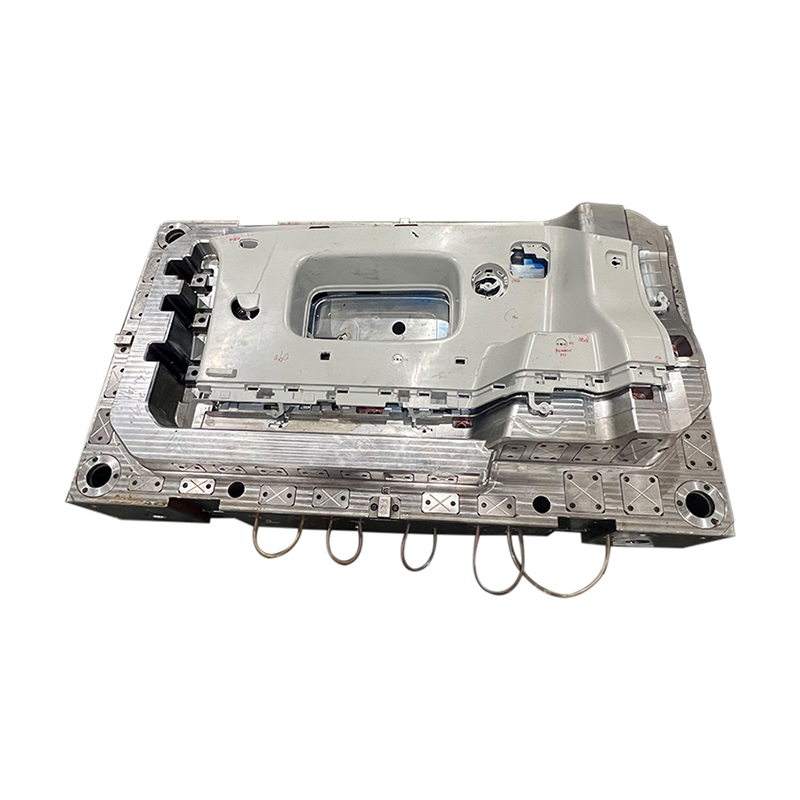
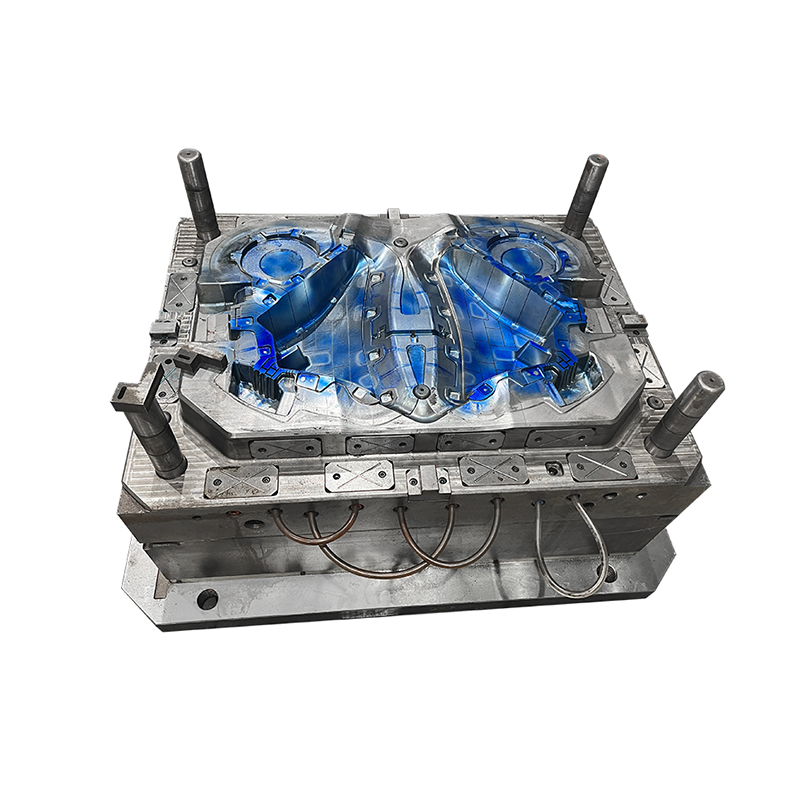
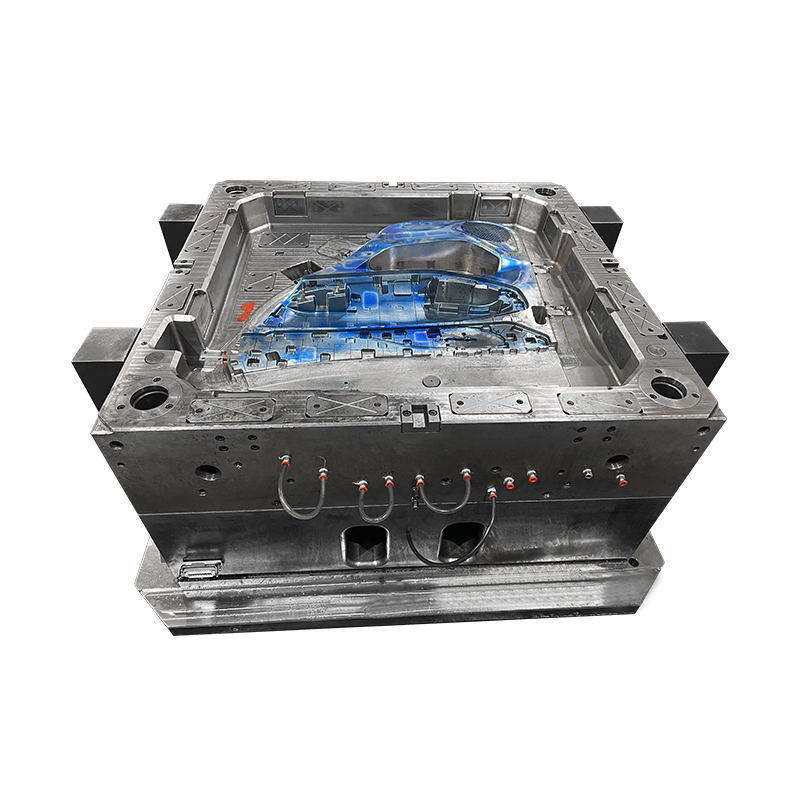
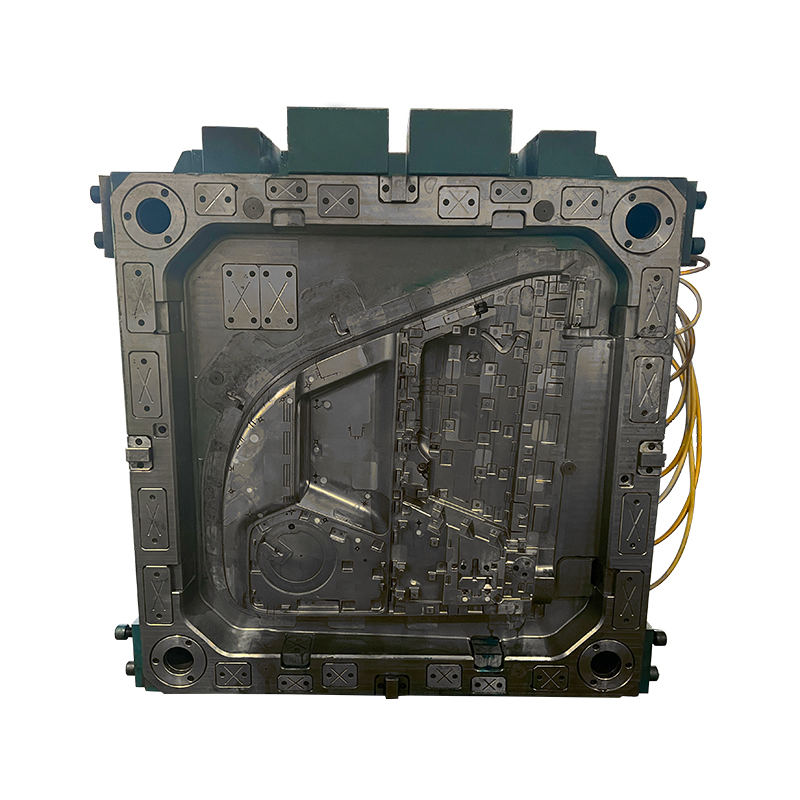
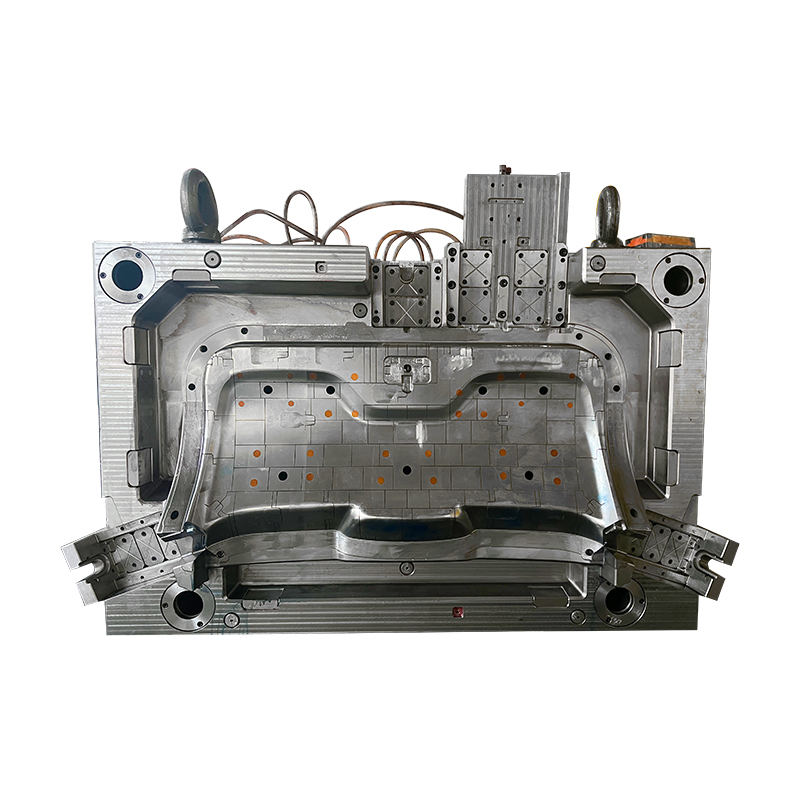
中文简体Chair Mold plays a direct role in how plastic chairs are formed, assembled, and used in everyday environments. From a factory perspective, the mold is not just a shaping tool but a system that defines structure, surface quality, and production rhythm. Injection molding allows molten plastic to fill the cavity and cool into a stable form, and the mold guides every step of that process.
A well-planned Chair Mold supports uniform wall thickness and balanced material flow. This helps chairs maintain shape during cooling and repeated use. In production lines where output consistency matters, stable mold design reduces variation between batches and simplifies downstream handling.
Material choice for the mold itself also affects performance. Steel and aluminum are commonly used due to their ability to handle repeated heating and pressure cycles. The selection depends on expected production volume and chair size rather than appearance alone.
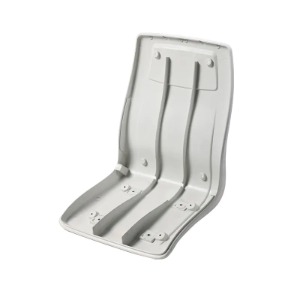
How Chair Mold Design Supports Structure and Comfort
The chair structure is closely linked to the mold cavity layout. Features such as backrest curves, seat depth, and leg connections are formed directly inside the Chair Mold. These details influence not only appearance but also how the chair distributes load during use.
Injection molding allows complex shapes to be formed in one cycle. Armrests, ribbing, and ergonomic contours can be integrated without secondary assembly. This reduces part count and simplifies production planning. For stackable chairs, mold design also considers draft angles and release paths to support smooth demolding.
Surface texture is another design focus. Mold polishing or texturing transfers directly onto the chair surface. This affects grip, visual style, and how the chair fits different environments such as offices, patios, or public spaces.
Chair Mold and Material Flow Control
Material flow inside the Chair Mold determines how evenly the plastic fills the cavity. Gate placement, runner layout, and venting paths are planned to avoid uneven filling or trapped air. These elements are adjusted based on chair size and geometry rather than a fixed template.
Cooling channels built into the mold help manage solidification timing. Balanced cooling supports consistent dimensions and reduces deformation during ejection. In high-output environments, stable cooling also helps maintain a predictable cycle rhythm.
Compared with smaller plastic parts, chair molds require careful planning due to their size and surface area. Even a minor flow imbalance can show up as visible marks or dimensional variation across the seat or backrest.
How Chair Mold Manufacturers Support Production Continuity
Chair Mold Manufacturers are involved not only during tooling fabrication but also during early production stages. Trial runs help confirm how the plastic behaves under real conditions. Adjustments may be made to gate size, venting, or cooling balance to match actual performance.
Process documentation becomes important over time. Recording parameters such as injection pressure and cooling time supports consistent output across shifts or machines. This information also helps when the same mold is used in different facilities.
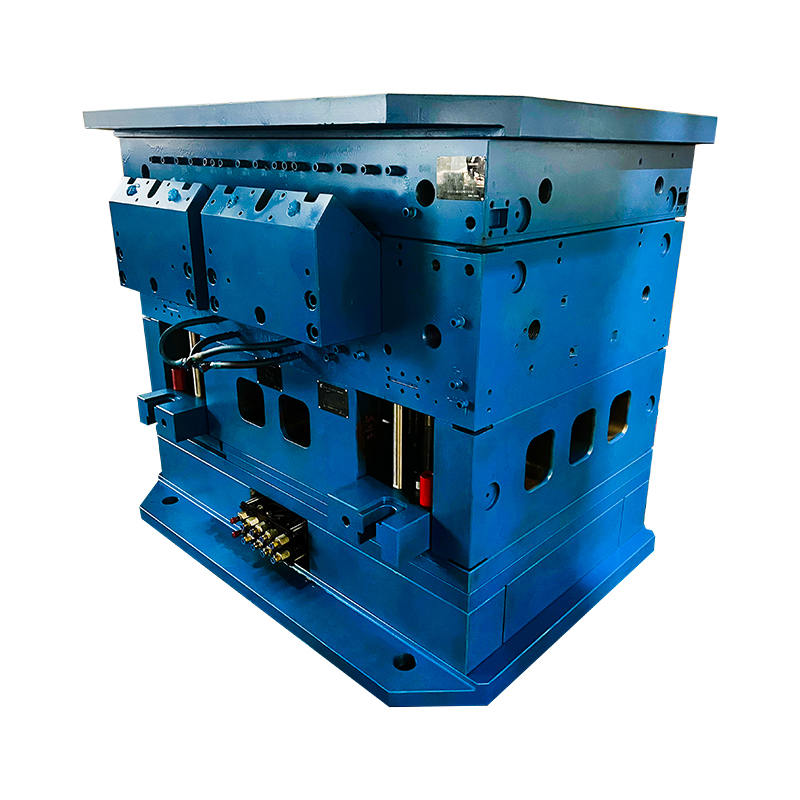
Manufacturers with in-house design and machining teams can respond faster when updates are needed. Changes in chair style or structural reinforcement often require mold modifications rather than full replacement. Coordinated support helps manage these updates without disrupting production schedules.
Long-Term Value of Chair Mold in Furniture Manufacturing
A Chair Mold is typically designed for repeated use across long production periods. With proper maintenance, cavity surfaces and alignment features remain stable, supporting predictable output. This reliability is important for seating products used in public or commercial spaces.
Outdoor chairs place additional demands on mold design. Features that support uniform thickness help the finished chair resist temperature variation and moisture exposure. Mold design influences how additives and pigments distribute during injection, which affects surface consistency over time.
Chair Mold Manufacturers focus on durability and repeatability rather than short-term output gains. This approach supports furniture production that scales with demand while keeping product structure consistent. In plastic seating manufacturing, a well-designed Chair Mold remains a central part of stable and efficient production planning.