ENG
ENG  English
 Español
 Português
 عربى
عربى 中文简体
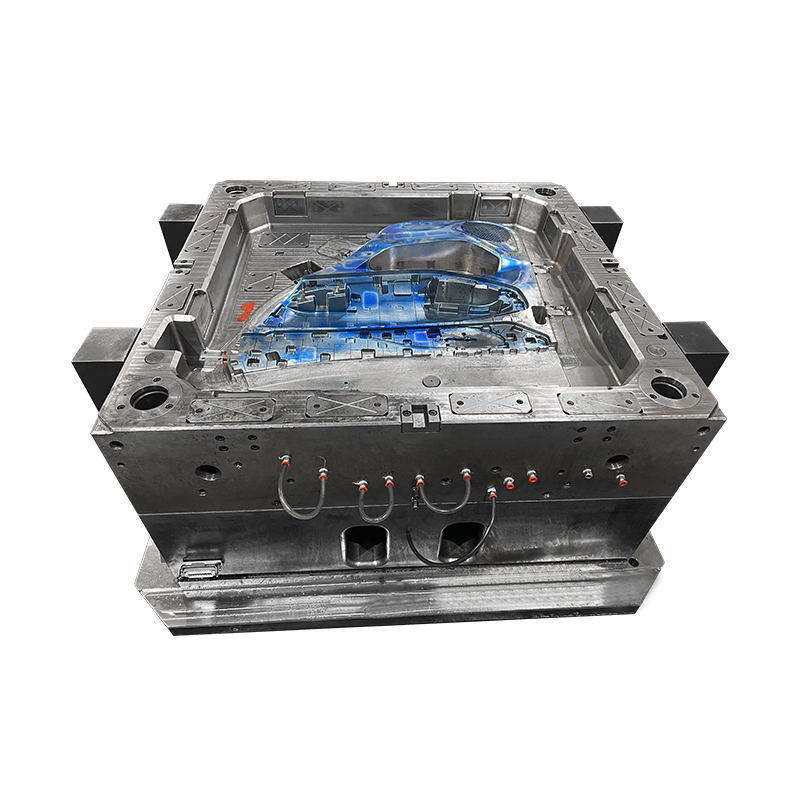
中文简体BMC Mould is widely used in composite manufacturing where part accuracy, structural consistency, and detailed geometry are required. Bulk Molding Compound is supplied as a ready-to-use mixture of resin, short fibers, and fillers. This material form allows it to flow smoothly under pressure, making it suitable for both compression and injection processes.
From a process standpoint, BMC Mould supports stable cavity filling even when parts include thin walls, ribs, or integrated mounting features. This characteristic makes it common in electrical housings, appliance components, and automotive under-the-hood parts. The molding cycle relies on controlled heat and pressure rather than material layering, which simplifies handling during production.
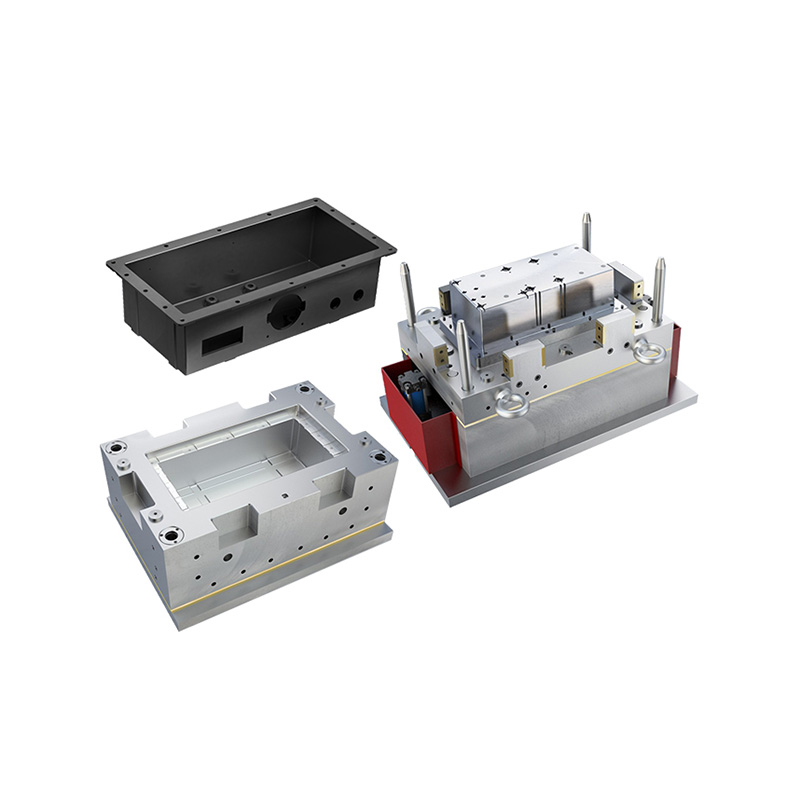
In daily manufacturing operations, this type of mold helps balance productivity and dimensional control. The ability to form multiple features in a single cycle reduces the need for assembly steps later in the process.
How BMC Mould Design Handles Material Flow and Detail
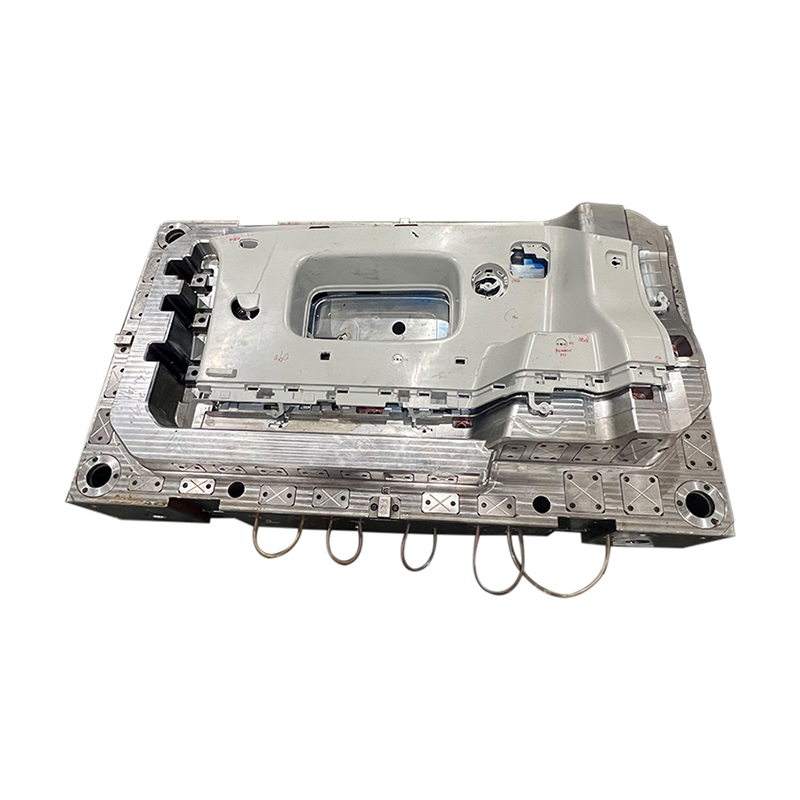
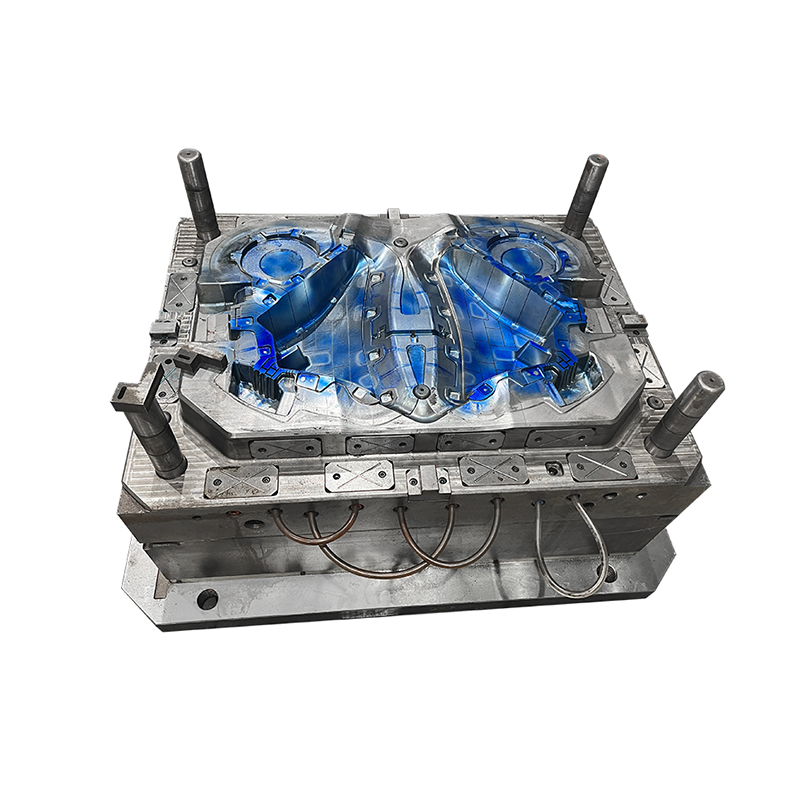
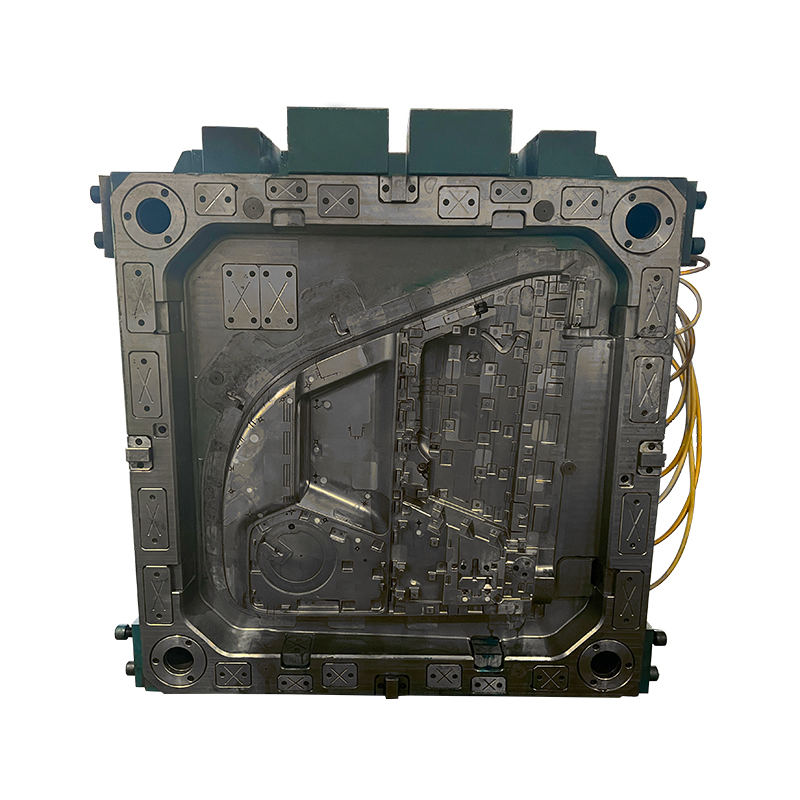
Material flow behavior is central to BMC Mould design. Since BMC material is placed or injected into the cavity as a bulk compound, the mold must guide it evenly across all sections. Features such as venting paths, gate placement, and cavity balance are carefully planned to avoid uneven filling.
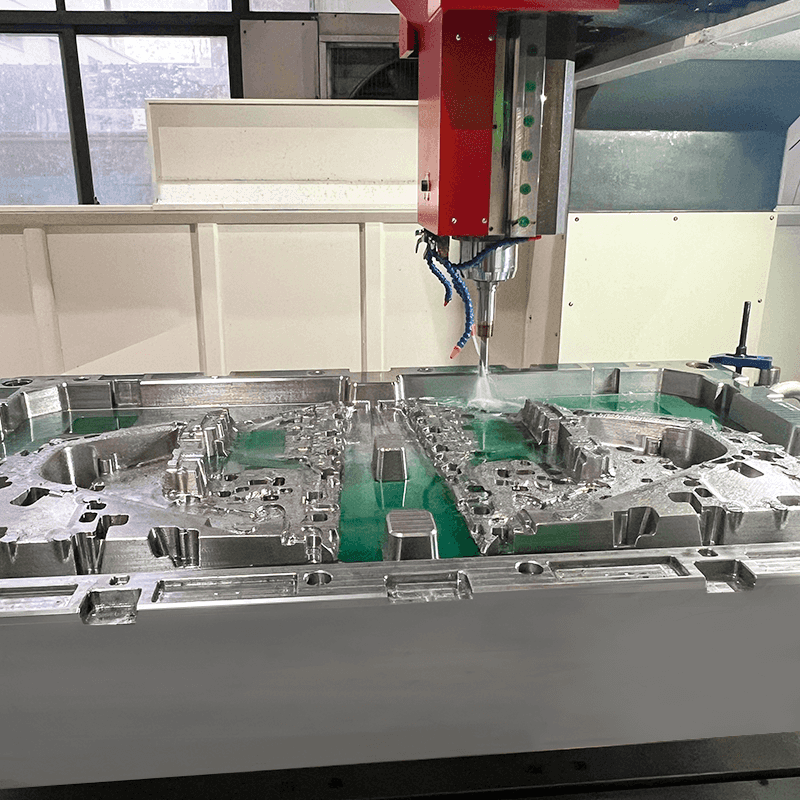
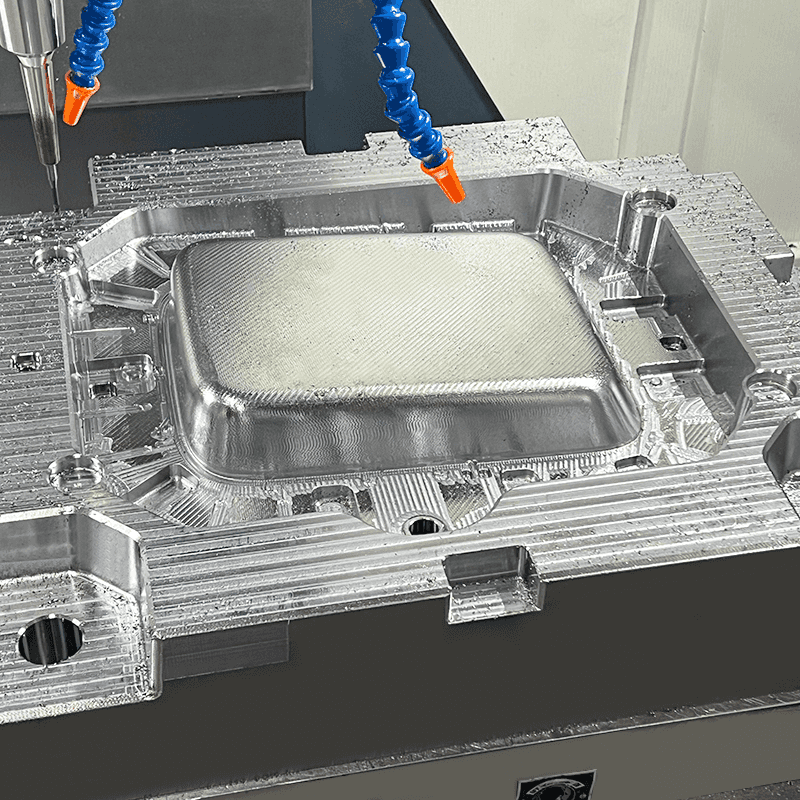
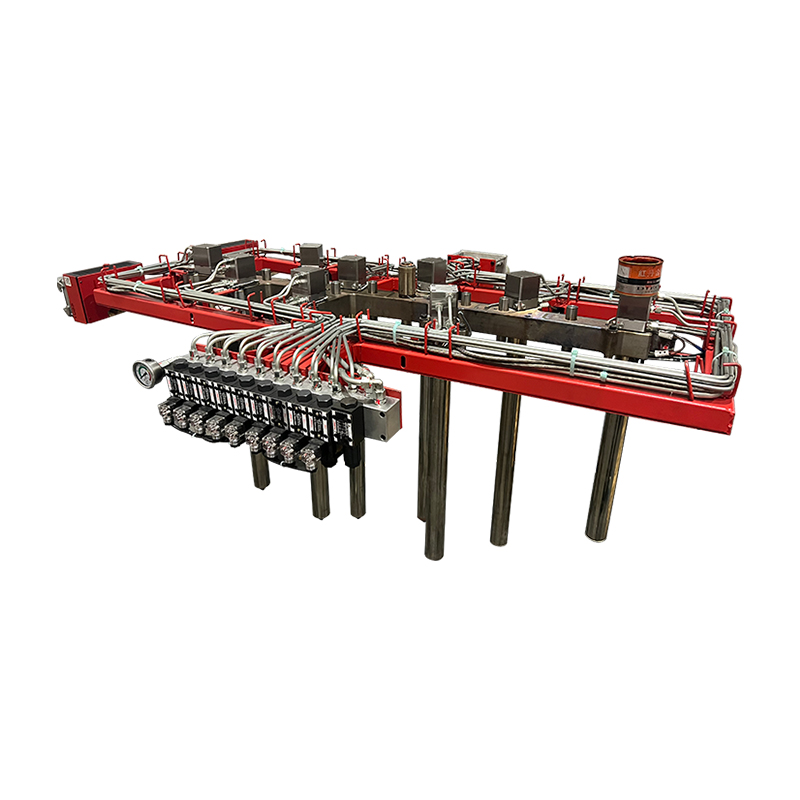
Tooling materials like hardened steel are often selected to handle repeated thermal cycles and pressure loads. Heating systems built into the mold help maintain a stable curing environment, allowing the resin to solidify consistently throughout the part.
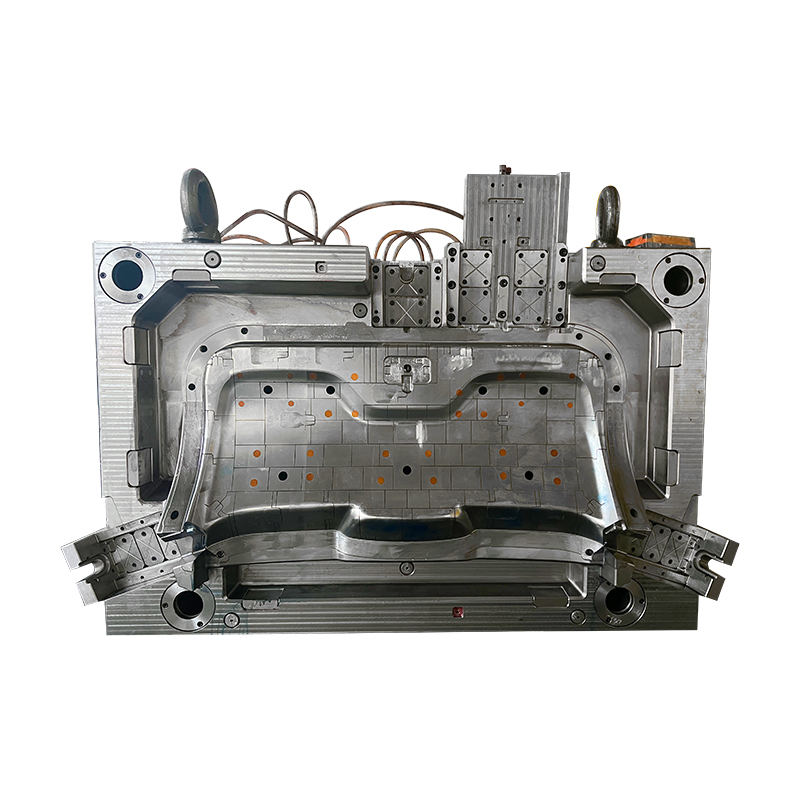
Compared with sheet-based composite molds, BMC Mould designs often focus more on internal flow paths than surface layup. This makes them suitable for parts where internal structure and dimensional accuracy matter more than large surface areas.
BMC Mould Compared with SMC Mould in Process Choice
Understanding the difference between BMC and SMC tooling helps clarify why certain projects favor BMC Mould. SMC uses pre-impregnated sheets that are placed into a mold and compressed. BMC, by contrast, is supplied in bulk form and can be molded through compression or injection.
This difference affects mold construction. BMC Mould often includes features that support controlled flow during injection, such as runners and gates. SMC molds tend to focus on sheet placement and surface replication. As a result, BMC tooling is commonly associated with smaller or medium-sized parts that contain detailed features.
In production planning, this distinction influences cycle rhythm and equipment selection. BMC processes can support automated feeding and shorter cycle patterns, which fit applications requiring a steady output of complex components.
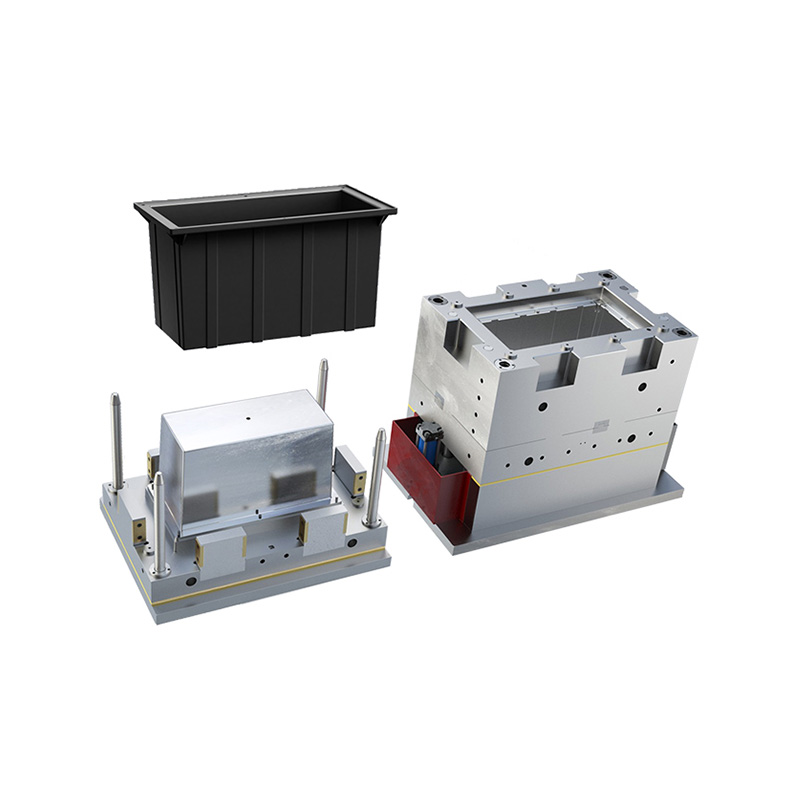
How BMC Mould Manufacturers Support Long-Term Production
BMC Mould Manufacturers contribute not only by producing the tool but also by supporting process tuning during early production stages. Trial runs are used to adjust parameters such as temperature balance, pressure timing, and material charge volume. These adjustments help align real material behavior with design intent.
Manufacturers often document these parameters for reference in later batches. This practice supports consistent output when production schedules change or when molds are transferred between machines. Over time, accumulated process data becomes part of operational knowledge rather than trial-and-error learning.
Design collaboration is another aspect of support. BMC Mould Manufacturers with in-house engineering teams can align CAD models with mold structure and processing limits. This coordination reduces friction between design updates and tooling adjustments.
Practical Value of BMC Mould in Industrial Applications
In industrial environments, BMC Mould is valued for its ability to combine structural performance with detailed geometry. Electrical enclosures benefit from stable dimensions and integrated features, while automotive components rely on consistent fit across assemblies.
BMC Mould Manufacturers focus on maintaining tooling stability over repeated cycles. Proper maintenance and surface treatment help preserve cavity detail and part consistency across production runs. This approach supports predictable planning rather than frequent corrective actions.