ENG
ENG  English
 Español
 Português
 عربى
عربى 中文简体
中文简体What Should You Know Before Ordering a BMC Mould?
Composite components are widely used in automotive parts, electrical enclosures, and industrial structures. Behind every stable composite product is a carefully engineered BMC Mould. For factories and project engineers, the real challenge is not just producing a part, but achieving dimensional stability, consistent surface quality, and reliable cycle times.
Understanding the Role of BMC Mould in Composite Production
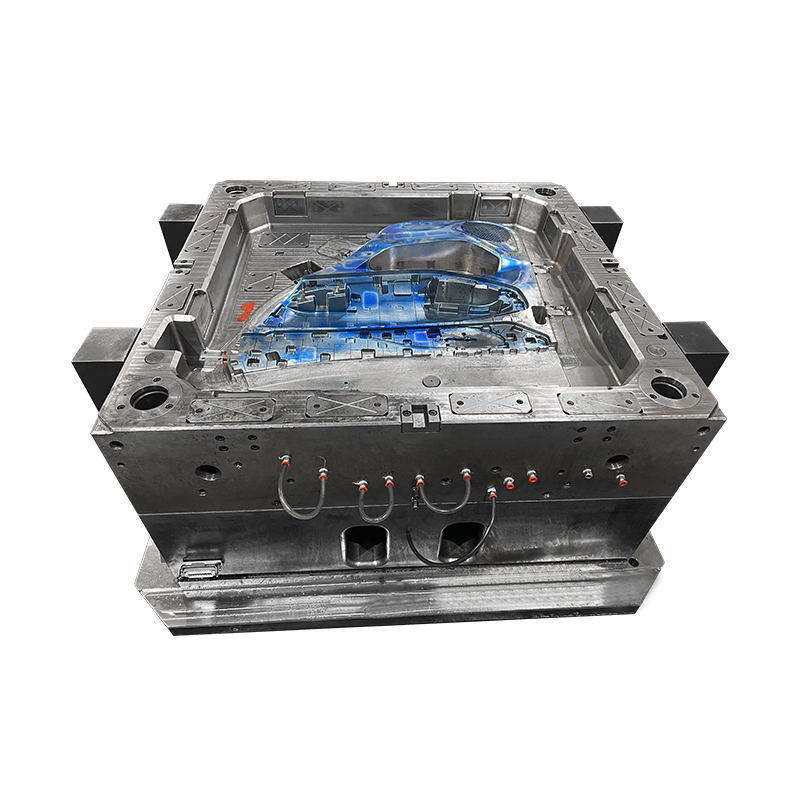
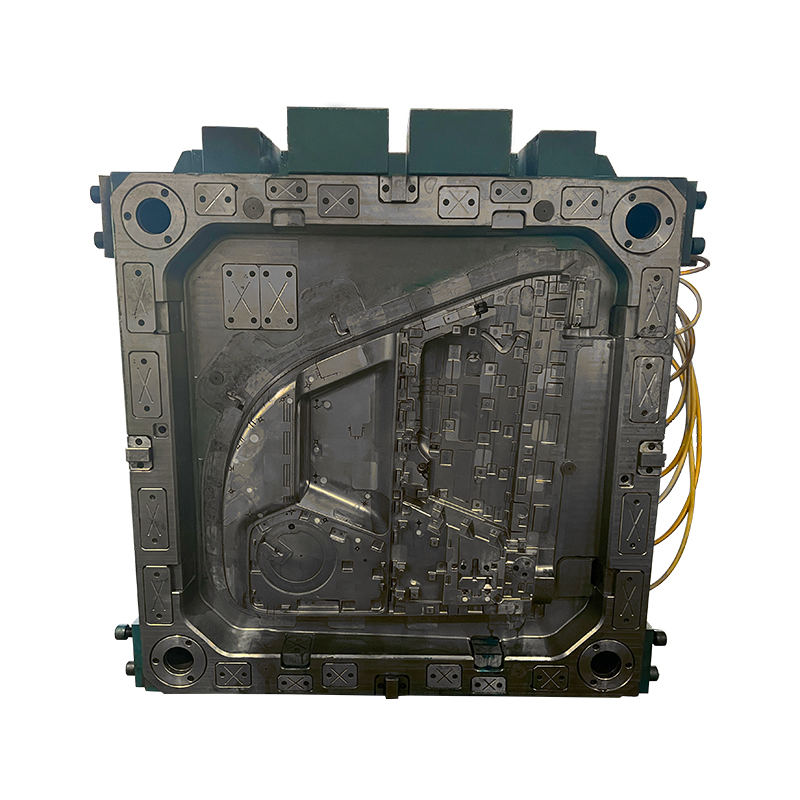
BMC (Bulk Molding Compound) is a thermosetting composite material made of resin, glass fibers, and fillers. During molding, the material is placed into the cavity of a BMC Mould, where heat and pressure are applied. The compound flows, fills the cavity, and cures into the required shape.
The mold must handle:
- High molding temperatures
- Significant compression pressure
- Repeated thermal cycles
- Material flow control
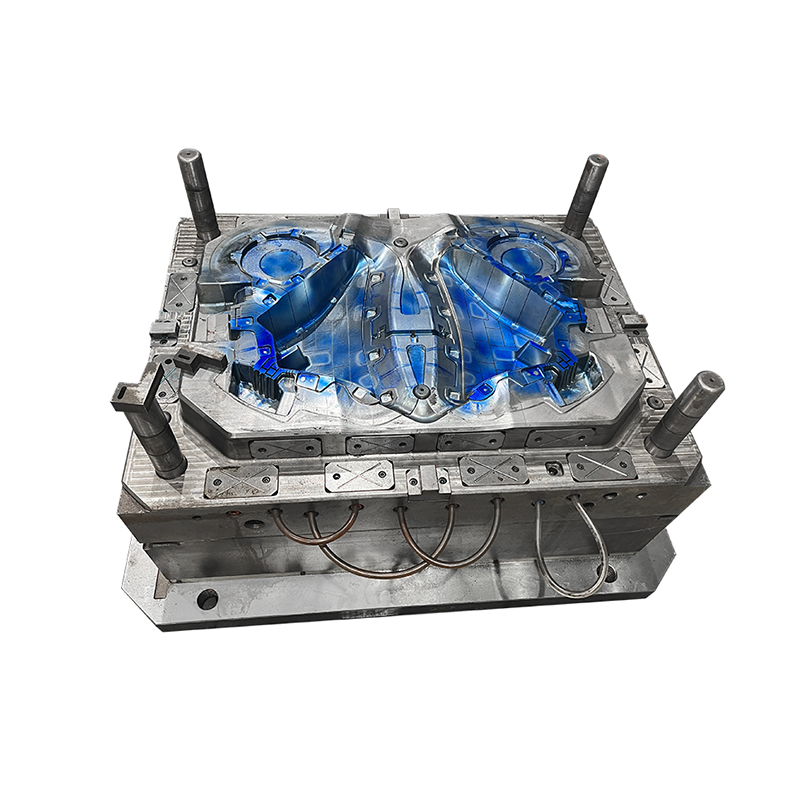
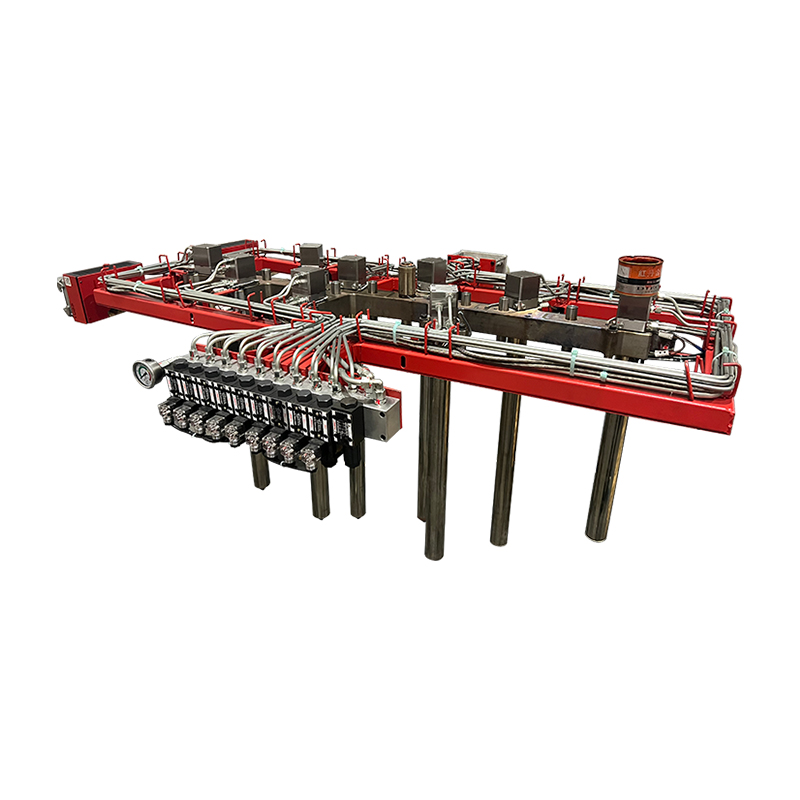
A poorly designed tool can cause incomplete filling, surface defects, or unstable dimensions. That is why mold structure, venting layout, and heating system design require practical manufacturing experience.
Difference Between BMC Mould and SMC Mould
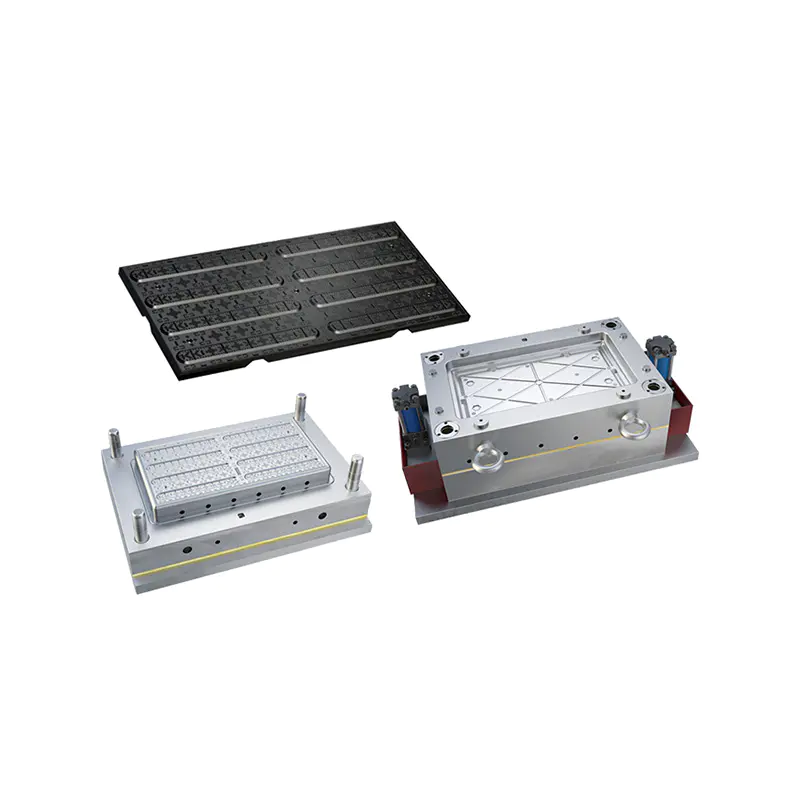
- Although similar in process, BMC and SMC molds serve slightly different materials.
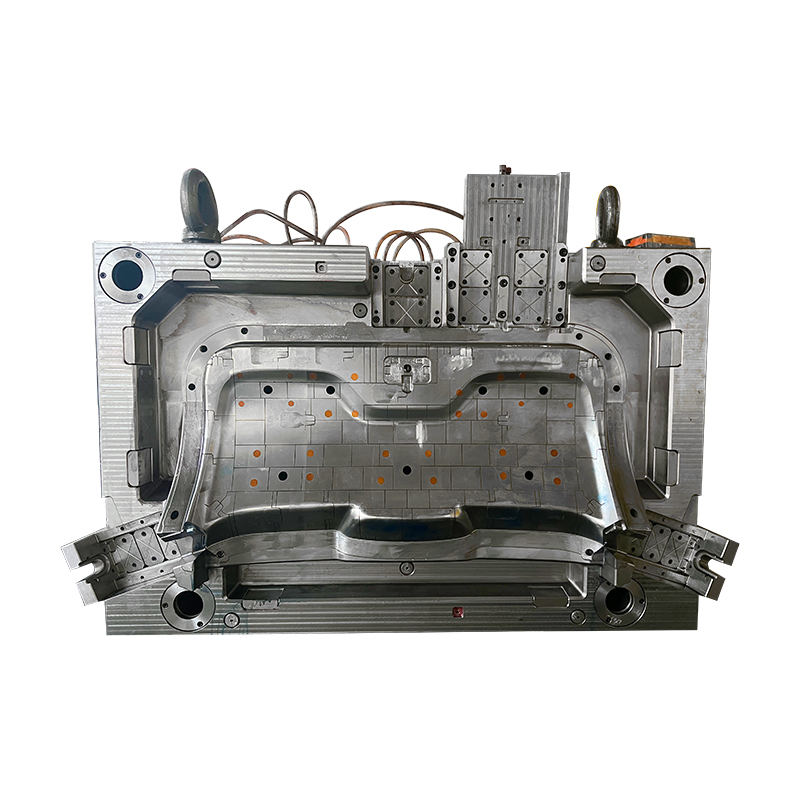
SMC (Sheet Molding Compound) uses a sheet-form composite material placed into the cavity before compression. The SMC mould is designed to handle larger sheet charges and often produces broader, thinner components such as automotive panels.
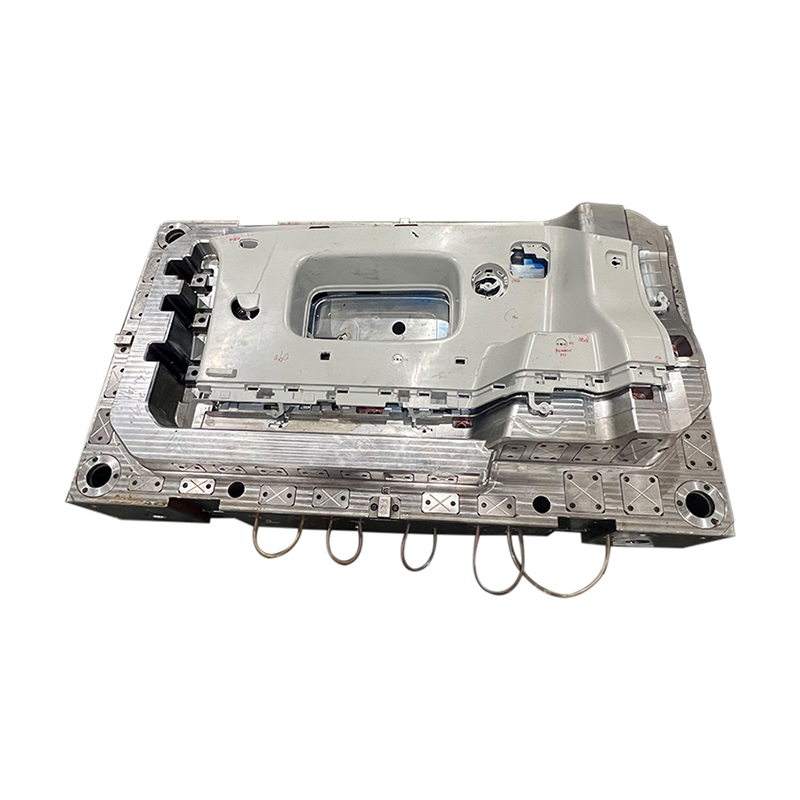
A BMC Mould, on the other hand, processes bulk material that flows more freely. This makes it suitable for electrical components, motor housings, and structural parts with complex internal geometry.
Both require precision machining and accurate cavity finishing, but flow control strategies differ.
Quality Control Inside a BMC Mould Manufacturer Facility
Tool quality does not rely only on design drawings. Manufacturing accuracy determines whether the mold performs consistently.
A responsible BMC Mould Manufacturer typically controls quality through:
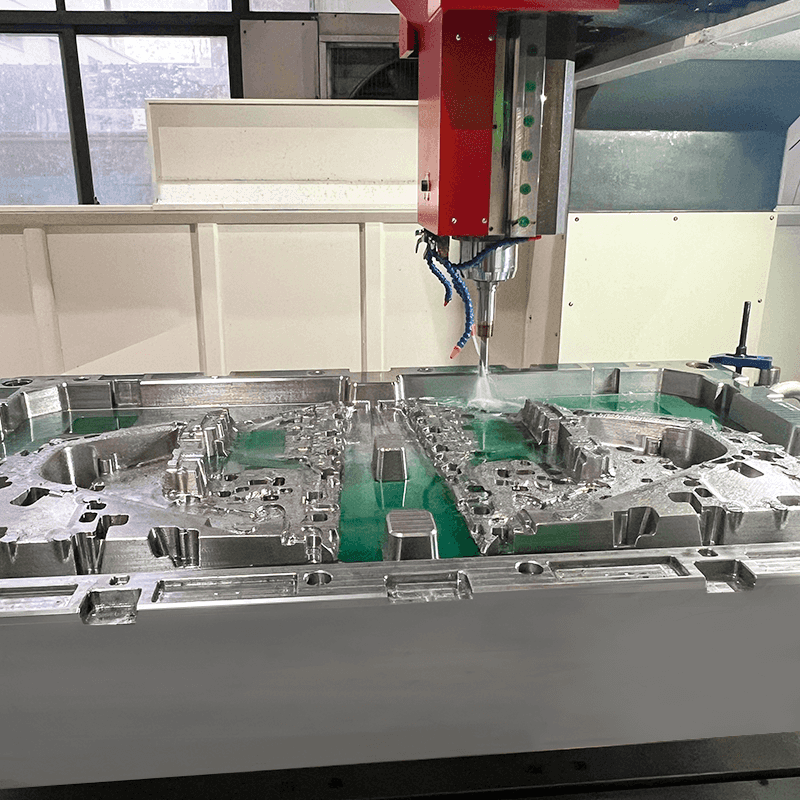
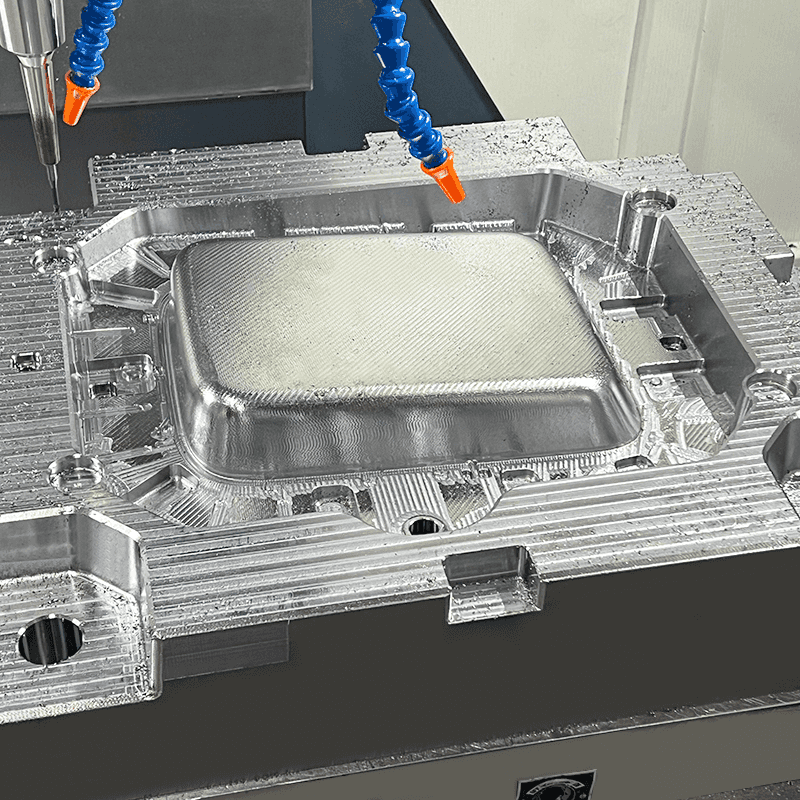
- CNC precision machining for cavity and core
- Heat treatment monitoring
- CMM inspection for dimensional verification
- Trial molding tests before shipment
Trial runs are particularly important. They help evaluate:
- Filling behavior
- Surface appearance
- Ejection smoothness
- Cycle stability
Adjustments at this stage prevent repeated corrections after the mold reaches the production floor.
Design Considerations for Complex Composite Parts
Modern composite parts often include:
- Deep ribs
- Threaded inserts
- Thin-wall sections
- Multi-cavity configurations
A well-designed BMC Mould can handle these structures when draft angles, pressure distribution, and fiber orientation are considered early.
For example, deeper ribs require balanced pressure to avoid voids. Thin sections need optimized heating to cure evenly. Insert molding demands precise positioning fixtures integrated into the tool.
Ignoring these factors during design increases the risk of production interruptions.
Long-Term Maintenance and Mold Service Life
Composite molding involves repetitive heating and compression cycles. Even well-built tools require maintenance planning.
Important maintenance points include:
- Cleaning vents regularly
- Monitoring heating elements
- Checking alignment components
- Inspecting surface wear
A reliable BMC Mould plays a central role in composite part manufacturing. From material selection and heating design to venting strategy and precision machining, every technical detail influences product consistency and production rhythm.
Choosing a capable BMC Mould Manufacturer is not only about tool fabrication but also about engineering understanding of composite flow, curing behavior, and structural durability. With careful design and practical production experience, composite projects move from concept to stable manufacturing with fewer interruptions and predictable performance.