ENG
ENG  English
 Español
 Português
 عربى
عربى 中文简体
中文简体Understanding the Role of an SMC Mould in Composite Production
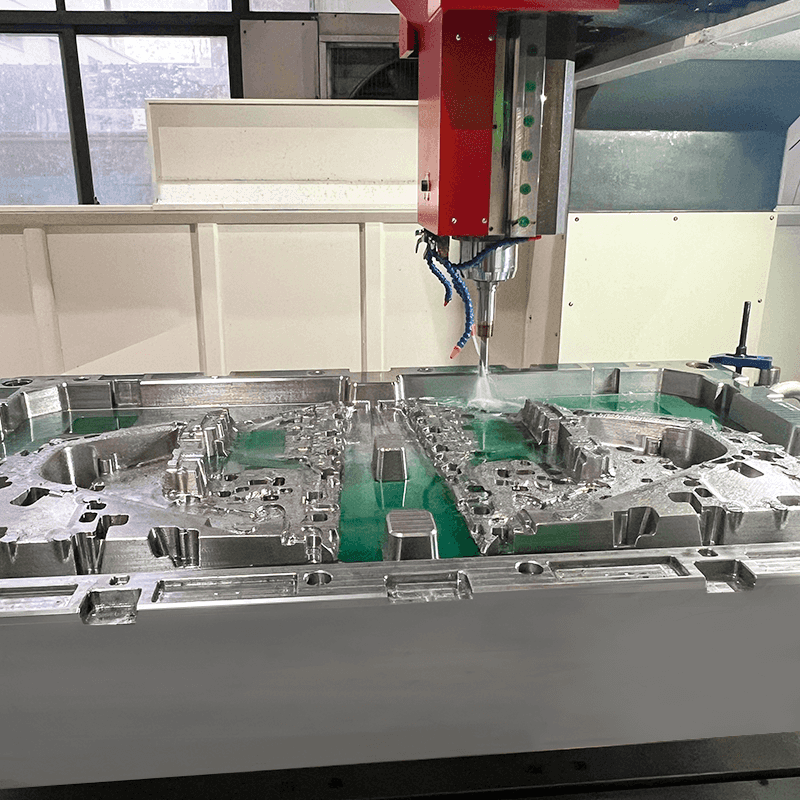
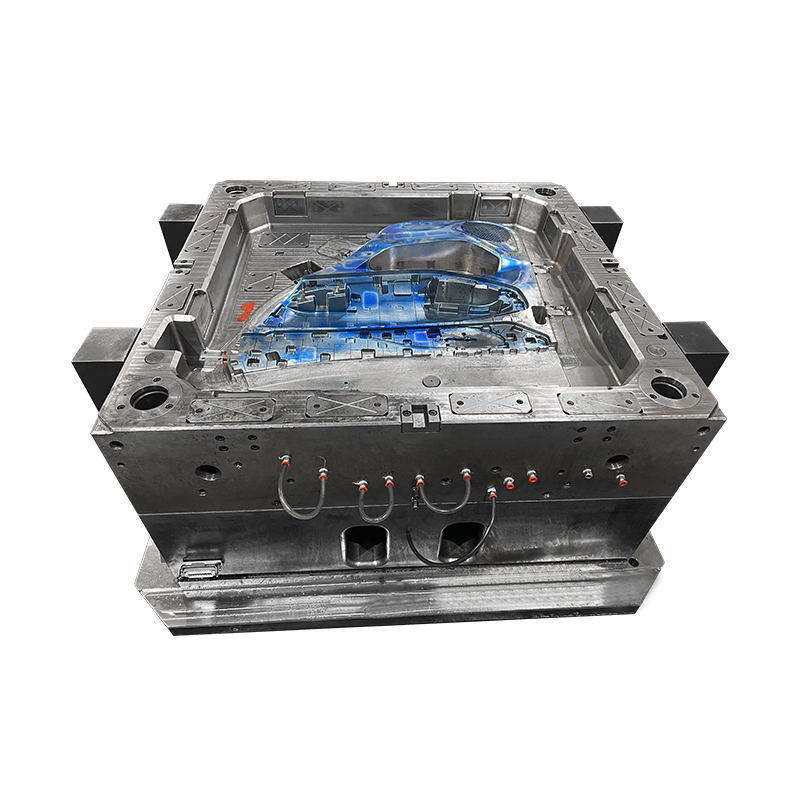
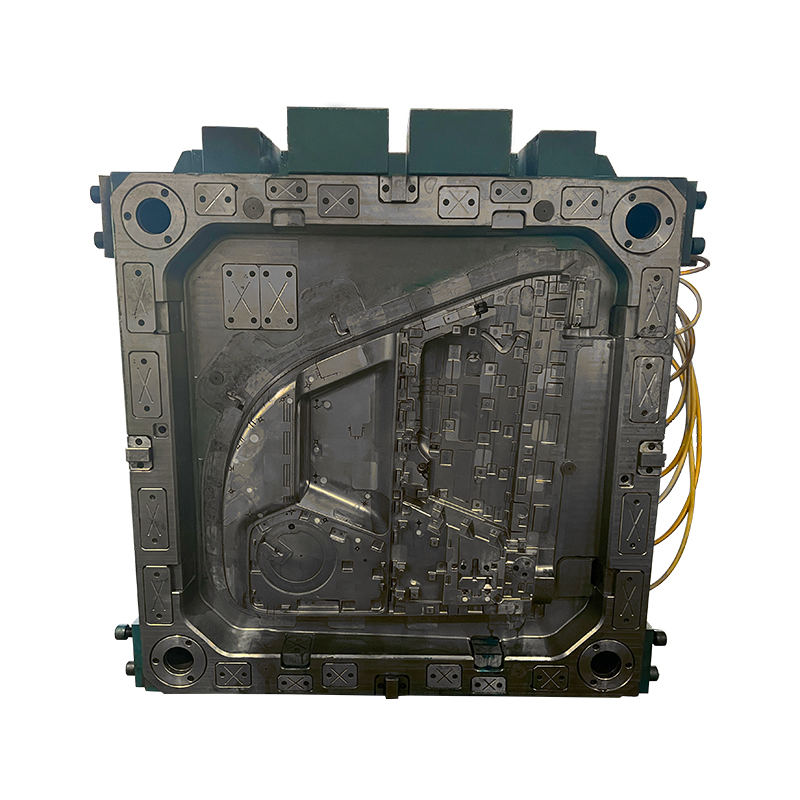
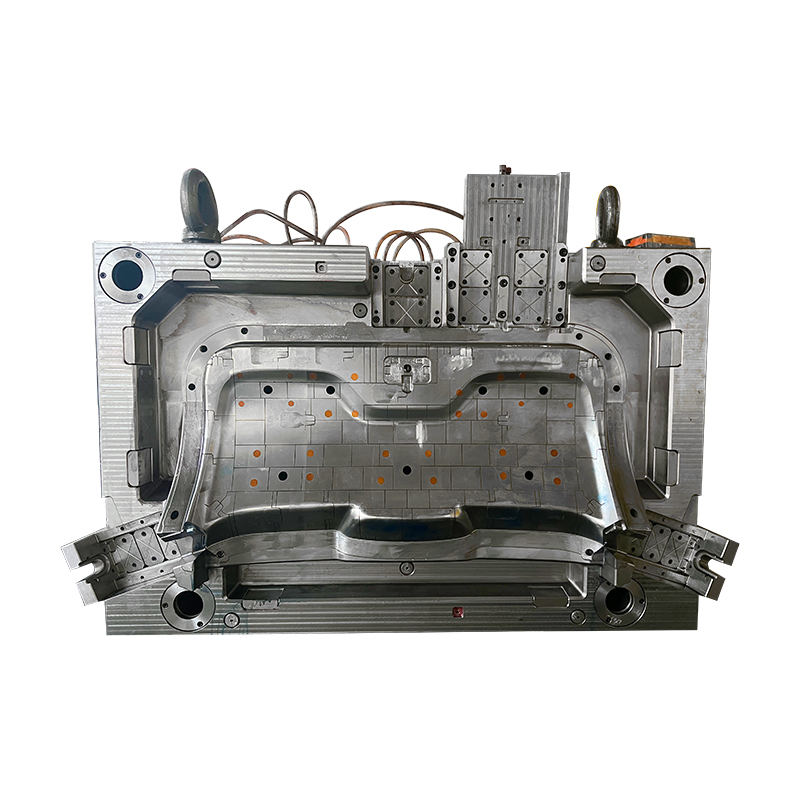
An SMC Mould is the core tooling used to shape Sheet Molding Compound into finished composite components. SMC material consists of thermosetting resin, chopped glass fibers, and mineral fillers. During molding, the material is placed into the cavity, then heat and pressure are applied. The compound flows, fills the cavity, and cures into a rigid part with stable dimensions.
For manufacturers producing automotive panels, electrical housings, or structural covers, tooling performance directly affects part consistency. A well-designed SMC Mould supports stable flow behavior, balanced curing, and repeatable cycle times. Without proper mold design, issues such as uneven thickness, surface defects, or dimensional deviation may appear.
An experienced SMC Mould Manufacturer focuses not only on shape creation but also on temperature distribution, venting layout, and compression control. These factors determine how smoothly the SMC material moves and cures inside the cavity.
Common Production Challenges and Practical Solutions
- Inconsistent Surface Finish
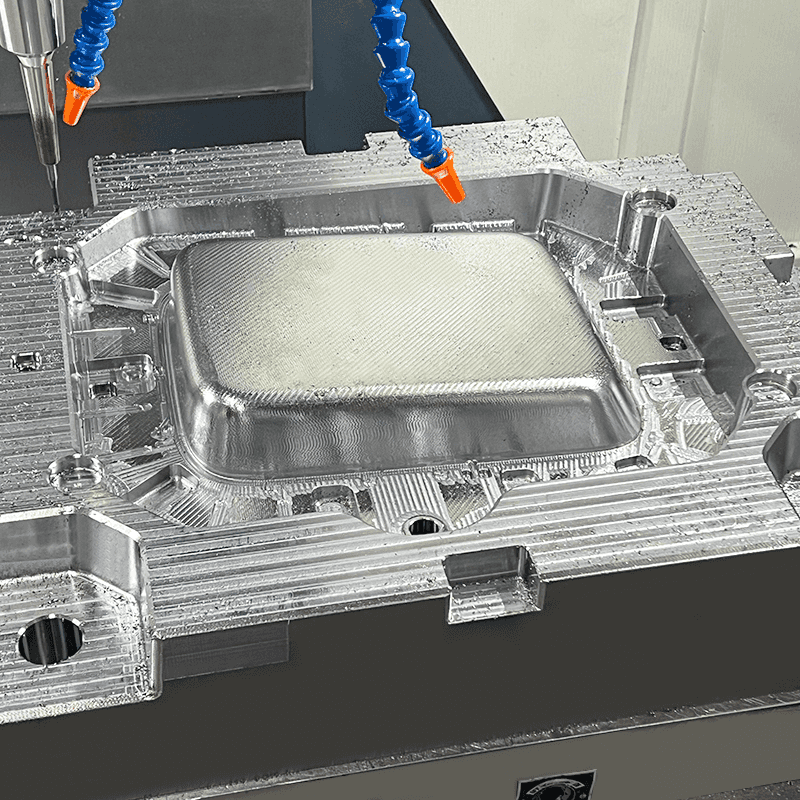
Surface defects often come from uneven heating or improper cavity polishing. Since SMC materials contain glass fibers, surface appearance can be affected by fiber exposure or resin distribution.
A reliable SMC Mould Manufacturer designs controlled heating channels and selects suitable cavity surface treatments. Polishing level and coating selection depend on the final product requirement. For visible automotive parts, higher surface precision is required than for internal structural components.
- Dimensional Variation in Repeated Cycles
Dimensional stability matters in assemblies where parts must fit with metal frames or other composite pieces. Tool wear, temperature fluctuation, or poor structural rigidity can influence tolerance control.
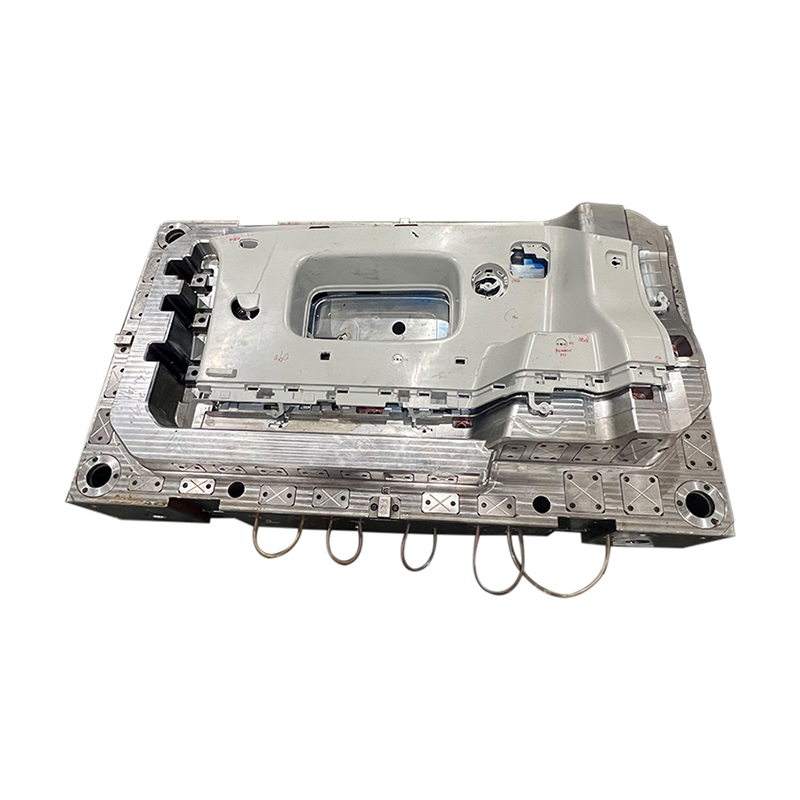
The SMC Mould is usually made from hardened steel or aluminum alloy, depending on production volume and part complexity. Steel tools offer strong durability for long-term production. Aluminum tools can reduce weight and shorten machining time for medium-scale runs. Structural reinforcement inside the mold base helps maintain alignment under pressure.
- Flow Marks or Incomplete Filling
SMC material must flow evenly before curing. Poor gate position or insufficient venting may trap air or restrict material movement.
Tooling engineers analyze the material charge pattern and cavity geometry before finalizing the design. Balanced compression layout and proper vent slots allow trapped air to escape during pressing. This reduces internal voids and improves structural integrity.
.jpg)
Materials Used in SMC Mould Manufacturing
Tool material selection depends on part size, expected production cycles, and budget planning.
Pre-hardened steel is commonly used for long production runs.
Hardened tool steel is applied when higher wear resistance is required.
Aluminum alloy is suitable for lighter molds and moderate output.
Each material offers different machining characteristics and thermal conductivity. An experienced SMC Mould Manufacturer evaluates these aspects during early project discussion to align tooling structure with production targets.
Heat treatment processes are applied when necessary to improve hardness and stability. The mold base, guide pillars, and cavity inserts are engineered for repeated compression cycles.
How the SMC Mould Handles Heat and Pressure
SMC molding operates under controlled temperature and compression force. The mold must tolerate continuous heating cycles without deformation.
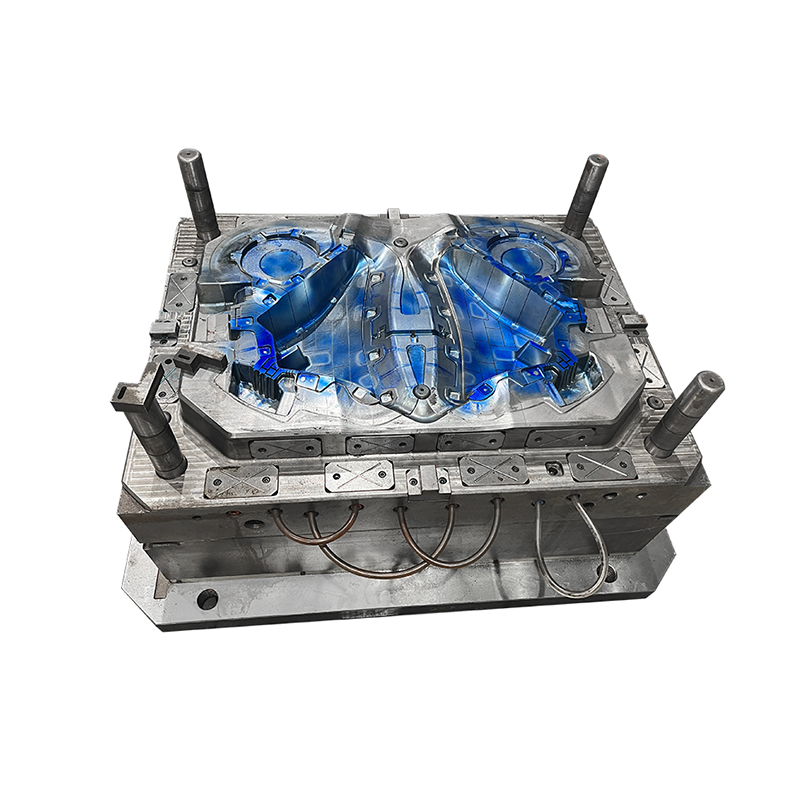
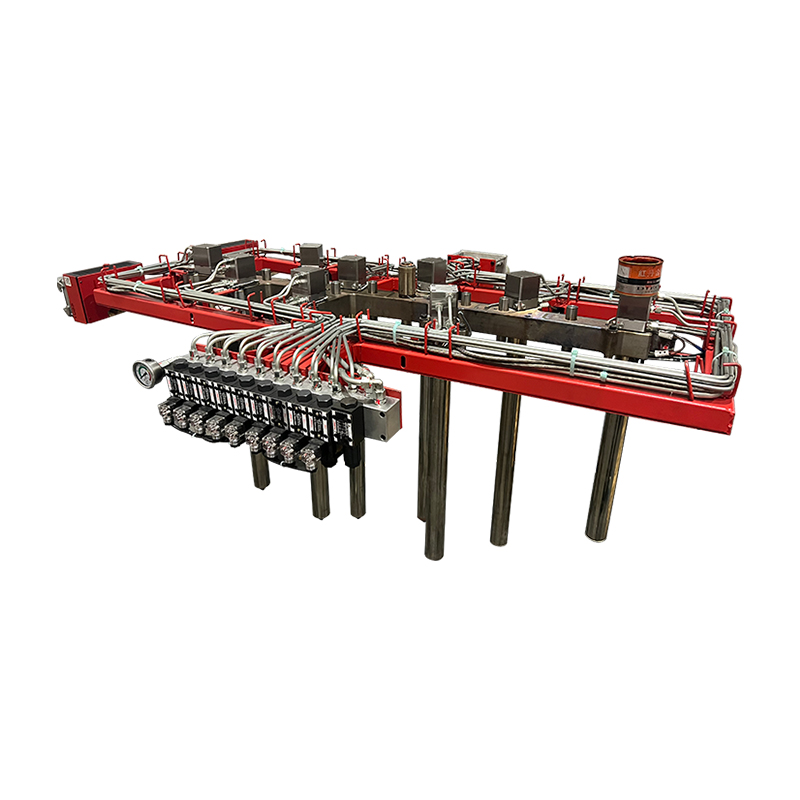
Heating systems can include electric heating rods or oil-based temperature control channels. Uniform heat distribution across both upper and lower mold halves supports consistent curing.
Pressure during compression molding pushes the SMC material to flow and conform to cavity details. The mold frame and support plates are designed to resist deformation. Proper structural design protects cavity precision over time.
The balance between heat and pressure determines part density, strength, and dimensional stability. The SMC Mould works as the stable framework that manages these process variables.