ENG
ENG  English
 Español
 Português
 عربى
عربى 中文简体
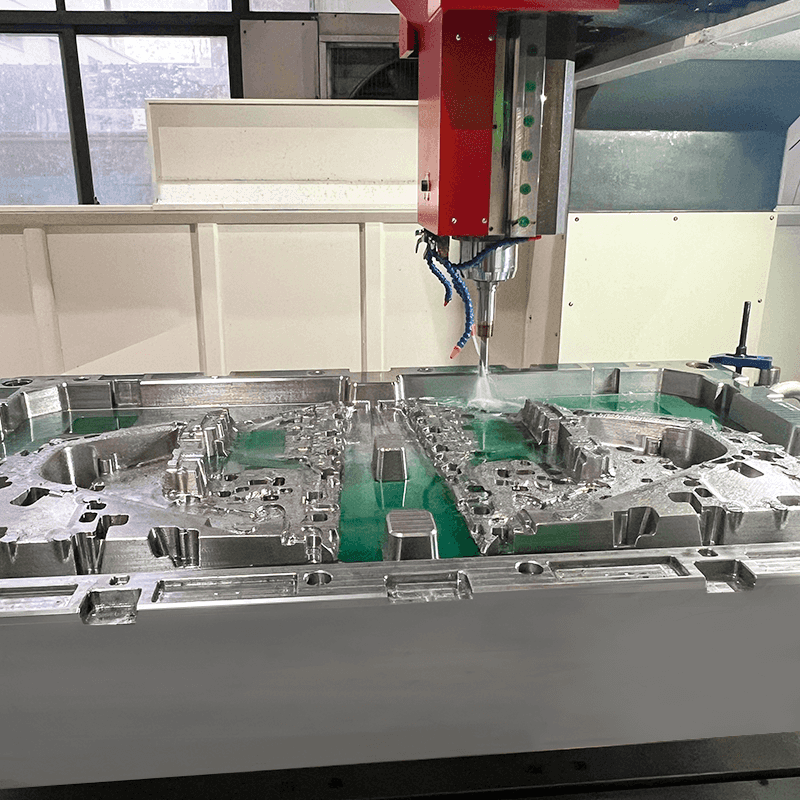
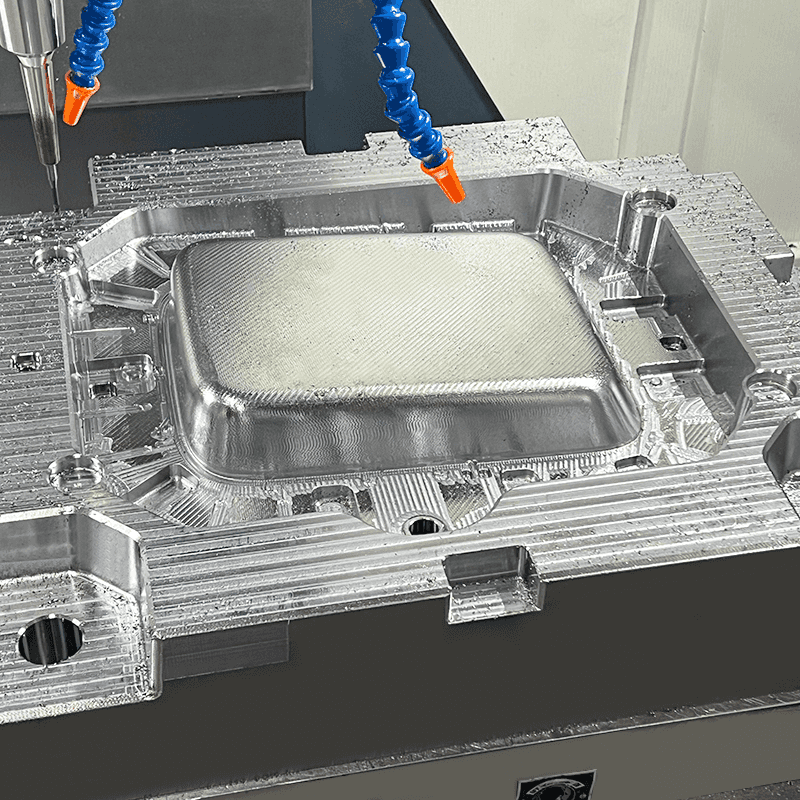
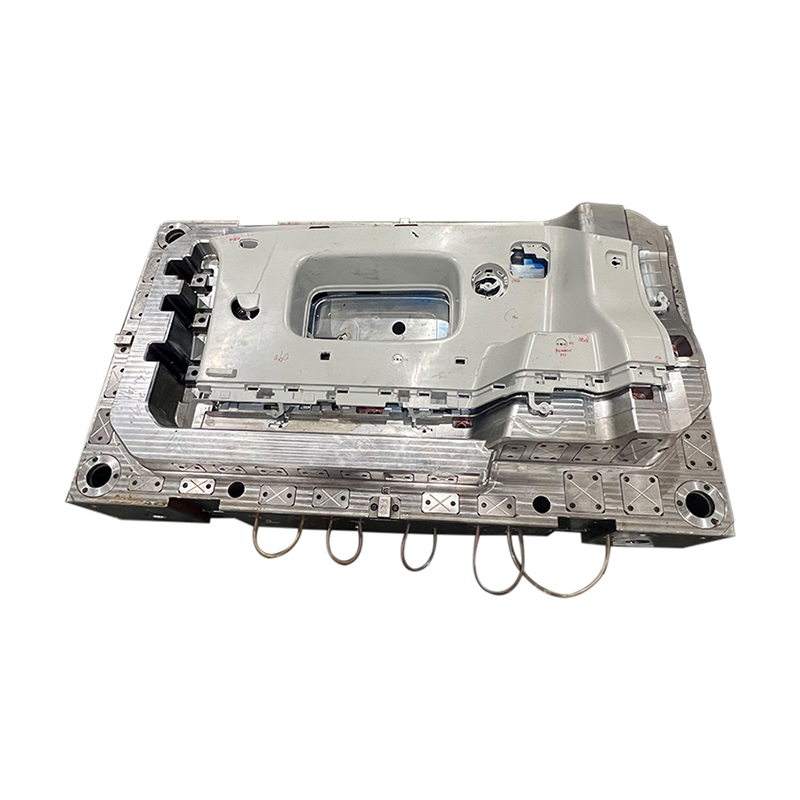
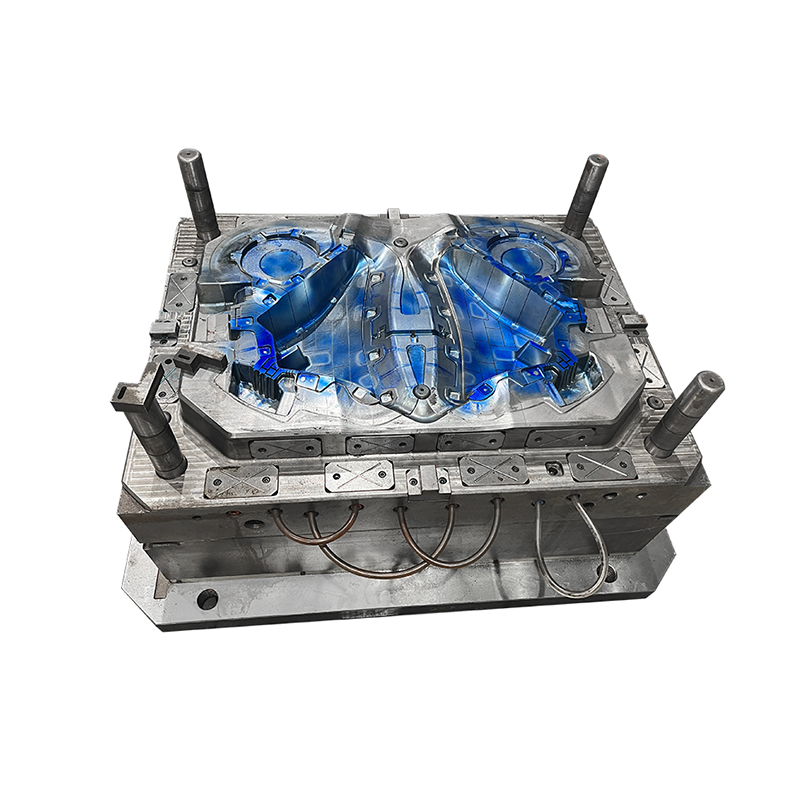
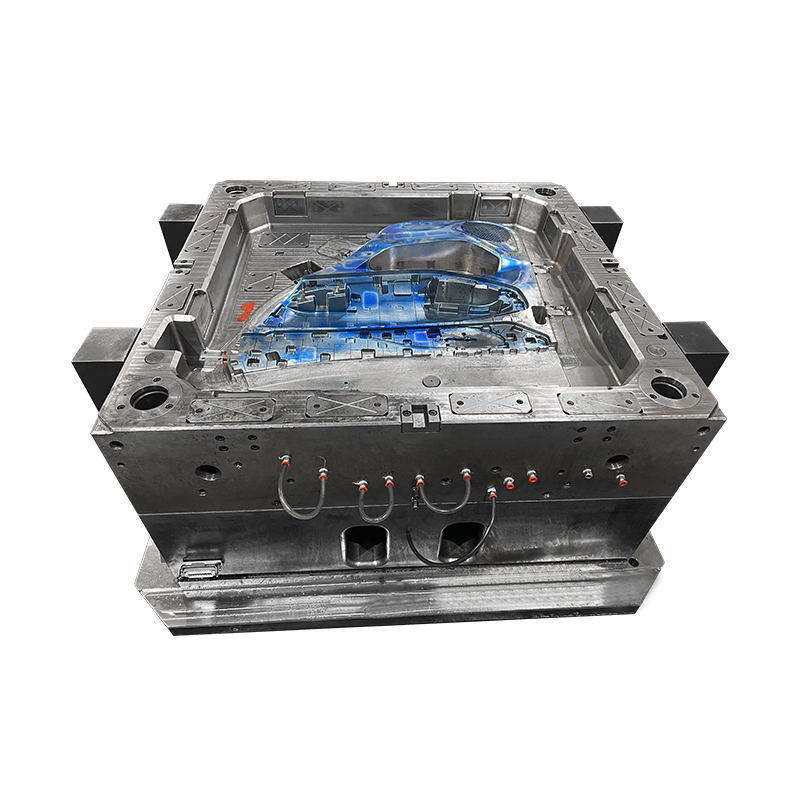
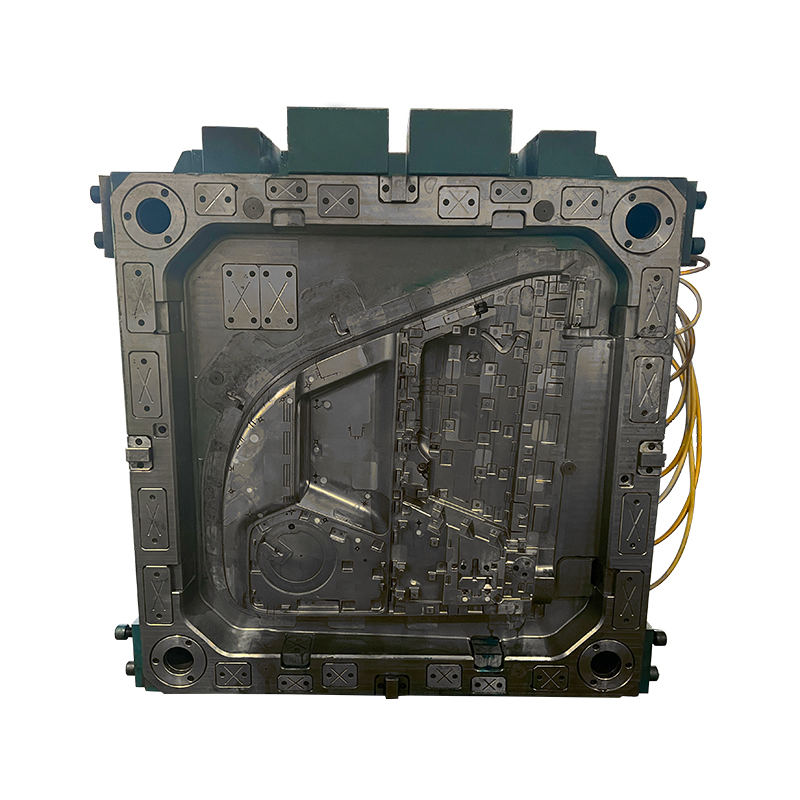
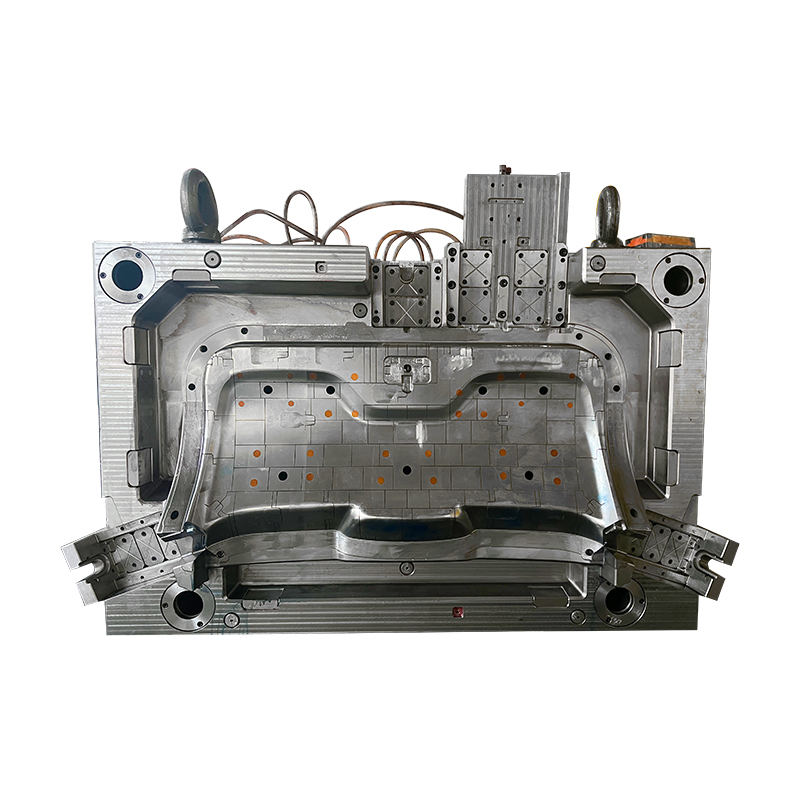
中文简体Box Mold plays a practical role in producing enclosure-style components used across electrical, automotive, and industrial applications. These parts often require stable dimensions, uniform wall thickness, and reliable surface quality. From a factory perspective, a box mold is not just a cavity shape but a system that combines material behavior, heating, pressure, and mold structure.
This article explores how Box Mold solutions are developed, what challenges commonly appear during production, and how a Box Mold Manufacturer approaches material selection and process control using SMC and BMC technologies.
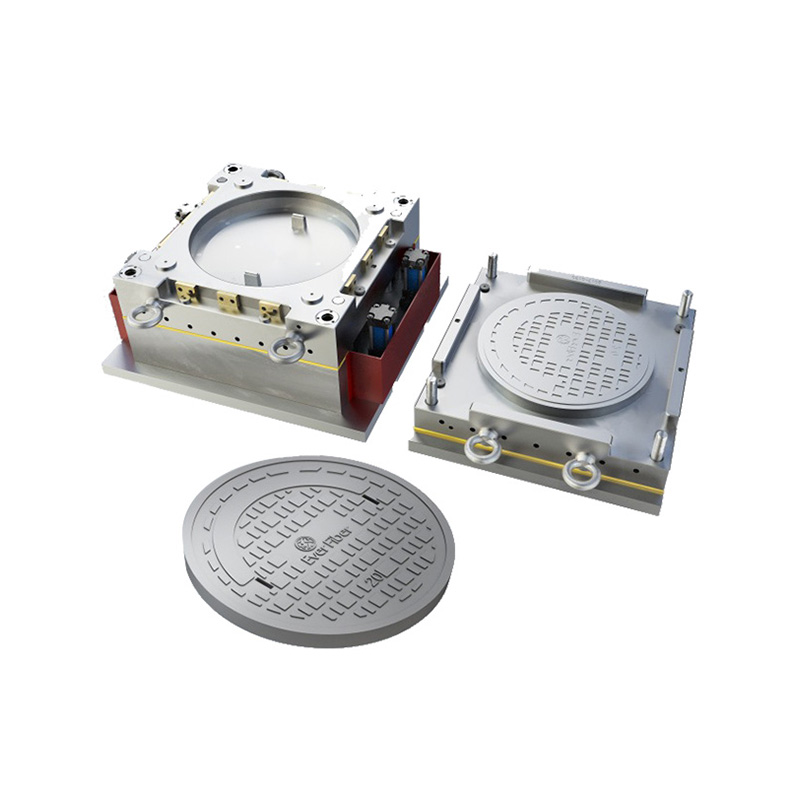
What Makes Box Mold Different From General Molds
Box-shaped components introduce unique molding challenges. Sharp corners, deep cavities, and enclosed structures affect how material flows and cures. Box Mold designs must manage these factors while maintaining part integrity.
Unlike flat or open parts, box structures need careful venting to allow trapped air to escape during compression or injection. Gate positioning also matters, as uneven flow can cause thickness variation or surface marks. A Box Mold Manufacturer considers these details early in mold design to support stable production.
SMC and BMC Materials Used in Box Mold Applications
Box Mold production often relies on SMC or BMC materials, depending on part size and design complexity.
SMC materials are supplied in sheet form, allowing controlled placement inside the mold cavity. This supports larger box-style parts such as electrical enclosures and structural housings. BMC materials, supplied in bulk, offer better flowability and are suitable for smaller boxes with detailed features.
Choosing between SMC and BMC affects mold structure, venting layout, and heating requirements. A Box Mold Manufacturer evaluates material behavior during compression or injection to match part geometry.
Box Mold Design Considerations for Structural Stability
Structural stability is a primary concern for box-shaped components. Wall thickness consistency helps maintain dimensional accuracy during curing and cooling. Reinforcement ribs may be added to internal surfaces to support load requirements without excessive material use.
Corner radii are carefully designed to improve material flow and reduce stress concentration. Box Mold cavity surfaces are finished based on appearance requirements, whether smooth or textured.
A Box Mold Manufacturer balances cavity complexity with manufacturability to keep production cycles steady.
Heating and Pressure Control in Box Mold Processing
Temperature control directly influences curing behavior in Box Mold production. Uneven heating can cause incomplete curing or surface variation, especially in deep cavities.
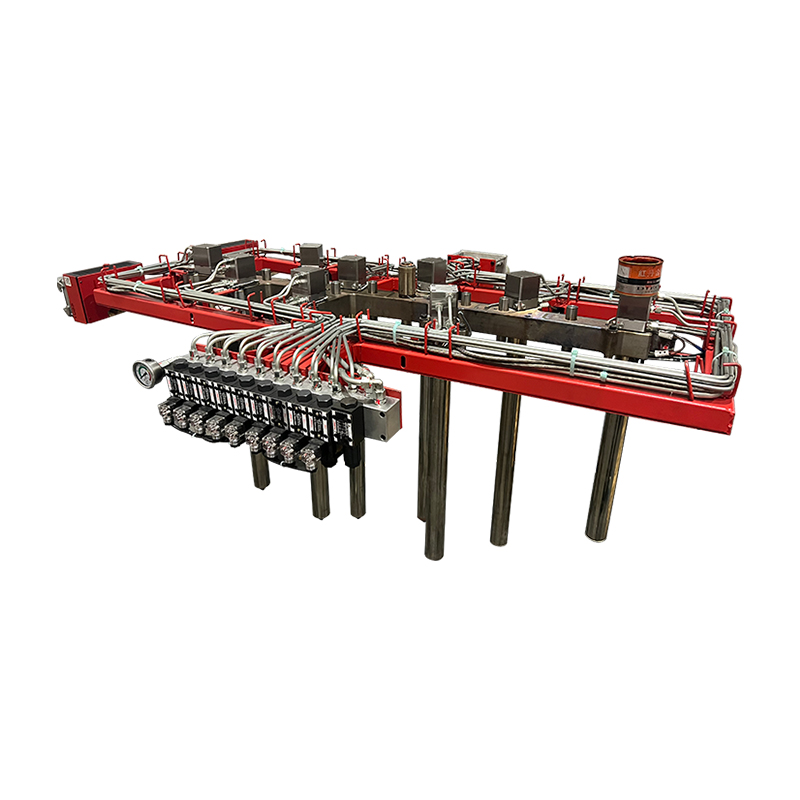
Heating channels are arranged to maintain a consistent mold temperature. During compression molding, pressure application timing affects how the material spreads inside the cavity. Gradual pressure buildup allows fibers and resin to distribute evenly.
A Box Mold Manufacturer monitors these parameters during trial runs to adjust settings before full production.
Process Flow of SMC Box Mold Production
The Box Mold process using SMC begins with cutting sheets to match cavity volume. These sheets are placed strategically to promote balanced flow. Once the mold is closed, pressure and heat shape the material.
Curing occurs under controlled conditions, followed by cooling through internal channels. After demolding, parts may undergo trimming or drilling to meet dimensional requirements. Throughout this process, inspections help verify wall thickness and surface quality.
Box Mold systems are commonly used for electrical housings, junction boxes, equipment covers, and structural enclosures. These parts require stable dimensions to fit internal components and sealing elements.
SMC box components are often chosen for larger enclosures, while BMC supports smaller housings with finer details. A Box Mold Manufacturer aligns mold design with application requirements rather than using a single mold concept across different parts.