ENG
ENG  English
 Español
 Português
 عربى
عربى 中文简体
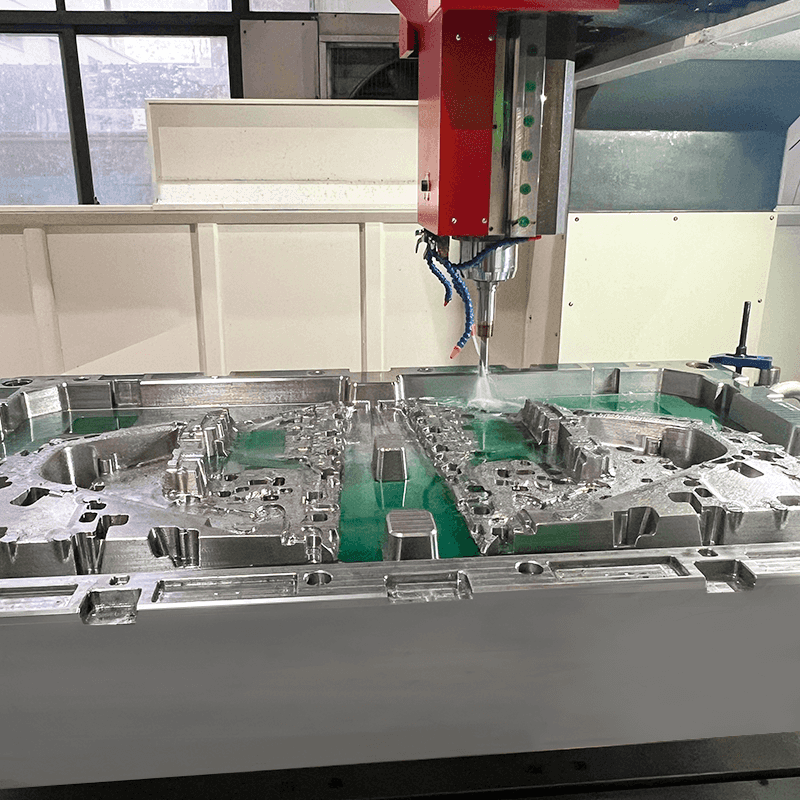
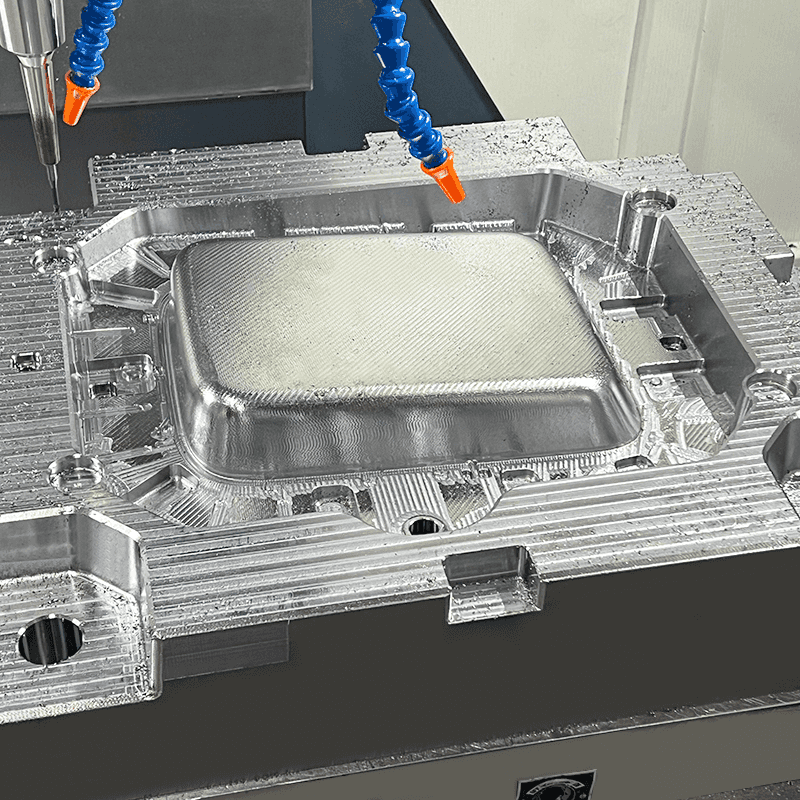
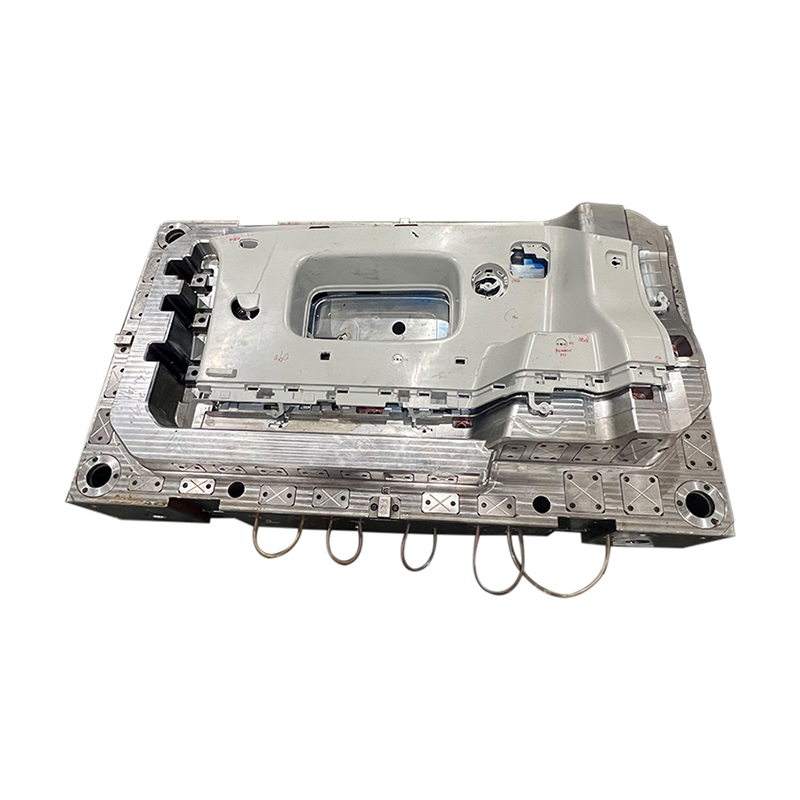
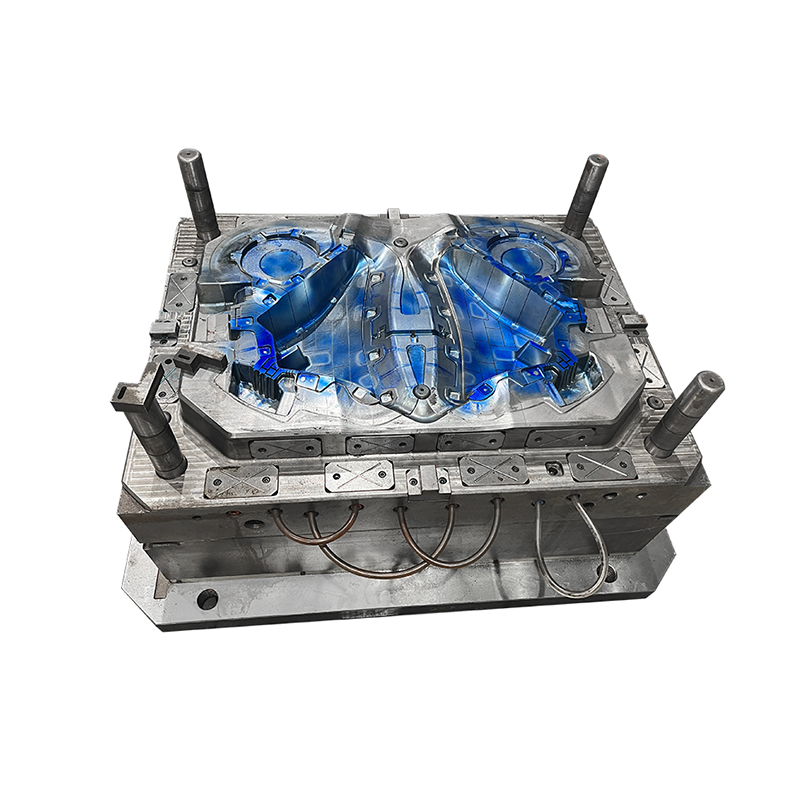
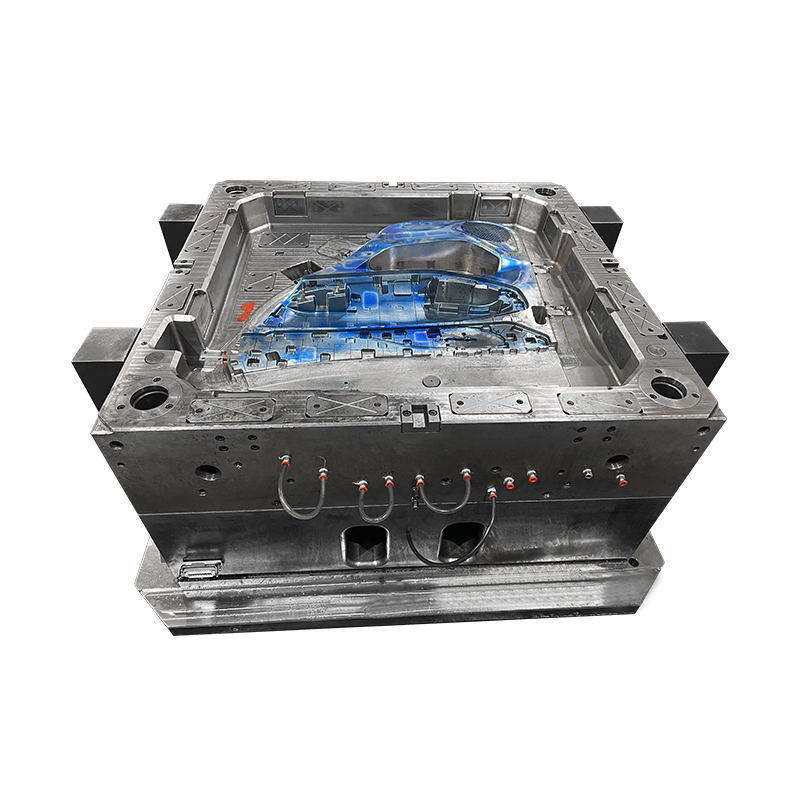
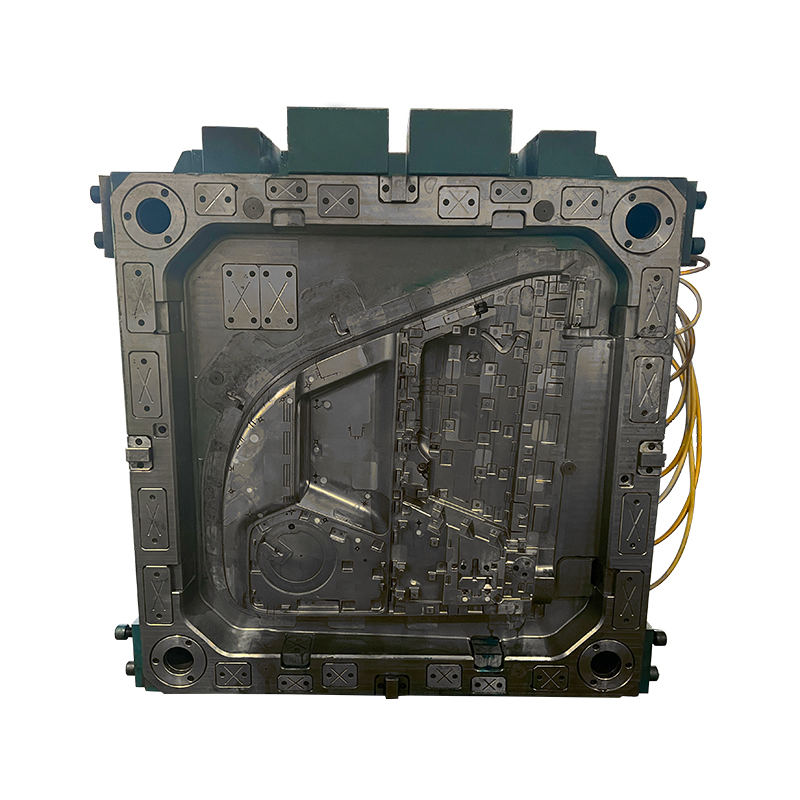
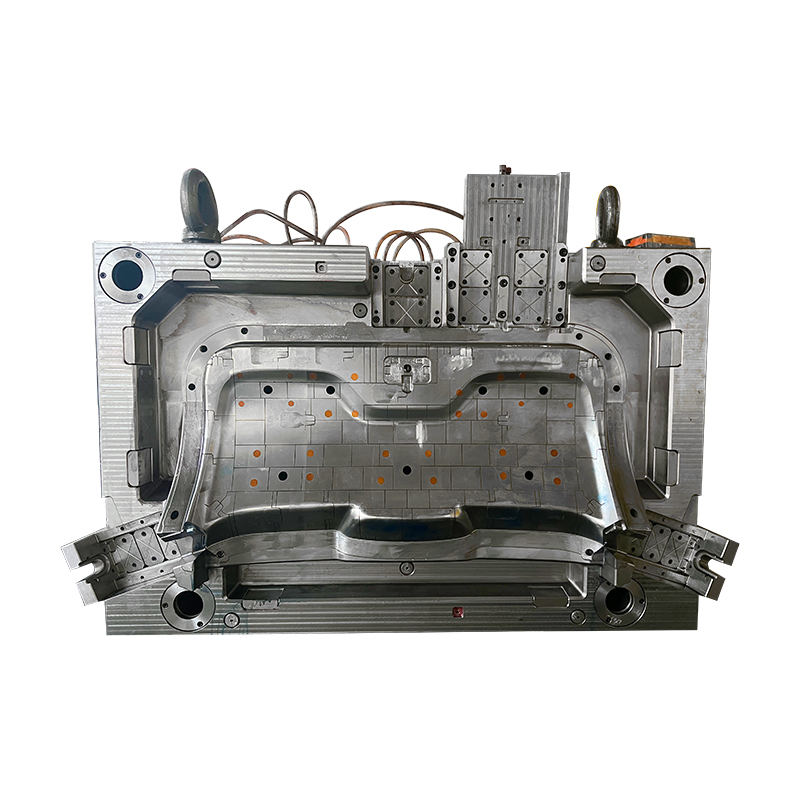
中文简体The chair mold plays a central role in plastic furniture production, especially for chairs used in residential, commercial, and outdoor environments. A well-designed mold supports stable production cycles, consistent structure, and repeatable surface quality. For factories working with injection molding, chair molds are not just tools but long-term production assets.
How Chair Mold Design Influences Chair Structure
The chair mold design directly affects the strength and shape of the finished chair. The cavity layout determines wall thickness distribution, which impacts load-bearing ability and long-term use. Areas such as legs, seat edges, and backrest connections require balanced material flow during injection.
Reinforcing ribs are often integrated into the mold design to improve rigidity without adding excessive material. A Chair Mold Manufacturer evaluates stress points during the design stage to support consistent structural performance across production runs.
Material Selection and Its Impact on Chair Mold Performance
Material choice affects both the mold and the molded chair. Chair molds are commonly made from hardened steel or aluminum alloys, depending on expected production volume and cycle frequency. Steel molds are often used for longer production programs due to wear resistance.
On the product side, plastic material selection influences flow behavior, cooling time, and surface appearance. A Chair Mold Manufacturer aligns mold gate positions and venting paths with material characteristics to support stable filling and release.
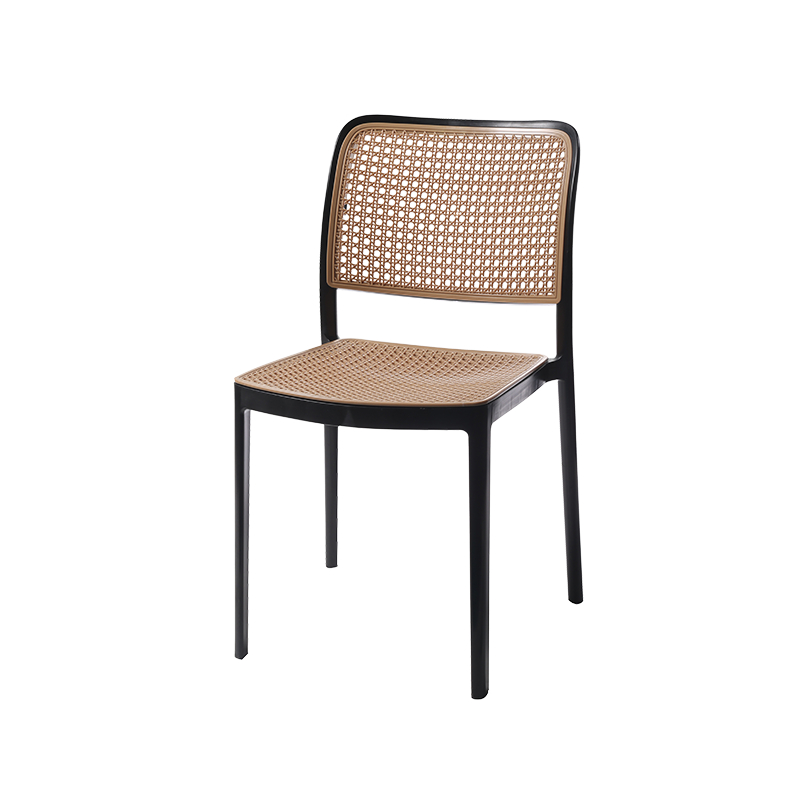
Injection Molding Process for Plastic Chairs
The chair production process begins with molten plastic injected into the Chair Mold cavity under controlled pressure. Once the cavity is filled, cooling channels inside the mold help the plastic solidify into the desired shape.
Cooling balance is important. Uneven cooling may cause warping or surface deformation. Mold designers plan cooling layouts to maintain a consistent temperature distribution. This helps chairs maintain dimensional accuracy after demolding.
Managing Common Production Challenges with Chair Mold
Several challenges may appear during chair production, including surface marks, incomplete filling, or deformation after ejection. Chair Mold design addresses these issues through proper gate sizing, venting, and surface finishing.
Venting allows trapped air to escape during injection, supporting smooth cavity filling. Surface polishing affects final appearance and release behavior. A Chair Mold Manufacturer fine-tunes these details to reduce interruptions during continuous production.
Maintenance Practices for Long-Term Chair Mold Use
Chair Mold maintenance supports production stability and tool lifespan. After production cycles, molds are cleaned to remove residue and release agents. Moving components, such as sliders and ejector pins,s are inspected for wear.
Lubrication reduces friction during mold opening and closing. Storage conditions also matter when molds are not in use. A clean, dry environment helps protect mold surfaces and internal channels from corrosion.
A Chair Mold Manufacturer often provides maintenance guidance based on mold structure and production frequency.
Customization Options Supported by Chair Mold Systems
Chair molds support various design options, including armrests, backrest shapes, and surface textures. Color variation is achieved through material changes rather than mold modification, while texture patterns are machined directly into cavity surfaces.
Stackability features are also considered during mold development. Chair Mold geometry can include tapered legs or interlocking shapes to support efficient storage and transportation.
Role of a Chair Mold Manufacturer in Process Control
A Chair Mold Manufacturer is involved beyond mold fabrication. Process matching between mold design and injection parameters helps maintain cycle stability. This includes recommended injection speed, holding pressure, and cooling time ranges.
During trial runs, adjustments are made to balance filling and cooling behavior. These steps help align mold performance with production equipment capabilities.
Through proper design, process control, and maintenance, Chair Mold and Chair Mold Manufacturer collaboration support steady production and adaptable chair designs without unnecessary complexity.