ENG
ENG  English
 Español
 Português
 عربى
عربى 中文简体
中文简体SMC Product OEM plays a practical role in industries that depend on composite materials for structural strength, dimensional stability, and corrosion resistance. Sheet Molding Compound is widely used for producing parts that need consistent shape, surface quality, and mechanical performance across repeated production cycles. For factories involved in OEM manufacturing, the process is not only about molding parts but also about controlling materials, tooling, and process parameters from start to finish.
What Makes SMC Product OEM Different From General Molding
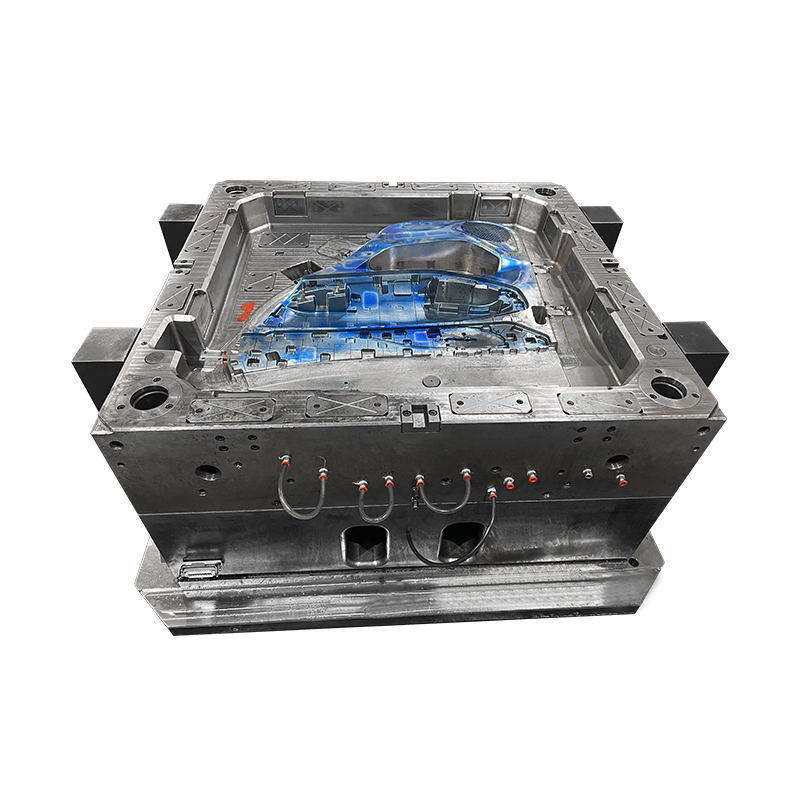
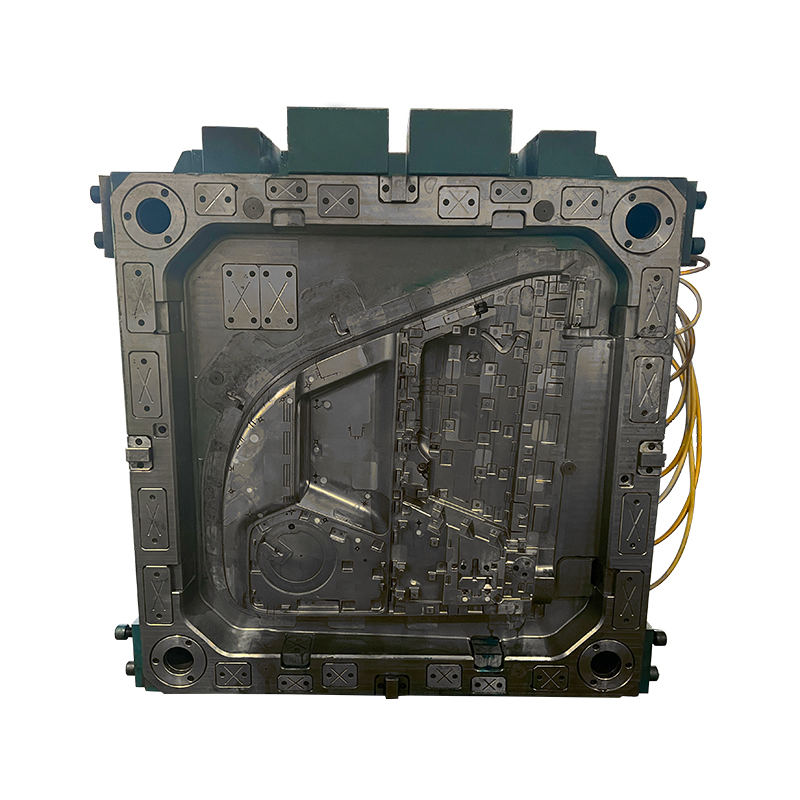
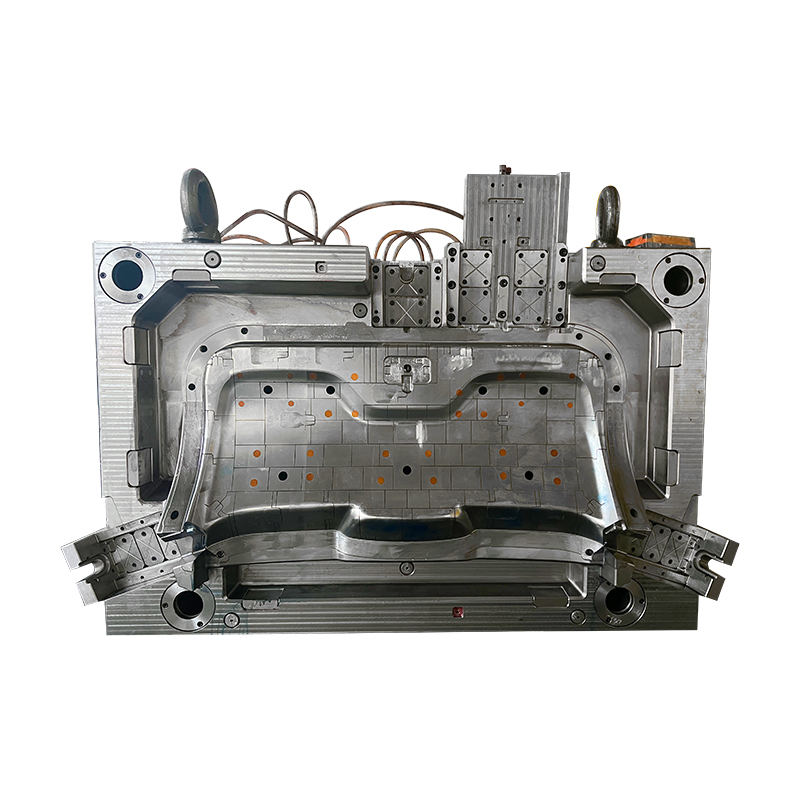
SMC Product OEM is closely tied to compression molding technology. Unlike general plastic forming, SMC relies on pre-impregnated sheets made of resin, chopped glass fibers, fillers, and additives. These sheets are cut and placed into a heated mold, then shaped under pressure.
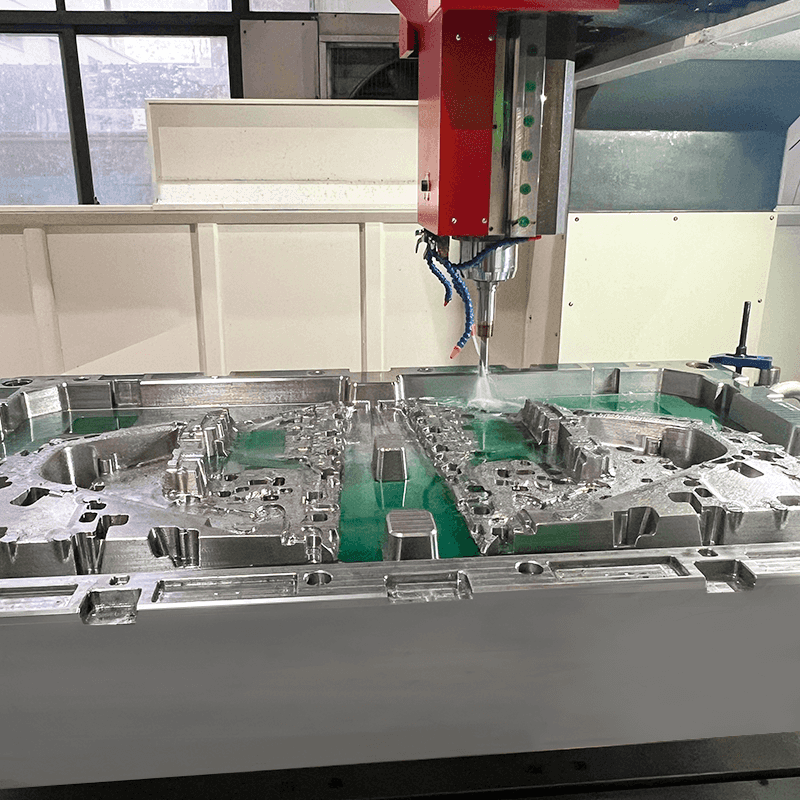
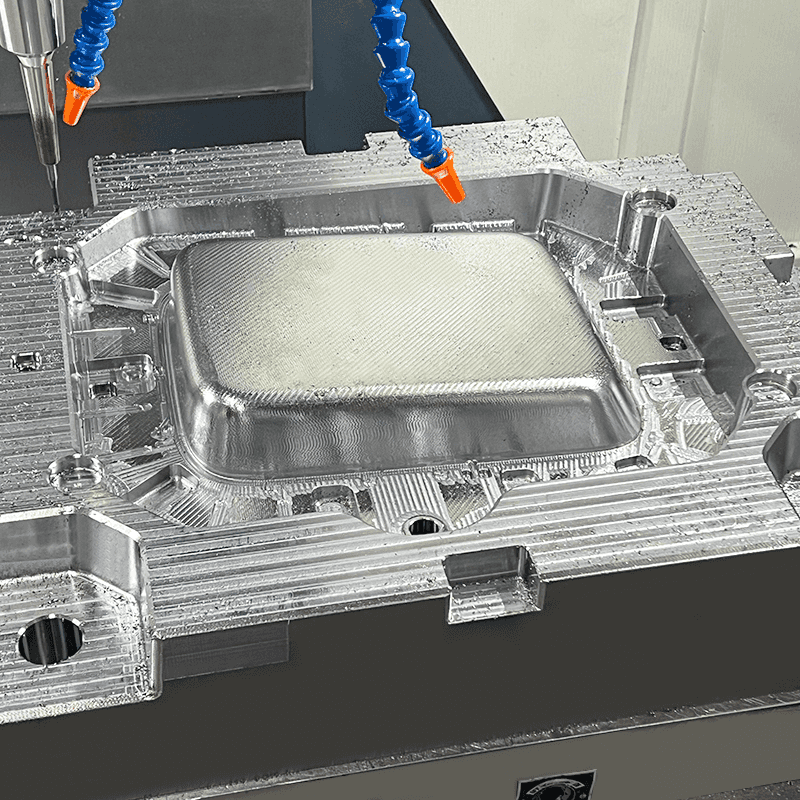
The OEM aspect means the process is adapted to specific drawings, tolerances, and performance targets. This often involves customized mold cavities, controlled fiber distribution, and surface finish requirements. An SMC Product OEM Manufacturer usually works from customer specifications while managing internal tooling and process setup.
Comparing SMC and BMC in OEM Manufacturing
Understanding material differences helps clarify why SMC Product OEM is chosen for certain applications.
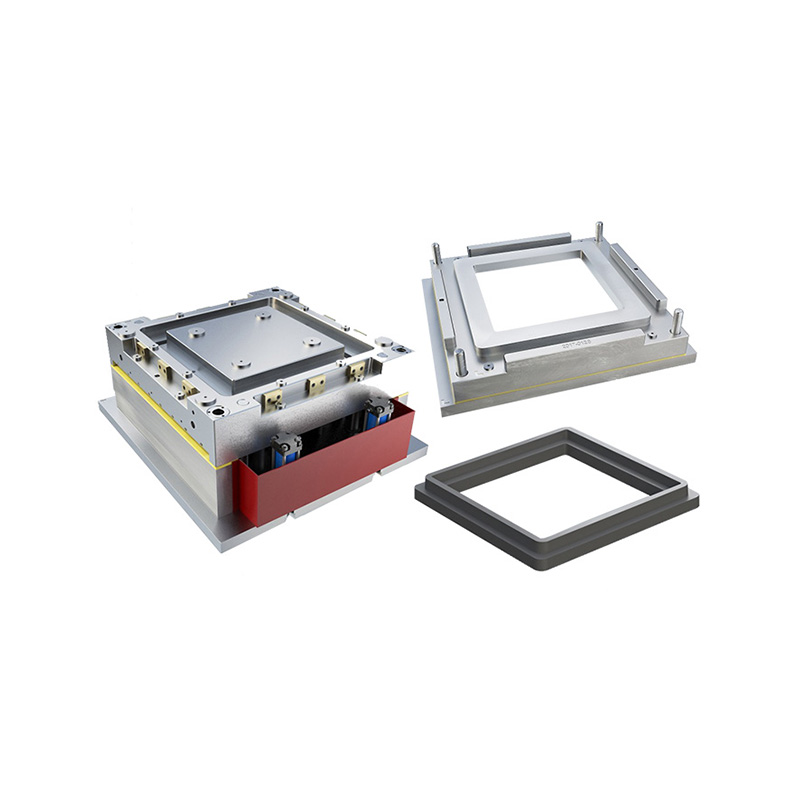
SMC materials are supplied in sheet form, allowing better control over fiber orientation and thickness. This makes SMC suitable for large panels, covers, housings, and structural components. BMC materials, on the other hand, are supplied in bulk and offer higher flowability, which supports smaller or more detailed parts.
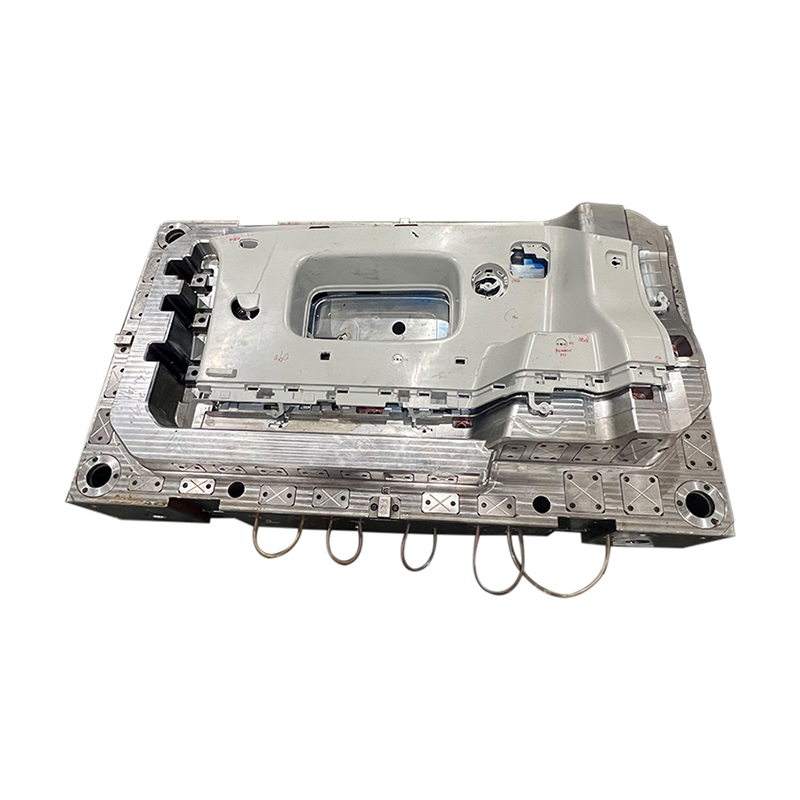
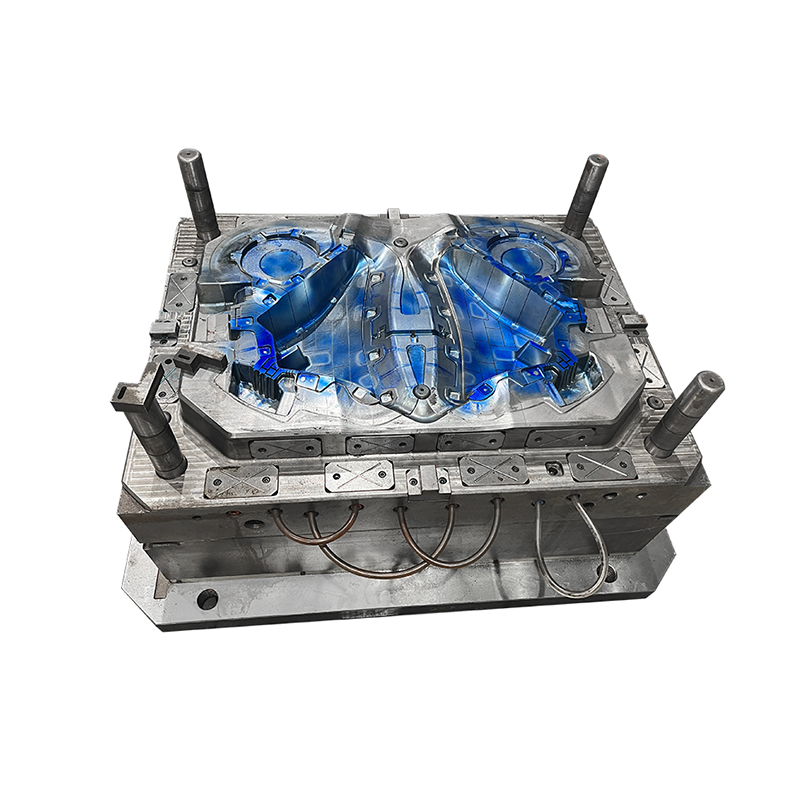
From a mold design perspective, SMC molds are typically heavier and built for compression molding only. BMC molds may support compression or injection molding. An SMC Product OEM Manufacturer will select mold structures based on part size, surface requirements, and cycle stability.
Process Technology Used in SMC Product OEM Manufacturing
The SMC Product OEM process starts with material preparation. SMC sheets are produced with controlled fiber content and resin ratios. Before molding, sheets are cut to match part geometry and placed strategically inside the mold.
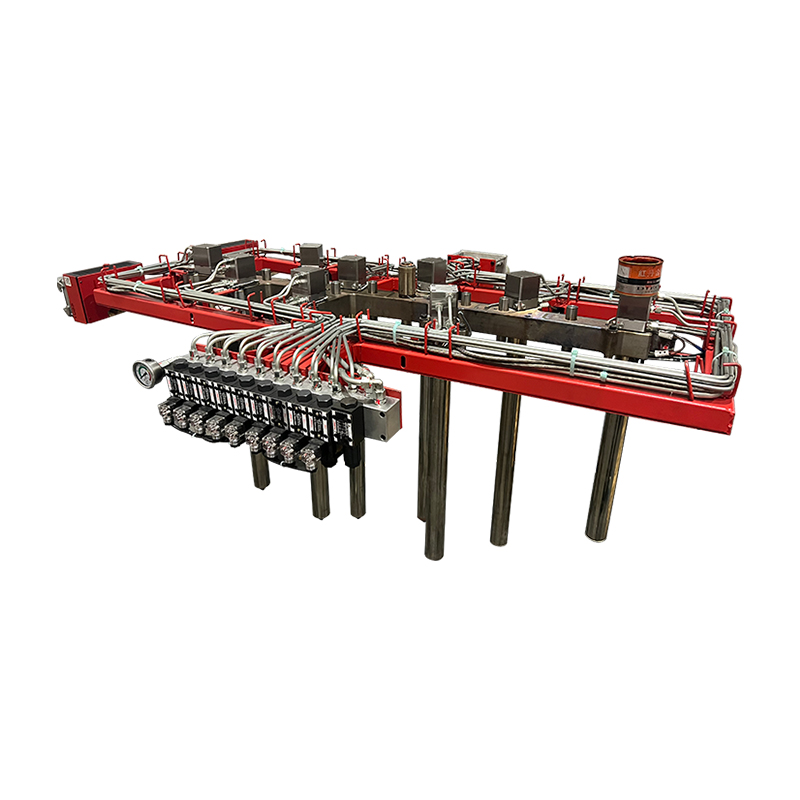
During molding, the mold is heated to a controlled range, commonly between 120°C and 160°C, depending on resin formulation. Pressure is applied through hydraulic presses, allowing the material to flow and cure inside the cavity.
Curing time varies with part thickness and design. After curing, controlled cooling helps the part maintain shape before demolding. An SMC Product OEM Manufacturer monitors these parameters closely to keep cycle results stable.
Quality Control in SMC Product OEM Production
Quality control is integrated throughout the SMC Product OEM workflow. Material checks confirm resin consistency and fiber distribution before molding begins. During production, dimensional inspections help verify part geometry.
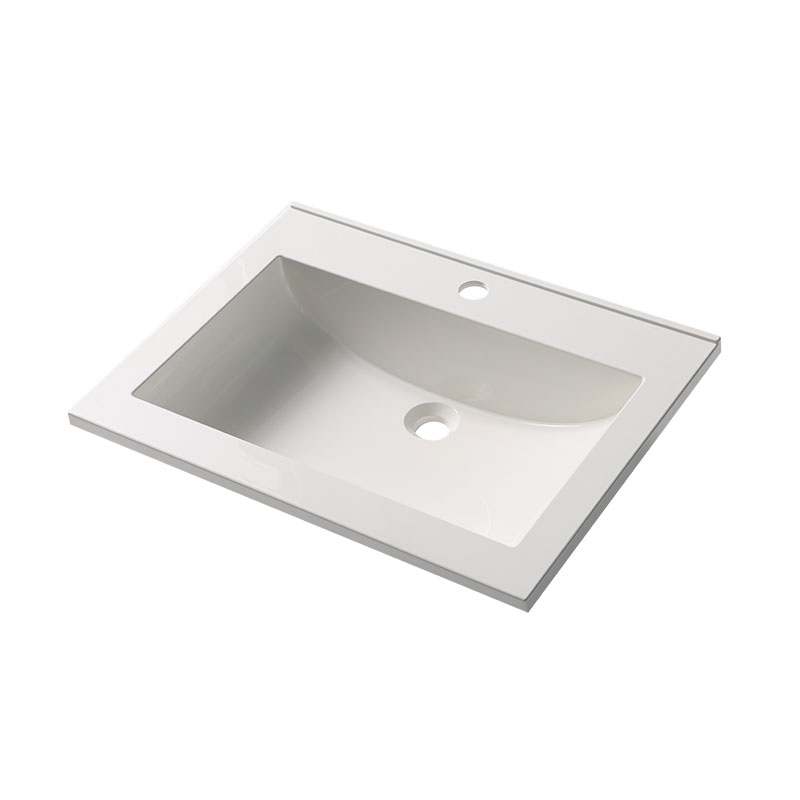
Surface appearance, thickness uniformity, and mechanical performance are reviewed based on project requirements. Post-molding operations such as trimming and drilling are also inspected to maintain dimensional accuracy.
Rather than relying on a single inspection stage, an SMC Product OEM Manufacturer typically applies in-process checks to reduce variation and production interruptions.
Maintenance Practices That Support Stable SMC Production
Mold maintenance supports long-term SMC Product OEM performance. After production runs, molds are cleaned to remove resin residue and release agent buildup. Guide pins, ejector systems, and venting areas are inspected regularly.
Lubrication of moving components reduces wear during repeated press cycles. Proper storage conditions help protect mold surfaces when not in use. These steps help maintain consistent part quality across extended production periods.
An SMC Product OEM Manufacturer with hands-on experience can adjust mold temperature, pressure timing, and sheet placement to suit different part designs. This practical understanding supports consistent production and smoother project execution over time.