ENG
ENG  English
 Español
 Português
 عربى
عربى 中文简体
中文简体SMC Product OEM plays a central role in modern composite component production. Sheet Molding Compound (SMC) is a thermosetting composite material made from resin, glass fibers, and fillers. It is widely used for parts that require strength, dimensional stability, and lightweight properties.
An experienced SMC Product OEM Manufacturer does more than simply mold parts. The process begins with material selection, followed by mold design, process control, curing, trimming, and surface treatment. Each step influences the final component performance.
Factories working with SMC focus on consistent pressure, stable heating cycles, and accurate mold cavity design. These factors determine whether the finished part meets dimensional tolerances and surface expectations.
Why SMC Product OEM Fits Complex Structural Components
SMC material flows inside the mold cavity under heat and pressure. This flow characteristic allows manufacturers to produce intricate geometries, rib structures, mounting bosses, and reinforced sections in a single compression molding cycle.
Compared with traditional metal fabrication, SMC Product OEM reduces part consolidation challenges. Instead of welding multiple components together, complex shapes can be molded as one integrated structure.
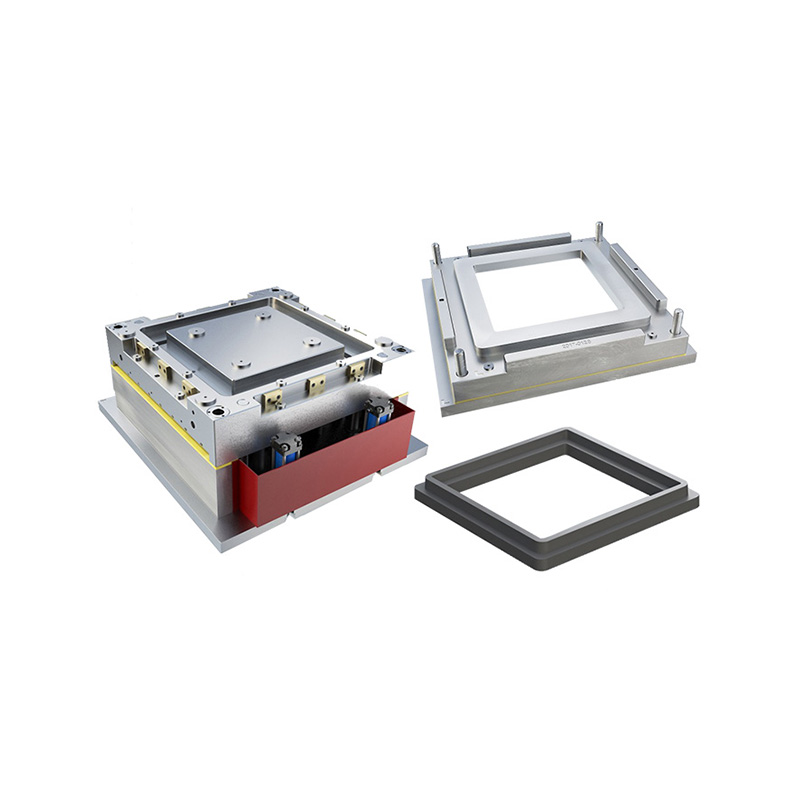
Automotive panels, electrical enclosures, and industrial housings are common examples. An experienced SMC Product OEM Manufacturer designs molds that allow material to distribute evenly, preventing voids and maintaining structural balance.
This design capability is especially useful when projects require tight dimensional control combined with lightweight performance.
How SMC Molds Influence Final Product Quality
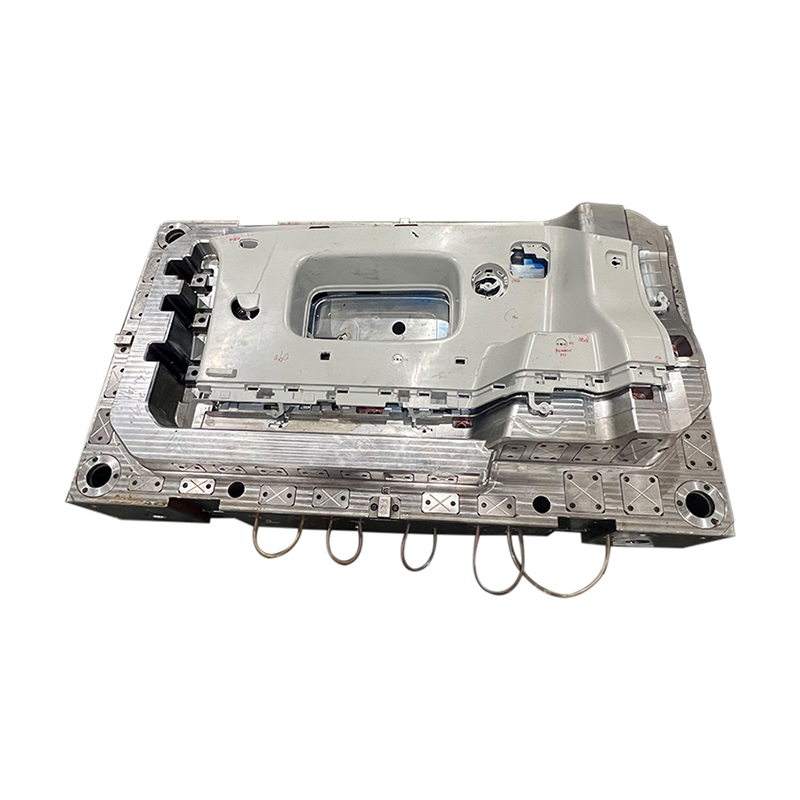
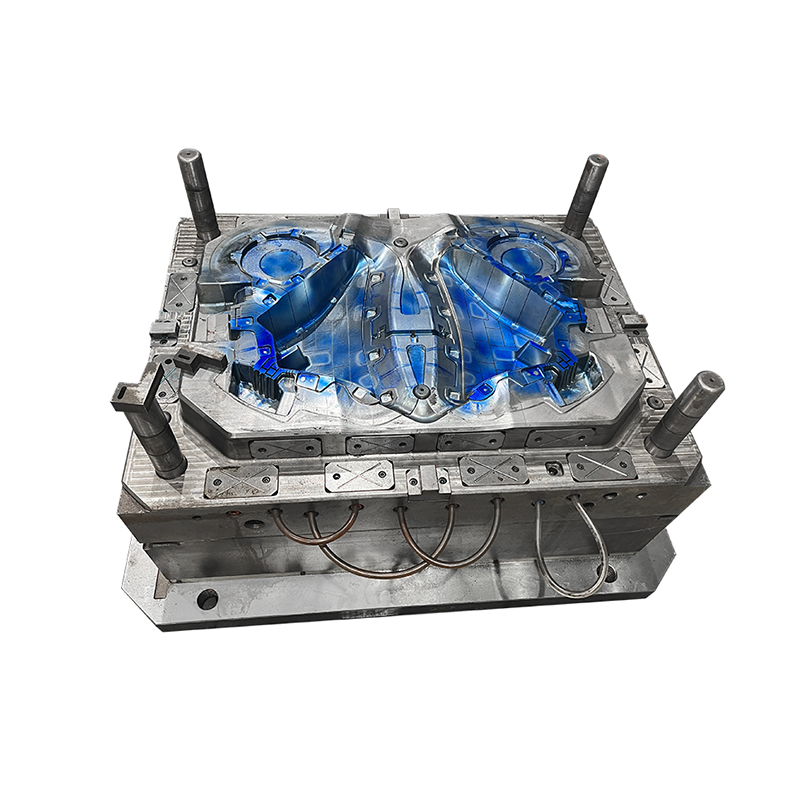
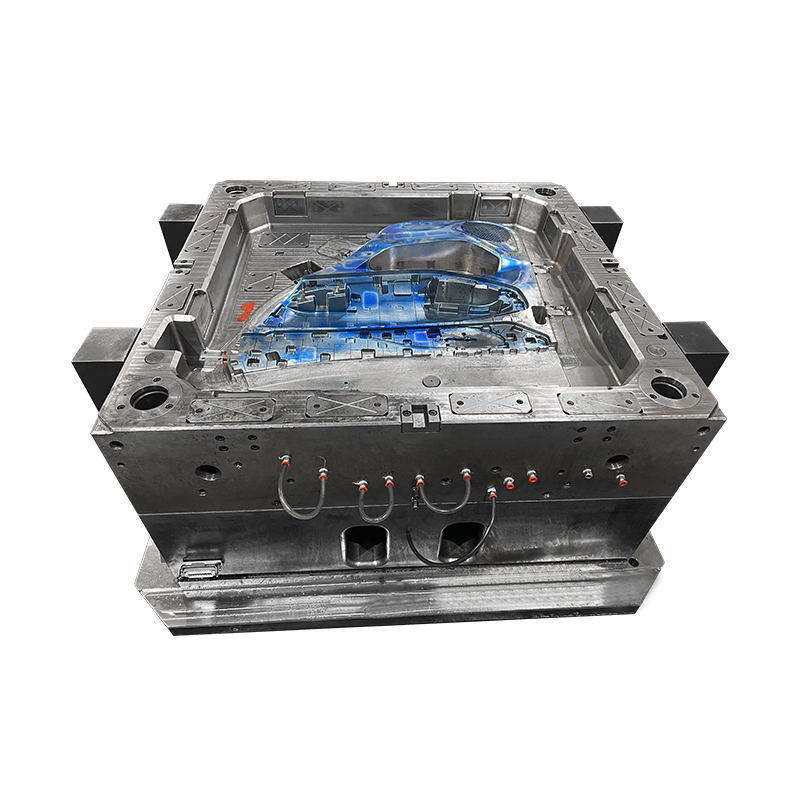
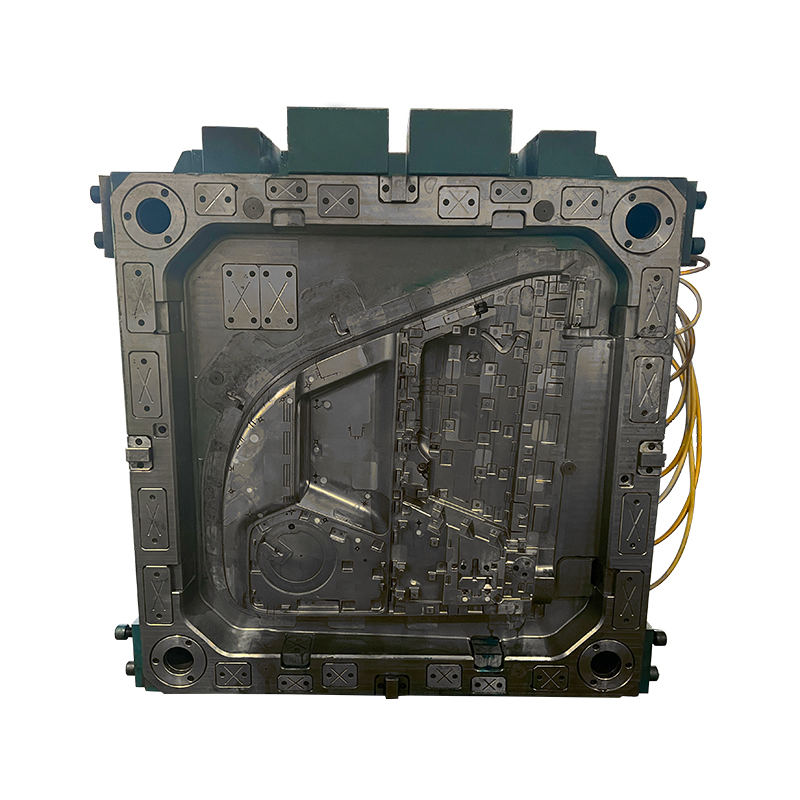
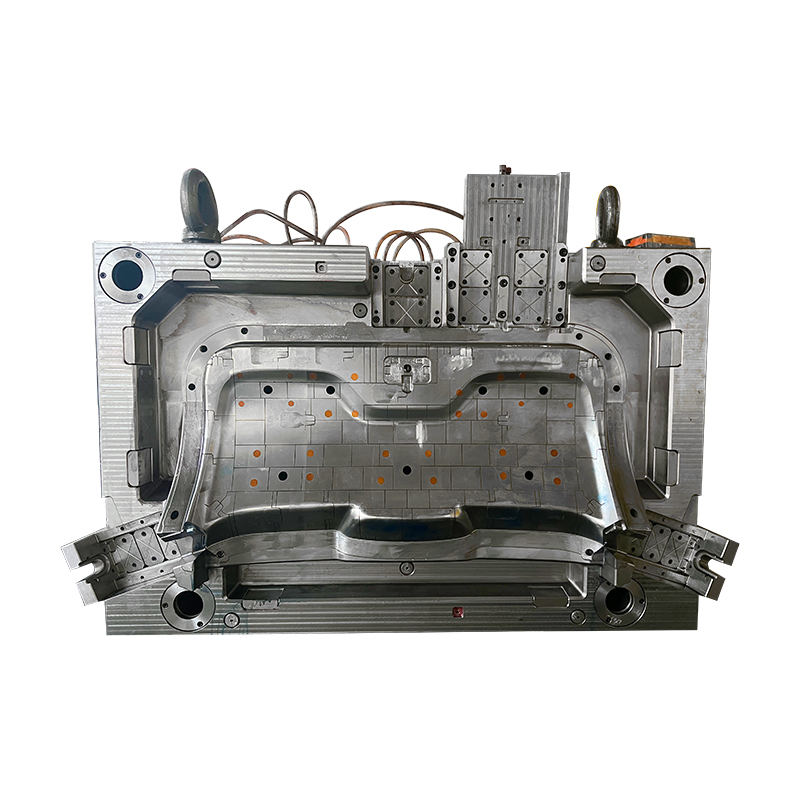
The mold is the foundation of any SMC project. SMC molds are typically produced from hardened steel or aluminum, depending on production volume and part complexity.
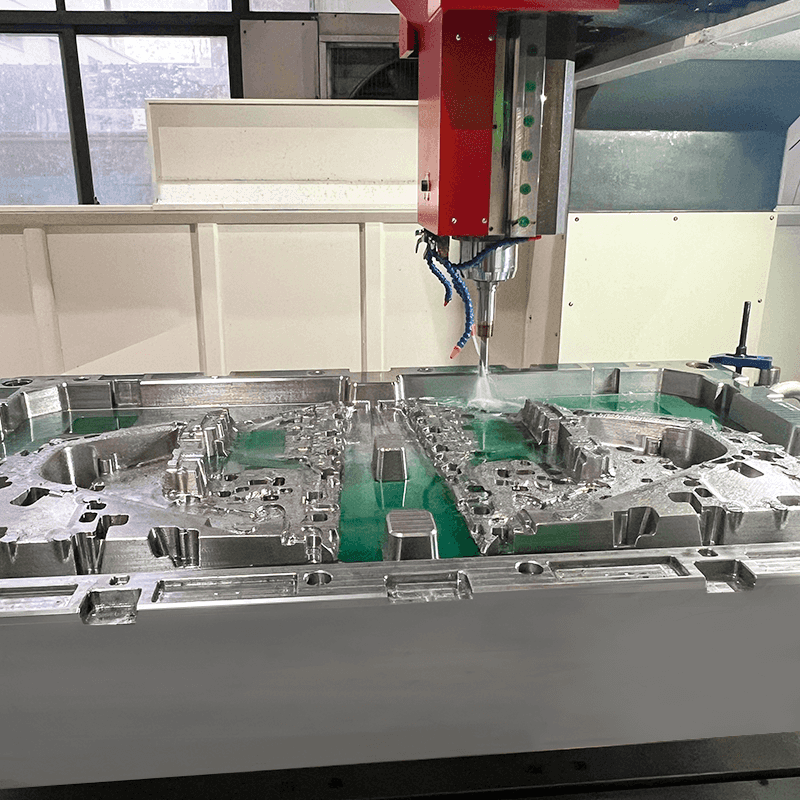
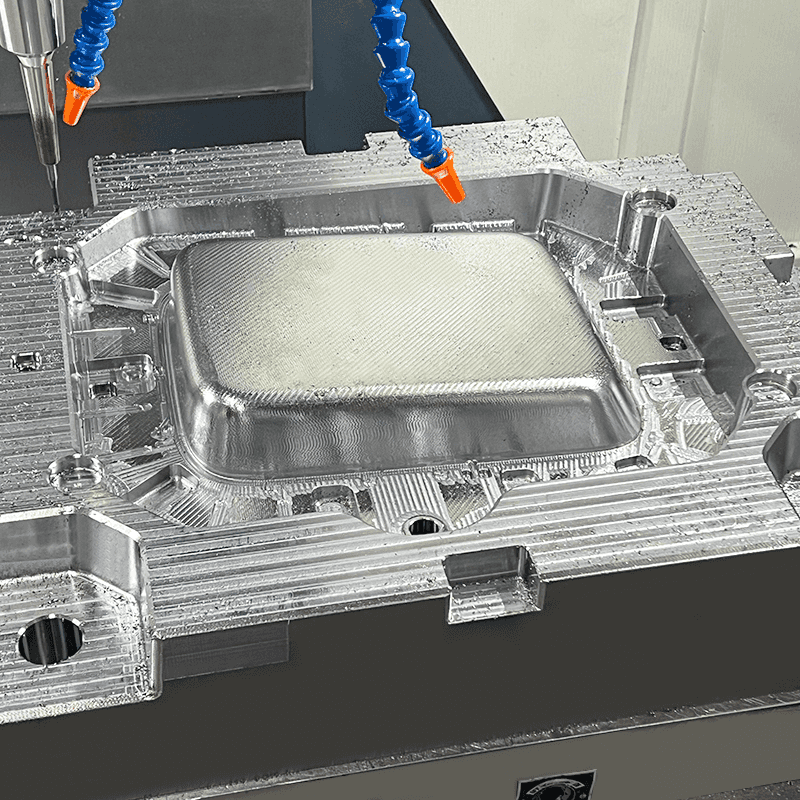
Precision machining determines cavity accuracy, surface texture, and parting line alignment. During compression molding, the SMC sheet is placed into the cavity, and heat activates the thermosetting resin. Pressure forces the material to fill the mold, shaping every detail.
A reliable SMC Product OEM Manufacturer invests heavily in mold engineering because mold precision directly affects surface finish, mechanical strength, and long-term stability. Poor mold alignment or temperature imbalance can result in warpage or inconsistent thickness.
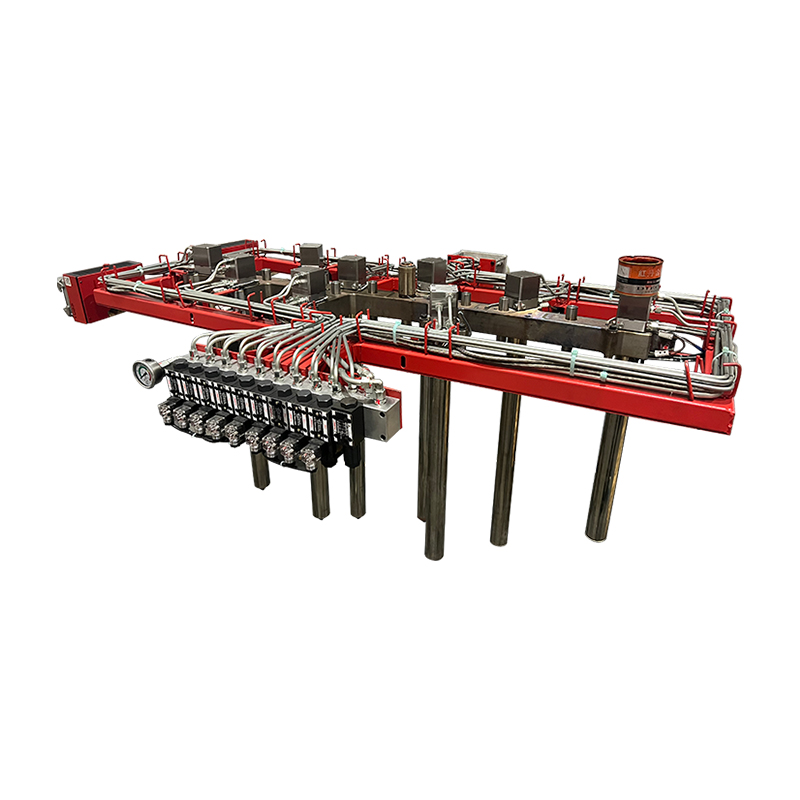
Process stability matters as much as design. Controlled heating cycles and uniform pressure distribution help maintain repeatability across production runs.
The Mold Development Process in SMC Product OEM
Mold development starts with 3D design analysis. Engineers review wall thickness distribution, rib layout, and part geometry to optimize material flow. Simulation tools may be used to predict fiber orientation and pressure distribution.
Tooling production follows precision machining and surface treatment. Trial molding is conducted to adjust pressure curves, temperature settings, and cycle time.
An experienced SMC Product OEM Manufacturer treats mold validation as a structured engineering phase rather than a simple sampling step. This reduces unexpected adjustments during mass production.
Cost Considerations in SMC Product OEM
Tooling investment is an important factor in any OEM project. While mold development requires upfront planning, compression molding supports efficient batch production over time.
Part consolidation often reduces assembly labor and secondary processing. Integrated ribs and mounting points molded directly into the component reduce the need for additional hardware.
Material efficiency is also stable once sheet size and charge pattern are optimized. Controlled process parameters minimize scrap rates and maintain consistent output.
Clear communication of part function, mechanical requirements, and dimensional tolerances helps streamline early development. Sharing CAD files and application details allows engineers to review feasibility and suggest structural adjustments before tooling begins.
Early design collaboration reduces later modifications. Discussions about expected production volume guide decisions on mold material and cavity configuration.
SMC Product OEM projects succeed when engineering and manufacturing teams work in coordination from design through mass production. With stable compression molding processes and well-designed tooling, composite components can achieve consistent performance across industrial applications.