ENG
ENG  English
 Español
 Português
 عربى
عربى 中文简体
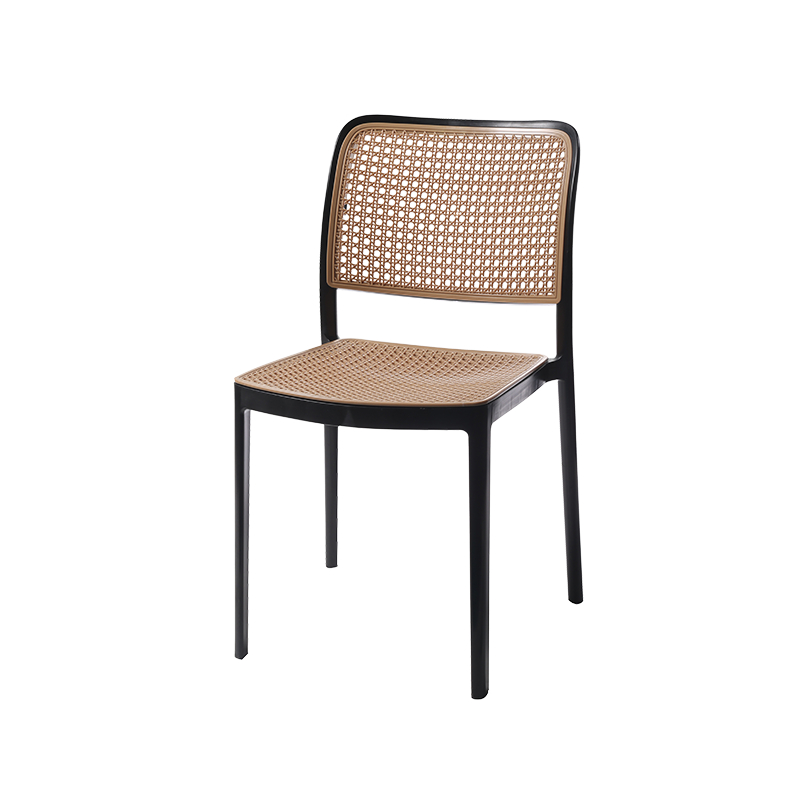
中文简体Plastic seating remains a core product line in many factories. From household dining chairs to outdoor cafe seating, production volume and structural reliability both depend heavily on mould quality. A well-designed Chair Mold influences not only the appearance of the chair, but also its strength, cycle time, and long-term consistency.
Factories producing plastic chairs, stools, or silicone-based furniture often face similar challenges: surface defects, uneven wall thickness, deformation after cooling, or unstable cycle times. Many of these issues originate fromthe mould structure rather than the raw material selection.
Materials Used in Chair Mould Construction
Mould material selection directly affects durability and maintenance frequency.
Common options include:
- Pre-hardened steel for mid-volume production
- Hardened tool steel for long production runs.
- Aluminium for lightweight mould structures with faster heat transfer
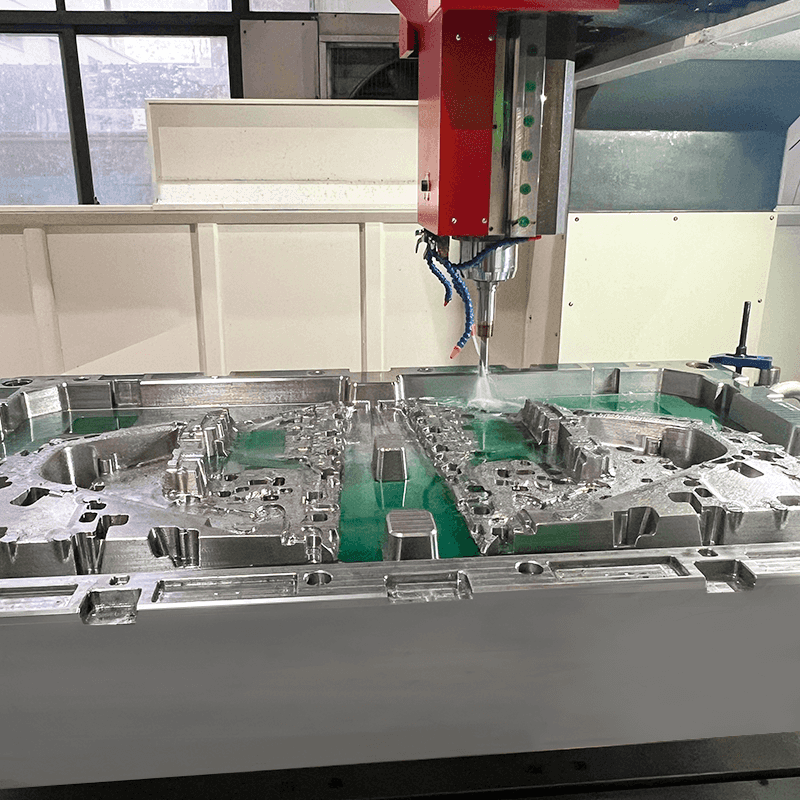
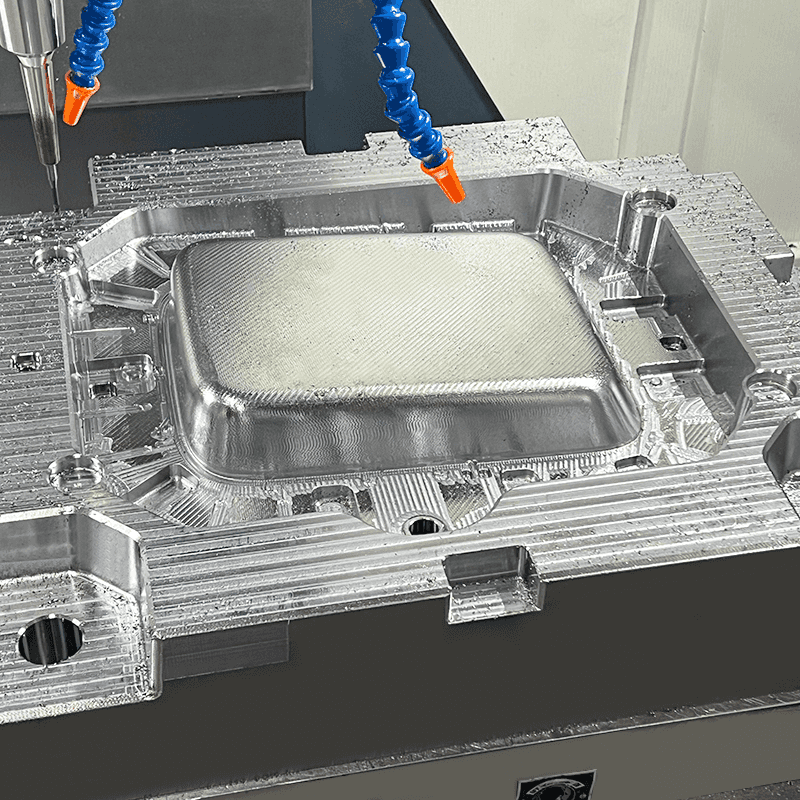
High-quality steel combined with proper surface treatment reduces cavity wear and maintains texture detail. When manufacturing plastic chairs with textured finishes or matte surfaces, the accuracy of mould polishing and etching also matters.
How Cooling System Design Influences Output
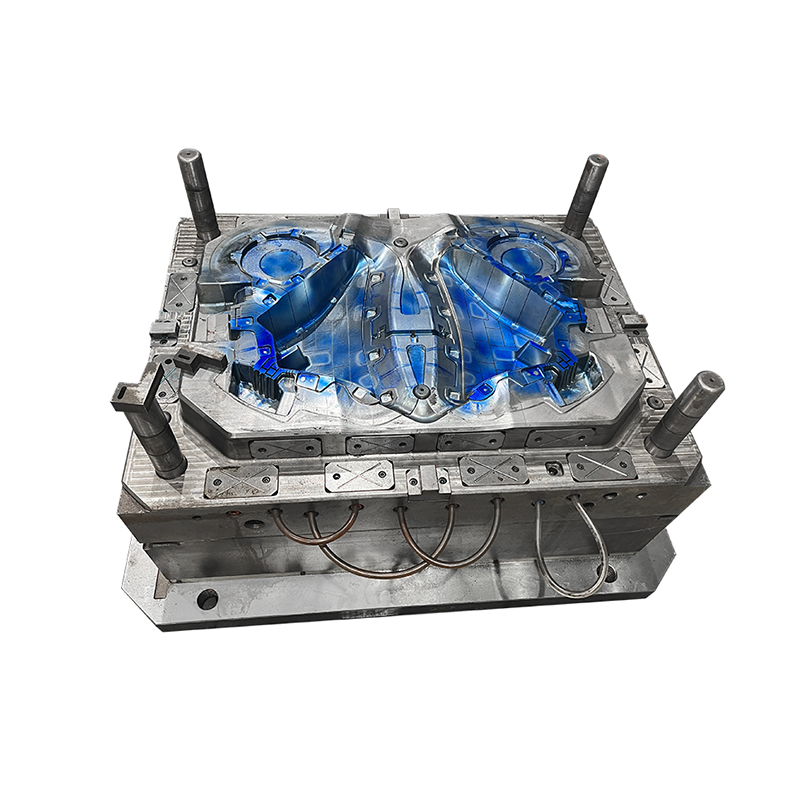
Cooling channels inside the mould remove heat from molten plastic after injection. Their layout determines cycle time stability.
For large plastic chairs, especially those with wide seats and thick leg bases, cooling must be evenly distributed. Uneven temperature control can cause differences in shrinkage between sections.
Optimised cooling systems help:
- Shorten production cycles
- Reduce internal stress
- Improve dimensional stability
This is one reason factories review mould drawings carefully before production begins.
Customisation Capabilities of a Chair Mould
Modern seating markets require more than standard designs. Armrests, ergonomic back curves, stackable structures, aand customisedtextures are often requested.
A flexible Chair Mould design allows:
- Replaceable inserts for logo changes
- Interchangeable components for size variations
- Colour flexibility during injection
Instead of developing a completely new mould for each minor variation, modular mould structures allow adjustments withouta large investment.
This approach is commonly applied in stool moulds as well. Plastic stool moulds often include stackable features and reinforced foot areas, which demand precise cavity engineering.
Production Efficiency and Structural Stability
Production efficiency is not only about cycle speed. Stability across long runs is equally important. A mould operating continuously must resist wear and maintain alignment.
High-precision machining, proper venting, and balanced runner systems contribute to stable injection flow. Over time, a well-built mould reduces downtime related to flashing or misalignment.
Working with a capable Chair Mould Manufacturer helps factories maintain consistent daily output while reducing maintenance interruptions.
Expanding Beyond Plastic Chairs: Stools and Silicone Tables
Chair moulding technology also applies to plastic stools. Stool moulds require compact cavity structures while maintaining load-bearing strength. Stackable stool design depends on accurate dimension control.
In addition, silicone table moulds represent a different category of moulding application. Unlike rigid steel injection moulds, silicone mould systems allow creative surface textures and flexible shaping.
Silicone table production involves pouring liquid silicone into prepared cavities, followed by curing. This process supports decorative patterns, transparency variations, and embedded textures.
Although manufacturing methods differ, precision in mould design remains central to product consistency.
Long-Term Value of Professional Chair Mould Development
Furniture production depends on repeatability. A carefully engineered mould supports stable output over extended periods. Instead of adjusting injection parameters repeatedly, production teams can rely on mould precision.
Plastic chairs, stools, and silicone tables all demonstrate how mould design shapes product reliability. Structural ribs, ergonomic contours, stackability, and surface finishes originate inside the mould cavity.
For factories aiming to maintain consistent seating production, attention to mould design, material selection, and cooling layout provides measurable operational stability.
A well-developed Chair Mould becomes more than a tool. It becomes the structural foundation of efficient furniture manufacturing.