ENG
ENG  English
 Español
 Português
 عربى
عربى 中文简体
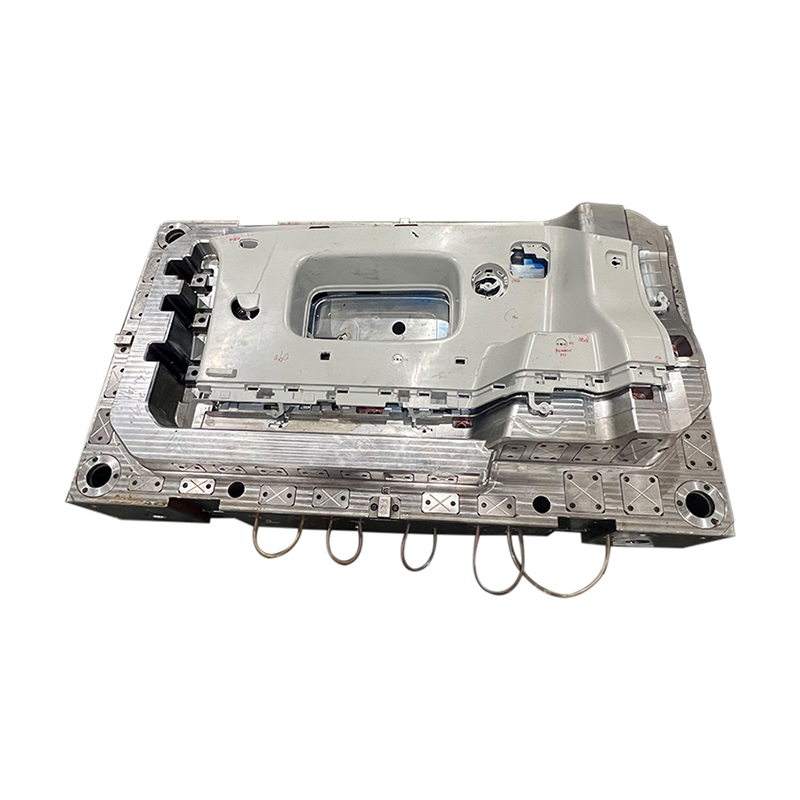
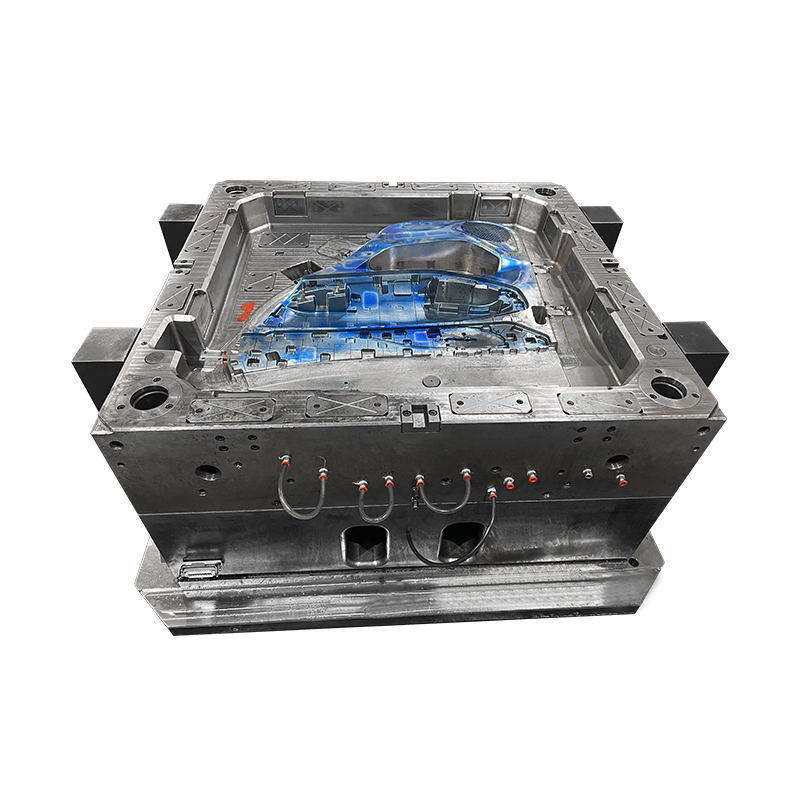
中文简体Prepreg Mould is commonly used in projects that require controlled structure and predictable material behavior. Pre-impregnated fibers combine reinforcement and resin before forming, which changes how the material behaves inside the mold. Instead of relying on resin flow during molding, the material already contains a balanced resin content when it enters the cavity.
This approach supports parts that need lower weight with stable mechanical performance. In sectors such as aerospace components and automotive structural parts, weight reduction often needs to be balanced with stiffness and repeatability. A Prepreg Mould supports that balance by guiding fibers into position while heat and pressure activate curing.
Another reason this tooling approach is selected is dimensional control. Because the resin content is consistent across the material, shrink variation is easier to manage during forming. This supports tighter tolerances without frequent adjustment during production.
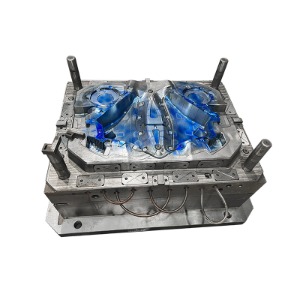
How Prepreg Mould Handles Surface and Geometry Requirements
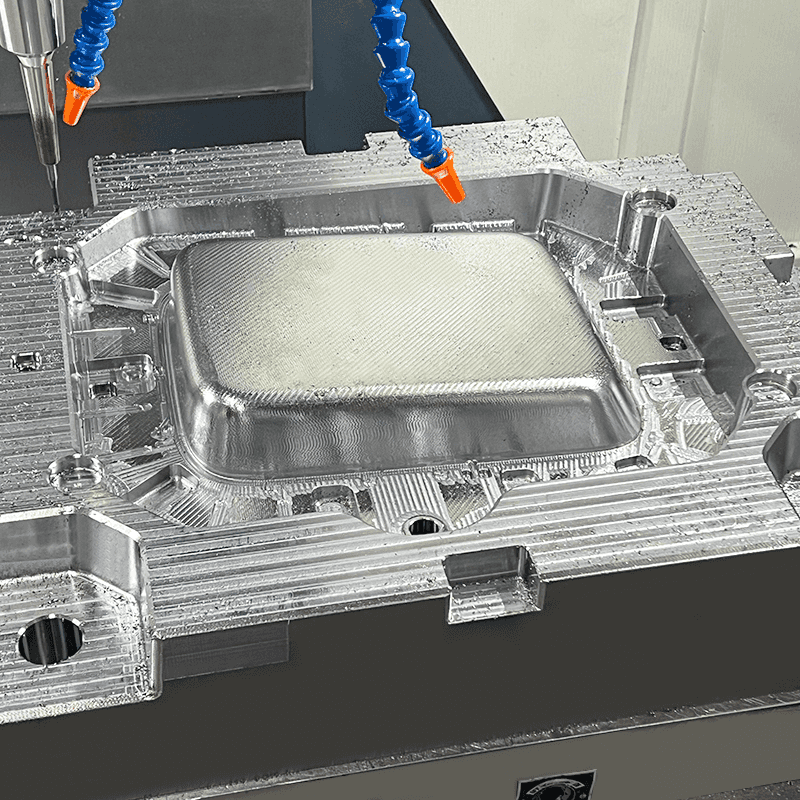
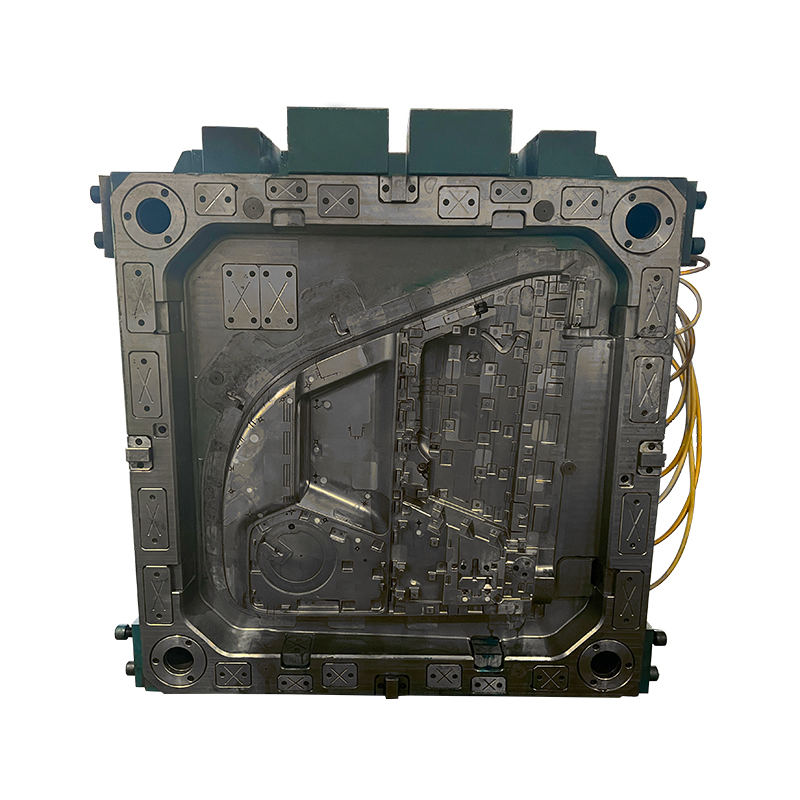
Surface appearance is a recurring topic in composite production. Prepreg materials are designed to follow mold surfaces closely during layup and curing. This allows a Prepreg Mould to transfer cavity detail directly to the part surface, supporting smooth finishes that reduce follow-up operations.
Geometry flexibility is another area where this tooling method stands out. Fibers can be cut, layered, and oriented to match part contours before curing begins. This makes it easier to form ribs, curves, and transitions that would be difficult with other composite processes.
From a process standpoint, mold surface preparation and temperature balance play a key role. Even heat distribution across the mold helps the resin flow evenly within the fiber layers. This reduces variation across different areas of the same part and supports consistent visual and structural results.
Material Control Compared with ABS Injection Approaches
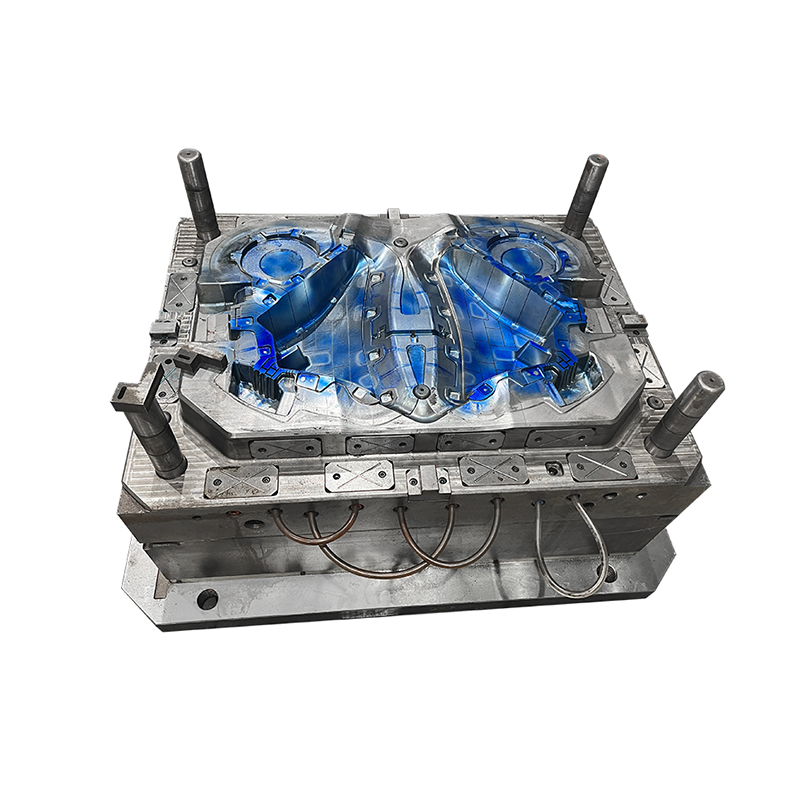
In discussions about tooling options, Prepreg Mould is often compared with ABS injection molds. While both aim for repeatable output, the material behavior is very different. ABS relies on molten plastic flowing into cavities under pressure, while prepreg relies on controlled curing of fiber-resin layers.
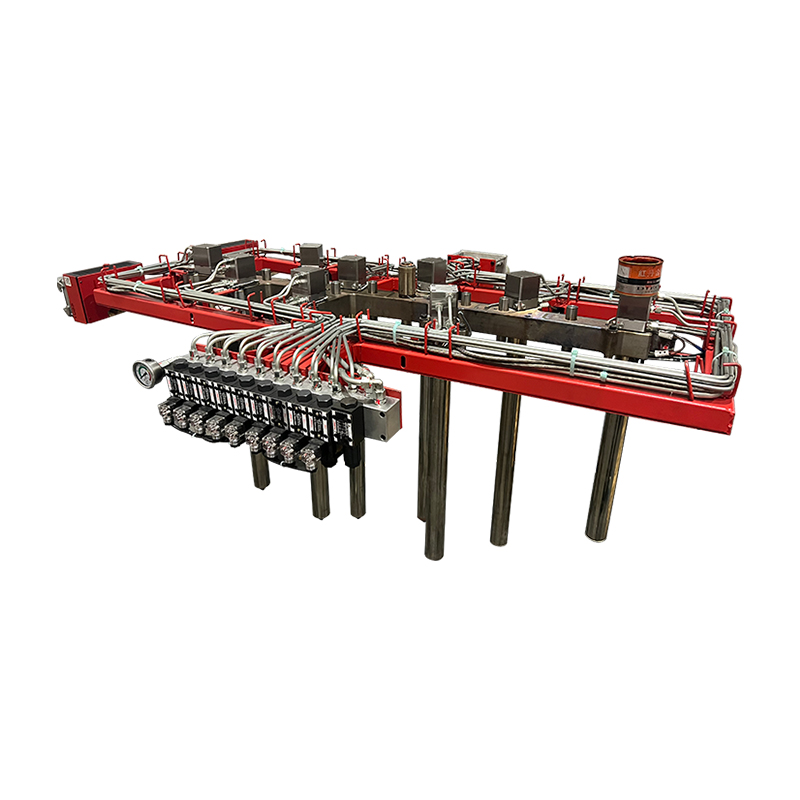
ABS injection is commonly associated with higher output speed and color or texture flexibility. Prepreg tooling focuses more on fiber orientation, layer stacking, and curing rhythm. These differences affect mold design choices such as venting, heating channels, and surface finish treatment.
For projects where structure and stiffness matter more than cycle speed, prepreg tooling often becomes part of early design planning. Understanding how these processes differ helps teams align product expectations with tooling capability.
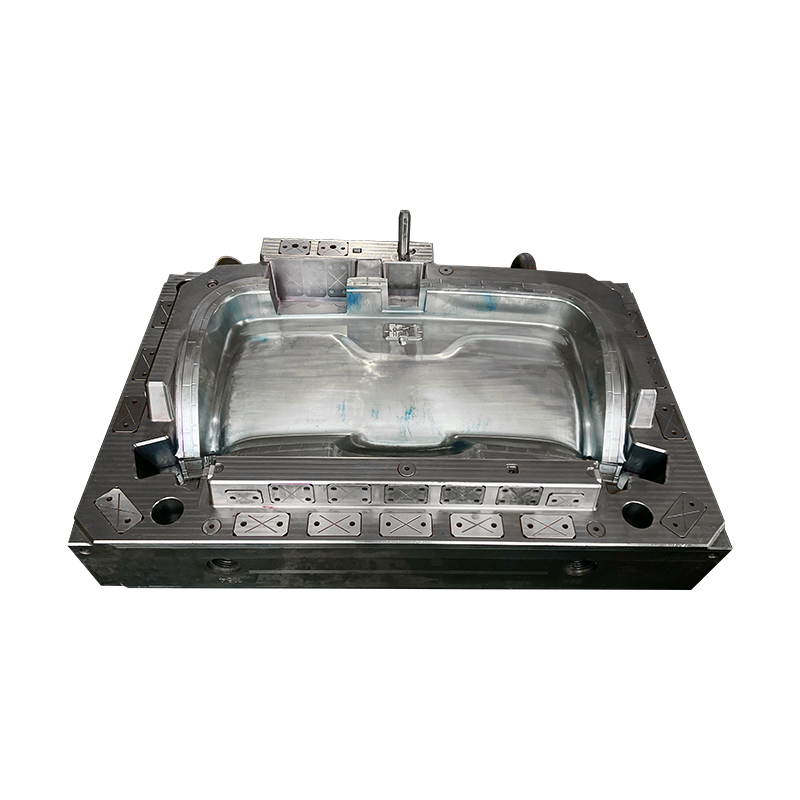
How Prepreg Mould Manufacturers Support Process Stability
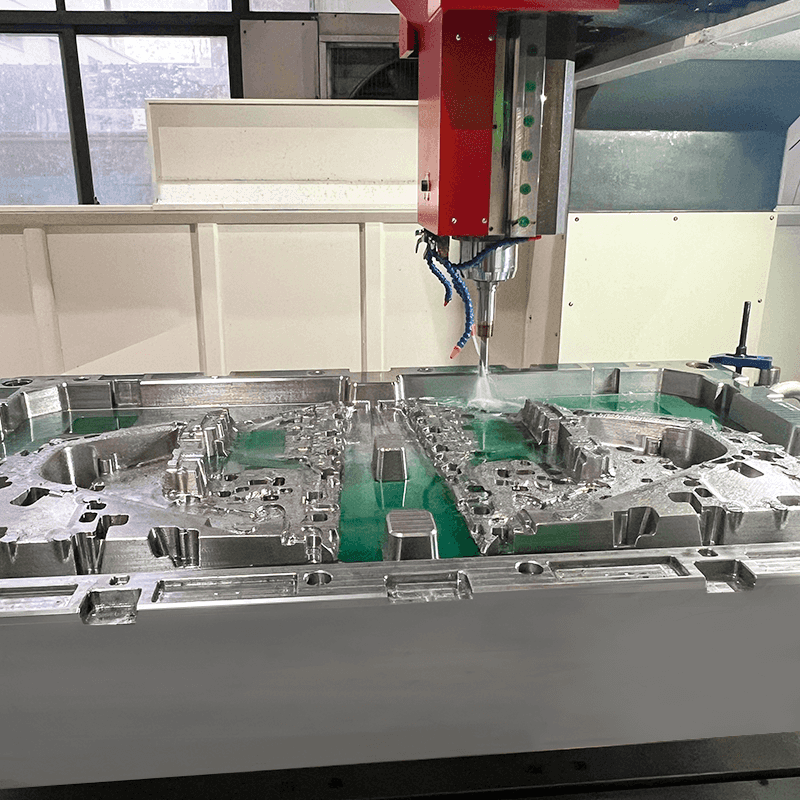
Prepreg Mould Manufacturers often contribute beyond machining the tool. Early-stage support usually includes discussions around fiber type, resin system, and layup sequence. These factors influence how the material behaves during forming and how the final part performs.
During trial runs, manufacturers may adjust temperature profiles and pressure settings to match real material response. Recording this process data helps maintain consistency across later production batches. Over time, this information becomes part of the production reference rather than a one-time setup.
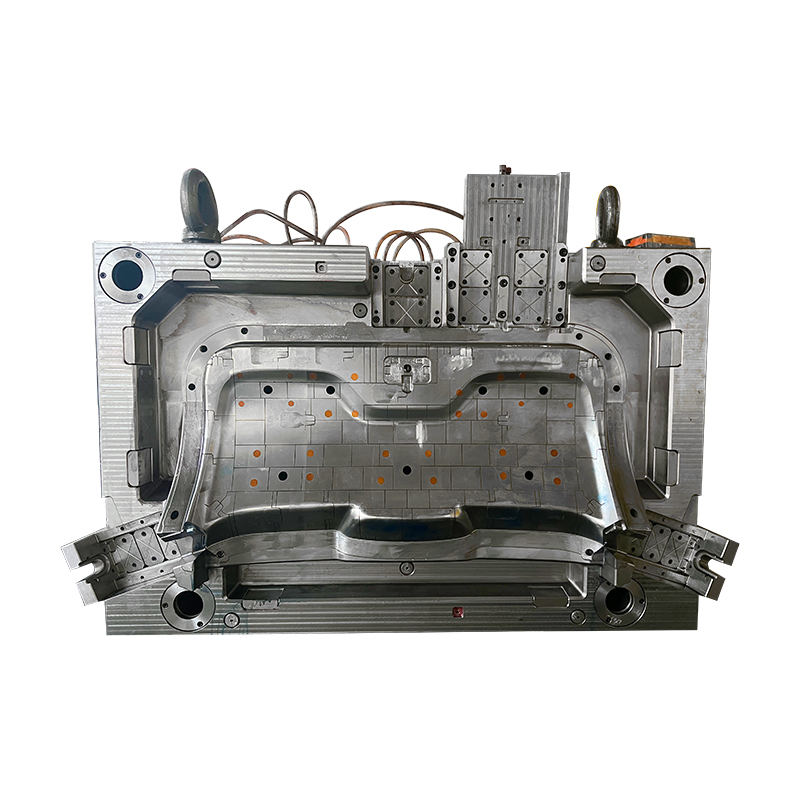
Design collaboration also matters. Prepreg Mould Manufacturers with CAD and CAM capability can translate part geometry into tooling features that support smooth layup and demolding. This reduces friction between design intent and shop-floor execution.
Long-Term Value of Prepreg Mould in Production Planning
A Prepreg Mould is often treated as a long-term production asset rather than a short-term project tool. With proper maintenance and controlled process parameters, the same mold can support repeated runs with predictable output.
Environmental considerations also play a role. Controlled resin content minimizes material waste during forming, aligning with manufacturing practices that prioritize efficiency and resource conservation. Less excess material also simplifies handling and cleanup during production.
In daily operations, Prepreg Mould Manufacturers focus on maintaining stable tooling performance rather than chasing short-term output gains. This approach supports steady production planning and clearer communication between engineering and manufacturing teams.