ENG
ENG  English
 Español
 Português
 عربى
عربى 中文简体
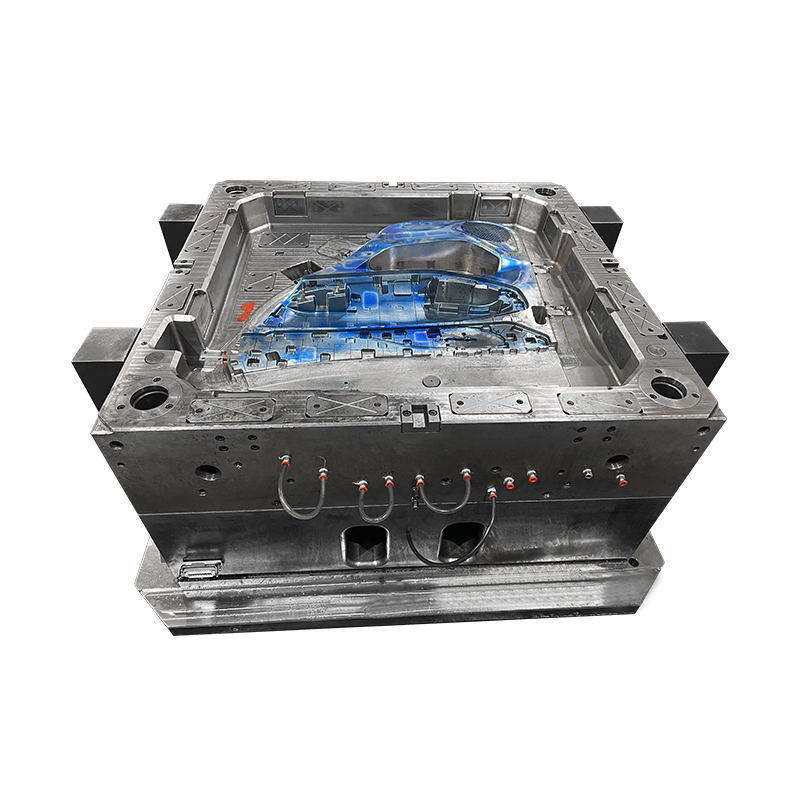
中文简体SMC Mould plays a central role in shaping Sheet Molding Compound parts used across industrial sectors. SMC material combines thermosetting resin, glass fibers, and fillers, creating a balance between structural strength and mold flow. During production, pre-cut SMC sheets are placed into a heated mold cavity and compressed under controlled pressure. This process allows the material to flow evenly and fill complex cavities.
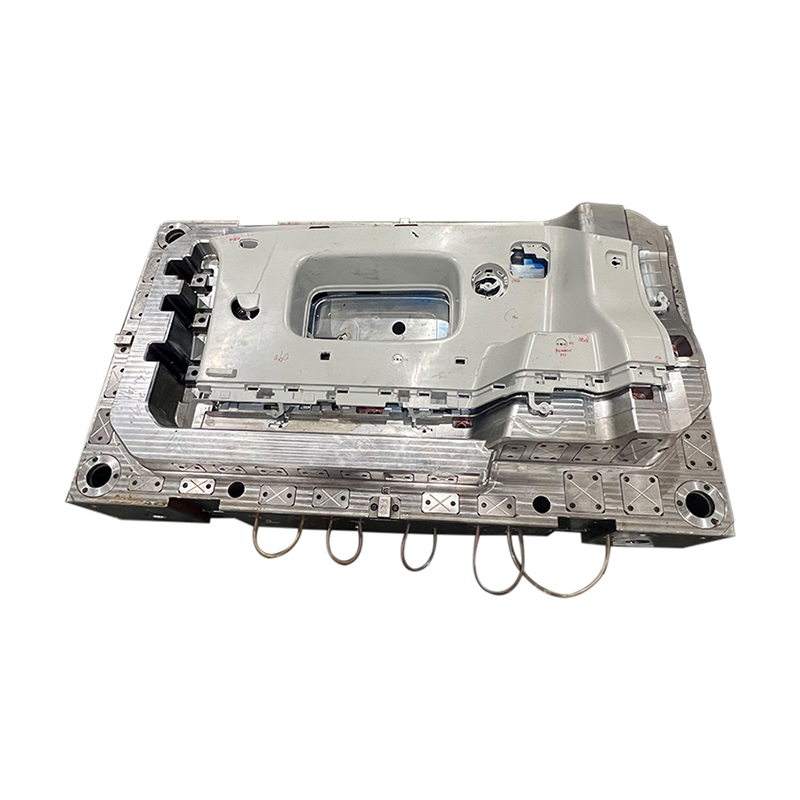
From a manufacturing perspective, SMC Mould is often selected for parts that need consistent dimensions and repeatable structure. Automotive panels, electrical housings, and equipment covers benefit from this approach because the molded parts hold their shape well after curing. The compression process also supports integrated ribs, bosses, and mounting features without secondary bonding.
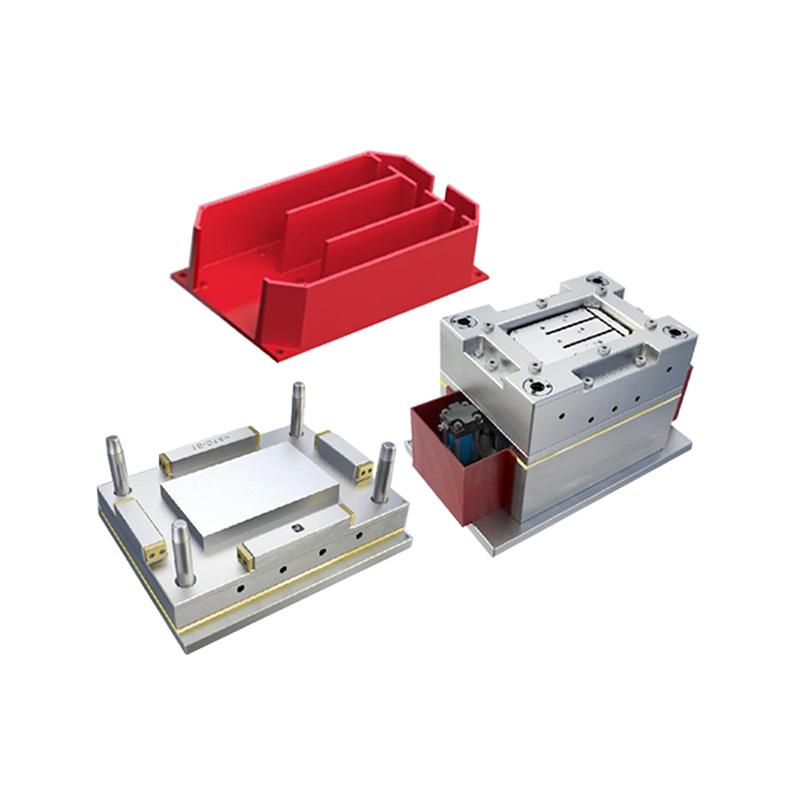
How SMC Mould Design Supports Complex Geometry
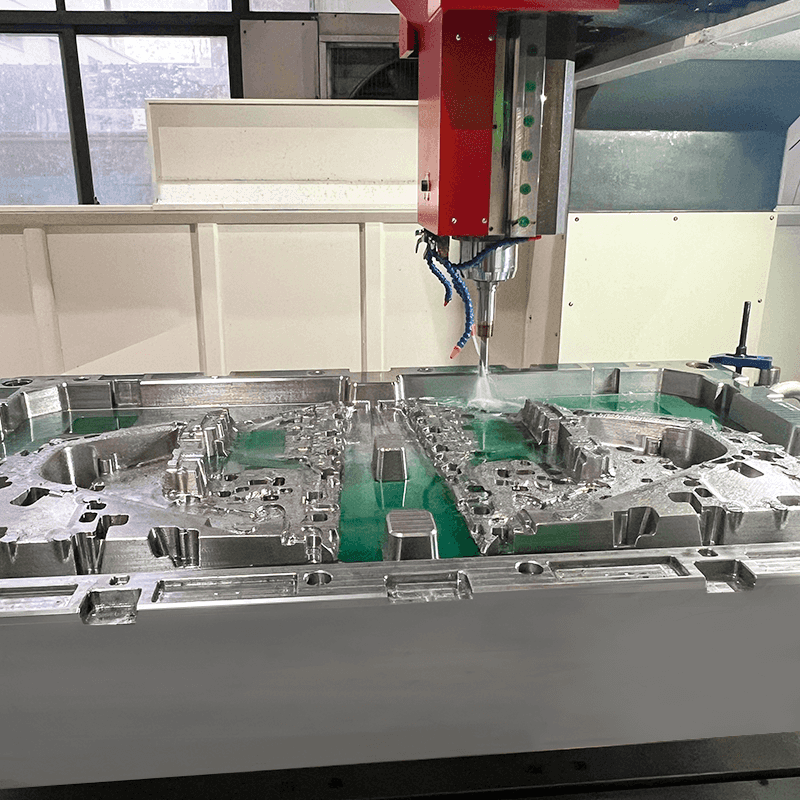
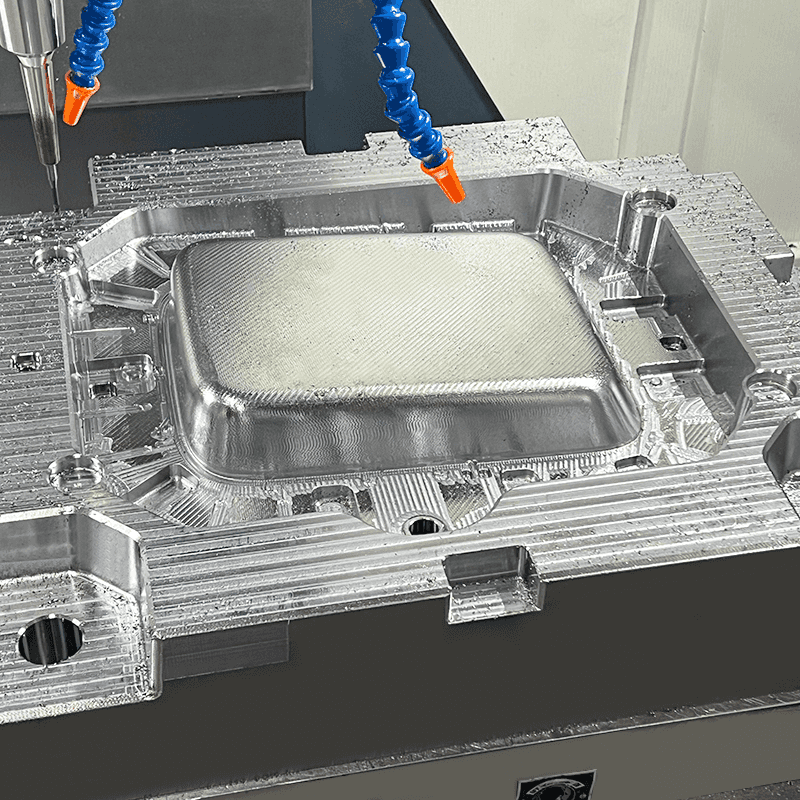
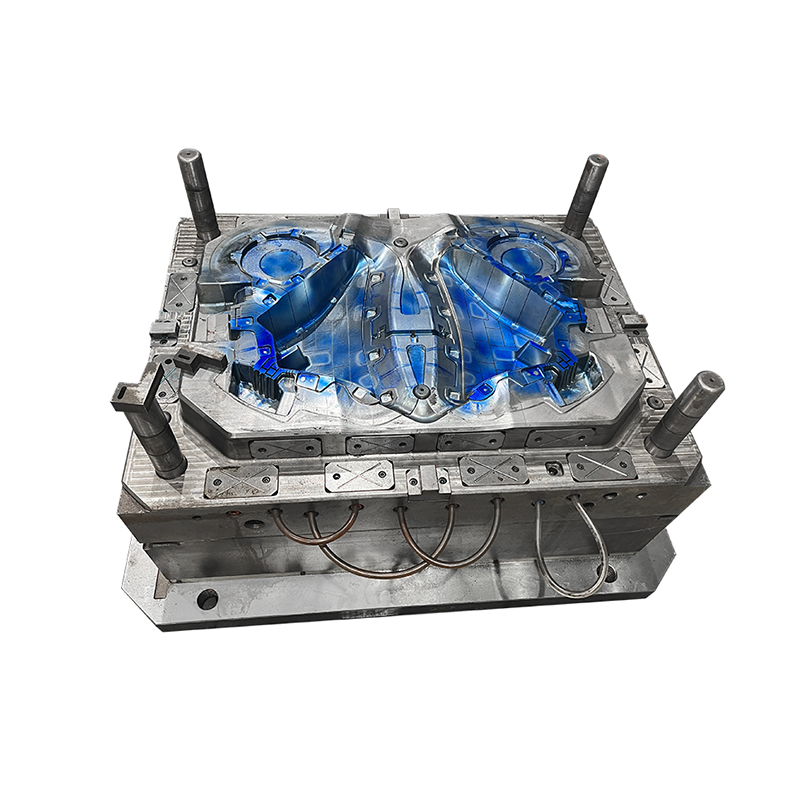
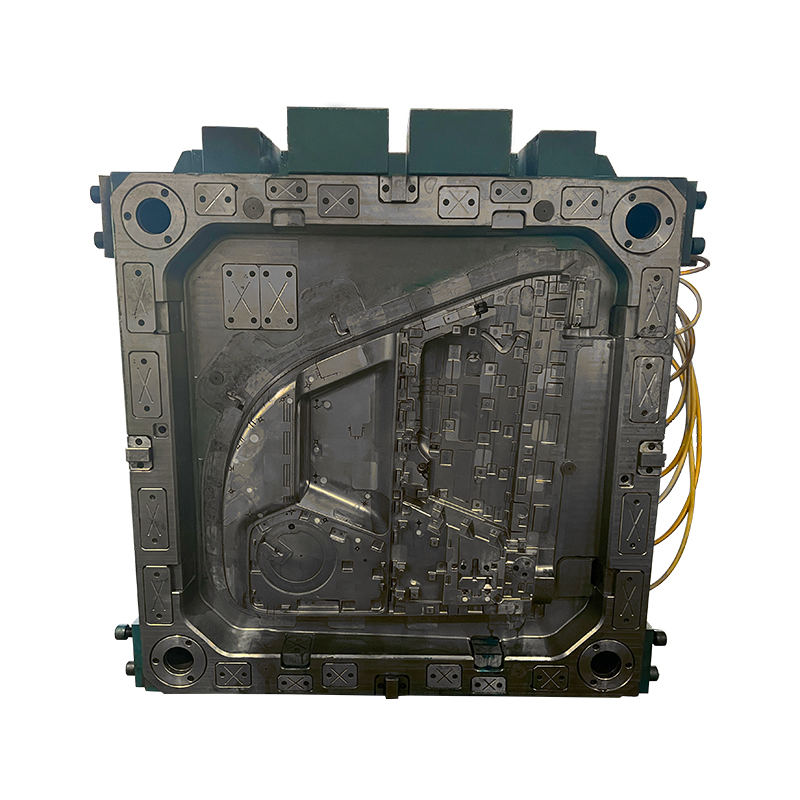
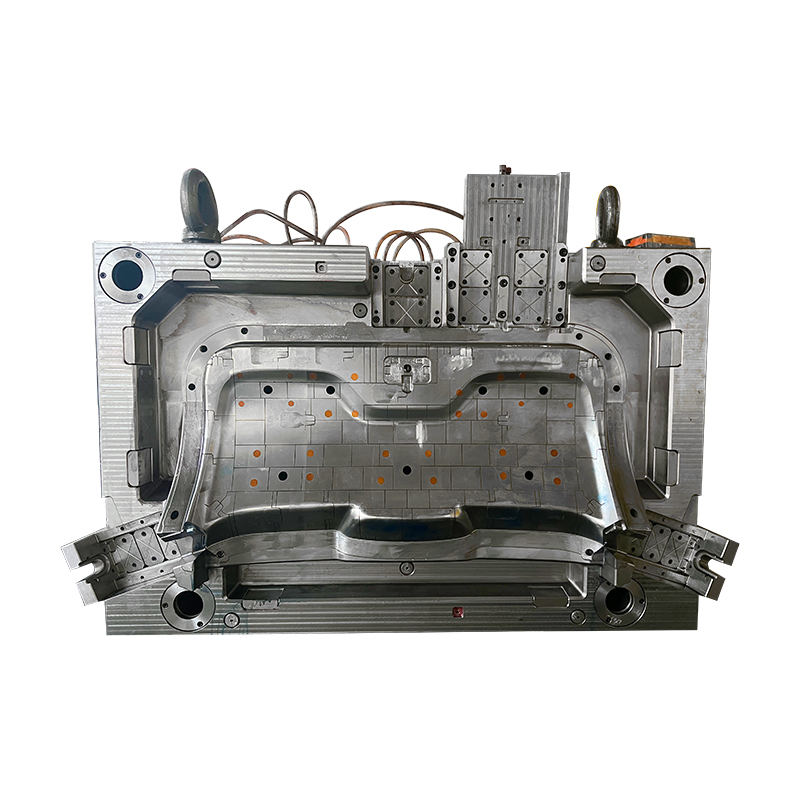
SMC Mould design focuses heavily on cavity layout, venting, and heating balance. Since SMC material flows under pressure rather than injection speed, the mold must guide the material smoothly into detailed areas. Poor venting or uneven heating can cause flow hesitation, which affects surface quality and internal structure.
Tooling materials such as hardened steel or aluminum alloys are selected based on expected production volume and part size. These materials allow the mold to tolerate repeated heating cycles while maintaining dimensional accuracy. In daily production, stable mold temperature helps the resin cure evenly, supporting predictable part release.
Compared with bulk molding approaches, SMC Mould is commonly associated with larger surface areas and flatter geometries. This makes it suitable for panels and covers where visual consistency matters alongside structural requirements.
SMC Mould and BMC Mould Process Differences
Understanding how SMC Mould differs from BMC tooling helps clarify process expectations. SMC material is supplied in sheet form with fibers already impregnated, while BMC arrives as a bulk compound with shorter fibers. This difference influences how molds are built and used.
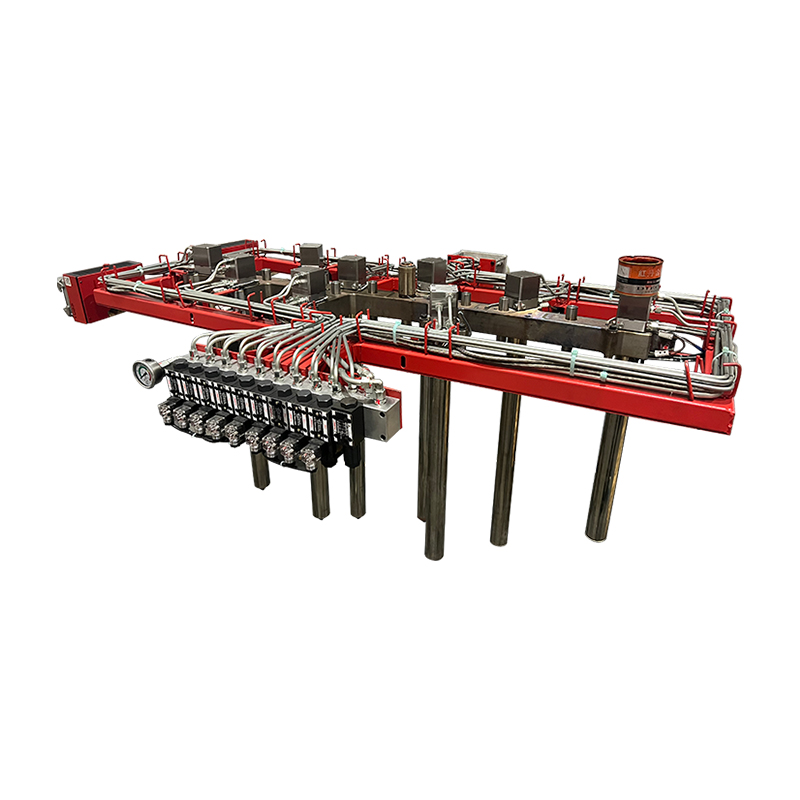
SMC Mould is typically designed for compression molding with wider cavities and controlled material spread. Heating systems and pressure zones are tuned to allow sheet material to soften and flow before curing. BMC molds, by comparison, may support both compression and injection processes and focus more on flow channels.
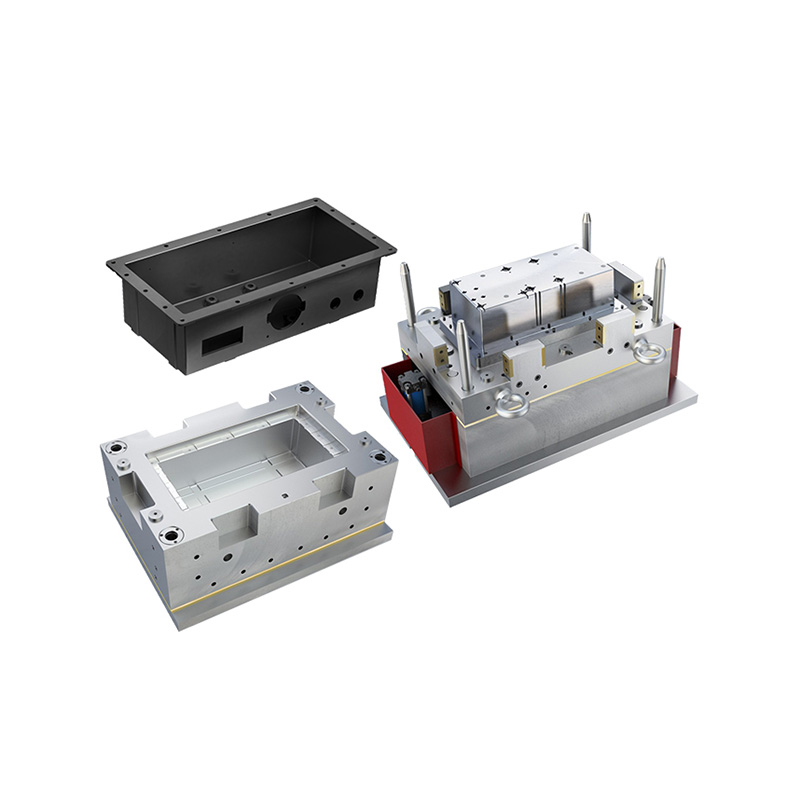
In practical production planning, SMC Mould is often linked to larger parts with integrated features, while BMC tooling is associated with more compact components that require intricate detail. Knowing this distinction helps manufacturers align tooling choice with product geometry and output rhythm.
How SMC Mould Manufacturers Support Stable Production
SMC Mould Manufacturers contribute not only by machining the tool but also by supporting process setup and early trials. Heating profiles, pressure settings, and material placement patterns are adjusted during initial runs to match real production conditions.
In OEM projects, manufacturers often record process data such as cure time and demolding behavior. This information supports repeatable output across batches and simplifies future adjustments when part design evolves. For long-term programs, maintaining tooling history becomes part of production planning rather than a one-time task.
SMC Mould Manufacturers with in-house engineering teams can align CAD data with mold construction and process behavior. This reduces the gap between design intent and shop-floor reality. Over time, a stable SMC Mould becomes part of a predictable manufacturing system rather than an isolated tool.
In industrial composite production, SMC Mould continues to be valued for its balance of shape freedom, dimensional stability, and process control. When tooling design and process knowledge work together, production stays consistent across changing demand and application needs.