ENG
ENG  English
 Español
 Português
 عربى
عربى 中文简体
中文简体Chair Mold development becomes a practical concern once plastic seating moves from concept sketches to structured production plans. Plastic chairs are widely used in residential, commercial, and outdoor environments, where stable structure, consistent appearance, and repeatable output are expected over long production cycles. Behind each finished chair, the Chair Mold directly affects forming accuracy, surface quality, cycle rhythm, and long-term production planning.
For buyers working with Chair Mold Manufacturers, discussions often center on whether the mold structure matches real manufacturing conditions rather than remaining an idealized drawing. Topics such as cavity balance, material flow, and daily operation feedback tend to shape final decisions. From a factory writing perspective, these questions reflect real production priorities rather than marketing language.
1. How mold structure shapes daily chair production
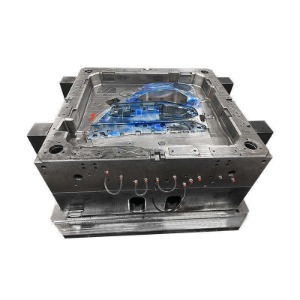
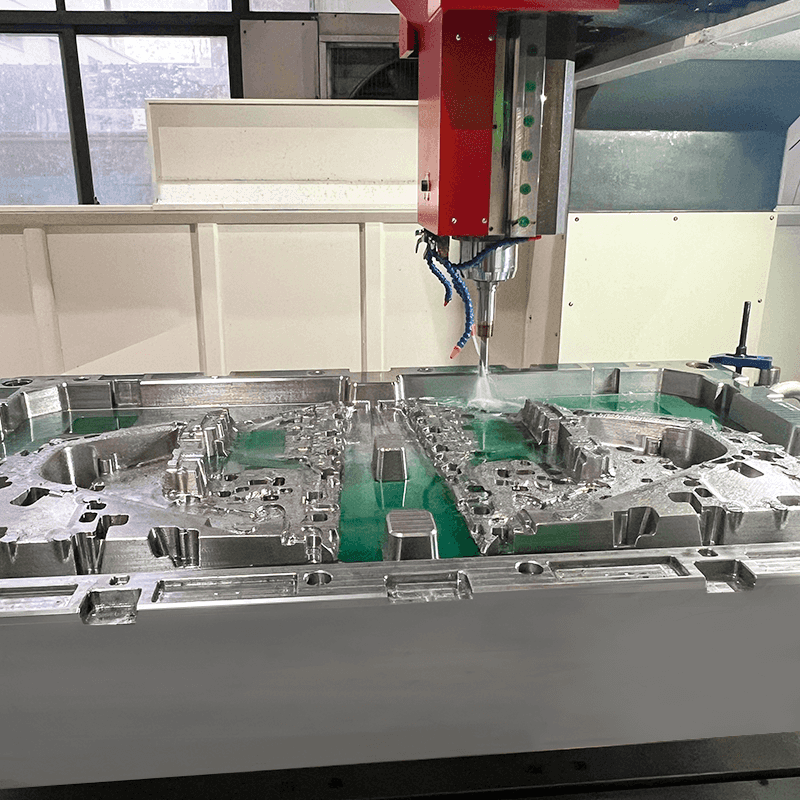
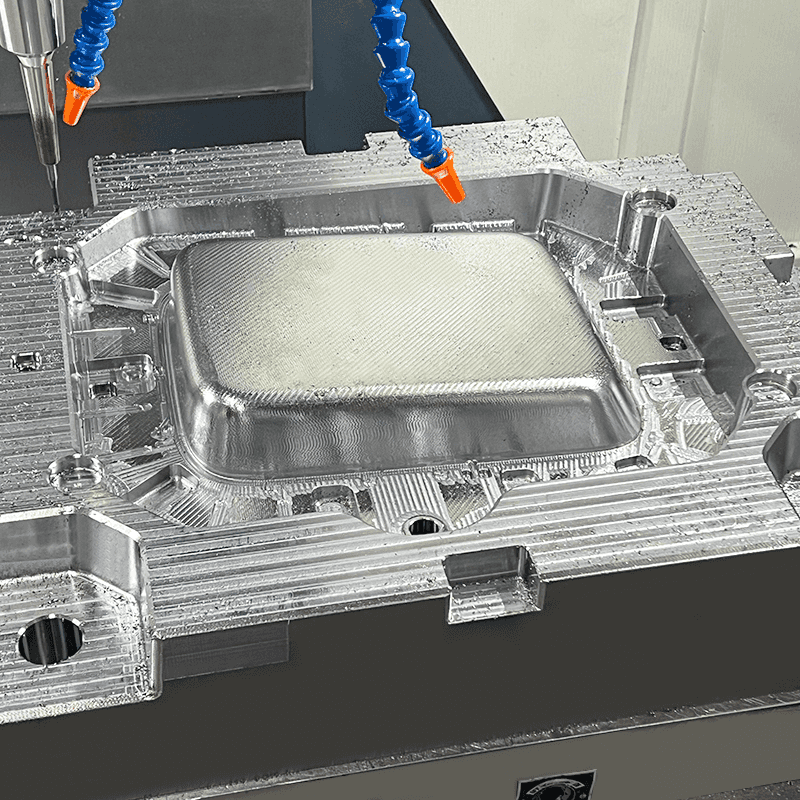
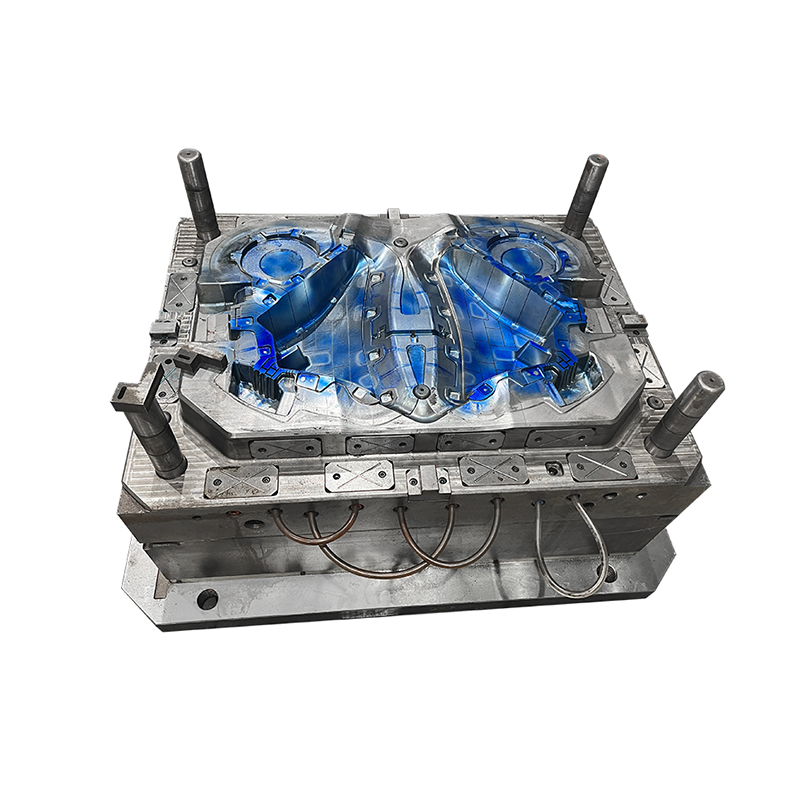
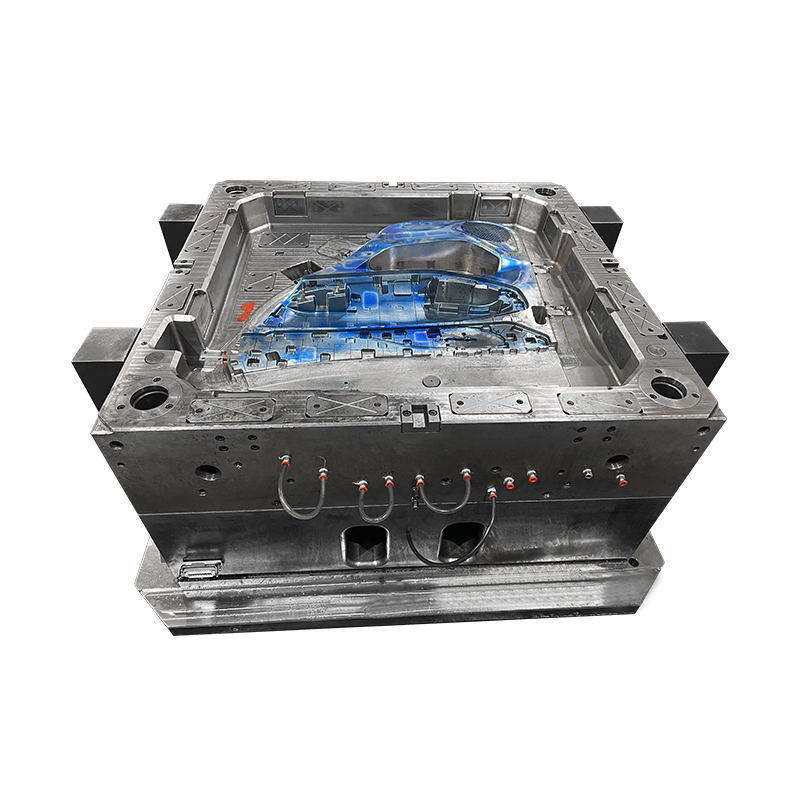
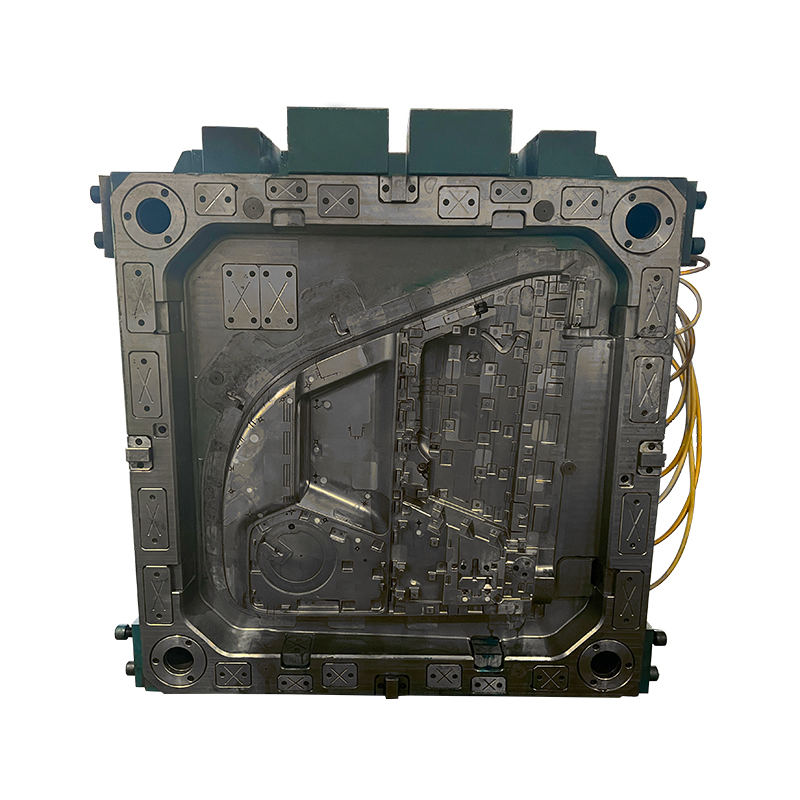
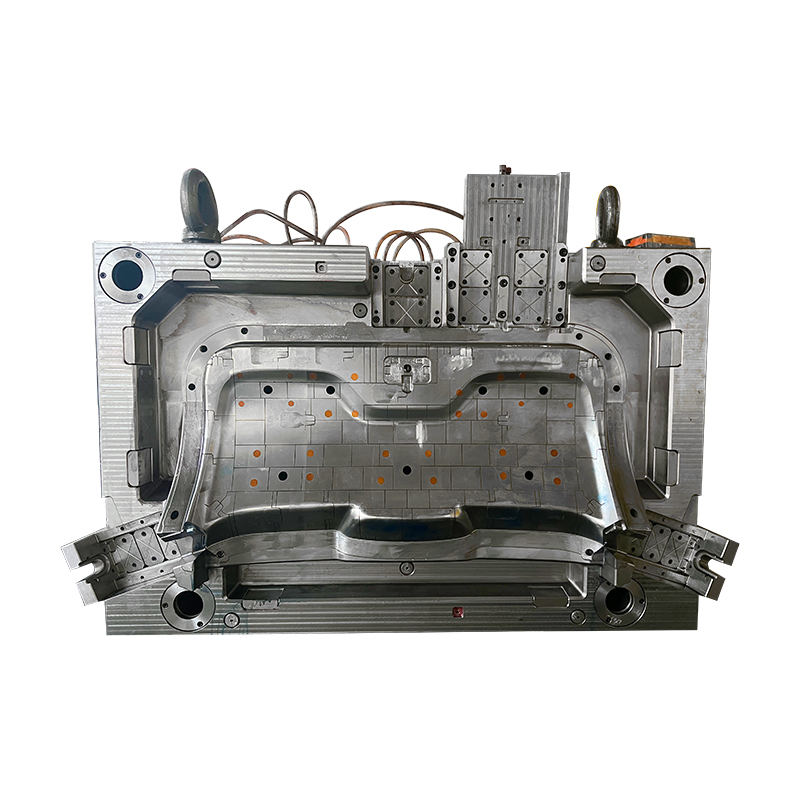
A Chair Mold is typically designed for injection molding processes using plastic materials that must flow evenly and cool in a controlled manner. Cavity layout, runner paths, cooling channels, and venting points influence how the molten plastic fills the mold and forms the chair body.
Poor cooling balance may result in uneven wall thickness or deformation, while limited venting can trap gas and affect surface appearance. For this reason, Chair Mold Manufacturers often refine mold layouts based on production trials, adjusting gate positions and cooling distribution to suit the chair’s geometry.
Factories also consider practical demolding during design. Draft angles, ejector pin locations, and parting lines are reviewed with operators in mind. These adjustments help maintain stable output during long production runs without frequent manual intervention.
2. Why material behavior matters in Chair Mold design
Plastic materials used for chairs must support load-bearing requirements while remaining lightweight. During injection, the material must flow smoothly into thin sections such as legs, backrests, and arm connections. A Chair Mold that does not account for this behavior may show flow marks, weak joints, or inconsistent thickness.
Experienced Chair Mold Manufacturers observe material flow during trial runs and adjust runner size and gate placement accordingly. This approach aligns the mold structure with the plastic’s flow characteristics rather than forcing material into an unsuitable cavity design.
3. Balancing tooling cost and service life
Another common buyer concern is how long a Chair Mold can remain productive before maintenance becomes frequent. Tool steel choice, surface treatment, and cooling channel design all influence wear patterns over time. Chairs are often produced in high volumes, which means mold downtime directly affects delivery schedules.
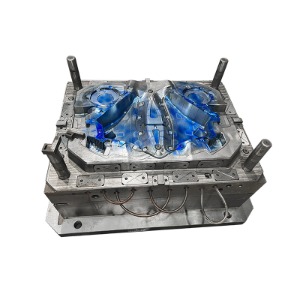
Factories usually discuss expected production volumes early in the project. This allows buyers to understand how tooling choices relate to long-term operation instead of focusing only on upfront mold cost. A balanced approach supports stable production planning and predictable maintenance intervals.
4. Communication during Chair Mold development
Working with Chair Mold Manufacturers involves more than sending drawings and waiting for a finished tool. Clear communication about chair usage scenarios, stacking requirements, surface finish expectations, and assembly conditions helps shape mold design decisions from the start.
Some projects also compare chair molds with molds for stools or other seating products. While structures may appear similar, differences in load distribution and geometry require specific mold adjustments. Understanding these distinctions early helps avoid redesigns later.
A well-developed Chair Mold supports a consistent production rhythm, controlled maintenance planning, and reliable chair quality over time. From a factory viewpoint, successful chair molding projects usually come from early technical discussion, realistic production assumptions, and steady validation rather than rushing directly into tool manufacturing.