ENG
ENG  English
 Español
 Português
 عربى
عربى 中文简体
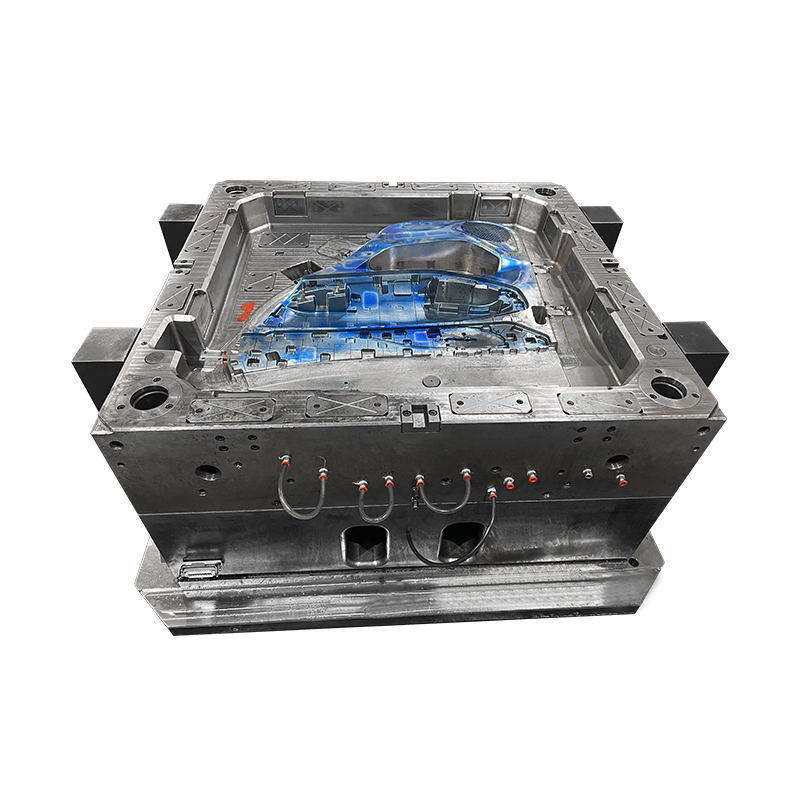
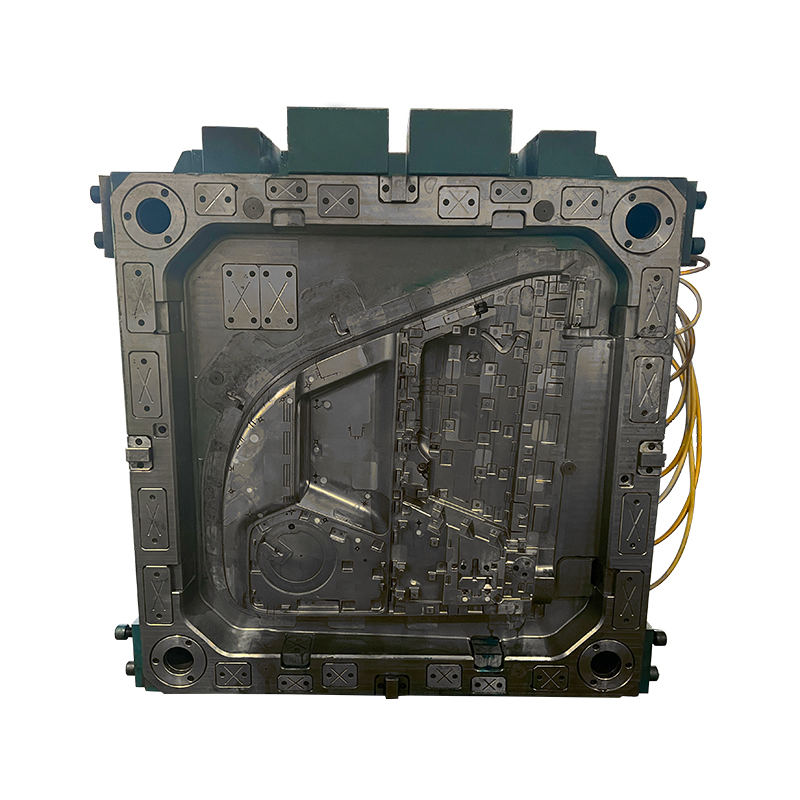
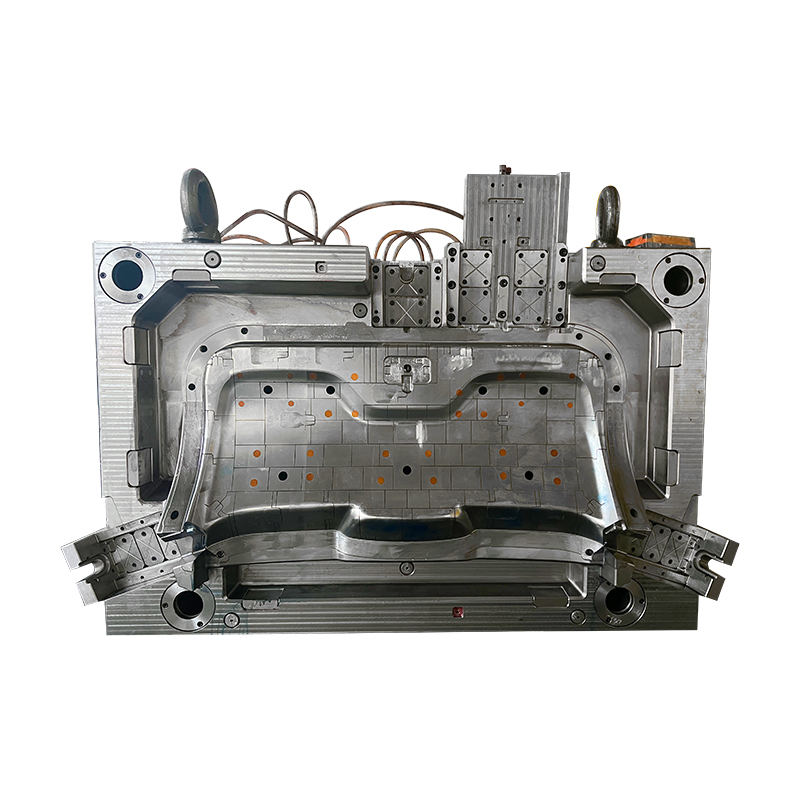
中文简体An SMC Mould plays a key role in the production of composite parts that require structural strength, dimensional stability, and consistent surface quality. In many industrial applications, molded composite parts are expected to do more than just match a drawing. They also need to perform reliably in repeated production and maintain a stable shape after molding.
Why Is SMC Mould Important in Composite Part Manufacturing?
Composite molding can be less forgiving than some standard plastic forming methods. Material placement, cavity design, pressure balance, and curing behavior all influence the final result.
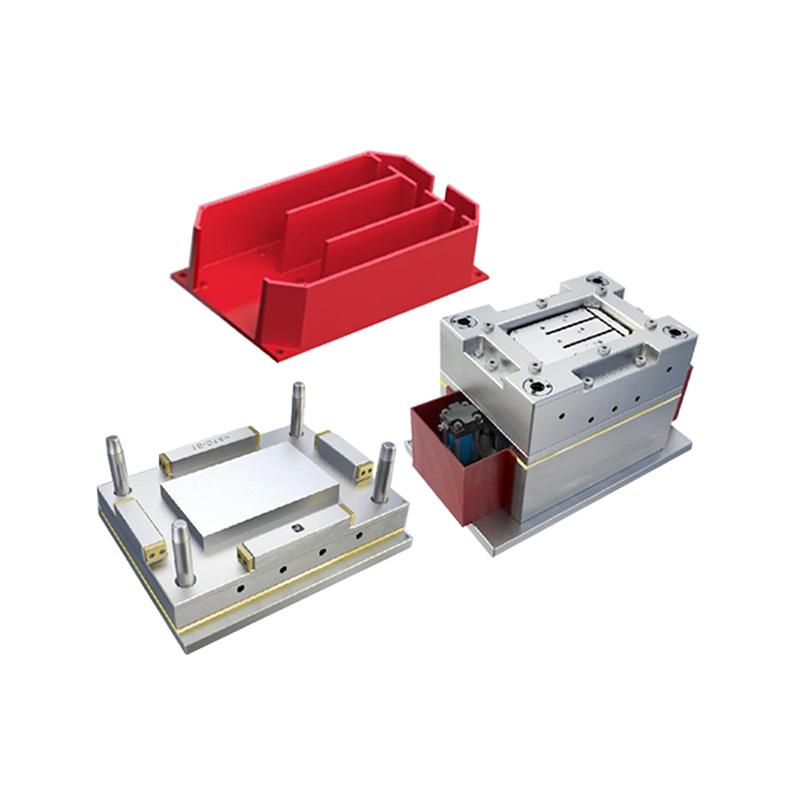
A well-made SMC Mould helps support consistency in several ways.
Part Shape Control
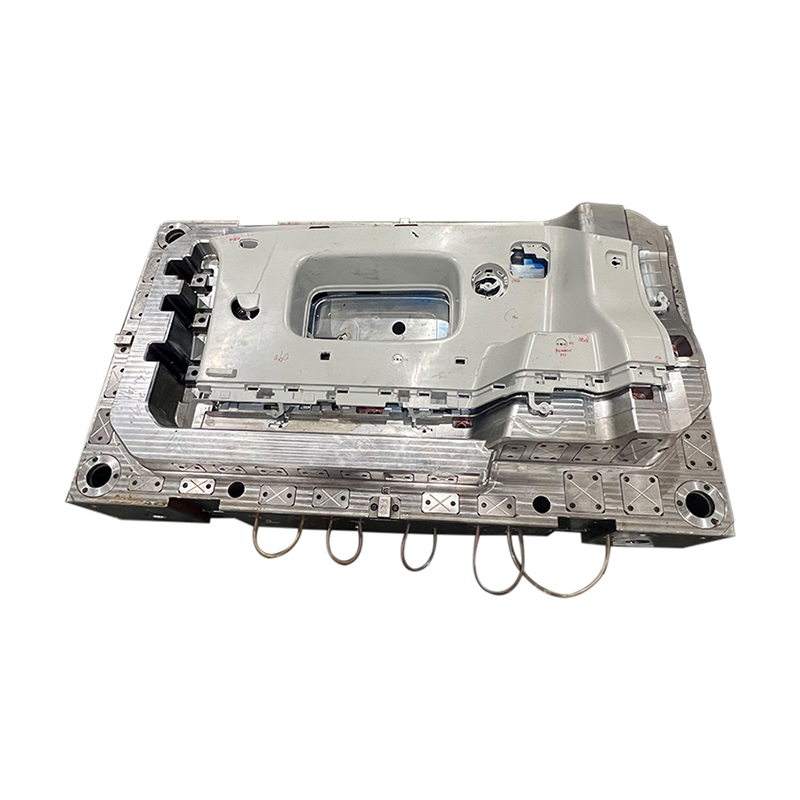
The mold cavity defines the geometry of the finished part. This matters especially for components with ribs, corners, mounting points, or curved surfaces.
Surface Quality
Mold finish and cavity precision affect how the final part looks after molding. Surface issues can increase secondary work and affect product presentation.
Structural Stability
Since SMC parts are often used in industrial or technical applications, stable molding is important for maintaining part form and performance.
Repeatable Production
Once a mold is set up correctly, it can support repeated runs with more predictable output.
For factories producing technical composite parts, these points are not optional details. They directly affect production efficiency and part usability.
What Problems Can Happen During SMC Mould Production?
Even when the raw material is suitable, tooling or process issues can still create problems during molding.
Incomplete Filling
If material flow is not well managed, certain areas of the cavity may not fill properly. This can affect edges, ribs, or deeper structural sections.
Surface Defects
Air entrapment, poor venting, or unstable pressure can create visible marks or uneven surface texture.
Warpage and Shape Variation
Uneven heating or pressure imbalance may affect dimensional stability after demolding.
Trimming and Flash Issues
Poor parting line control or mold wear can create excess material that increases finishing work.
Uneven Curing
If heat distribution is inconsistent, some areas of the part may cure differently than others, affecting final part stability.
These are common pain points in production, and many of them can be reduced through better tooling design and process planning.
What Should Be Considered in SMC Mould Design?
A practical SMC Mould needs to do more than match the product drawing. It also needs to support how the material behaves during the molding cycle.
Mold Material Selection
SMC molds are commonly made from steel or aluminum, depending on production goals, output planning, and part requirements. The selected material needs to handle repeated heat and pressure cycles.
Cavity Precision
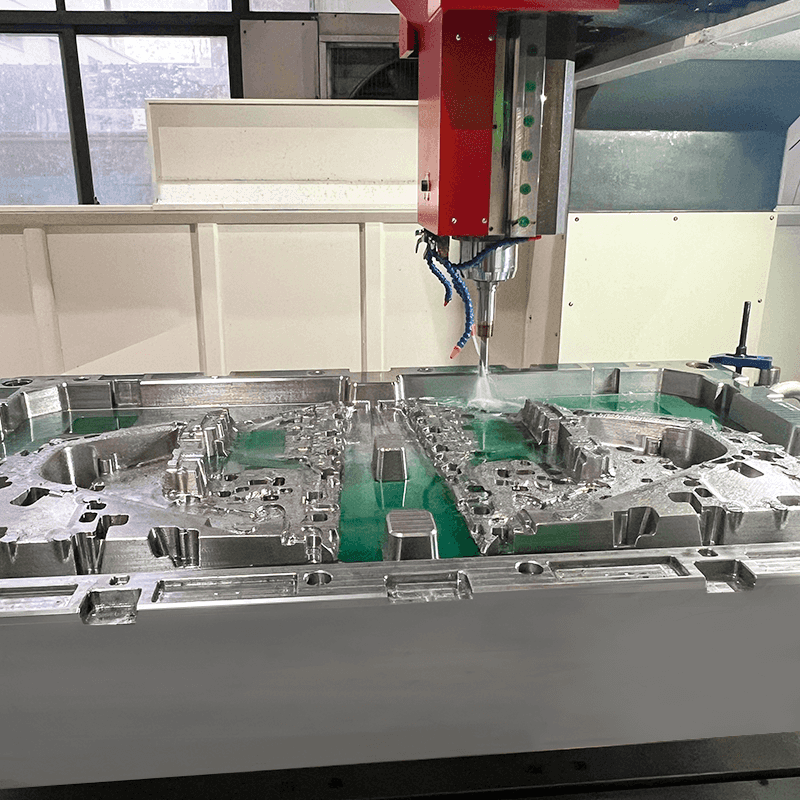
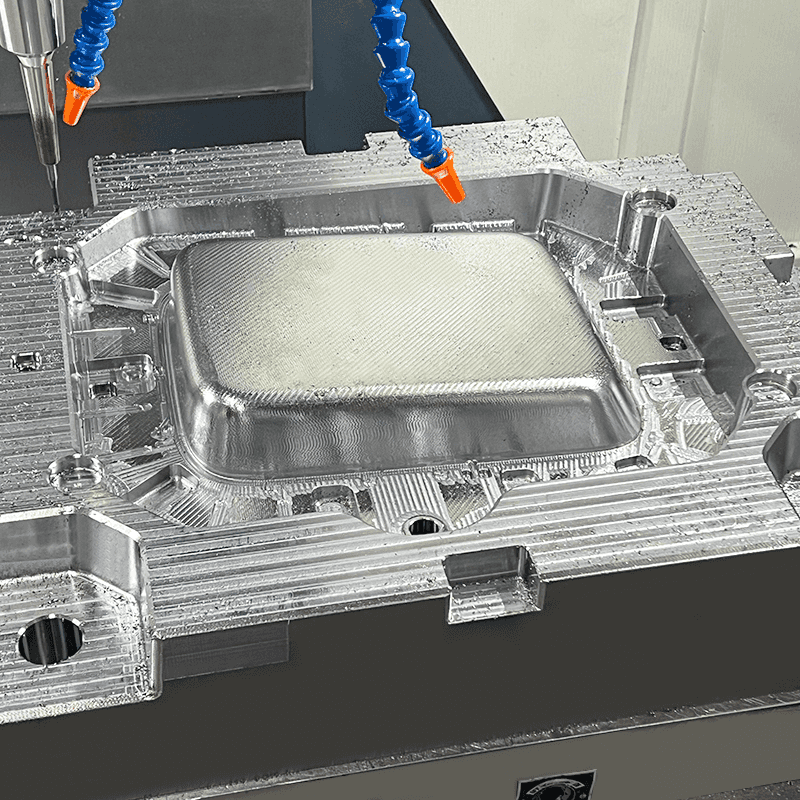
Accurate cavity machining helps support part consistency and cleaner surface formation.
Venting Design
SMC materials need controlled air release during molding. Poor venting can affect both fill quality and surface finish.
Heating Layout
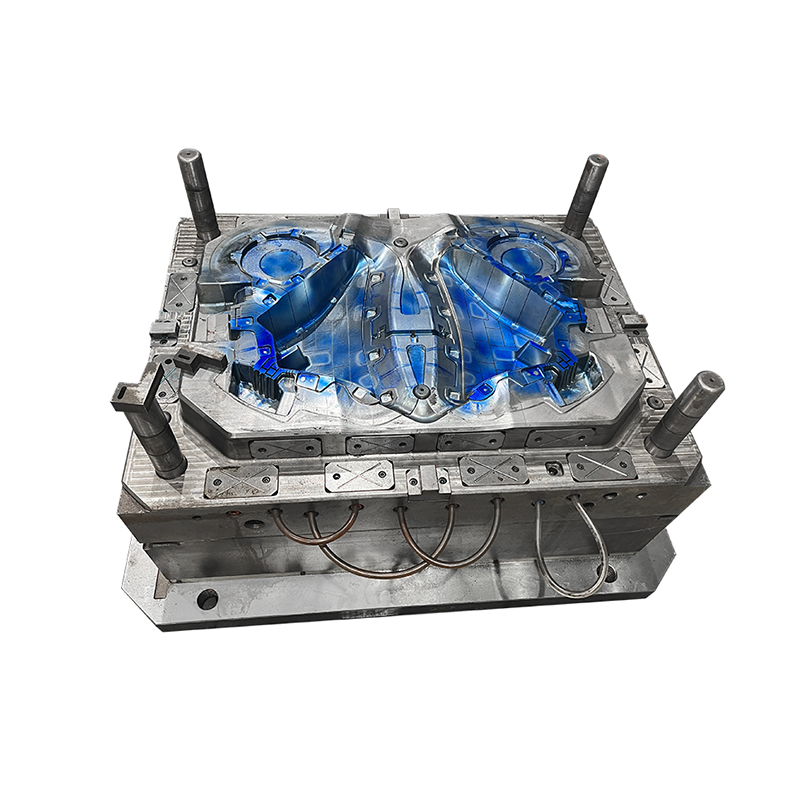
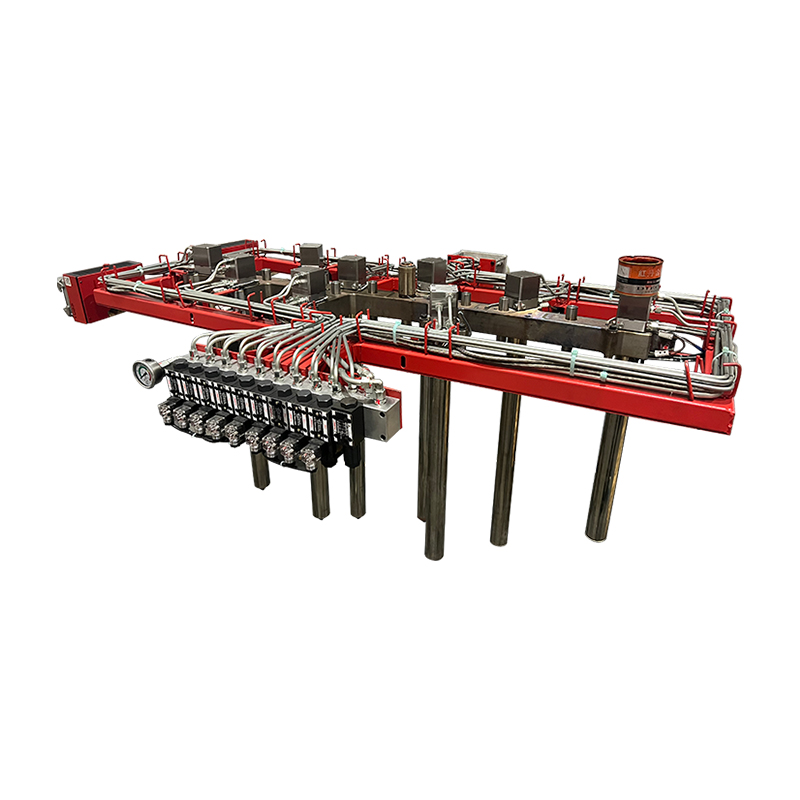
Temperature distribution is a major part of the molding process. A balanced heating system supports more uniform curing and part stability.
Part Release Structure
Demolding should be smooth and controlled, especially for parts with deeper features or more detailed geometry.
A knowledgeable SMC Mould Factory usually reviews all of these points before tooling production begins, because correcting them later can be more time-consuming.
A reliable SMC Mould Factory does not just provide a mold cavity. It supports a production process that needs to perform repeatedly under heat, pressure, and material variation. When that process is planned well, the result is usually a more manageable and stable manufacturing cycle.