ENG
ENG  English
 Español
 Português
 عربى
عربى 中文简体
中文简体In many modern manufacturing settings, Prepreg Mould production sits at the intersection of material control and process discipline. The idea behind it is straightforward. Materials arrive in a prepared state, are shaped inside a mould, and then cured into a finished form. The reality, however, involves a series of small decisions that can influence the outcome in subtle ways.
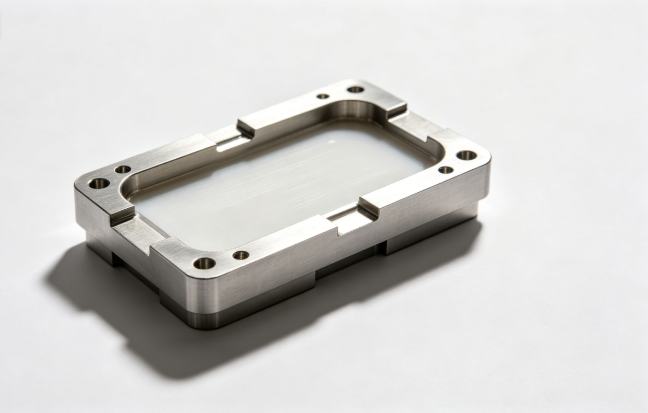
Factories working with prepreg moulds often face a similar set of challenges. These challenges do not always appear at once. Some emerge during material handling. Others show up later, during shaping or curing. Each stage carries its own pressure. The following sections explore the most common issues and how they shape daily production work.
Why Is Material Handling So Sensitive?
Prepreg materials require careful handling from the moment they enter the facility. They are not as forgiving as standard raw materials. Their condition can change if exposed to the wrong environment for too long.
Storage is one of the first concerns. Materials must be kept in stable conditions to maintain their properties. If they are left out for extended periods, they may become harder to work with. This affects how they lay inside the mould and how they respond during curing.
Handling during transport inside the factory also matters. Rolls or sheets need to be moved without distortion. Even slight stretching or compression can influence how the material behaves later.
Workers often rely on timing. Materials are taken out, prepared, and used within a controlled window. Delays can lead to waste. Rushed handling can lead to defects. The balance is not always easy to maintain.
What Makes Mould Design Difficult?
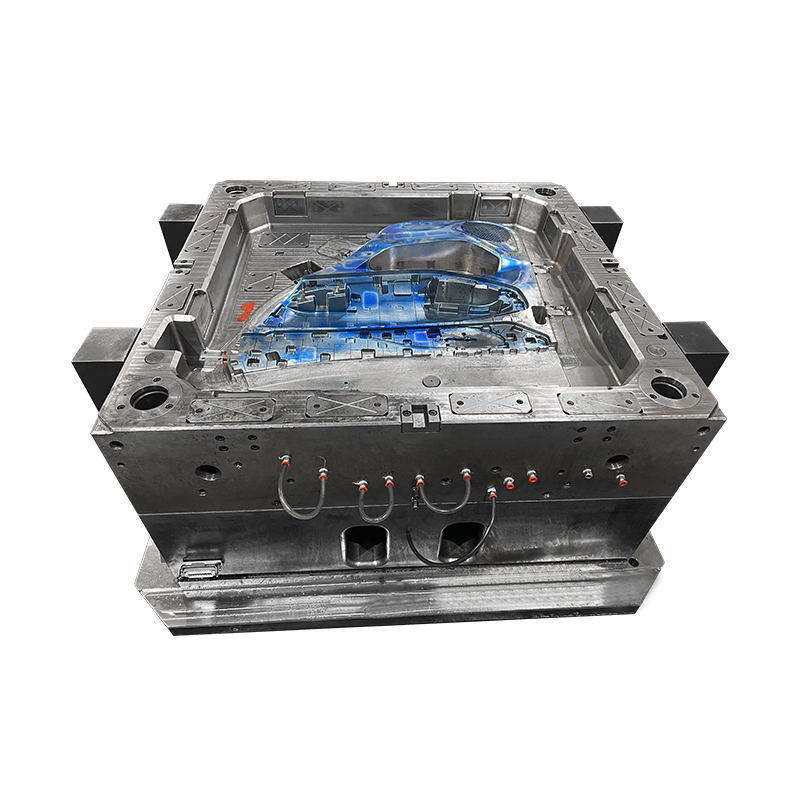
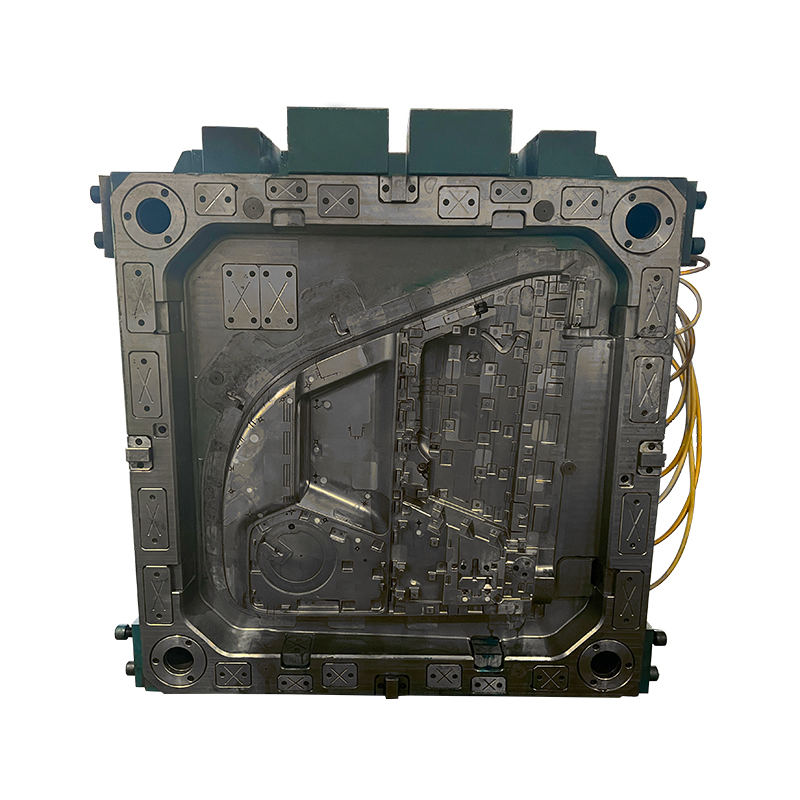
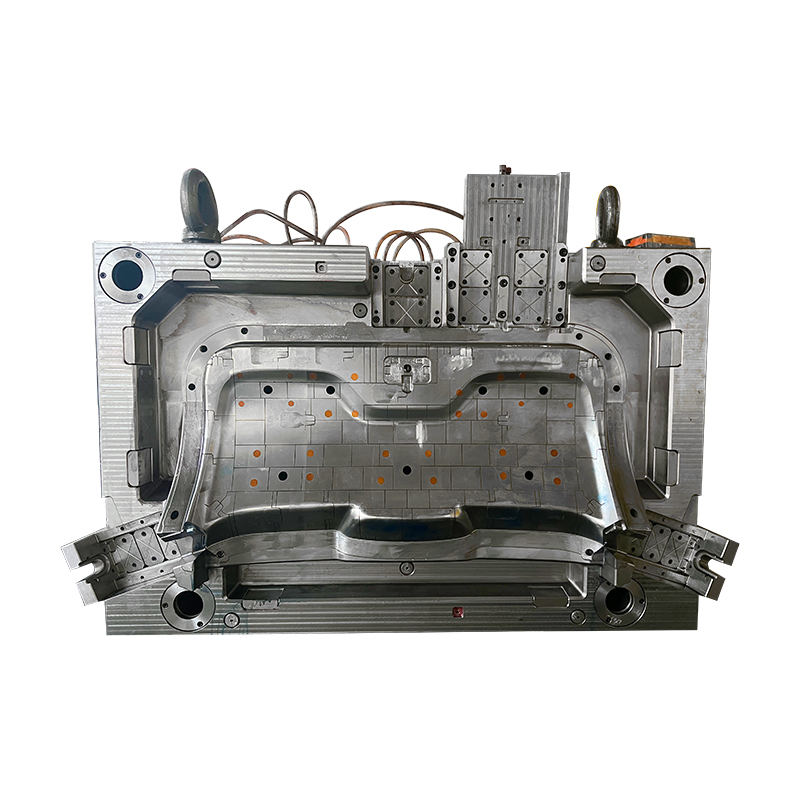
A mould defines the final shape of the product. In prepreg production, the mould must support both form and process. It needs to guide the material into place while allowing proper curing.
Designing such a mould is not always simple. Complex shapes can create areas where the material does not sit evenly. Corners, curves, and deep sections may require extra attention. If the material does not conform well, the final surface may show irregularities.
The mould must also allow for easy release. After curing, the product should separate without damage. If the design does not consider this step, removal can become difficult.
Surface quality is another factor. A smooth mould surface helps create a clean finish. Any imperfection on the mould can transfer to the product.
Design teams often adjust mould features through repeated trials. Small changes can improve flow, fit, and release, but they require time and coordination.
How Does Layup Consistency Affect Results?
Layup refers to how the prepreg material is placed into the mould. This step may appear simple, but it demands precision and patience. Each layer must be positioned carefully.
If layers are misaligned, the structure may weaken. Gaps or overlaps can lead to uneven thickness. This affects both appearance and performance.
Consistency across different units is another concern. When multiple workers are involved, slight variations can occur. Over time, these variations may lead to noticeable differences in output.
Training helps reduce this issue, but it does not remove it entirely. Even experienced workers may approach the task with small differences in technique.
Some factories introduce guides or templates to support alignment. Others rely on inspection during the layup stage. The goal is to keep the process steady without slowing it down too much.
Why Is Air Entrapment a Persistent Issue?
Air trapped within the material can create voids. These voids may not always be visible at the surface, but they can affect the internal structure. Preventing air entrapment is a constant focus during mould production.
Air can enter during layup. It may also remain if the material does not settle evenly. Removing it requires careful pressure and control during the shaping and curing stages.
The challenge lies in balance. Too little pressure may leave air inside. Too much pressure can shift the material or cause distortion.
Workers often monitor this stage closely. They look for signs of trapped air and adjust the process when needed. Still, complete elimination is difficult, especially in complex shapes.
What Challenges Arise During the Curing Stage?
Curing is the stage where the material hardens into its final form. It involves controlled heat and time. This stage demands consistency. Any variation can affect the final result.
Temperature distribution is one concern. If heat is not applied evenly, some areas may cure differently from others. This can lead to uneven surfaces or internal stress.
Timing also plays a role. The material must remain under controlled conditions for a specific period. If the process is interrupted or shortened, the product may not reach its intended state.
Monitoring equipment supports this stage, but it does not replace attention. Operators often track conditions throughout the process. Small adjustments may be needed to maintain stability.
Curing is not a stage that allows for quick correction. Once the process begins, options for change are limited. This adds pressure to ensure that earlier steps were completed correctly.
How Do Surface Defects Develop?
Surface quality often reflects the entire production process. Defects can appear for many reasons. They may come from material handling, mould condition, or curing variations.
Common issues include uneven texture, marks, or slight distortions. These may not affect function but can influence appearance.
The mould surface plays a key role. If it is not clean or smooth, defects can transfer to the product. Regular maintenance helps reduce this risk.
Environmental conditions also matter. Dust or small particles can settle on the material before curing. Once cured, these become part of the surface.
Inspection helps identify these issues early. Some defects can be corrected. Others require the product to be set aside. This adds to production pressure.
Why Is Process Control Difficult to Maintain?
Prepreg mould production involves many steps, each linked to the next. Maintaining control across the entire process is not easy. A small change in one stage can affect the outcome later.
Operators must track multiple factors at once. Material condition, layup quality, mould status, and curing conditions all interact. Keeping them aligned requires coordination.
Variability is part of daily work. Even when procedures are clear, conditions may shift. Temperature in the workspace, handling speed, or slight differences in material can influence results.
To manage this, factories often rely on standard procedures. These provide a reference point. Still, real conditions may require adjustments.
Communication between teams is important. Design, production, and inspection groups must share information. When issues arise, quick feedback helps limit their spread.
What Role Does Inspection Play in Addressing Challenges?
Inspection acts as a checkpoint throughout the process. It does not remove challenges, but it helps detect them early.
Visual checks are common. Workers look for signs of misalignment, surface marks, or irregular shapes. These checks are simple but effective.
Physical checks may also be used. These involve light pressure or handling to confirm stability. The goal is to ensure that the product meets expected form and feel.
Inspection does not happen only at the end. It appears at several points. After layup, after curing, and before finishing. Each stage offers a chance to catch issues before they move forward.
Feedback from inspection feeds back into the process. If a pattern appears, adjustments can be made. This loop helps improve consistency over time.
How Do These Challenges Interact Across the Process?
Challenges in mould production rarely stand alone. They connect in ways that are not always obvious. A small issue in material handling may lead to problems during layup. A slight variation in layup may affect curing. The final surface may reflect all of these steps.
The process can be viewed as a chain. Each link supports the next. If one link weakens, the effect can travel forward.
Below is a simplified view of how challenges align with production stages:
| Production Stage | Common Challenge | Possible Impact |
|---|---|---|
| Material Handling | Environmental exposure | Reduced workability |
| Mould Design | Complex geometry | Poor material fit |
| Layup | Misalignment | Uneven structure |
| Shaping | Air entrapment | Internal voids |
| Curing | Uneven conditions | Surface or structural issues |
| Finishing | Surface defects | Appearance concerns |
| Inspection | Detection limits | Late identification of issues |
This table shows the flow of influence. It also highlights how early control can reduce later problems.
How Do Factories Respond to Ongoing Pressure?
Factories do not treat these challenges as isolated problems. They are part of daily operation. Teams develop routines to manage them. These routines evolve over time.
Training supports consistent handling. Maintenance keeps moulds in usable condition. Monitoring helps track curing conditions. Inspection provides feedback.
Adjustments are often small. A change in timing. A slight shift in placement. A closer look at a surface. These small actions build stability across the process.
There is no single solution that removes all challenges. The process remains dynamic. It responds to materials, environment, and human input.
Inside a prepreg mould production line, the work moves forward step by step. Each stage carries its own demands. Each decision leaves a trace on the final product.