


 ENG
ENG  English
 Español
 Português
 عربى
عربى 中文简体
中文简体
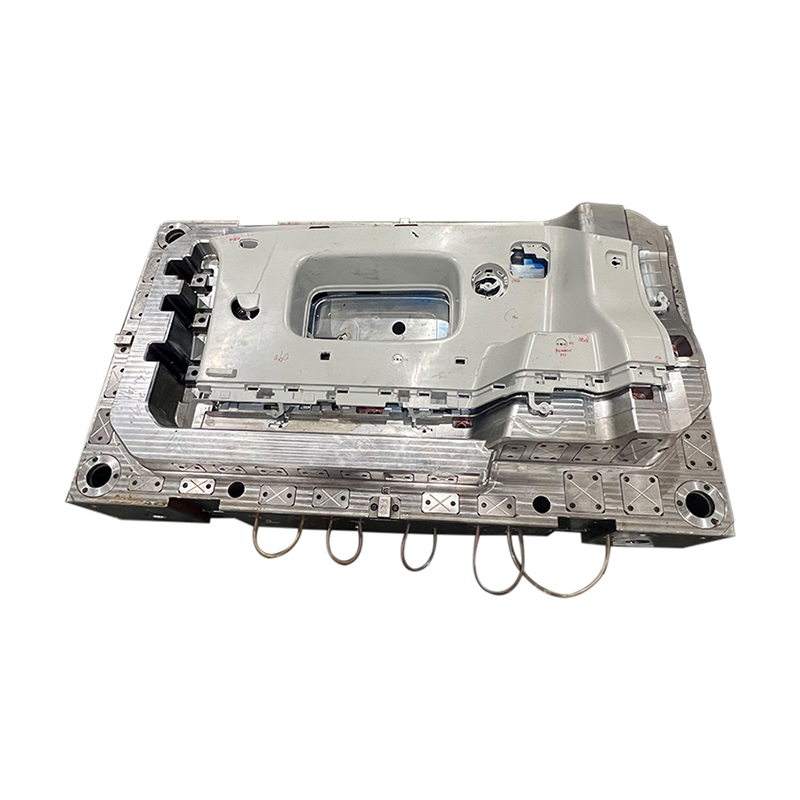
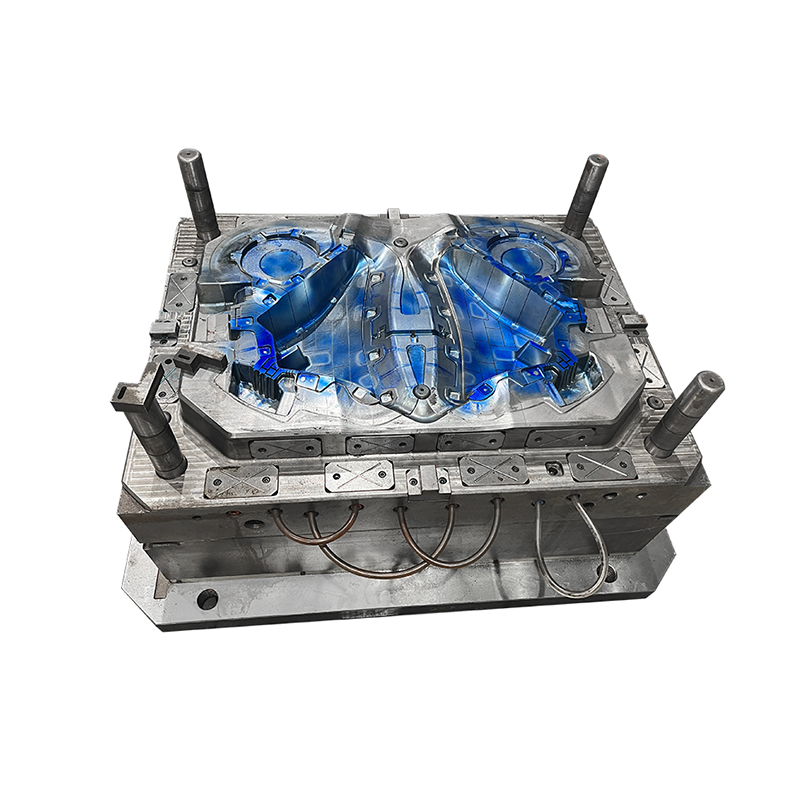
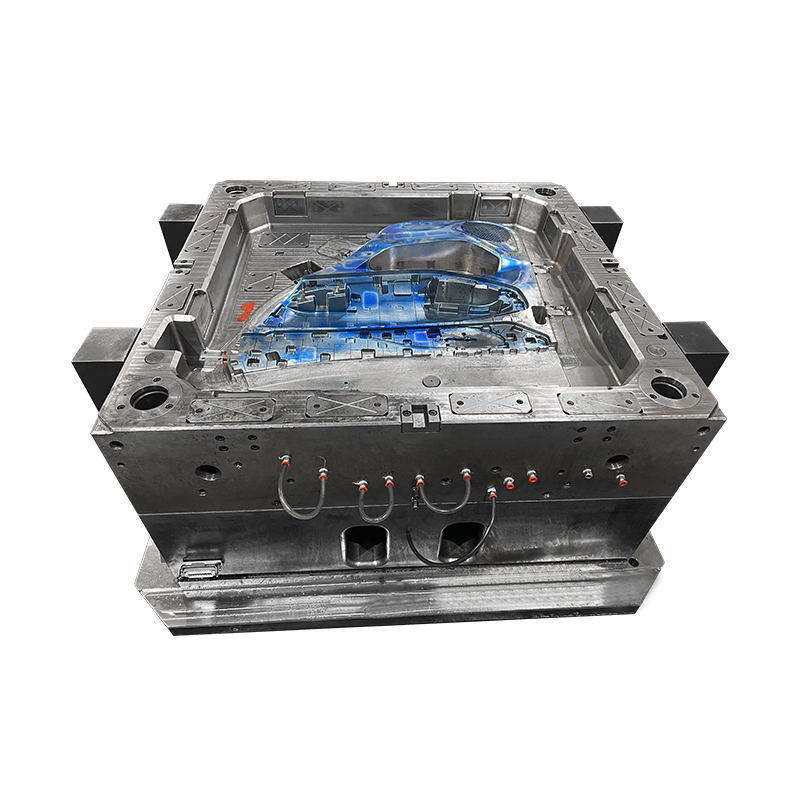
Wuling CN200S Project Auto Parts
|
Mould Type |
Compression mould |
|
Mould Steel |
P20 / S50C / S45 |
|
Mould Cavity |
Single cavity / Multiple cavities / Multiple cavities with interchangeable inserts |
|
Heating System |
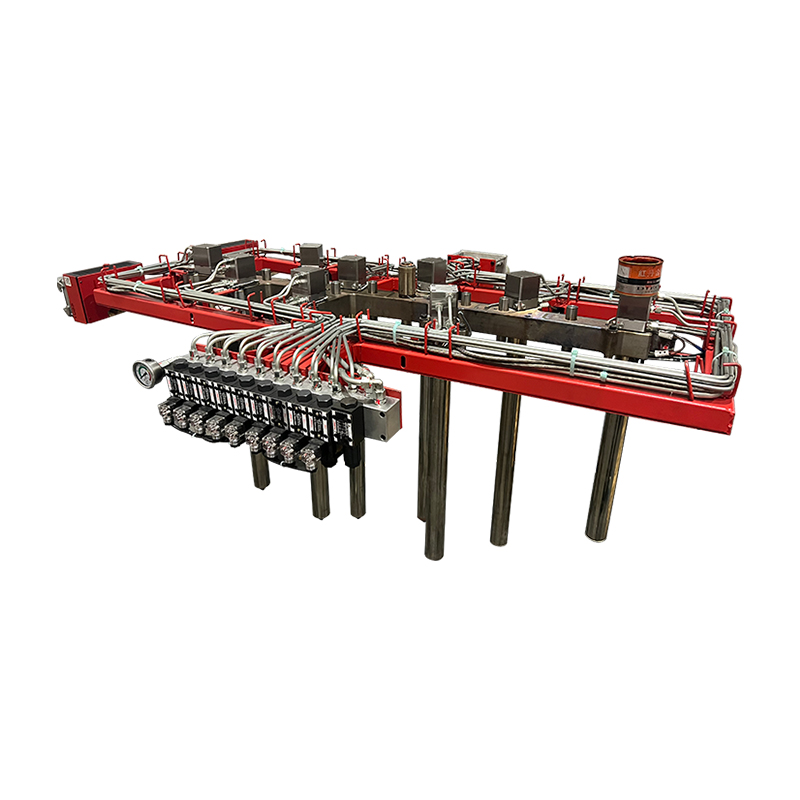
Oil heating / Electrical rods heating |
|
Ejection System |
Hydraulic eject with air assist / hydraulic pins |
|
Mould Cycle |
depends on mould steel, P20 could support around 300 thousand lifespans |
|
Lead Time |
89 days |
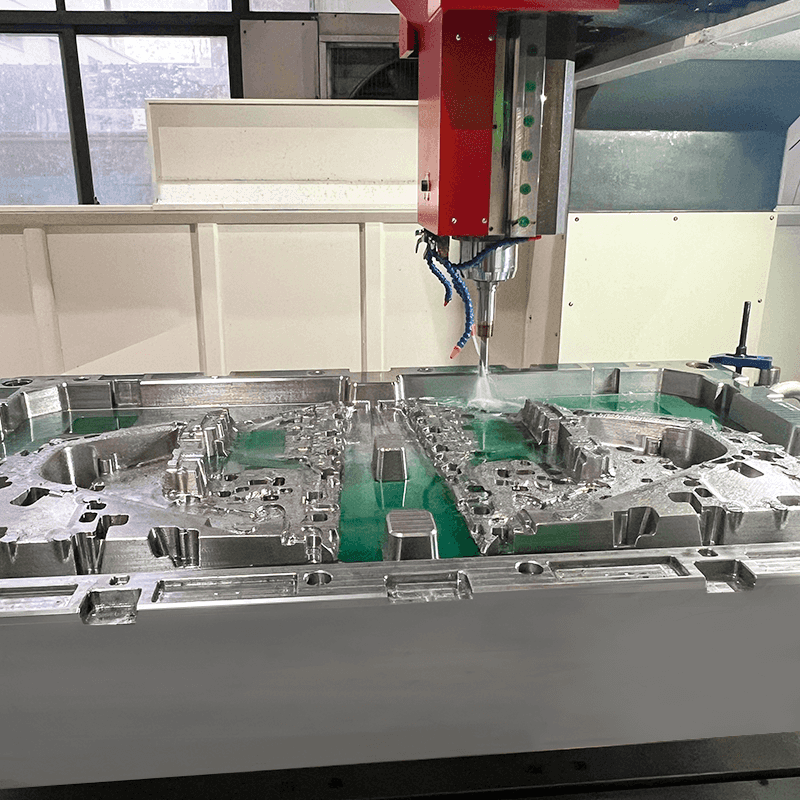
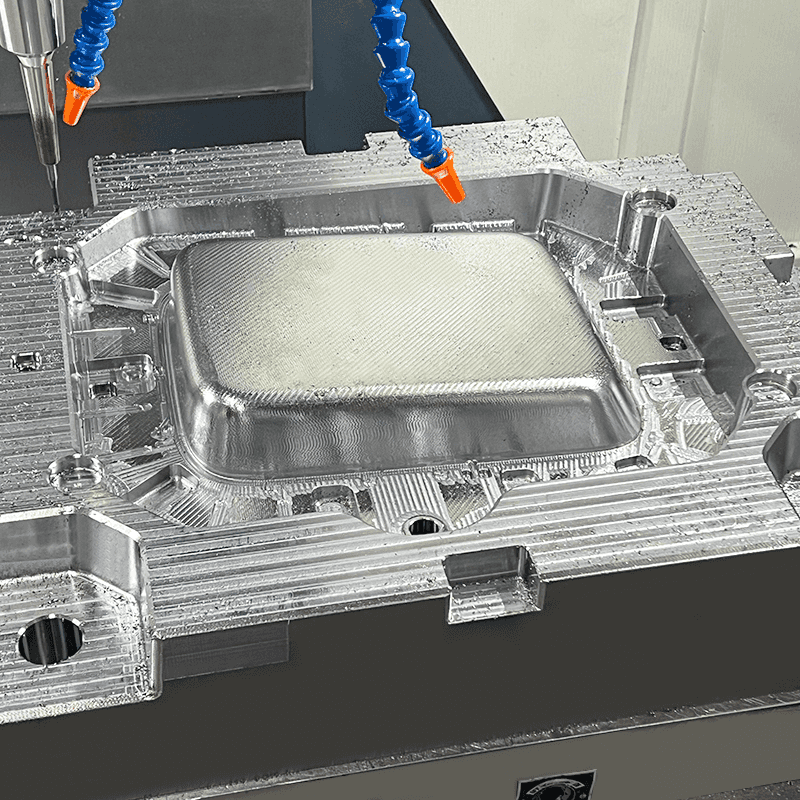
Liberal Mould specialises in composite mould and injection mould, we are capable of providing a one-off solution for our customers from mould development, design, and mould making to finished products according to our customer requirements.
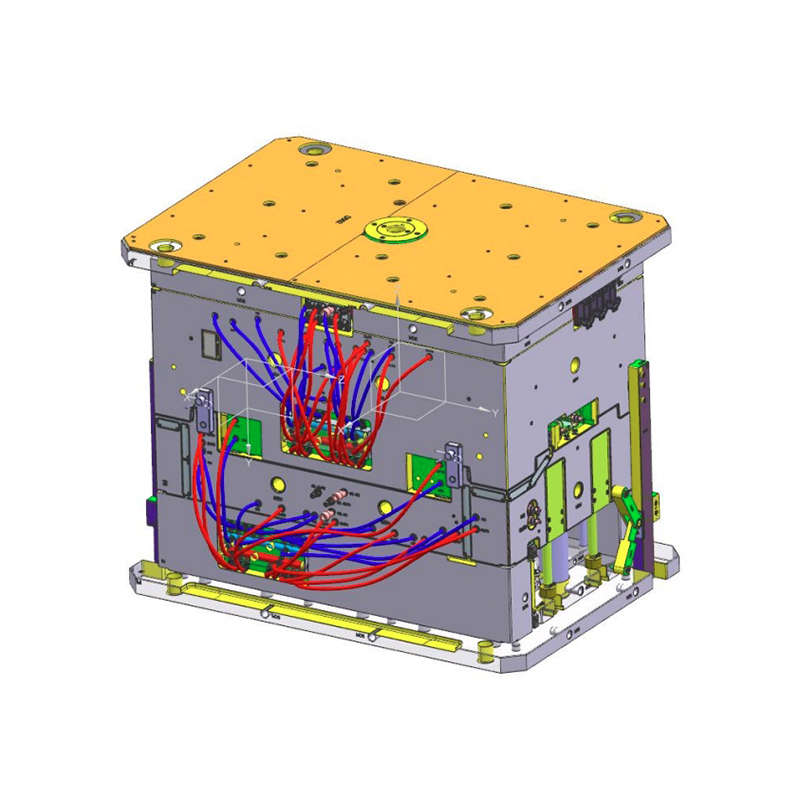
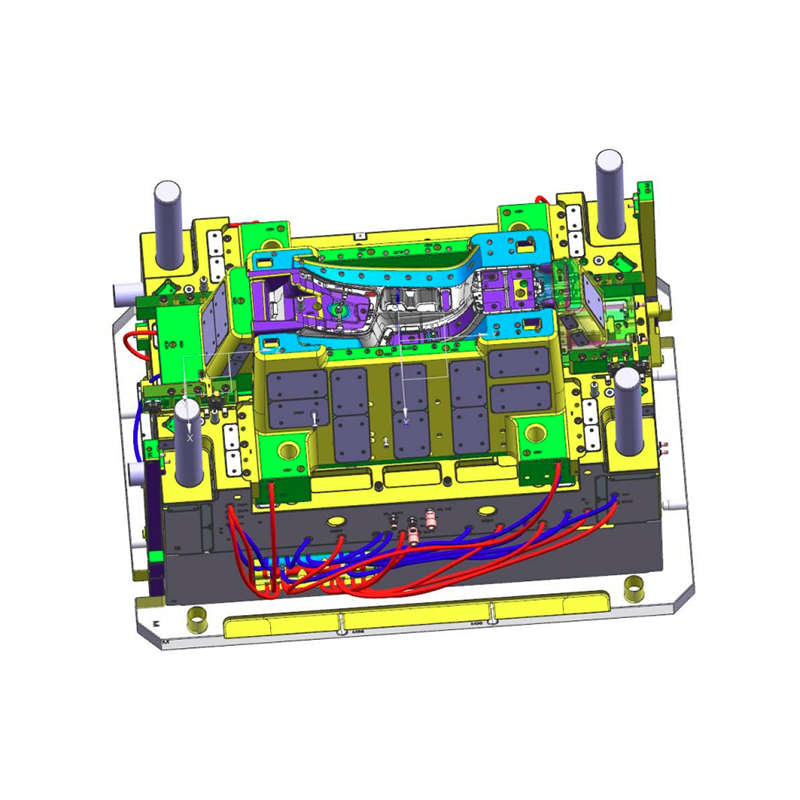
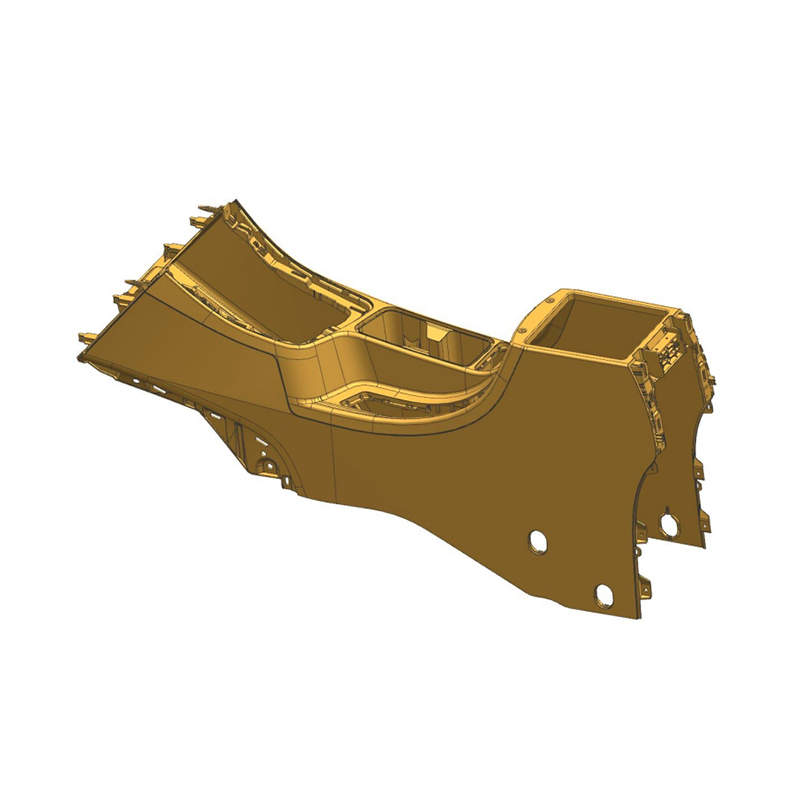
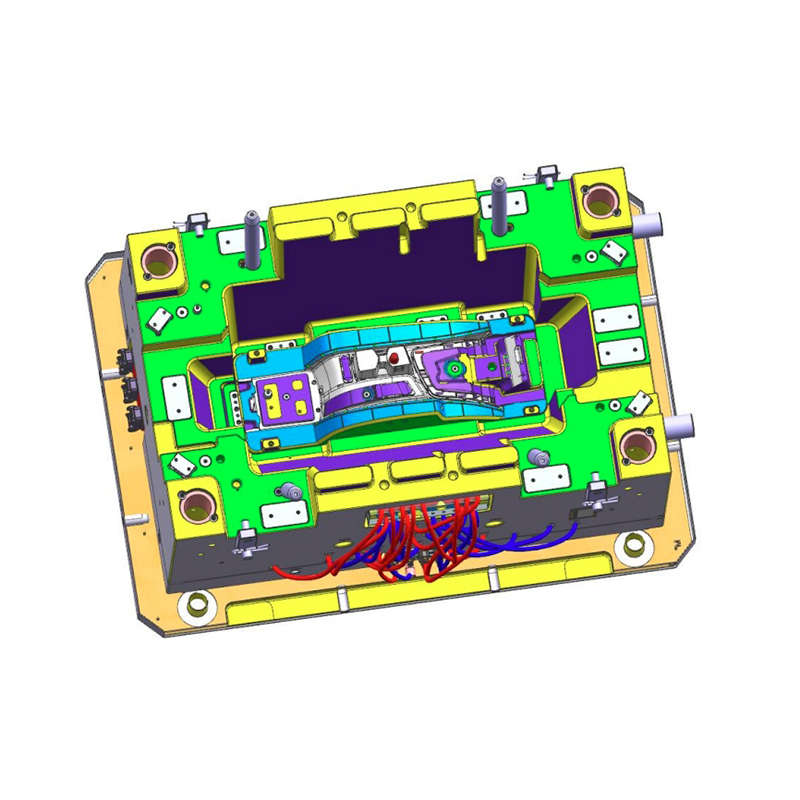
The Wuling CN200S project auto parts are a great example of what you can do when you build car components around Sheet Molding Compound (SMC) tech. SMC is basically a heavy-duty, fiber-reinforced polymer that's been making big waves in the automotive world lately. It hits a really nice sweet spot because it cuts down on vehicle bulk while packing plenty of structural strength and a surface that won't give a damn about rust or extreme engine heat.
1. Advantages of SMC in Automotive Applications
Going with SMC for a high-volume platform like the Wuling CN200S just makes a lot of sense on the factory floor:
- Lightweight: These composite parts roll out of the press way lighter than traditional sheet steel or iron components. Shaving that extra mass off the chassis directly helps boost fuel economy and drop emissions, which is exactly what every auto manufacturer is pushing for these days to meet green goals.
- High Strength and Durability: Don't let the lighter weight fool you—SMC is incredibly tough. The parts hold onto their structural backbone effortlessly through the daily pounding of real-world driving, including messy road debris impacts, crazy temperature spikes under the hood, and constant vibrations.
- Corrosion Resistance: One of the best things about composites over old-school metal panels is that they simply cannot rust. SMC parts hold onto their original look and structural integrity even if they spend years exposed to mud, tire spray, and harsh winter road salts, which slashes long-term warranty costs.
- Design Flexibility: SMC gives tool designers a massive amount of breathing room to run intricate, highly detailed shapes. You can consolidate multiple brackets and structural features right into a single molded part, pulling off complex layouts that would be a total nightmare or way too expensive to try and stamp out of metal.
2. Key Features of Wuling CN200S Project Auto Parts
The entire parts line for the Wuling CN200S project is dialed in around a few core manufacturing goals:
- Precision Engineering: Every single component off the press is engineered with tight tolerances so it clips into the main vehicle assembly effortlessly. Hitment has to be dead-on in this industry, since even a tiny bit of wonky alignment can mess up the look or lead to squeaks and rattles down the line.
- Cost-Effective Production: By pairing high-performance SMC stock with smart mold-making setups, we keep the total production cost per unit down. This efficiency is a massive priority for large-scale automotive rollouts where you need to protect your margins without cutting corners on part quality.
- Sustainability: On top of stripping weight off the car to save gas, SMC is actually a pretty clean choice for the environment. The material can be chopped up and reclaimed, which helps the manufacturing plant run a much cleaner loop and keeps unnecessary scrap out of the scrap yard.
- Customizability: Over here at Liberal Mould, we cut all our tooling in-house, so we aren't locked into a rigid factory catalog. Whether the Wuling project calls for a specific fiberglass blend ratio or unique interior mounting tabs, our crew can tweak the mold geometry to match those exact specs.
3. Commitment to Quality and Innovation
Our whole approach to the Wuling CN200S project centers on keeping our standards high and avoiding production shortcuts. We focus heavily on getting the details right from the first tool room test to the shipping dock:
Rigorous Quality Control: Every component has to clear a strict testing gauntlet before it gets stacked on a pallet. Our QA guys check raw material batches, run dimensional checks on the fixtures, and test physical performance under stress. We want to be absolutely sure that when these parts hit your assembly line, they work exactly like they're supposed to.
Collaborative Approach: We prefer working side-by-side with your engineering team through the whole headache of tool development. Keeping a tight, open feedback loop means we can catch weird fitment issues early in CAD rather than on the press floor, ensuring the final hardware perfectly aligns with your assembly goals and production schedule.

-
Address: Xiayanggu Industrial Area, Beicheng Street, Huangyan District, Taizhou City, Zhejiang, China.
-
Phone: +86-576-84203239 / +86-13511478976 /
+86-13511476688 / +86-13586042245 -
Email: [email protected] /[email protected] /[email protected]
-

Julia Chen
[ Managing Director ] -

Howard Lew
[ Project Manager ] -

Grant Zhang
[ Project Manager ]
Copyright © Taizhou Chenlin Plastic Mould Co., Ltd.

Wuling CN200S Project Auto Parts Supplier