


 ENG
ENG  English
 Español
 Português
 عربى
عربى 中文简体
中文简体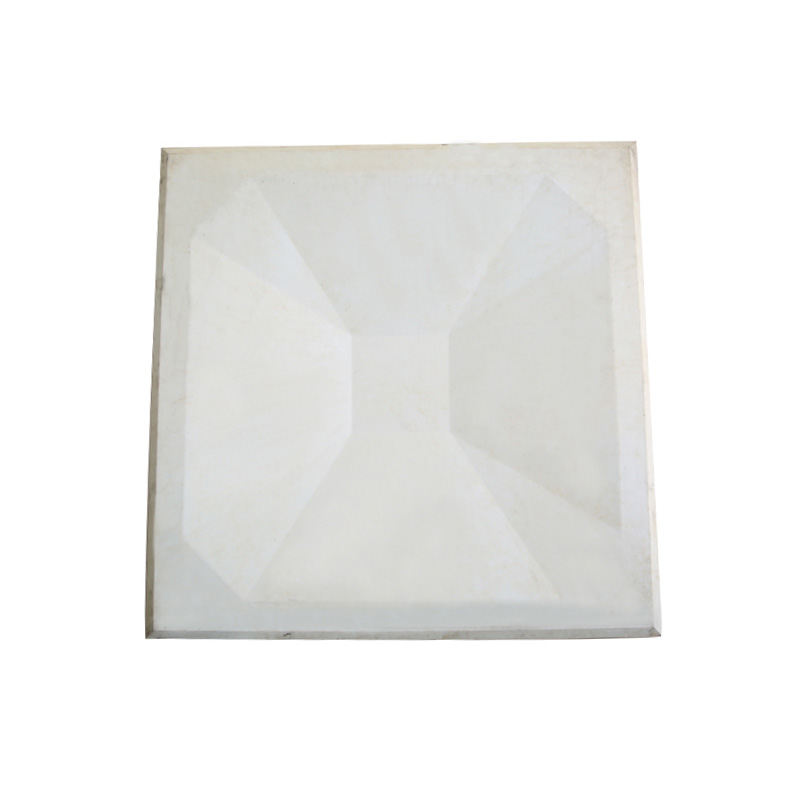
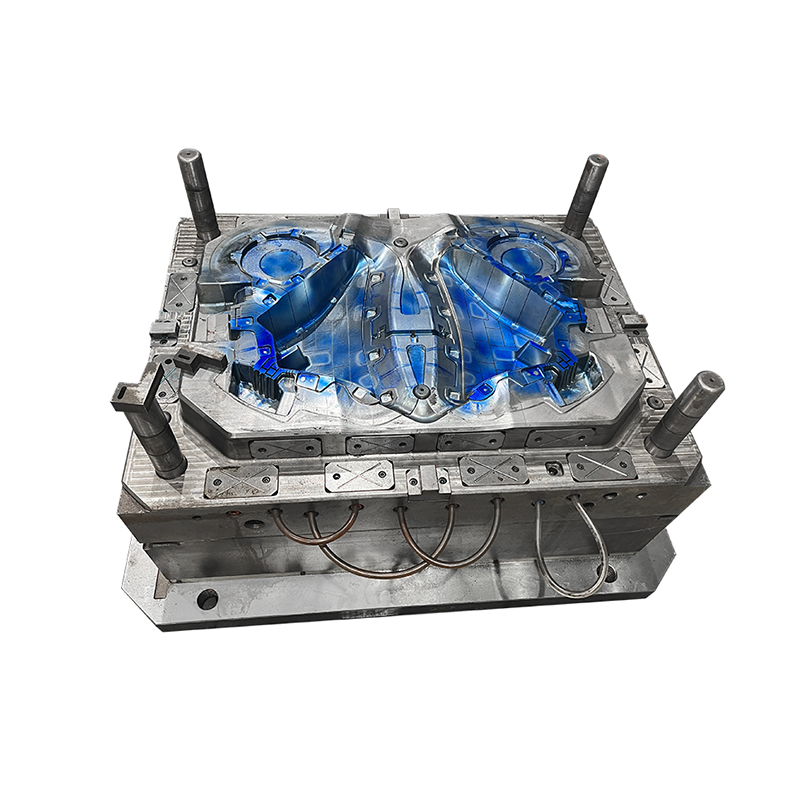
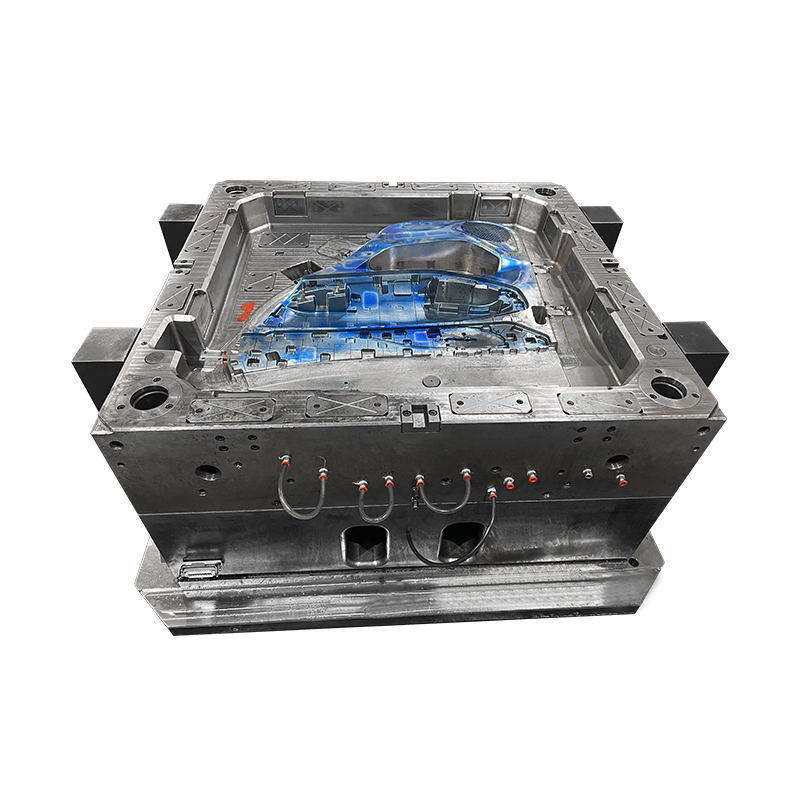
FRP Water Tank Panel Mould
|
Mould Type |
Compression mould |
|
Mould Steel |
P20 / S50C / S45 |
|
Mould Cavity |
Single cavity / Multiple cavities / Multiple cavities with interchangeable inserts |
|
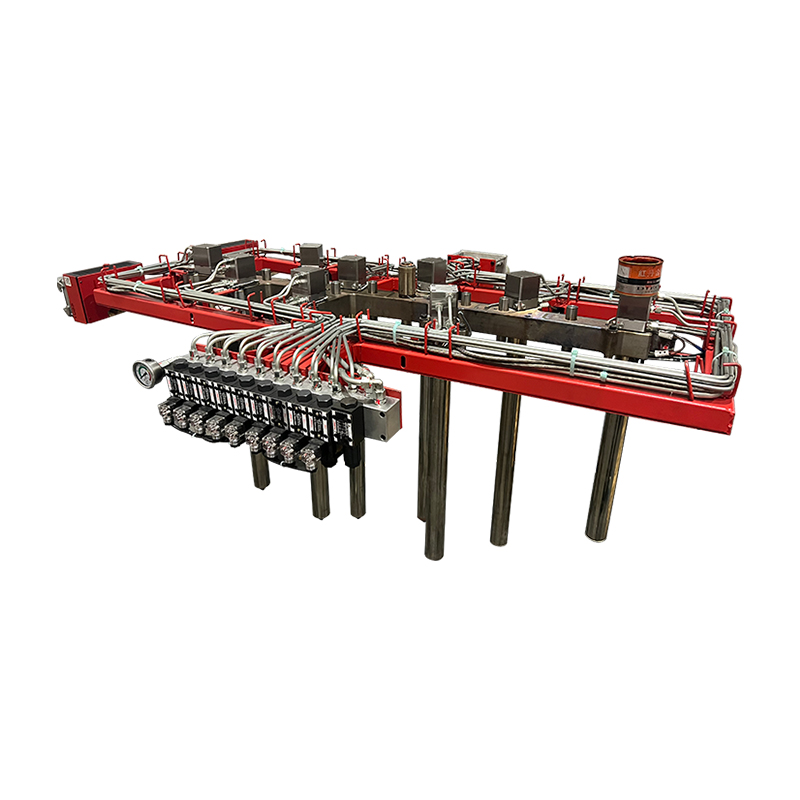
Heating System |
Oil heating / Electrical rods heating |
|
Ejection System |
Hydraulic eject with air assist / hydraulic pins |
|
Mould Cycle |
depends on mould steel, P20 could support around 300 thousand lifespans |
|
Lead Time |
50 days |
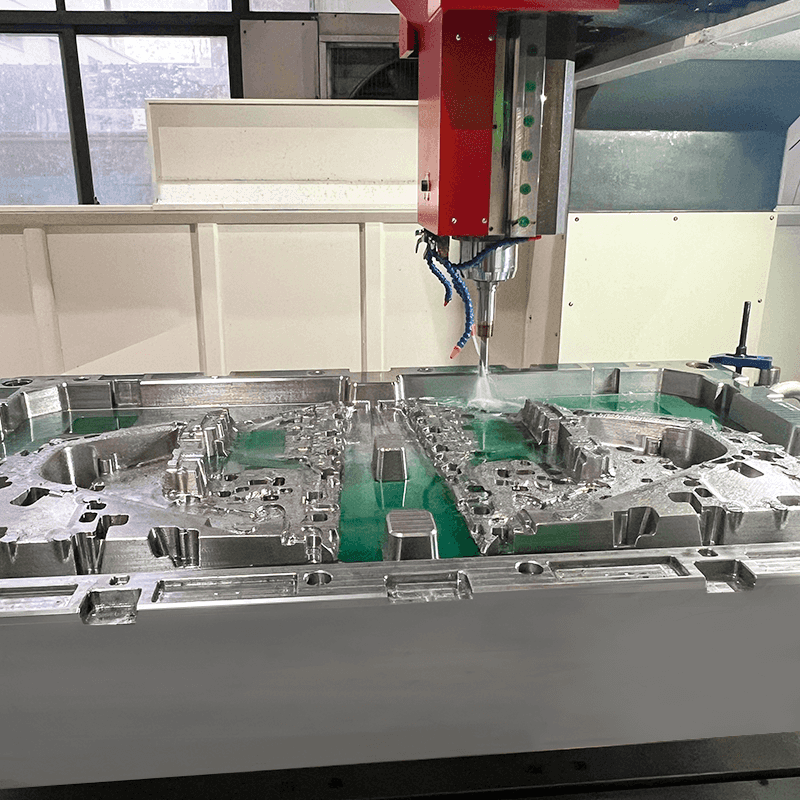
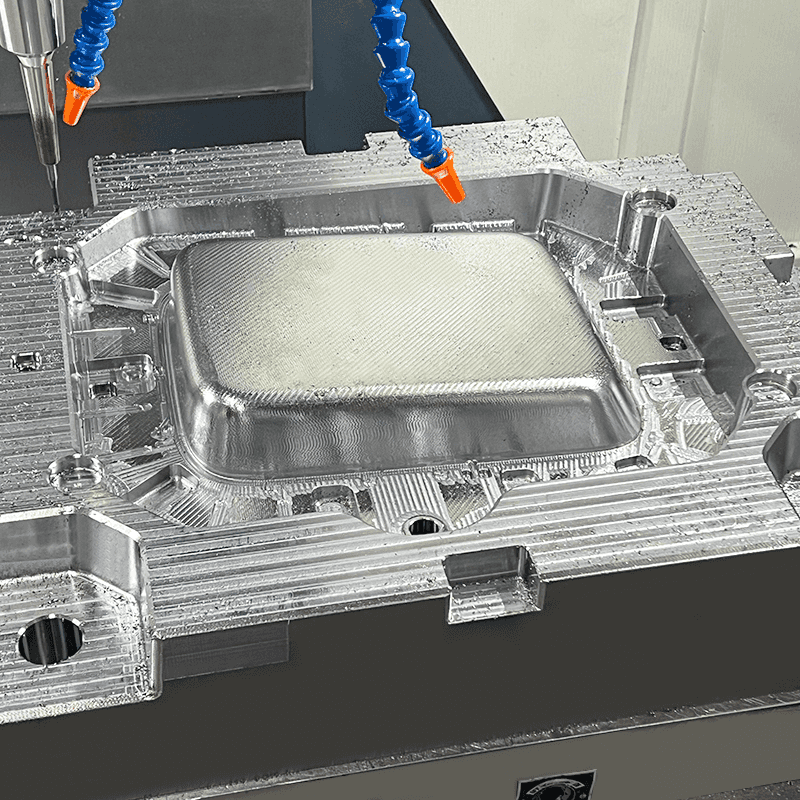
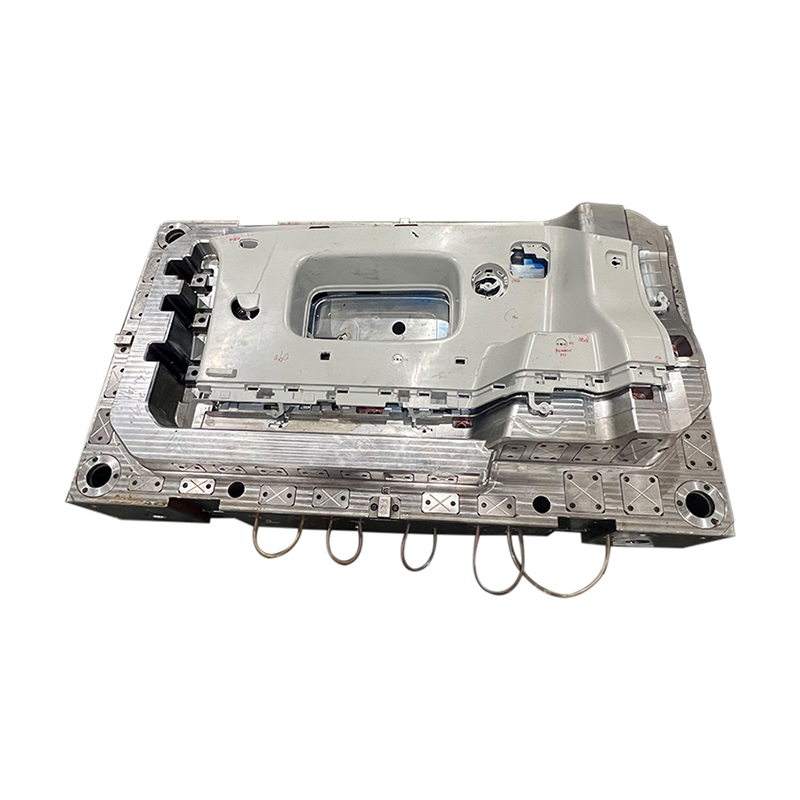
Liberal Mould specialises in composite mould and injection mould, we are capable of providing a one-off solution for our customers from mould development, design, and mould making to finished products according to our customer requirements.
This FRP water tank panel mould is a top-tier bit of tooling built specifically to crunch out high-end reservoir panels using Fiber Reinforced Plastic (FRP). You see these panels used all over the place when putting together water storage systems, mostly because they hit a really nice sweet spot of being tough as nails, totally immune to rust, and incredibly easy to adapt to different layouts.
Key Features of FRP Water Tank Panels
- Durability and Strength
The panels coming out of this FRP mould hold up beautifully over time. Because the plastic is packed with reinforcement fibers—usually glass—the panels get massive tensile strength and can take a hard physical hit. This gives them plenty of structural backbone to handle the intense water pressure pushing against the walls. They keep their shape for years, which means you get reliable performance and rarely have to go out and service them.
- Corrosion Resistance
The absolute best part about going with FRP is that it simply cannot rust. While old-school steel tanks start pitting and degrading after a few years, these composite panels ignore high humidity, wet environments, and water-treatment chemicals completely. This is a massive necessity for keeping your stored water clean and making sure the reservoir lasts decades without you having to blow money on expensive protective coatings or paint touch-ups.
- Lightweight
FRP panels weigh a fraction of what you’d deal with if you were pouring concrete walls or hauling heavy sheet steel. Because they are so light, freight costs drop significantly, and moving them around the job site is way easier on your crew's backs. This makes setup a breeze, especially on rooftop jobs or cramped basements where you can't get heavy crane trucks or specialized lifting rigging into place.
- Design Flexibility
Our FRP panel mould gives tool designers a ton of breathing room when mapping out a project. The press process lets you stamp out panels in a massive range of dimensions and geometry, meaning you can configure the reservoir to fit whatever footprint the blueprint calls for. Whether you are outfitting a small residential lot or a massive industrial layout, we can adapt the tool to fit, even baking extra features like built-in insulation right into the part.
- Thermal Insulation
The material acts like a natural thermal barrier, trapping the internal temperature of your water supply. This built-in thermal resistance prevents major heat loss, which is a lifesaver if you are running commercial hot water loops or keeping cold water from boiling in summer heat waves. It directly cuts down your power bills since your heating and chiller units aren't working double shifts.
- Maintenance and Repair
Keeping an eye on these modular tanks is incredibly straightforward. If a panel does take a weird freak hit and gets nicked, you don't have to rip out the entire wall section or replace half the tank—you can usually just patch up or reinforce that specific spot right on-site. It takes very little actual effort and slashes your long-term repair costs down to practically zero.
Applications of FRP Water Tank Panels
- Residential Water Tanks: A staple for domestic plumbing lines, giving homeowners a lightweight, safe, and rust-free cistern that ensures clean drinking water run after run.
- Commercial Water Tanks: Perfect for high-rise buildings and busy public facilities where you need plenty of structural strength and reliable, large-scale water storage.
- Industrial Water Tanks: Heavy-duty enough to handle multi-ton holding reservoirs for manufacturing plants, chemical processing setups, or large agricultural irrigation lines.

-
Address: Xiayanggu Industrial Area, Beicheng Street, Huangyan District, Taizhou City, Zhejiang, China.
-
Phone: +86-576-84203239 / +86-13511478976 /
+86-13511476688 / +86-13586042245 -
Email: [email protected] /[email protected] /[email protected]
-

Julia Chen
[ Managing Director ] -

Howard Lew
[ Project Manager ] -

Grant Zhang
[ Project Manager ]
Copyright © Taizhou Chenlin Plastic Mould Co., Ltd.

FRP Water Tank Panel Mould Supplier