


 ENG
 English
 Español
 Português
 عربى
 中文简体

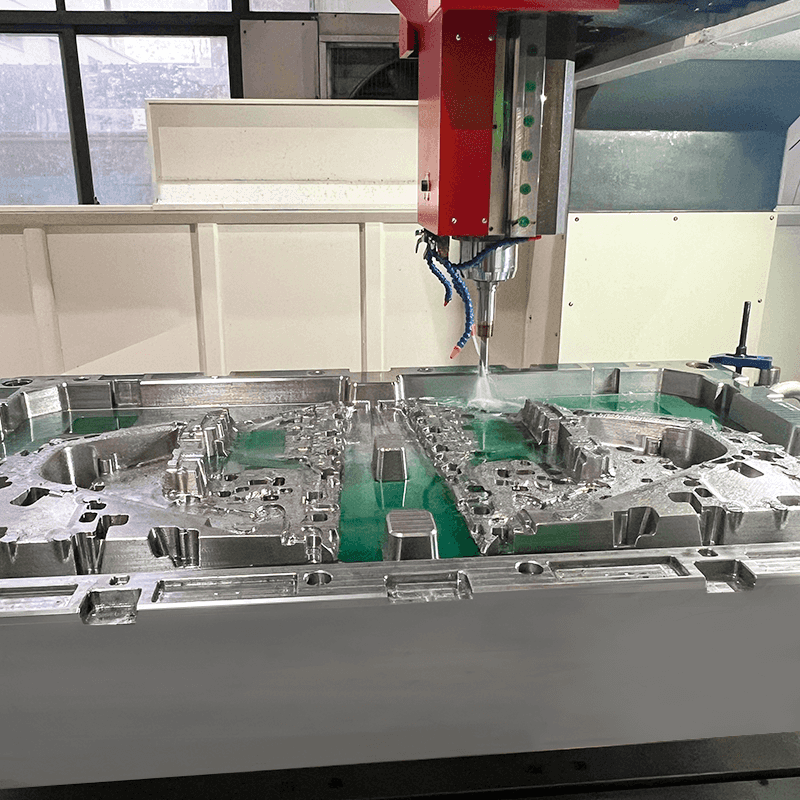
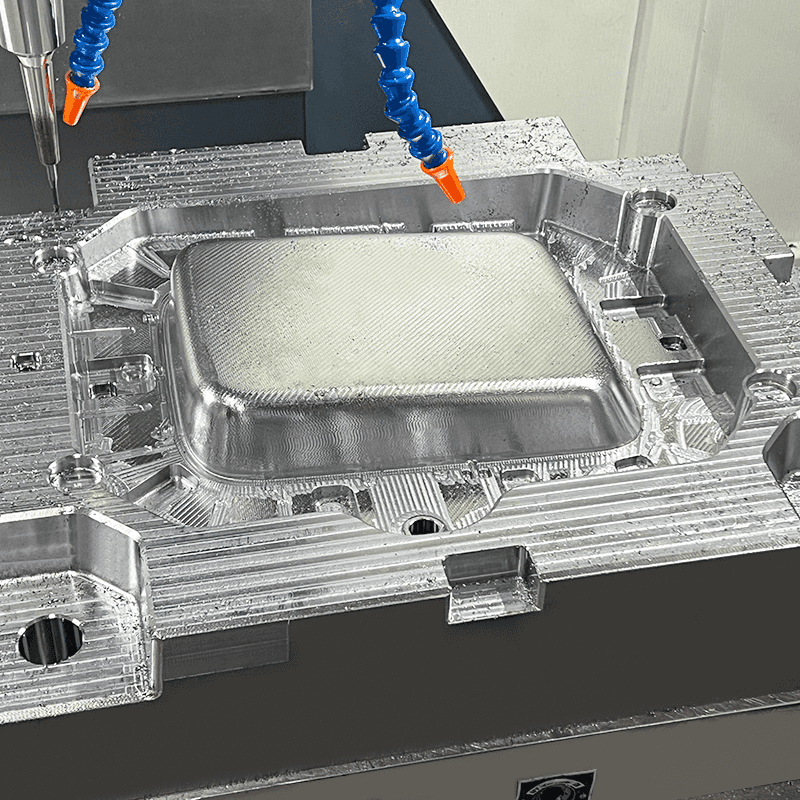
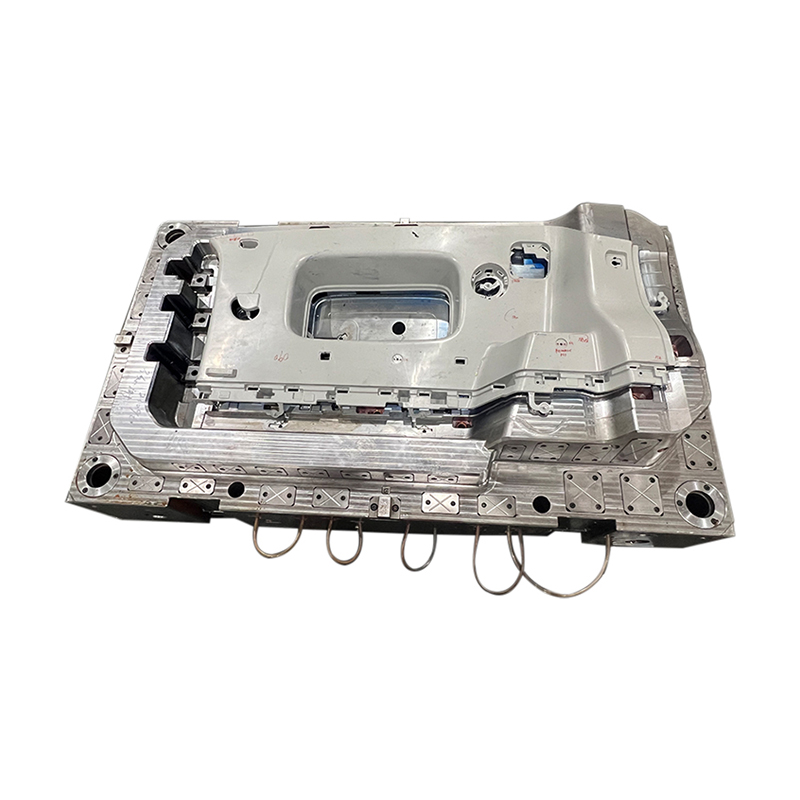
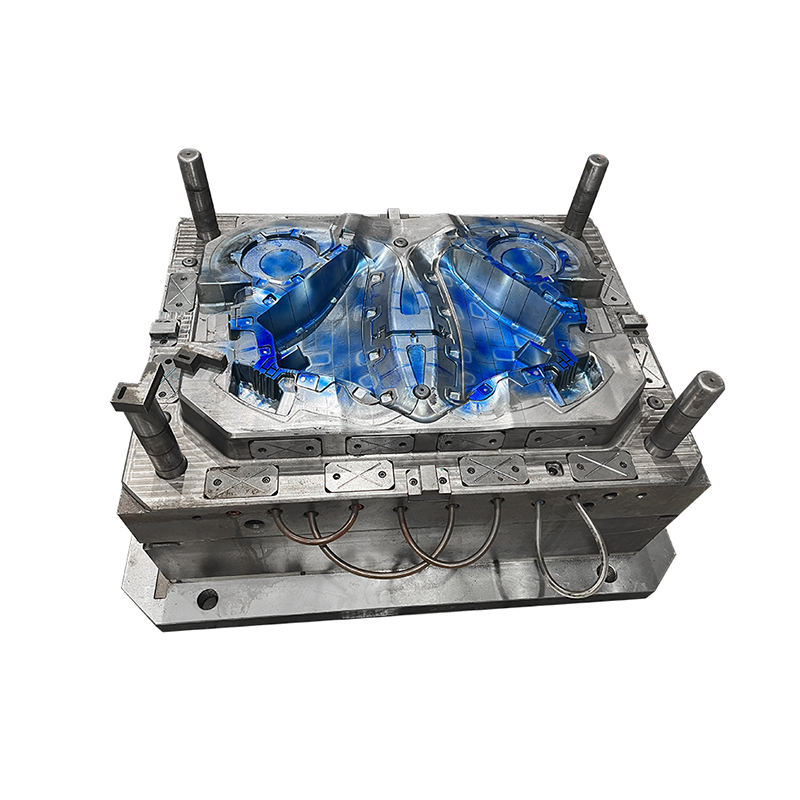
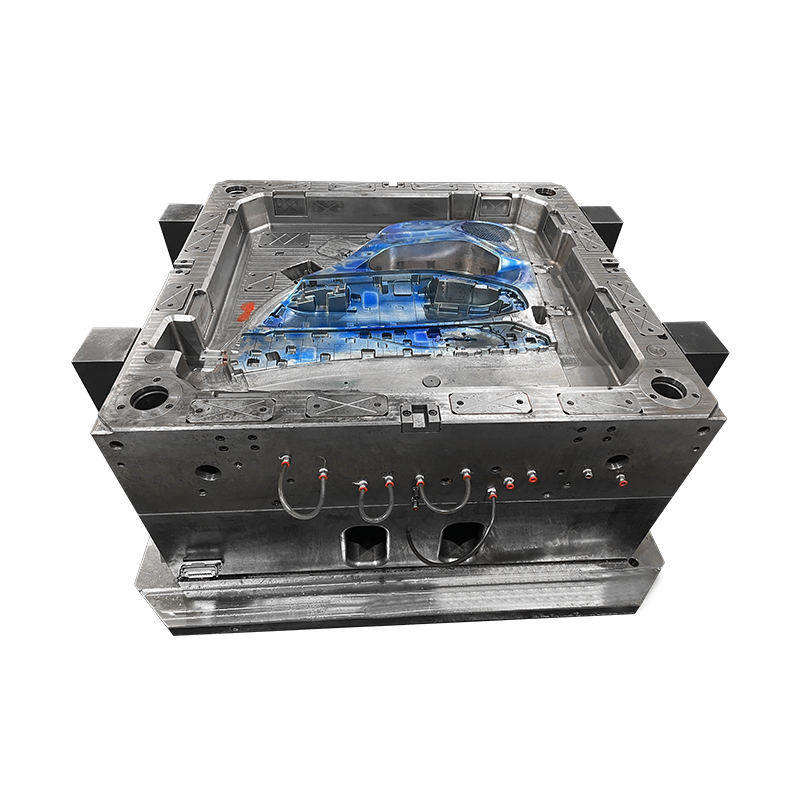
LFT/GMT Automotive Car Body Mould
|
Mould Type |
Compression mould |
|
Mould Steel |
P20 / S50C / S45 |
|
Mould Cavity |
Single cavity / Multiple cavities / Multiple cavities with interchangeable inserts |
|
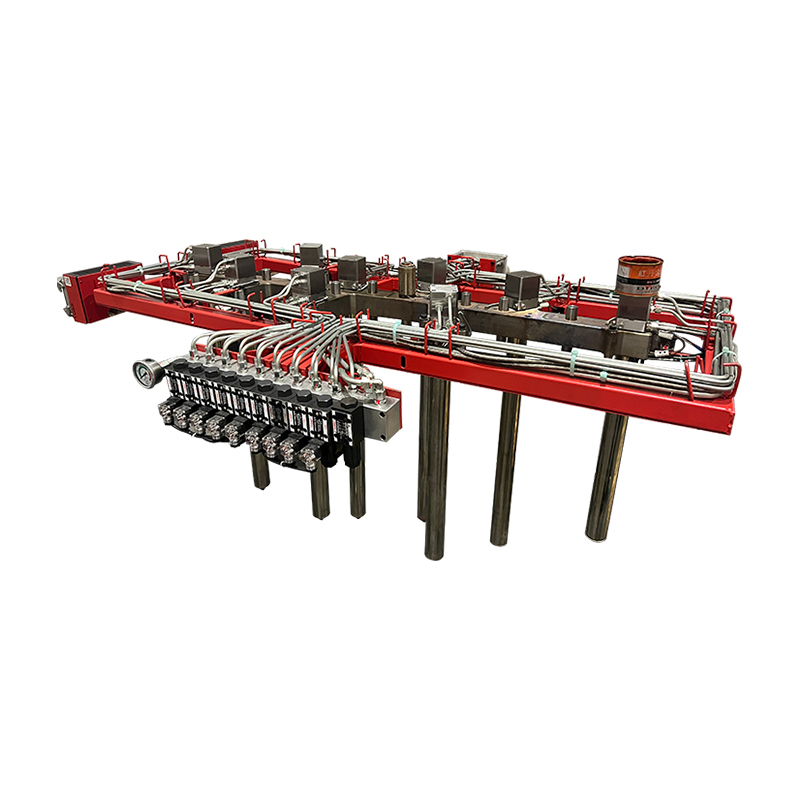
Heating System |
Oil heating / Electrical rods heating |
|
Ejection System |
Hydraulic eject with air assist / hydraulic pins |
|
Mould Cycle |
depends on mould steel, P20 could support around 300 thousand lifespans |
|
Lead Time |
50 days |
Liberal Mould specialises in composite mould and injection mould, we are capable of providing a one-off solution for our customers from mould development, design, and mould making to finished products according to our customer requirements.


LFT/GMT automotive car body moulds sit behind the production of composite components built to handle real mechanical demands in vehicles. Understanding the material behavior, core features, and practical precautions helps manufacturers get consistent, reliable parts off the line.
Material
This mould type produces automotive components from long fiber thermoplastic (LFT) and glass mat thermoplastic (GMT) composites. Both combine thermoplastic resin with glass fiber reinforcement, giving the finished parts a mix of strength, impact resistance, and dimensional stability that suits a lot of structural and body applications. How well the mould performs really depends on matching its design to how these composites actually flow and set during forming.
Main Features
- Customised design — built around component drawings, dimensions, shapes, and structural requirements rather than a one-size-fits-all cavity.
- Durable structure — generally made from suitable tool steel to hold up through repeated moulding cycles.
- Precise cavity — controls shape, dimensions, and surface detail on every finished part.
- Complex geometry support — handles curved surfaces, mounting points, and reinforced sections without compromising consistency.
These features work together rather than independently. A precise cavity doesn't mean much if the structure can't survive repeated cycles, and a durable frame doesn't help if it can't accommodate the component's actual geometry.
Main Advantages
- High strength — LFT and GMT composites deliver mechanical properties suited to a wide range of automotive parts.
- Lightweight construction — composite parts can help trim vehicle weight where appropriate.
- Impact resistance — glass fiber reinforcement helps components absorb mechanical stress.
- Consistent production — sound mould design keeps part dimensions and surface quality stable batch after batch.
The real payoff comes from how these properties combine in practice — strength and reduced weight together matter a lot in automotive applications where both performance and fuel efficiency are on the table.
Application Fields
LFT/GMT automotive car body moulds typically produce:
- Exterior body panels and covers
- Interior panels and support components
- Structural reinforcement parts
- Selected underbody components
- Automotive housings and protective parts
Each application brings its own structural and surface demands, so the mould and material formulation both need matching to the component's actual role in the vehicle.
Precautions
- Match mould structure to material and design — selection should follow the component's actual requirements, not a generic template.
- Control moulding conditions — temperature, pressure, and forming parameters need to follow material-specific guidance.
- Clean the cavity regularly and inspect working surfaces for wear or damage.
- Check finished parts for dimensional accuracy and surface defects before moving forward.
- Store the mould properly in a clean, dry environment when it's not in use.
Consistent attention to these details tends to matter more over the mould's working life than any single design choice made upfront — repeated small checks catch problems well before they turn into costly production issues.

-
Address: Xiayanggu Industrial Area, Beicheng Street, Huangyan District, Taizhou City, Zhejiang, China.
-
Phone: +86-576-84203239 / +86-13511478976 /
+86-13511476688 / +86-13586042245 -
Email: [email protected] /[email protected] /[email protected]
-

Julia Chen
[ Managing Director ] -

Howard Lew
[ Project Manager ] -

Grant Zhang
[ Project Manager ]
Copyright © Taizhou Chenlin Plastic Mould Co., Ltd.

LFT/GMT Automotive Car Body Mould Supplier