


 ENG
 English
 Español
 Português
 عربى
 中文简体

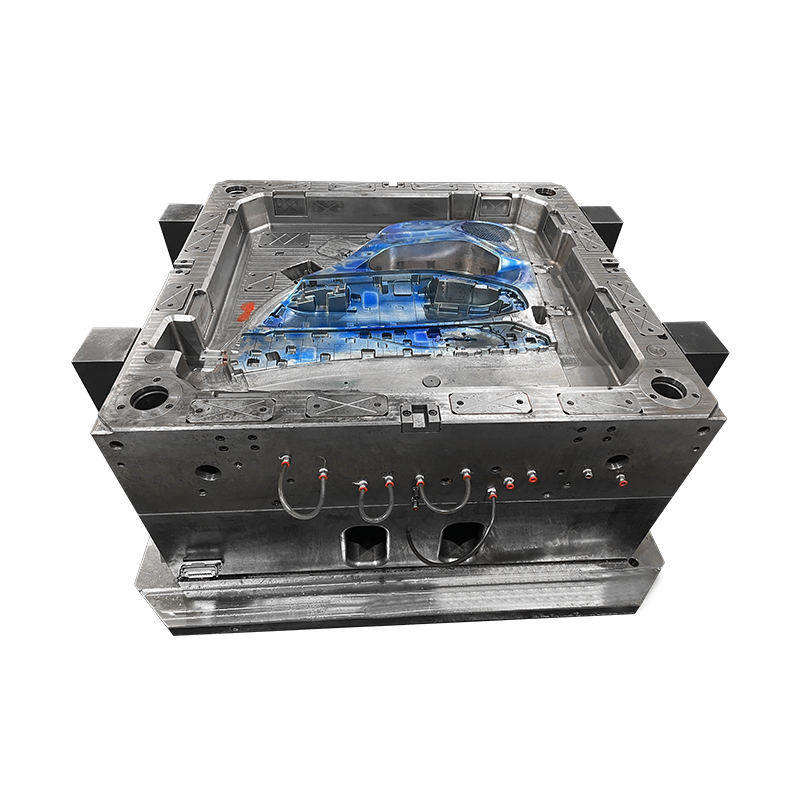
PCM Injection Container Mould
|
Mould Type |
Injection mould |
|
Mould Steel |
P20 / S50C / S45C |
|
Mould Cavity |
Single cavity / Multiple cavities / Multiple cavities with interchangeable inserts |
|
Heating System |
Oil heating / Electrical rods heating |
|
Runner System |
Cold or Hot runner depends on product |
|
Mould Cycle |
depends on mould steel, P20 could support around 300 thousand lifespans |
|
Lead Time |
50 days |
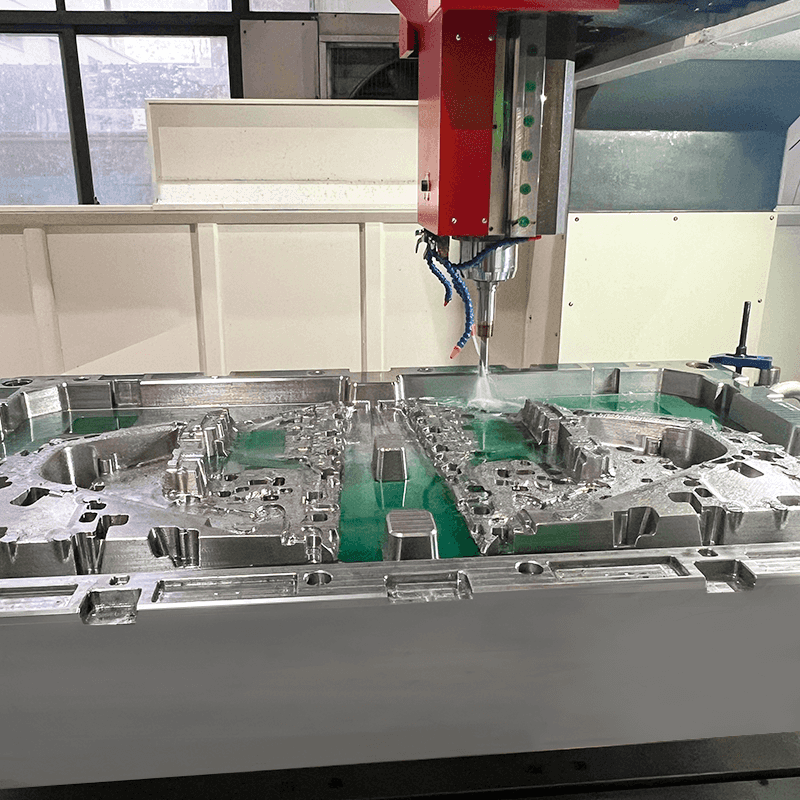
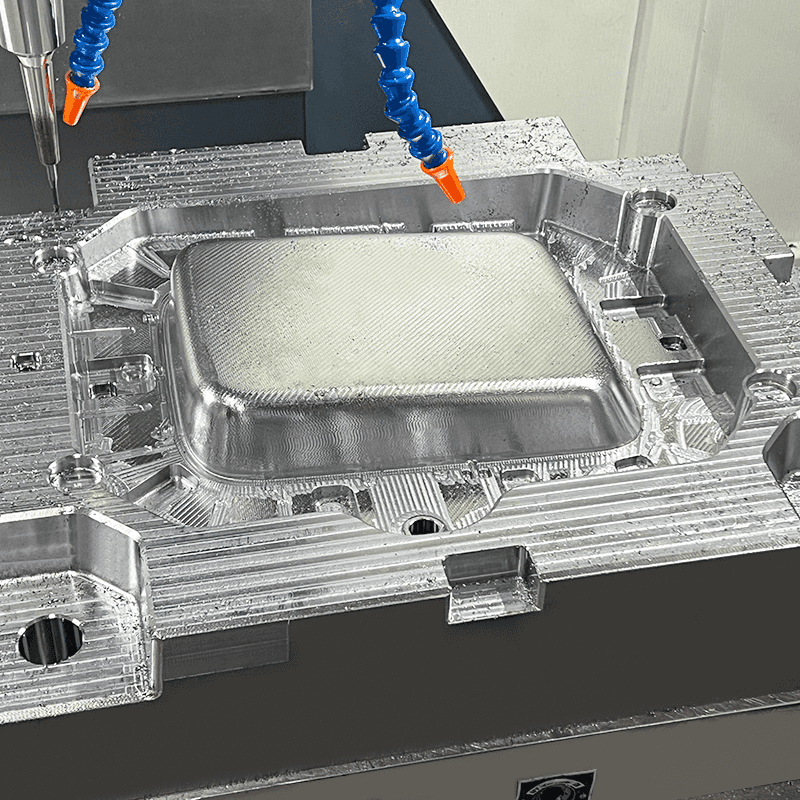
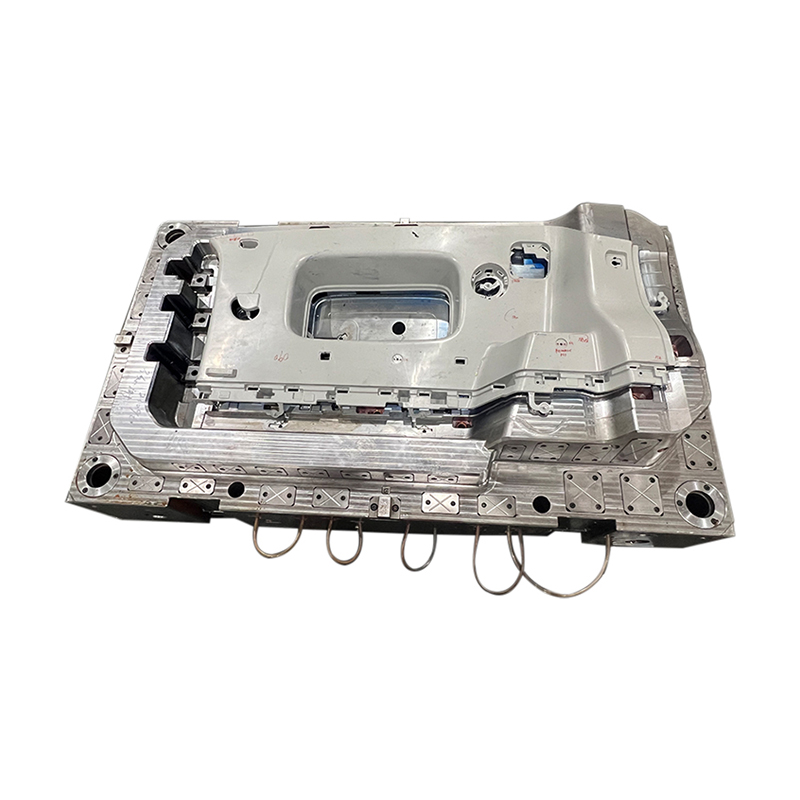
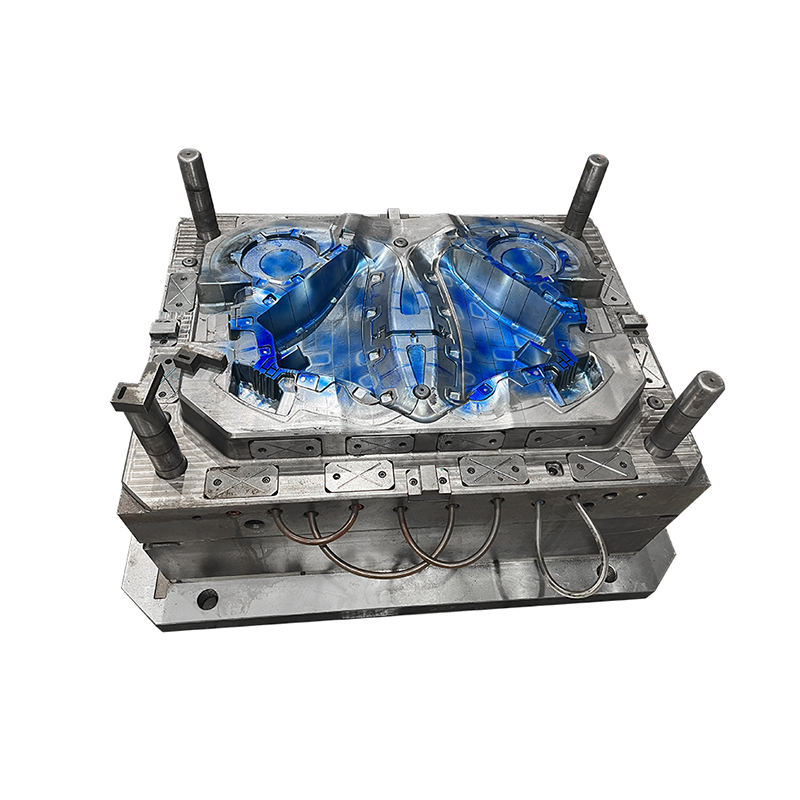
Liberal Mould specialises in composite mould and injection mould, we are capable of providing a one-off solution for our customers from mould development, design, and mould making to finished products according to our customer requirements.


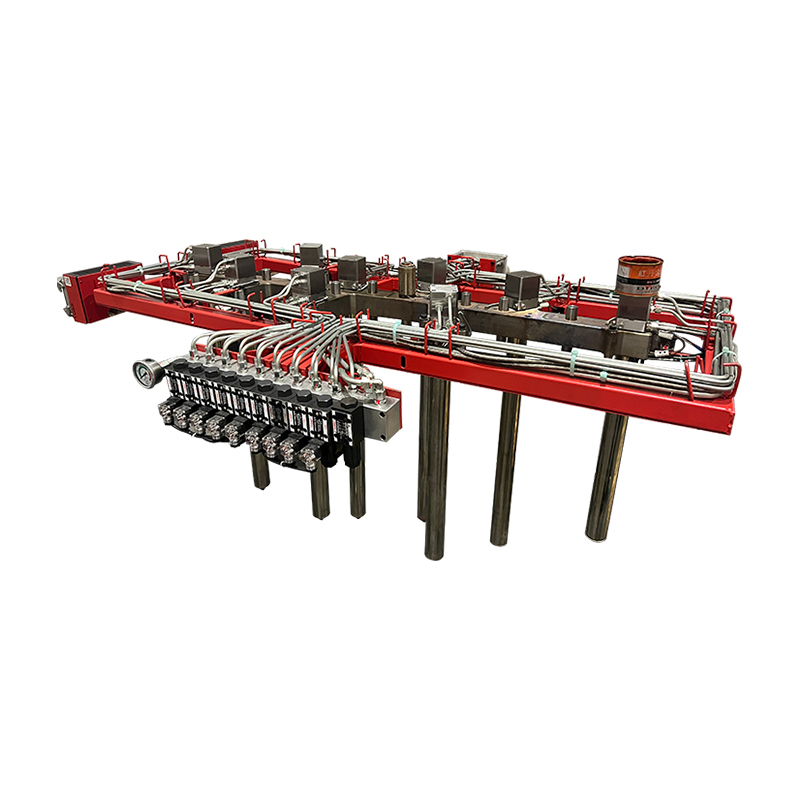
PCM injection containers handle the storage and delivery of prepreg materials used in composite moulding. Getting this part of the process right matters just as much as the moulding itself — prepreg that's been poorly stored or inconsistently delivered rarely produces a reliable finished part, no matter how good the mould is.
Material
The container material needs to be compatible with the resin it holds and able to handle whatever temperature and pressure conditions the production process calls for. Mismatch here, and the container risks reacting with the resin, failing under pressure, or simply not keeping material in the condition it needs to be in before it reaches the mould.
Main Features
- Temperature control — helps keep material conditions suitable throughout storage and delivery.
- Pressure control — supports stable, consistent delivery into the mould.
- Sealed structure — keeps dust and moisture from contaminating the material.
- Customised design — adaptable to different materials and production setups.
Main Advantages
- Consistent material delivery that supports stable moulding results.
- Reduced material waste and handling errors compared to less controlled delivery methods.
- Better prepreg quality retention before the material ever reaches the mould.
- Suitable for repeated use when properly maintained over time.
The value here comes mostly from what gets prevented rather than what gets added — fewer defects downstream, less wasted material, and more predictable moulding outcomes batch after batch.
Application Fields
PCM injection containers show up across a range of composite production settings, including:
- Automotive composite parts
- Aerospace components
- Sports equipment
- Industrial composite products
Each of these fields brings its own tolerance for defects and material consistency, so container specifications usually need tailoring to the specific application rather than treated as interchangeable.
Precautions
Follow required temperature and pressure settings closely rather than approximating them.
Keep the container clean and properly sealed at all times.
Check seals and control components regularly to catch wear before it causes contamination or delivery problems.
Store prepreg materials according to their specific handling requirements, since different resins and reinforcement types can have quite different storage needs.
Staying consistent with these basics tends to matter more over time than any single feature of the container itself — a well-designed container still underperforms if seals go unchecked or storage conditions slip.

-
Address: Xiayanggu Industrial Area, Beicheng Street, Huangyan District, Taizhou City, Zhejiang, China.
-
Phone: +86-576-84203239 / +86-13511478976 /
+86-13511476688 / +86-13586042245 -
Email: [email protected] /[email protected] /[email protected]
-

Julia Chen
[ Managing Director ] -

Howard Lew
[ Project Manager ] -

Grant Zhang
[ Project Manager ]
Copyright © Taizhou Chenlin Plastic Mould Co., Ltd.

PCM Injection Container Mould Supplier