


 ENG
ENG  English
 Español
 Português
 عربى
عربى 中文简体
中文简体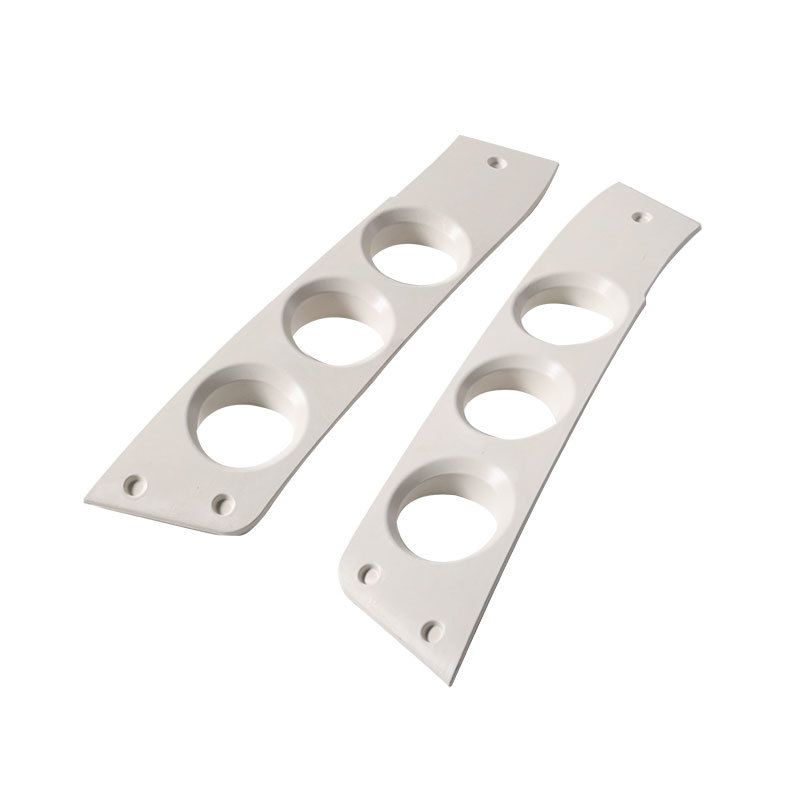
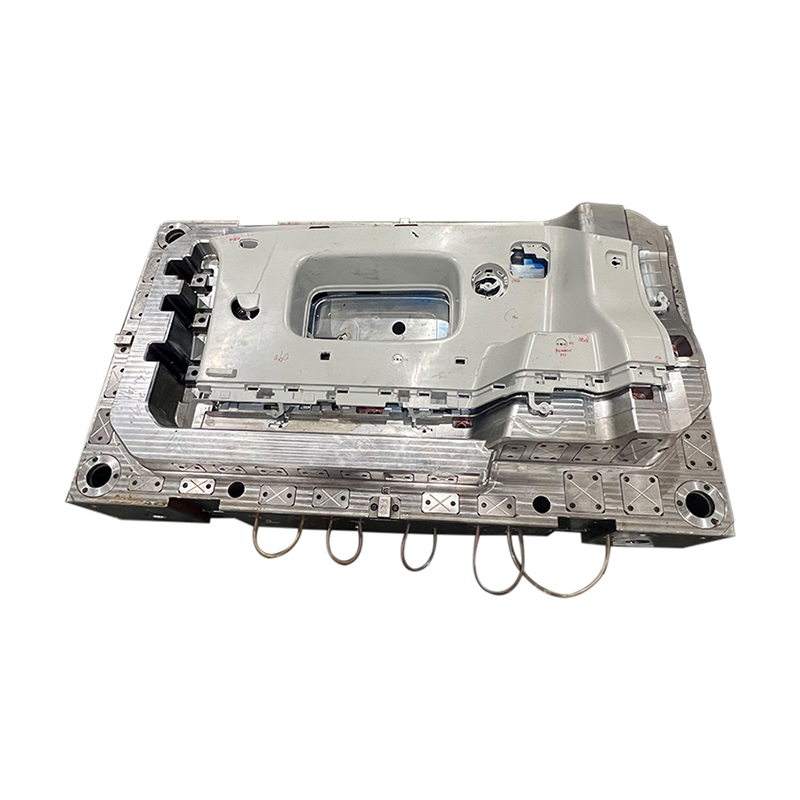
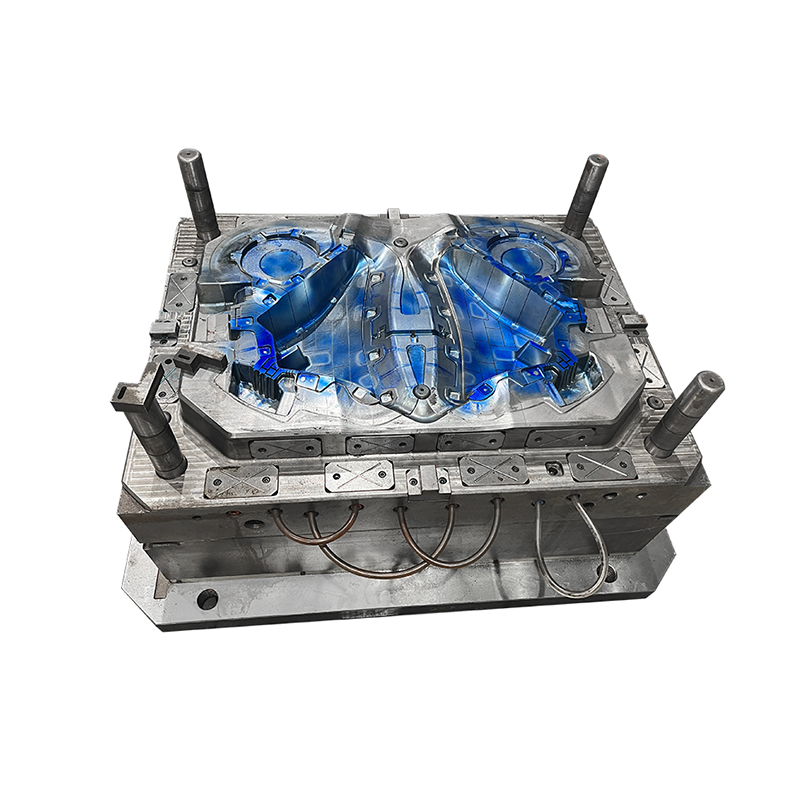
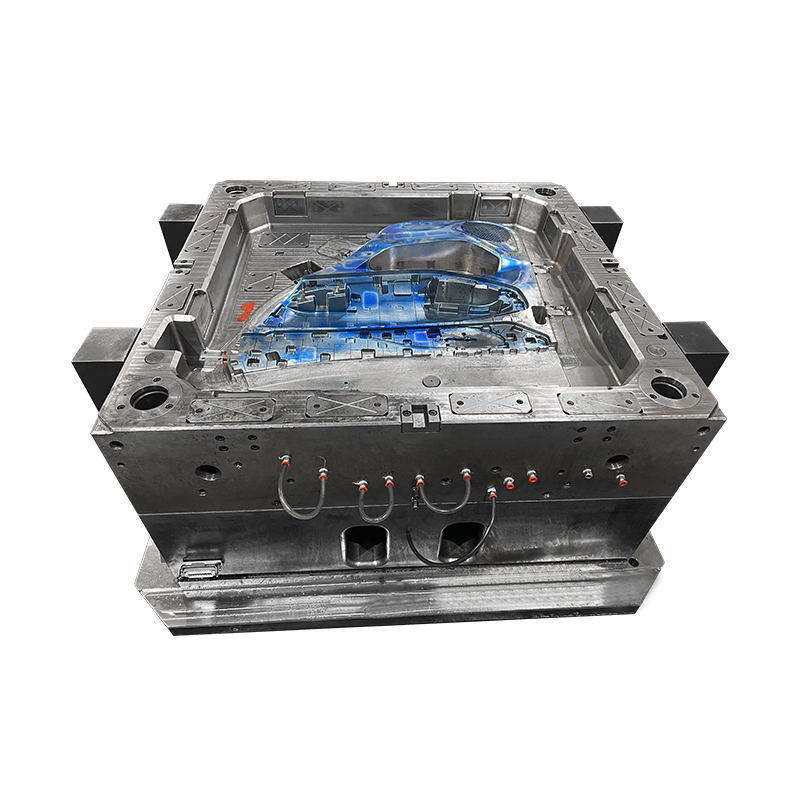
SMC/BMC Automotive Body Parts
|
Mould Type |
Compression mould |
|
Mould Steel |
P20 / S50C / S45 |
|
Mould Cavity |
Single cavity / Multiple cavities / Multiple cavities with interchangeable inserts |
|
Heating System |
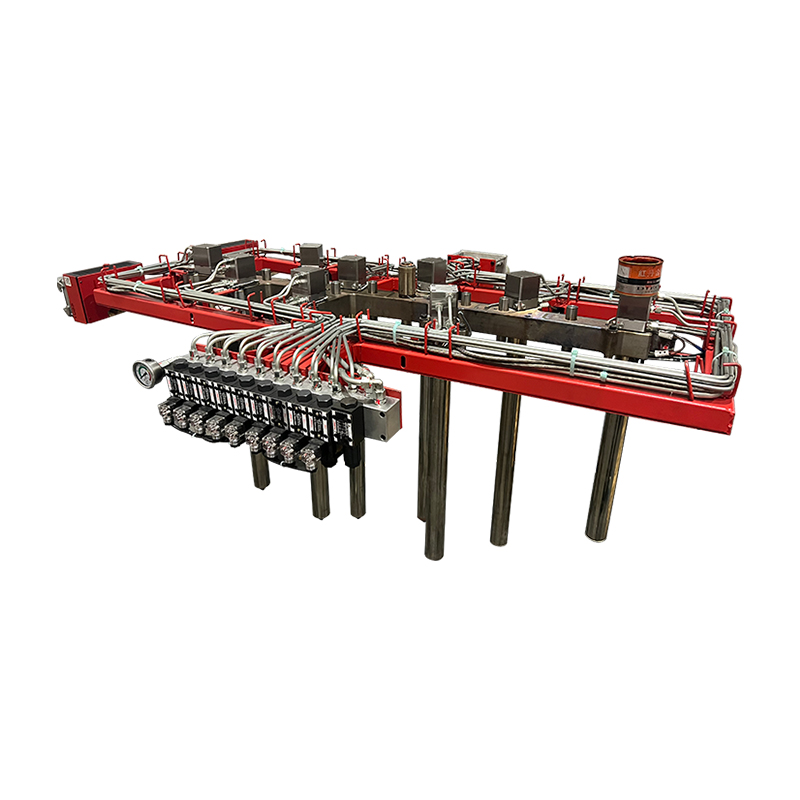
Oil heating / Electrical rods heating |
|
Ejection System |
Hydraulic eject with air assist / hydraulic pins |
|
Mould Cycle |
depends on mould steel, P20 could support around 300 thousand lifespans |
|
Lead Time |
50 days |
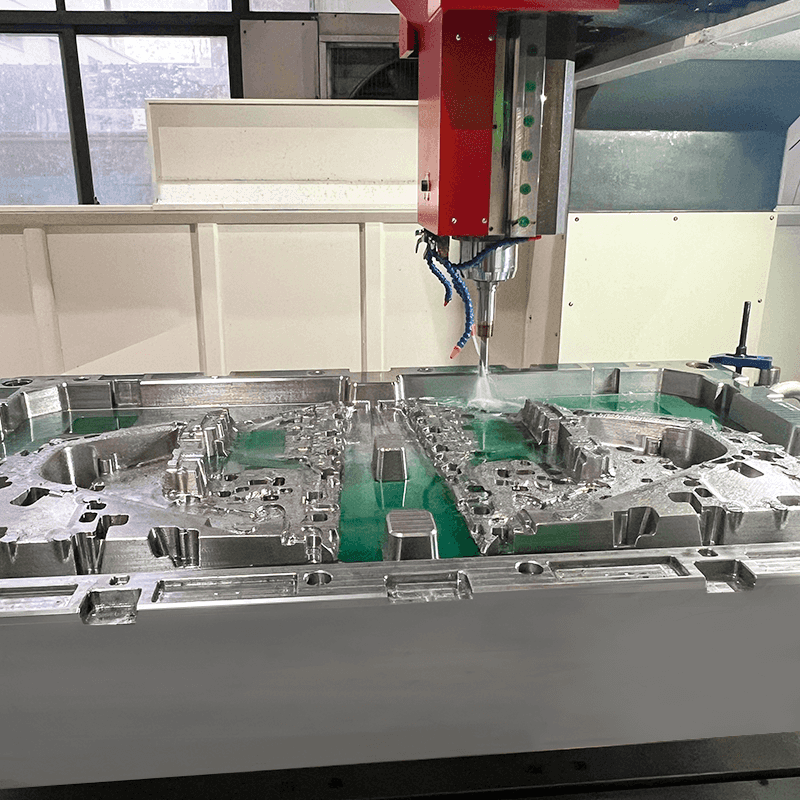
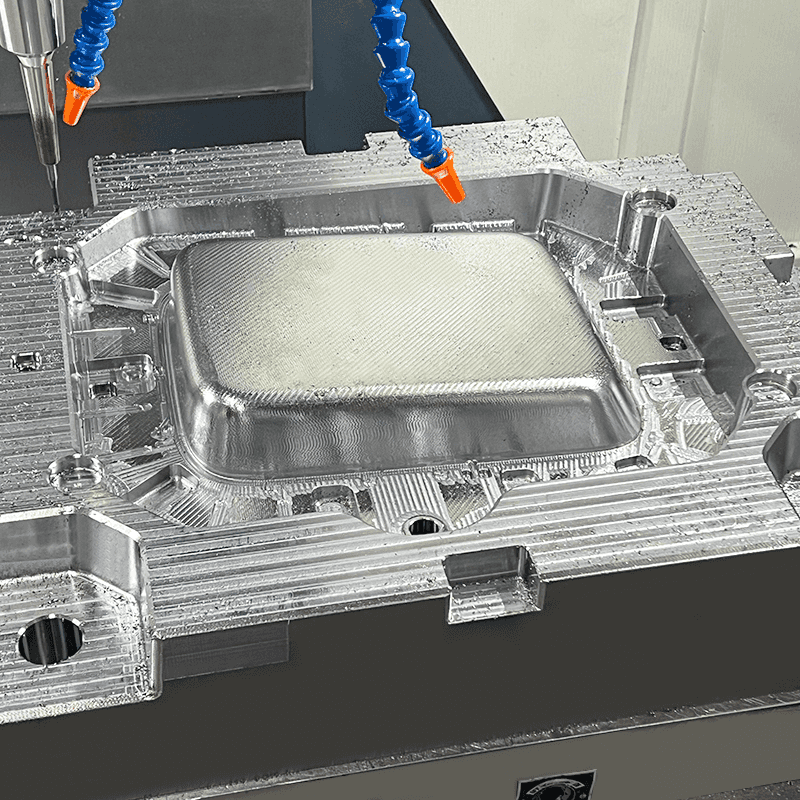
Liberal Mould specialises in composite mould and injection mould, we are capable of providing a one-off solution for our customers from mould development, design, and mould making to finished products according to our customer requirements.
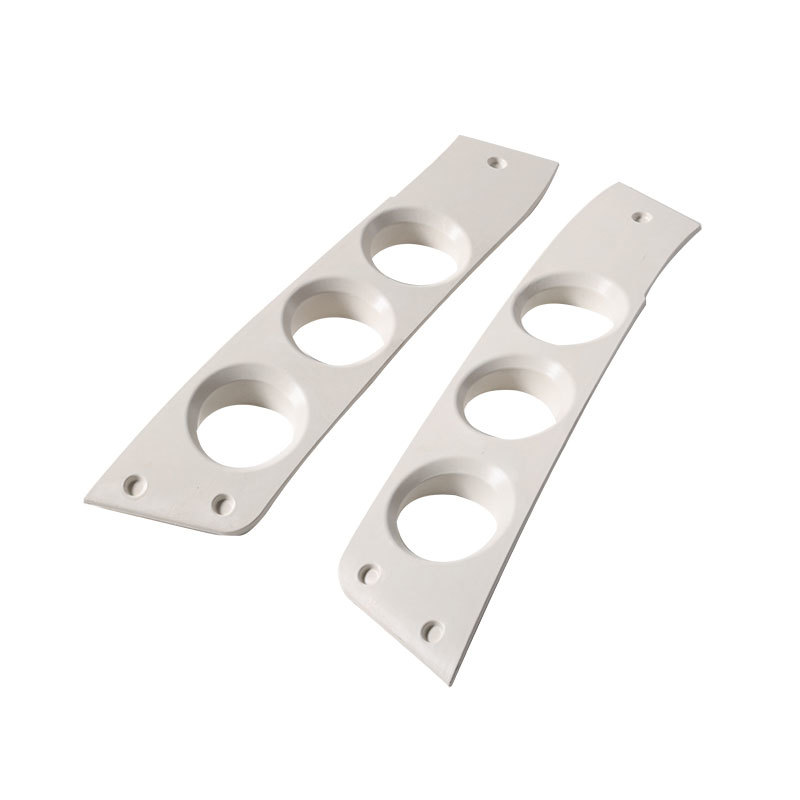
SMC and BMC are massive on the automotive side when it comes to rolling out body panels. Car builders use them all over the place because they handle everyday wear beautifully, making vehicle parts way tougher, safer, and cleaner-looking.
1. Material Characteristics
a. Composition and Structure
SMC: Sheet Molding Compound arrives at the shop floor as a ready-to-go, fiber-reinforced polyester sheet. It basically blends chopped glass fibers, resin, and fillers into a flat layer that your crew can drop straight into a compression molding press.
BMC: Bulk Molding Compound is a thermosetting plastic that shows up in bulk form, usually looking like raw pellets or a thick dough. It uses a pretty similar recipe of glass, resin, and fillers, but it's mixed specifically to be shot through a high-speed injection molding setup.
b. Mechanical Properties
Strength and Durability: Both of these compounds are tough as nails and handle a ton of abuse. The built-in glass fiber reinforcement gives the finished parts serious tensile and flexural strength, so they don't just shatter when they take a hard hit or get put under stress.
Weight: These materials are incredibly lightweight compared to traditional steel sheets, which is a dead-simple way to strip weight off the chassis and help squeeze more miles out of a tank of gas.
2.Advantages in Automotive Applications
a. Design Flexibility
Complex Geometries: SMC and BMC give engineers a ton of breathing room to run wild, detailed part shapes that would be an absolute nightmare or completely cost-prohibitive to try and stamp out of metal.
Aesthetic Customization: You can easily tweak the tool face to stamp all kinds of custom textures and clean finishes directly onto the part, giving designers a massive amount of styling freedom.
b. Cost Efficiency
Tooling and Production: Cutting molds for SMC and BMC parts is a whole lot cheaper than machining massive stamping dies for steel, plus the raw materials are highly cost-effective. This helps keep your total manufacturing costs way down.
Low Maintenance: These composite parts rarely ever ask for upkeep, which cuts down on long-term vehicle repair bills and warranty headaches later on.
c. Corrosion Resistance
Environmental Protection: SMC and BMC parts completely laugh at rust, which is a massive win over traditional metal panels that always end up pitting and rotting away from winter road salts or constant moisture.
3.Applications in the Automotive Industry
a. Exterior Components
Fenders and Bumpers: You'll see SMC used all the time for things like fenders and bumpers. It hangs tough against flying gravel and won't get warped or wavy when the weather gets nasty.
Hoods and Roof Panels: Because it's so lightweight, it's a no-brainer for hoods and roof skins. It helps drop the car's center of gravity and shaves off enough weight to help with gas mileage.
b. Interior Components
Dashboard Panels: BMC fills out tight, complicated mold shapes beautifully, which is why factories use it for dashboard framing and other detailed interior structures.
Door Trims and Handles: It has a solid, premium feel to it and doesn't scratch easily, making it a great choice for grab handles and door trim accents that people touch every day.
c. Functional Components
Structural Parts: Both compounds do a stellar job for heavy structural pieces that need plenty of backbone, like underbody shield panels or rugged reinforcement brackets.
Engine Components: You'll find a lot of gear under the hood relying on these materials simply because they hold up fine against fierce engine heat and won't melt or disintegrate when soaked in harsh automotive oils and fluids.
4. Environmental and Sustainability Considerationsa.
a.RecyclabilityMaterial Recycling: Recycling tech has come a long way lately, making it much easier to chop up and reuse SMC and BMC production scrap, which helps quite a bit with keeping shop-floor waste down.
b. Energy Efficiency
Manufacturing Process: The entire production loop is highly efficient. Faster press cycles inside the tool room mean the machines hog way less electricity, which shrinks the overall environmental footprint of the shop floor.

-
Address: Xiayanggu Industrial Area, Beicheng Street, Huangyan District, Taizhou City, Zhejiang, China.
-
Phone: +86-576-84203239 / +86-13511478976 /
+86-13511476688 / +86-13586042245 -
Email: [email protected] /[email protected] /[email protected]
-

Julia Chen
[ Managing Director ] -

Howard Lew
[ Project Manager ] -

Grant Zhang
[ Project Manager ]
Copyright © Taizhou Chenlin Plastic Mould Co., Ltd.

SMC/BMC Automotive Body Parts Supplier