


 ENG
 English
 Español
 Português
 عربى
 中文简体
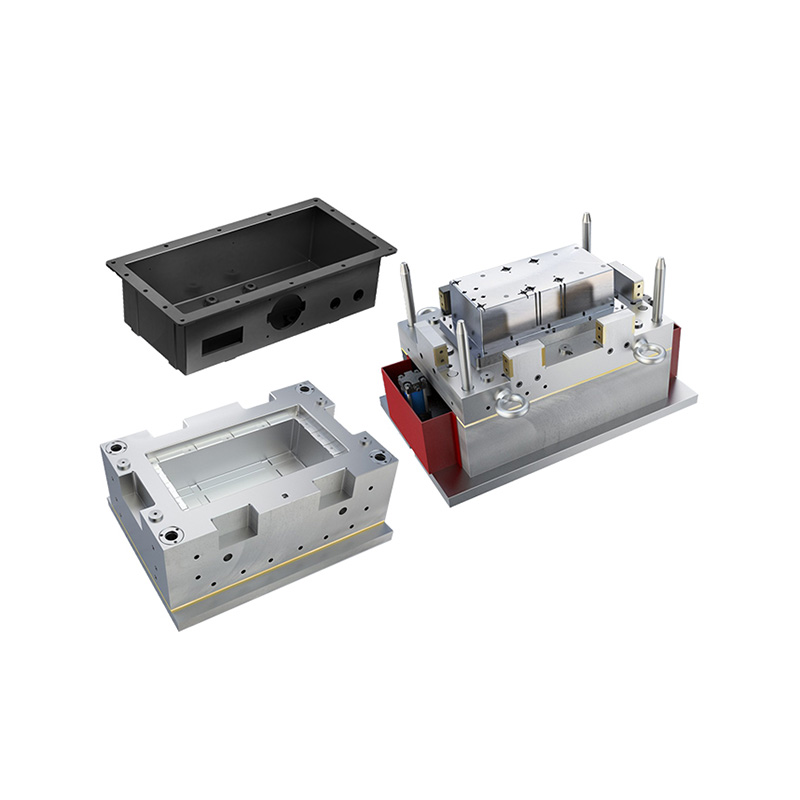
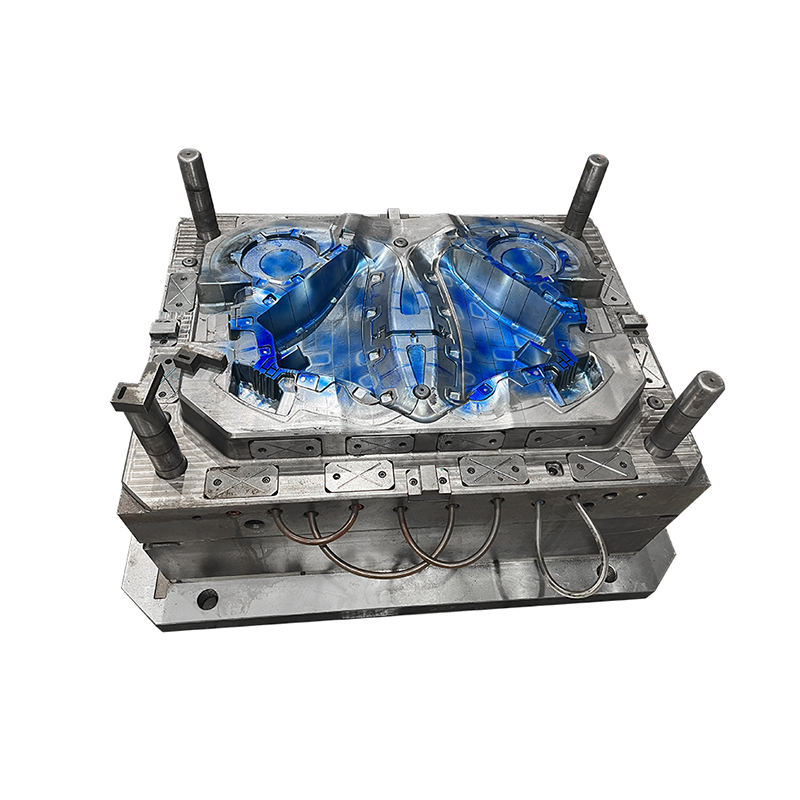
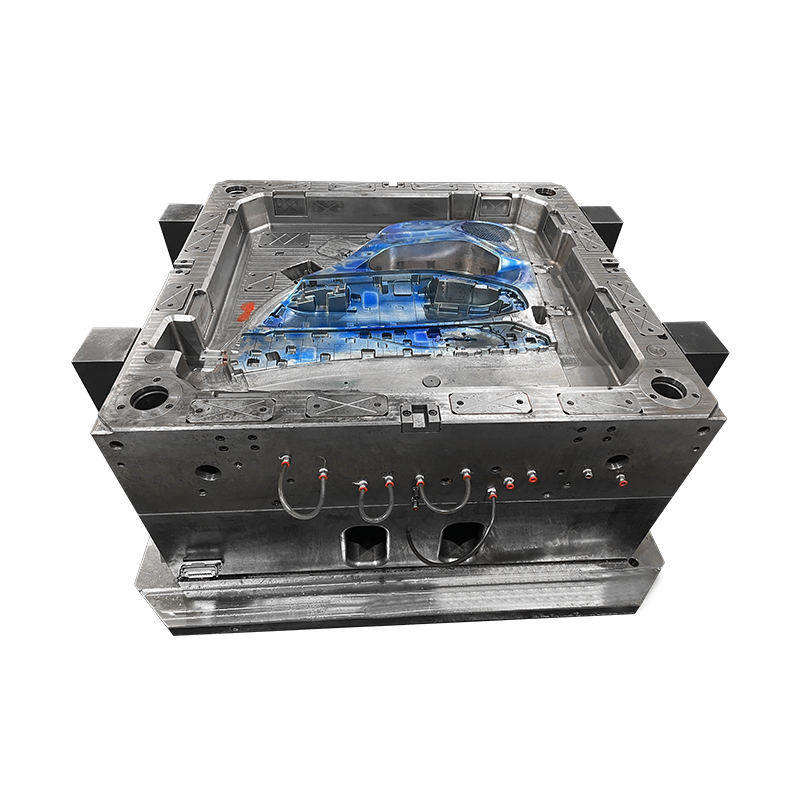
SMC Circuit Breaker Box Mould
|
Product Application |
fire-fighting equipment, construction sites, infrastructure, sites |
|
Mould Type |
Compression mould |
|
Mould Steel |
P20 / S50C / S45 |
|
Mould Cavity |
Single cavity / Multiple cavities / Multiple cavities with interchangeable inserts |
|
Heating System |
Oil heating / Electrical rods heating |
|
Ejection System |
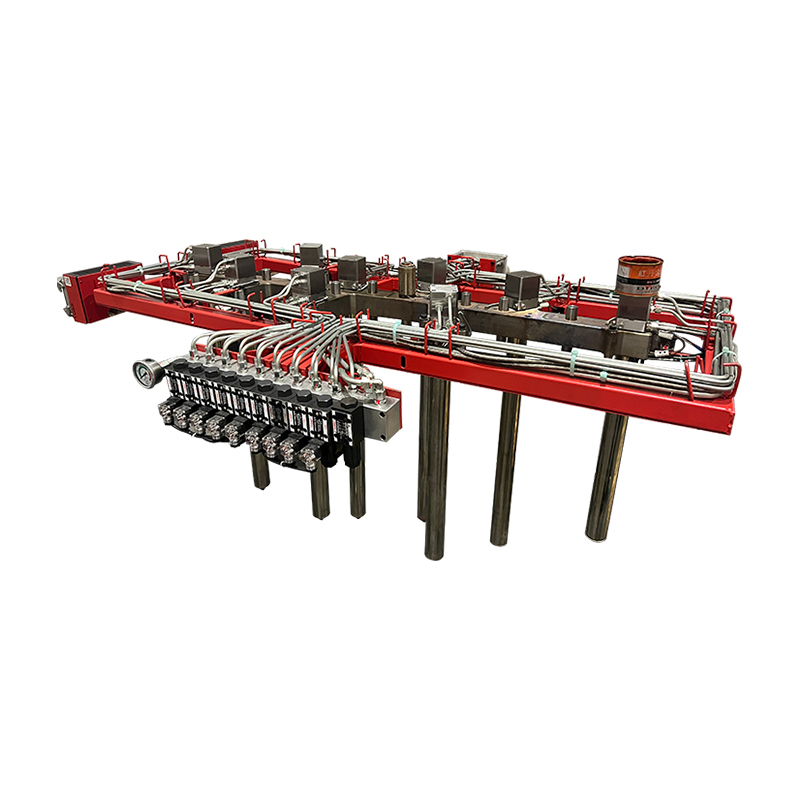
Hydraulic eject with air assist / hydraulic pins |
|
Mould Cycle |
depends on mould steel, P20 could support around 300 thousand lifespans |
|
Lead Time |
50 days |
Liberal Mould specialises in composite mould and injection mould, we are capable of providing a one-off solution for our customers from mould development, design, and mould making to finished products according to our customer requirements.
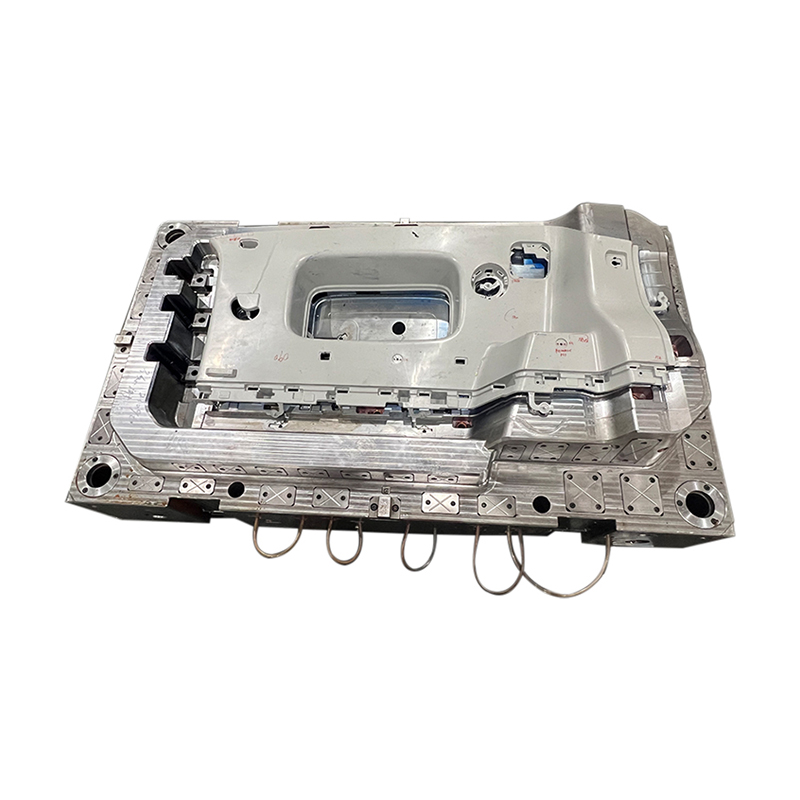
This mould makes electrical enclosures out of SMC (Sheet Molding Compound). The body of the mould is usually P20, S50C, or S45 steel, and which one you go with really depends on the design and what the production run calls for. The enclosure that comes out the other end can vary in shape, size, and color — it's not a one-size-fits-all setup.
Part of why SMC gets used so much here is pretty simple: it's strong without adding a lot of weight, it insulates electrically, it stands up to corrosion, and it can be made flame-retardant if the job needs that. On the mould itself, you can build in mounting holes, reinforcing ribs, cable openings, cover structures — whatever the installation actually requires, rather than forcing every project into the same mold .
Main Features:
- Mould Material – P20, S50C, or S45 steel, picked case by case.
- Product Material – SMC composite, reinforced with fibers.
- Custom Design – dimensions, shapes, structural details, all adjustable per project.
- Surface Finish – matched to whatever the enclosure's appearance needs end up being.
- Production Efficiency – a solid mould structure keeps quality steady and material waste down.
- Durability – right steel, regular upkeep, and production stays stable over the long haul.
Applications:
These moulds turn out circuit breaker boxes and electrical enclosures for construction work, power distribution systems, industrial sites, water treatment plants, and similar infrastructure projects. Whether the final product ends up indoors or outdoors comes down to the environmental and electrical safety standards that particular job needs to hit.
Usage and Maintenance Notes:
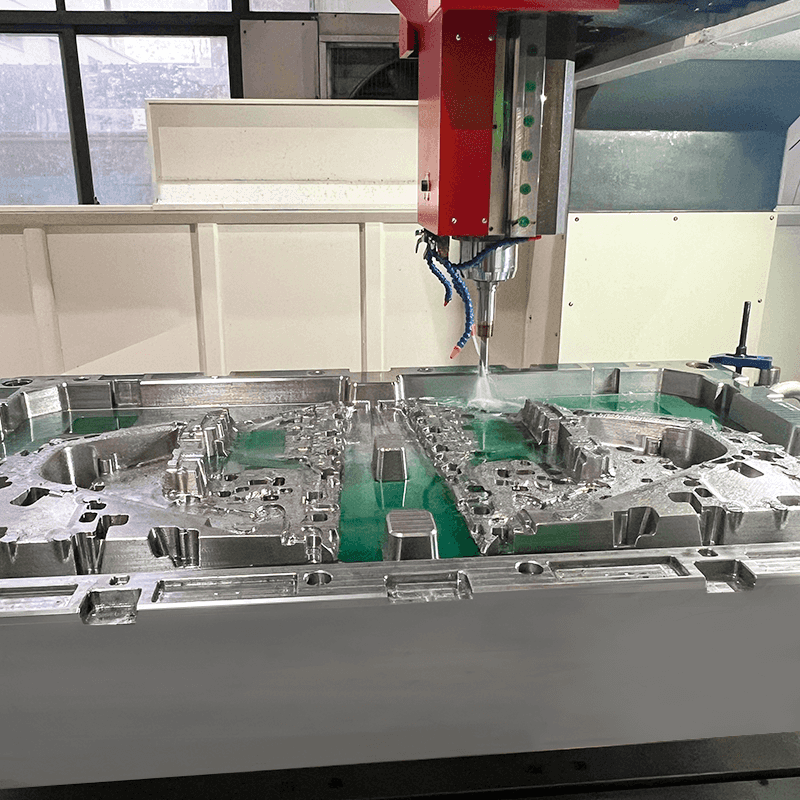
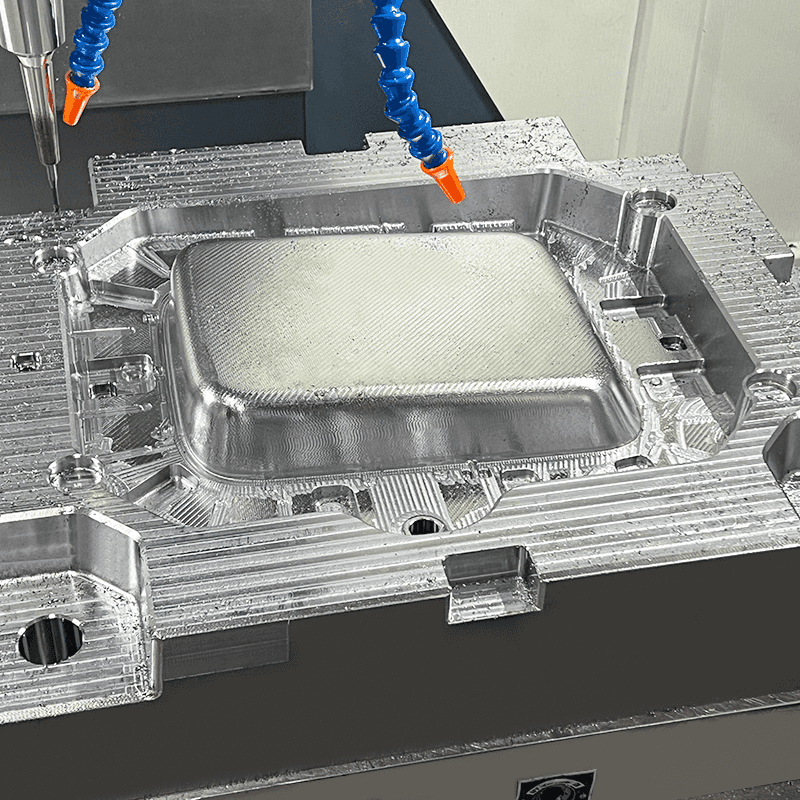
Getting consistent results means the mould design actually has to match the SMC material, the equipment, and the process you're running — material prep, mould temperature, pressure, curing conditions, all of it needs watching. Clean and inspect the mould on a regular basis; it catches surface issues or dimensional drift before they turn into real problems. And don't skip checking the finished enclosure either — structural integrity, dimensions, and whether it actually meets the electrical safety requirements it's supposed to.

-
Address: Xiayanggu Industrial Area, Beicheng Street, Huangyan District, Taizhou City, Zhejiang, China.
-
Phone: +86-576-84203239 / +86-13511478976 /
+86-13511476688 / +86-13586042245 -
Email: [email protected] /[email protected] /[email protected]
-

Julia Chen
[ Managing Director ] -

Howard Lew
[ Project Manager ] -

Grant Zhang
[ Project Manager ]
Copyright © Taizhou Chenlin Plastic Mould Co., Ltd.

SMC Circuit Breaker Box Mould Supplier