ENG
ENG  English
 Español
 Português
 عربى
عربى 中文简体
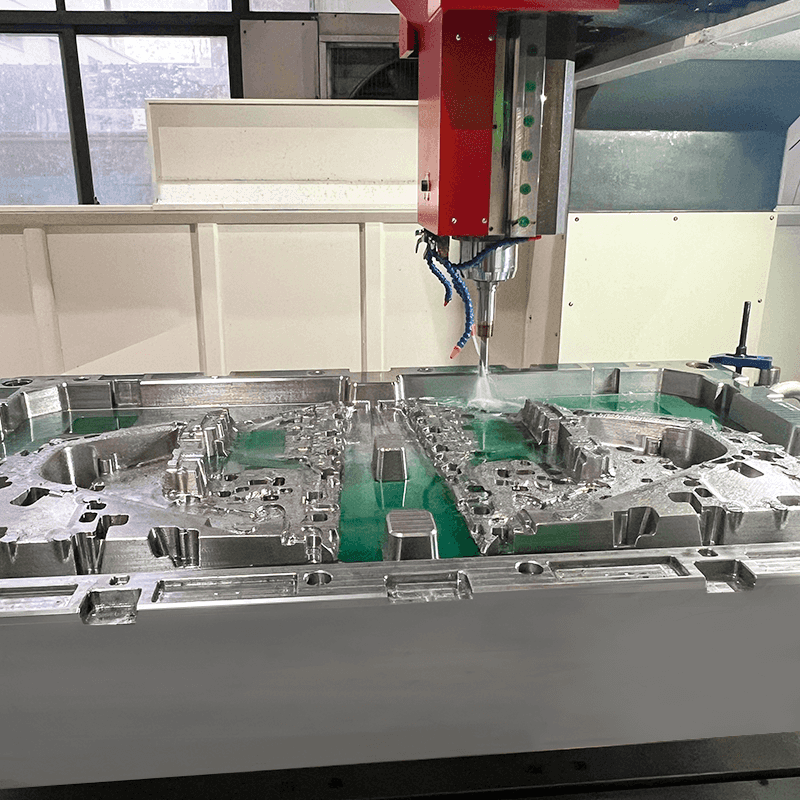
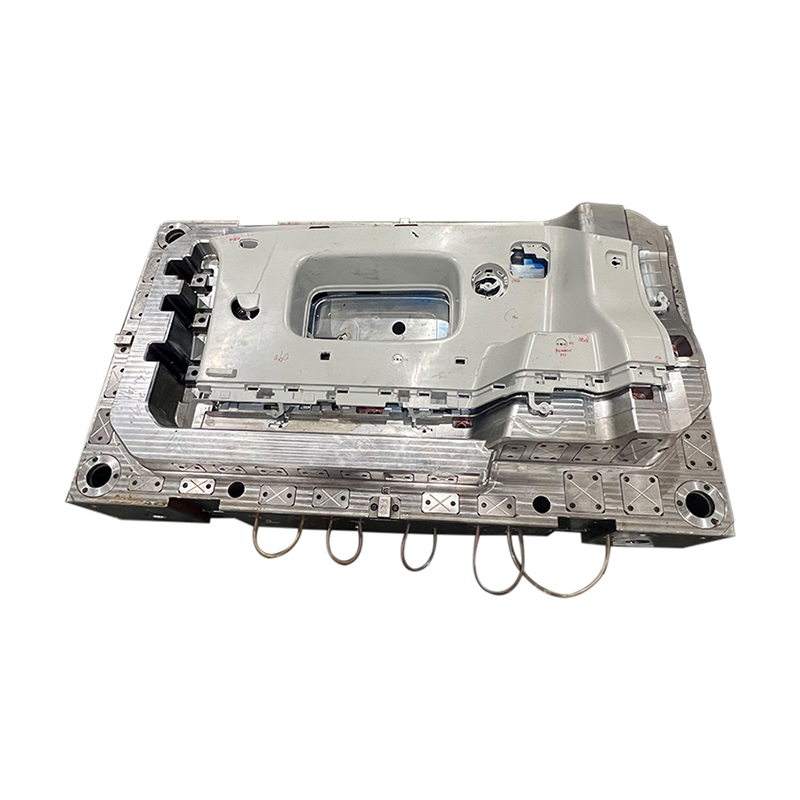
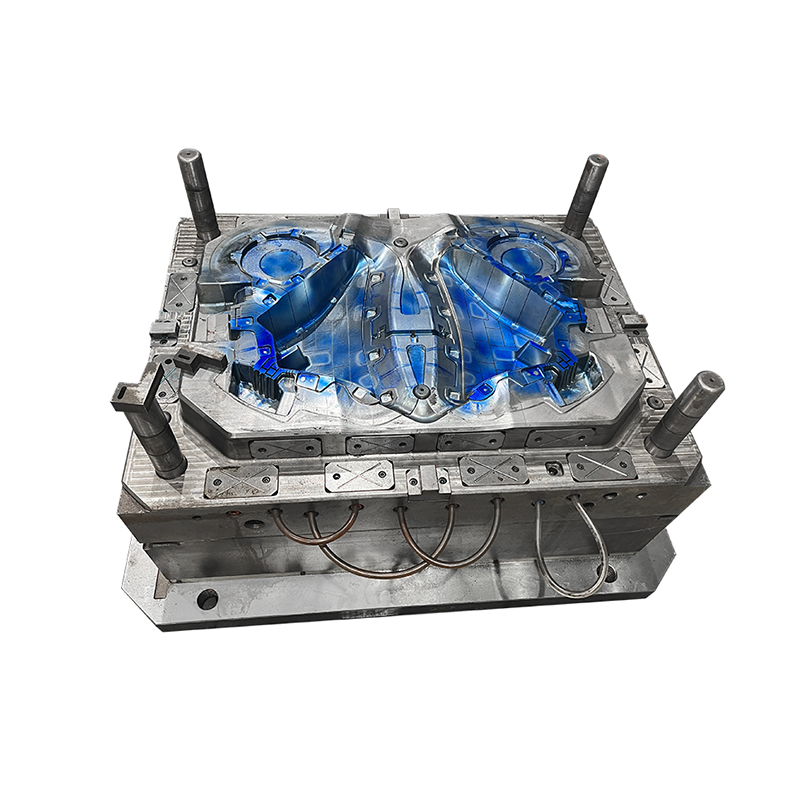
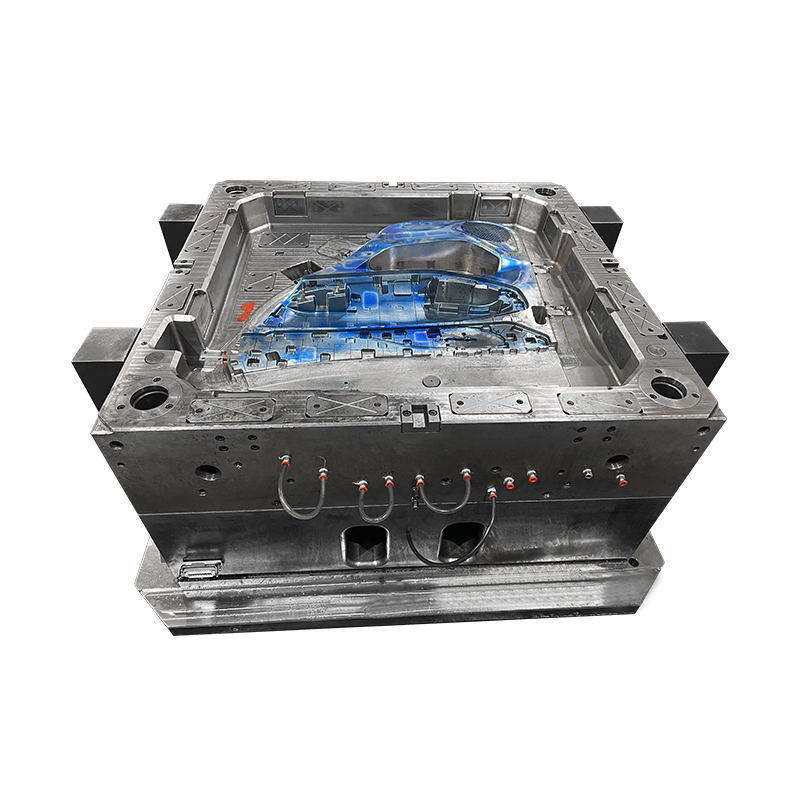
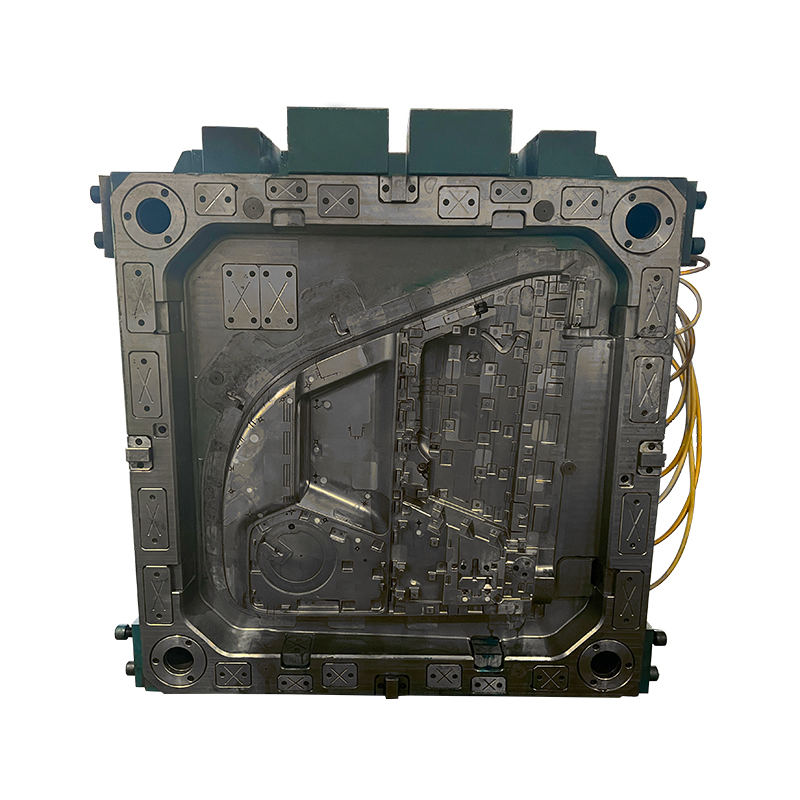
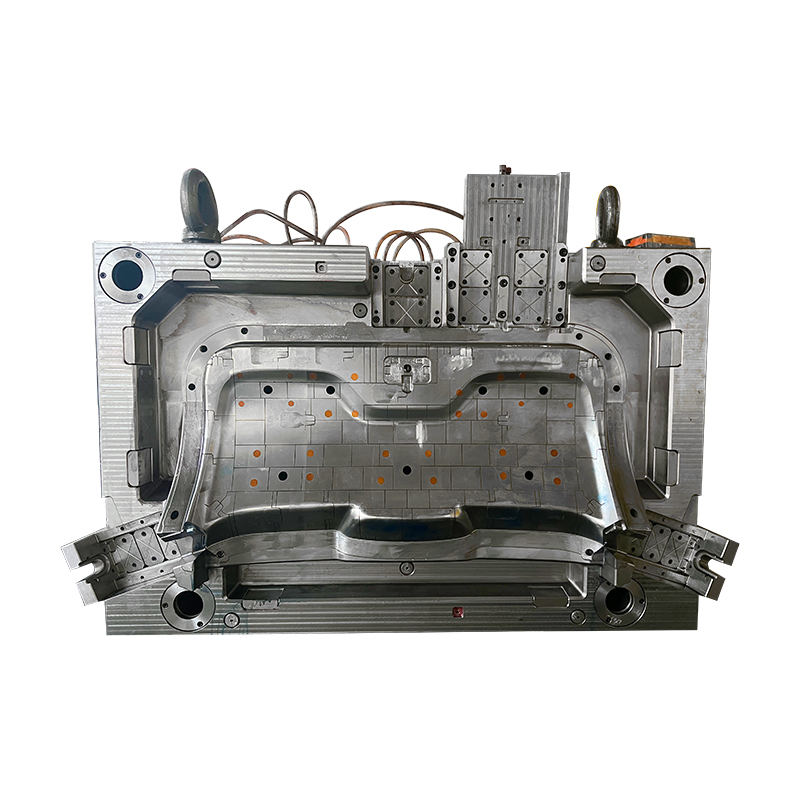
中文简体Composite molding continues to gain attention in industries that focus on structural strength, weight control, and stable part geometry. In daily factory operations, a Composite Mould is not treated as a simple forming tool, but as a long-term production asset that directly influences output consistency and communication efficiency between buyers and suppliers. Many sourcing challenges appear not at the quotation stage, but during sampling, adjustment, and repeated production cycles.
From a manufacturing perspective, successful composite production depends on how well the mold design aligns with material behavior and processing conditions. Composite materials respond differently to pressure and heat compared with standard plastics, which means mold design and process control play a larger role in overall project stability.
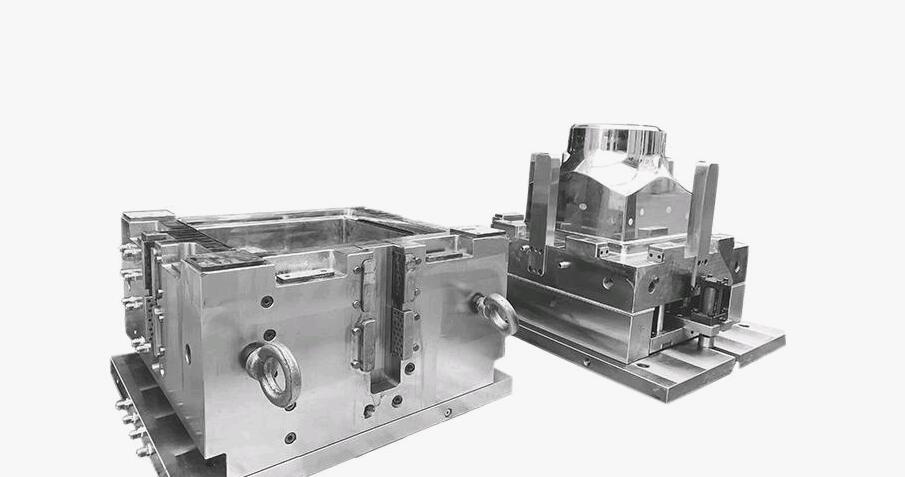
Factories that work closely with customers during early discussions often reduce later revisions. This cooperation helps the Composite Mould perform in line with drawing expectations and practical production limits.
How Composite Mould Design Supports Material Behavior
Composite materials involve fibers and resin systems that require controlled forming conditions. A properly developed Composite Mould considers factors such as material thickness distribution, resin flow paths, venting layout, and heat transfer efficiency. These details affect how evenly materials consolidate during forming and curing.
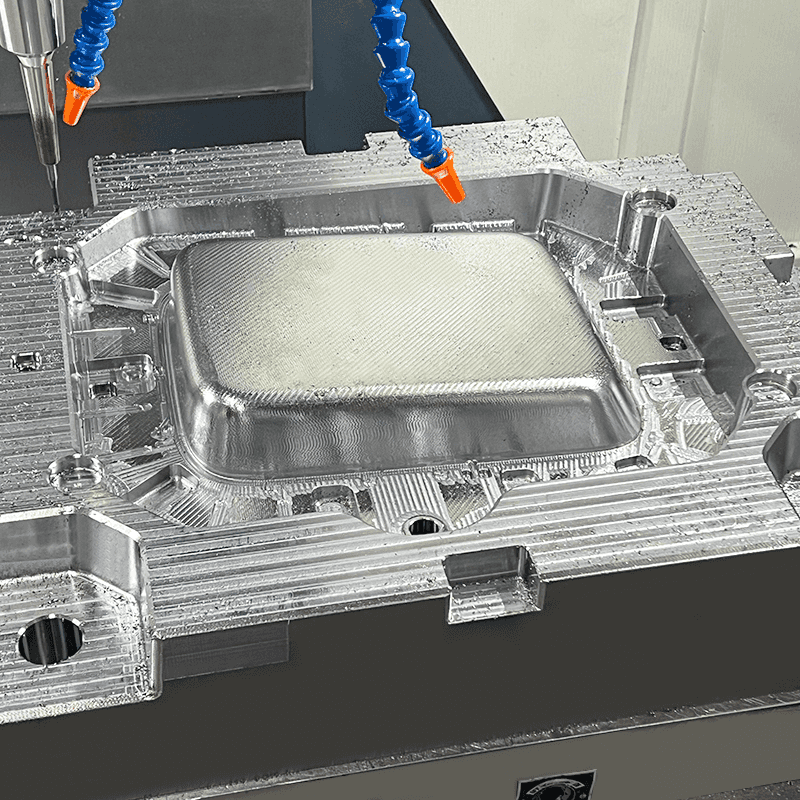
In prepreg-related applications, resin is already integrated into the fiber structure. This allows factories to work with more predictable material behavior, but it also places higher demands on mold surface accuracy and temperature stability. A Composite Mould designed for prepreg use typically focuses on smooth cavity surfaces and stable heating zones to support consistent part appearance and structure.
From a shop-floor viewpoint, mold usability is also important. Clear parting lines, logical cavity access, and reasonable demolding angles help operators place materials accurately and repeat the process with less variation. These design choices support production rhythm without relying on constant manual correction.
Maintenance is often discussed only after issues appear, yet it strongly influences long-term mold performance. Composite Mould Manufacturers usually apply routine checks to keep the tooling suitable for repeated production runs.
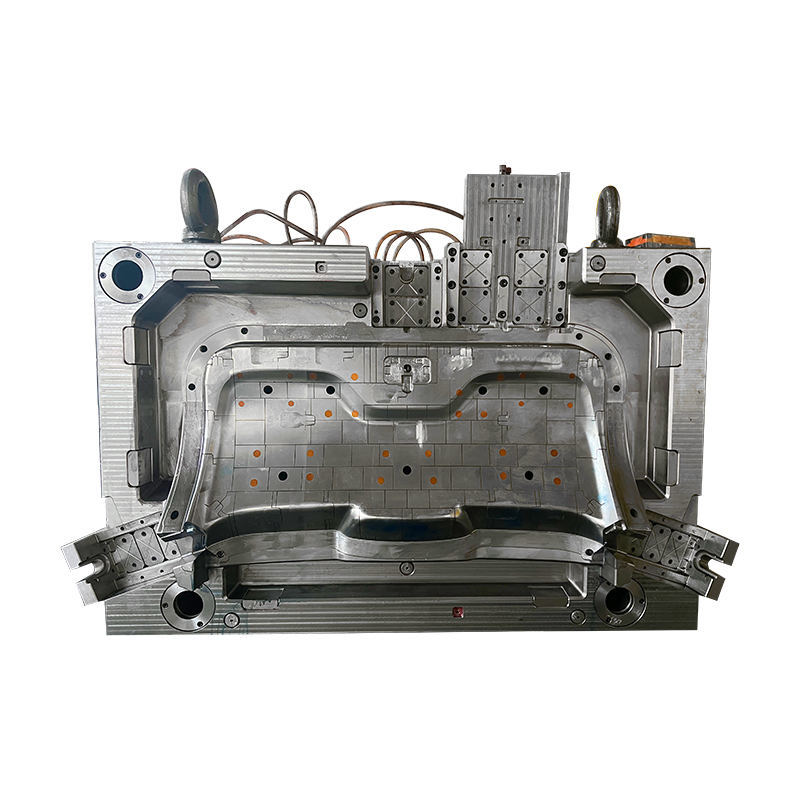
Common practices include:
- Surface cleaning and visual inspection
After each run, mold surfaces are cleaned to remove resin residue and fiber fragments. Visual inspection helps identify early signs of surface wear or alignment change.
- Lubrication of mechanical components
Guide systems, hinges, and ejector mechanisms are lubricated using materials compatible with composite processing environments. This supports smooth movement during opening and closing cycles.
- Temperature system verification
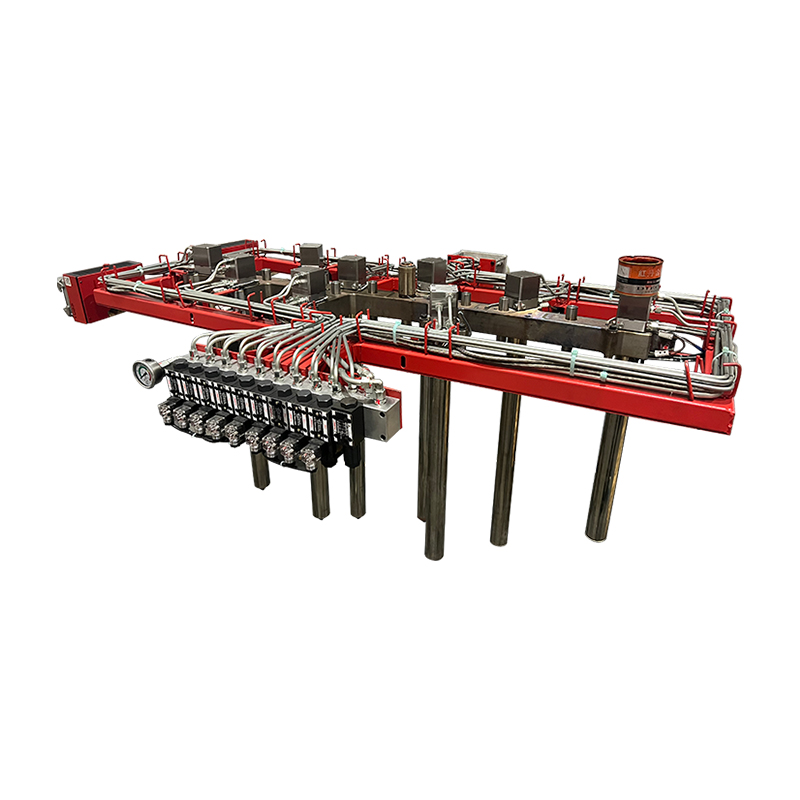
Heating elements, sensors, and control connections are checked regularly to maintain stable curing conditions across batches.
- Idle storage management
When molds are not in use, clean and dry storage conditions help reduce surface degradation and handling damage.
These routines help a Composite Mould remain suitable for future orders without frequent rework.
During development stages, experienced manufacturers discuss material layup methods, tooling materials, and surface treatment options early. This approach reduces later drawing revisions and supports smoother sample approval. Digital design tools are commonly used to simulate mold structure before fabrication, allowing changes to be addressed without repeated physical trials.
Over time, a Composite Mould becomes part of a stable manufacturing system when design discipline, maintenance routines, and process control work together. For B2B buyers, understanding how Composite Mould Manufacturers manage tooling beyond initial delivery provides clearer expectations for repeat production.